
How Leading Brands Use UGC to Create High-Converting Black Friday Campaigns
Every November, shoppers are hit with the same message from every direction: 30% off, today only. When every brand shouts a discount, price stops being the differentiator and trust becomes the deciding factor. That’s why leading brands are turning to real customers and creators to make their offers believable.
UGC Black Friday is customer- or creator-generated content used to promote Black Friday offers through reviews, testimonials, unboxings, demonstrations, social posts and short-form video ads. Because it looks and sounds like a recommendation from a real person rather than a brand, it earns attention that polished promotions struggle to get.
This guide follows the full path from creator to conversion: building your creator strategy, producing content, distributing it across channels, amplifying winners with paid ads, and measuring what actually drives sales.
UGC Black Friday is customer- or creator-generated content used to promote Black Friday and BFCM offers through reviews, testimonials, unboxings, product demonstrations, social posts and short-form video ads. It works because it gives shoppers social proof from real people, which builds trust and reduces hesitation when discount messaging is everywhere. Leading brands treat it as a full-funnel system rather than a social media tactic, using it across Instagram and TikTok, product pages, product recommendation and abandoned-cart emails, paid social ads and retargeting. Effective campaigns run in three phases: before the sale, brands seed creators, tease offers and prepare product pages; during Black Friday and Cyber Monday, they publish creator deal announcements, use creator codes and create urgency; and after the sale, they retarget, collect new reviews and repurpose top content. The best-performing formats include unboxings, gift guides, self-gifting content, product demonstrations, before-and-after videos, testimonials and creator-led deal announcements, and most brands request videos of 30 to 60 seconds. A high-converting UGC ad opens with a hook in the first three seconds, then introduces the problem or product, demonstrates the benefit, states the Black Friday offer and ends with a clear call to action. Flat-fee pricing per video is the most common creator arrangement, alongside performance-based deals and retainers, with rates varying by experience, video length, usage rights and turnaround time. Brands should start planning, briefing creators and producing content well before Black Friday so they can test hooks, scripts and creators before scaling the best content, then measure results using hook rate, watch time, click-through rate, conversion rate, CPA, ROAS, email revenue and creator code sales. The most common mistakes are starting too late, over-scripting content, keeping UGC only on social media, ignoring usage rights, relying on a single creator or hook, and skipping testing.
Why UGC Matters for Black Friday Campaigns
UGC matters for Black Friday because it gives shoppers something a discount alone can’t: proof that real people trust the product. During peak season, that proof helps a brand stand out, builds confidence in the offer, and gives marketers creative they can use at every stage of the sale.
It Cuts Through the Promotional Noise
By Black Friday week, shoppers have seen hundreds of “limited-time” offers, and most sound alike. Polished brand messaging blends into the noise, while a customer showing how they actually use a product feels different. UGC is relatable because it comes from someone the shopper can picture themselves being, which makes a promotion more credible when people are skeptical of big-sale claims.
It Supports the Whole Buying Journey, Not Just Social
Many brands treat UGC as a social media tactic, but the strongest Black Friday campaigns use it at every touchpoint:
• Discovery: creator videos and customer posts on Instagram and TikTok introduce the product and the offer
• Consideration: photos, reviews and testimonials on product pages answer “is this actually good?”
• Purchase: customer content in product recommendation and abandoned-cart emails removes last-minute hesitation
Placing the same social proof wherever the shopper is deciding makes the offer more persuasive without adding new production work.
It’s a Reusable Performance Asset
One creator video can run as an organic post, become a paid ad, sit on a product page, feature in an email and be retargeted to people who viewed but didn’t buy. Because UGC is quick to produce in multiple versions, brands can test different hooks, creators and formats, then put budget behind the ones that convert. That reuse turns UGC from a seasonal expense into an asset that keeps paying off through Cyber Monday and beyond.
How Leading Brands Use UGC to Build Consumer Trust
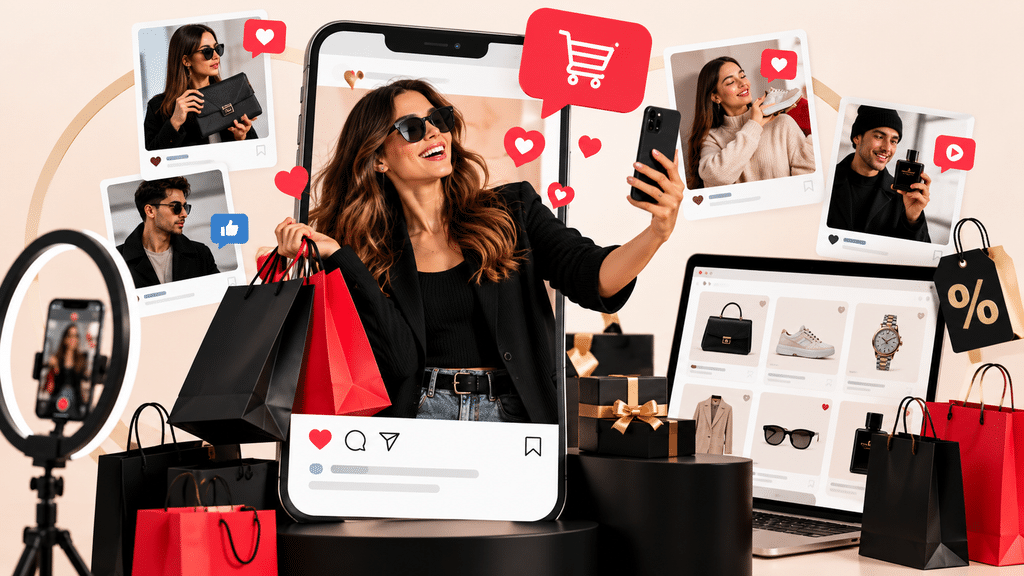
Leading brands build trust with UGC by showing real customers’ reviews, photos, videos and testimonials next to their Black Friday offers, so shoppers see proof from people like them before they buy. In a season when every brand claims the best deal, that third-party voice is what makes a discount feel safe to act on.
Why Trust Is the Real Black Friday Currency
Black Friday puts shoppers in a hurry and a skeptical mood at the same time. They want the deal, but they worry about buying something that disappoints or isn’t really discounted. Brand copy can’t fully answer those worries, because shoppers know it’s written to sell. Customer content can, because it comes from people with nothing to gain from the sale.
The UGC Formats Brands Use to Earn Trust
• Written reviews: confirm the product’s quality and give a quick overall impression
• Customer photos: show the product in real homes and real lighting, not just studio shots
• Video testimonials: add a face and a voice, which makes the recommendation feel more human
• Unboxings and demonstrations: show what shoppers actually receive and how it works
• Social posts and stories: prove the product is being used and talked about right now
Using several formats together works better than relying on one, because shoppers have different concerns at different points in the decision.
How Brands Turn Customer Content Into Social Proof
Brands turn customer content into social proof by collecting it through hashtags, reviews and rewards, getting permission to use it, and placing it where shoppers make decisions.
1. Collect: encourage customers to share through a branded hashtag, post-purchase review requests or a simple photo and video prompt
2. Incentivize: reward contributors with discounts, early access, giveaways or a feature on the brand’s channels
3. Get permission: always confirm usage rights before reposting or running customer content as an ad
4. Curate: choose content that is clear, well lit, on-brand and shows the product in use
5. Place: put the best pieces on product pages, in emails and in social posts and ads
Brands that start collecting well before Black Friday have a library ready when traffic peaks, instead of scrambling during the sale.
What Makes UGC Feel Trustworthy
• Real people using the product in real settings
• Honest, specific comments rather than generic praise
• A mix of customers and creators, so the content doesn’t feel staged
• Clear disclosure when content is paid or gifted
• Light editing, so the content keeps its natural feel
Over-polished or obviously scripted content can erase the authenticity that makes UGC work in the first place.
Black Friday UGC Campaign Strategies Used by Leading Brands
The most effective Black Friday UGC campaigns run in three phases: build momentum before the sale, drive urgency during Black Friday and Cyber Monday, and keep using the content afterward. Treating UGC as a full campaign rather than isolated posts is what separates leading brands from those that post and hope.
Pre-Black Friday: Build Momentum
• Seed products with creators early so content is ready before the sale starts
• Tease the offer with countdown content, sneak peeks and waitlist sign-ups
• Run giveaways or hashtag challenges to generate customer content and grow the audience you’ll sell to
• Prepare product pages with UGC galleries and reviews before traffic arrives
Black Friday and Cyber Monday: Drive Urgency
• Publish creator-led deal announcements that explain the offer in a real person’s words
• Use creator codes so shoppers get a personal reason to buy and you can track each creator’s impact
• Lean on urgency and scarcity with limited stock, limited-time bundles and countdowns
• Post shoppable short-form video so viewers can go from content to checkout quickly
Post-Sale: Retarget and Repurpose
• Retarget viewers and cart abandoners with the UGC that performed best
• Request reviews and photos from new buyers while excitement is high
• Repurpose top content into evergreen ads, product page assets and holiday gift campaigns
Black Friday UGC Video Ideas That Drive Engagement
The best Black Friday UGC video ideas are unboxings, gift guides, product demonstrations, testimonials and creator-led deal announcements, ideally kept to 30 to 60 seconds. Each one matches how people research and buy during the sale.
• Unboxing and advent-calendar unboxings: show what’s inside and build anticipation, especially for bundles and holiday drops
• Gift guides: position the product as an easy answer to “what should I buy for…?”
• Self-gifting content: speak to shoppers using the sale to treat themselves
• Product demonstrations: show the product solving a problem in real time
• Before-and-after videos: give visible proof of results
• Testimonials and reviews: let a real customer explain why they’d buy again
• Deal announcements: a creator explains the offer, what’s included and when it ends
Most brands ask creators for videos in the 30 to 60 second range, which is long enough to show the product and short enough to hold attention on TikTok and Reels.
Black Friday UGC Hooks That Capture Attention
A Black Friday UGC hook is the first few seconds of a video, designed to stop the scroll before the viewer decides to skip. In a crowded feed, a weak opening wastes even a great product.
Common hook styles include:
• Problem-first: “If you’re still struggling with [problem], watch this.”
• Deal-first: “This is the best price I’ve seen on [product], and here’s why I’d buy it.”
• Reaction: “I didn’t expect this to work this well.”
• Curiosity: “Everyone’s buying this on Black Friday, so I tested it.”
• Gift angle: “The gift I’m getting everyone this year.”
• Social proof: “This is the third one I’ve bought.”
Effective UGC can still be planned. Have creators film several hook variations for the same video, and test different scripts and delivery styles. Small changes in the opening line often change performance more than anything else in the video.
How Brands Use Creators for Black Friday UGC
Brands use creators for Black Friday UGC by selecting people whose audience matches their buyers, briefing them clearly on the offer, and paying for content they can reuse across channels.
UGC Creators vs. Influencers
UGC creators make content for the brand to use, often in the brand’s own channels and ads, without needing a large following. Influencers publish content to their own audience and are paid for their reach. Many campaigns use both: influencers for awareness, UGC creators for scalable, testable ad creative.
How to Brief UGC Creators for Black Friday
A strong brief removes guesswork and speeds up delivery. Include:
• The offer, discount details, dates and any promo code
• Deliverables: number of videos, length, format and platform
• Key product benefits and talking points
• Hook and script ideas, plus room for the creator’s own voice
• Do’s and don’ts (claims to avoid, competitors, disclosures)
• Usage rights: where and for how long you can run the content
• Deadlines, including revision time before the sale
Where Brands Find Black Friday UGC Creators
• UGC marketplaces and platforms, such as Sideshift, JoinBrands, Billo, Cohley and Insense
• Creator tools and networks, such as Upfluence and GRIN
• UGC agencies, for managed production at volume
• Direct outreach on social platforms and creator communities
• Your own customers, who can be your most credible creators
Marketplaces can be crowded, so many brands use more than one channel and keep a shortlist of reliable creators year-round.
How Much Does Black Friday UGC Cost?
Pricing varies widely by creator experience, video length, usage rights and turnaround time. The most common structures are:
• Flat fee per video: predictable cost, and the most common arrangement
• Performance or view-based deals: lower upfront cost, but less predictable for both sides
• Retainers and bundles: multiple videos over a period, often better value for a whole season
Some entry-level creators work from around $30 per video, while experienced creators, faster turnarounds and extended usage rights cost more. Request quotes for your specific brief rather than relying on averages. Booking early also helps, because creators fill up quickly before Black Friday.
How to Create High-Converting Black Friday UGC Ads
A high-converting Black Friday UGC ad opens with a strong hook, introduces the problem or product, demonstrates the benefit, communicates the offer and ends with a clear call to action.
1. Hook (0-3 seconds): stop the scroll with a problem, reaction or deal
2. Problem or product: show why the viewer should care
3. Demonstration: prove it works with real usage
4. Offer: state the discount, bundle or deadline clearly
5. CTA: tell viewers exactly what to do next, such as “shop now” or “use code”
Production doesn’t need to be expensive, but it should be clean: natural lighting, a tidy background and clear audio. Real product usage matters more than cinematic polish. Ask several creators for their own take on the same offer, since different voices reach different audiences.
How Leading Brands Repurpose UGC Across Marketing Channels
Leading brands repurpose UGC by placing the same content on social media, product pages, emails and ads, so shoppers meet consistent social proof wherever they decide.
Instagram and TikTok
Short-form video is the natural home for UGC. Brands post creator content as Reels and TikToks, use trending formats and add shoppable links or product tags so viewers can buy without leaving the platform. Reposting customer content, with permission, keeps the feed authentic and shows the community behind the brand.
Product Pages
Product pages are where Black Friday traffic lands and decides. Adding UGC galleries, visual reviews and customer videos gives shoppers proof exactly when they’re weighing the purchase. Set these up before the rush, so the page is ready when traffic spikes rather than being tweaked mid-sale.
Email Campaigns
UGC makes emails feel less like promotions and more like recommendations. Use it in:
• Product recommendation emails: pair each product with a customer photo or short review
• Abandoned-cart emails: remind shoppers why others love what they left behind
• Sale announcements: feature creator or customer content in the header or hero
How Brands Amplify Winning UGC With Paid Ads
Brands amplify UGC by testing it organically first, then putting paid budget behind the videos that already earn attention and conversions. This reduces the risk of spending on creative that doesn’t resonate.
• Turn top organic posts into ads once they show strong engagement
• Run multiple creator versions of the same offer as separate ads
• Use paid social for reach and retargeting for conversion
• Retarget video viewers, site visitors and cart abandoners with UGC that answers their likely objections
• Refresh creative often, since audiences tire of the same ad during a busy sales period
Confirm usage rights include paid advertising before you scale a creator’s video.
Black Friday UGC Testing and Creative Optimization
Testing is what turns UGC from good content into a reliable performer. Even authentic-looking videos can be planned, varied and measured.
• Test one variable at a time: hooks, scripts, creators, delivery styles, video length and calls to action
• Run variations early, before the sale, so you know what to scale when spending increases
• Look for patterns: which hook types, creators and formats consistently win
• Keep, cut and scale: pause weak ads quickly, keep solid performers running and increase budget on the strongest
Ask creators to deliver hook and script variations upfront. It’s cheaper than commissioning entirely new videos midway through the campaign.
Black Friday UGC Campaign Timing and Planning
Start planning and producing Black Friday UGC well before the sale, so you have time to test creators, hooks and formats before scaling the best content. Late starts leave no room for revisions or testing.
A practical timeline:
1. Planning: set goals, offers, budget and the channels you’ll use
2. Creator outreach and briefing: shortlist, contact and brief creators early, before their calendars fill
3. Production: collect videos, photos and reviews, including hook variations
4. Testing: run organic posts and small paid tests to identify winners
5. Launch: publish across social, product pages, emails and ads as the sale begins
6. Scale and retarget: increase spend on top performers through Black Friday and Cyber Monday
7. Post-sale: collect new reviews, repurpose content and retarget
Black Friday UGC Campaign Examples From Leading Brands
In the UAE, Black Friday is often marketed under names such as White Friday and Yellow Friday. Leading brands and marketplaces use creator content, influencer storytelling and social commerce to move shoppers from discovery to consideration and, ultimately, purchase. These examples show how UGC-style content can support seasonal campaigns.
1. Adidas UAE: Turning Creator Content Into White Friday Commerce
For White Friday, adidas UAE combined creator storytelling, TikTok LIVE and a flagship-store activation at Dubai Mall. The campaign connected digital discovery with physical retail, using creators and adidas ambassadors to showcase products and White Friday content. TikTok’s case study reports that the campaign generated 120 million total views, 622,000 installs and a 5× ROI. Its TikTok LIVE activation reached 40,000 unique viewers and 2 million unique impressions, while traffic increased by 2×.
UGC/creator formats: Creator-led product content, TikTok LIVE, product demonstrations, Q&A content, in-store content and paid amplification.
Why it matters: The adidas example demonstrates how creator content can become part of a broader digital-to-retail shopping journey, rather than functioning solely as social engagement.
2. Noon: Turning Yellow Friday Into a Creator-Led Shopping Moment
Noon gives Black Friday a regional identity through its Yellow Friday shopping event. The marketplace has also used influencer and creator content across the GCC to showcase products, shopping experiences and its wider range of categories.
Documented campaign work for Noon includes influencer content across markets such as the UAE, Saudi Arabia, Kuwait, Qatar and Bahrain, with creators covering categories including technology, fashion, lifestyle and home. One documented influencer campaign produced 12 videos and more than 7 million views.
UGC/creator formats: Influencer shopping content, product demonstrations, shopping hauls, short-form videos and localized creator storytelling.
Why it matters: Noon illustrates how a regional marketplace can use creators to make a large promotional event feel more like a social shopping experience. Instead of communicating only through conventional promotional ads, creator content can demonstrate products and show shoppers how the marketplace fits into everyday buying decisions.
Editorial note: The public documentation supports Noon’s broader influencer activity, but the 12-video/7-million-view figure should not be presented as a Yellow Friday result unless a primary source specifically connects it to that campaign. Avoid adding specific Yellow Friday sales or conversion figures without a verifiable source.
3. Al Fursan: Scaling Creator Content Across the GCC
While not a Black Friday campaign, Al Fursan, Saudia’s loyalty programme, provides a useful GCC example of how creator content can be scaled into paid media.
The brand used TikTok’s Creators at Scale and Creative Exchange to promote its e-store and lifestyle rewards. The campaign reached more than 11.7 million people in Saudi Arabia and generated 39 million impressions. TikTok reported that Creators at Scale content achieved a 1.8× higher CTR than remixed branded content, while creator-led advertising delivered a 3× higher CTR than standard brand ads.
Creator formats: Original creator videos, creator-led product storytelling and remixed creator content.
Why it matters: The campaign demonstrates how brands can move from simply commissioning UGC to creating a repeatable content-and-paid-media system around creator assets.
4. Refy Beauty: Using Creator Content to Drive Black Friday Sales
For its 2021 Black Friday campaign, beauty brand Refy Beauty used TikTok’s Spark Ads to amplify organic and creator content. The brand connected TikTok with Shopify so it could track actions including add-to-cart sessions, sales and ROAS. Its creative strategy focused on native TikTok-style product tutorials featuring diverse creators, supported by prospecting and retargeting audiences.
The campaign reached more than 2 million TikTok users, achieved a 4.31% complete-payment rate, and delivered nearly 3× ROAS. Refy also reported a 101% increase in new users visiting its TikTok profile and a 750% increase in organic revenue during the campaign period.
UGC/creator formats: Creator tutorials, product demonstrations, organic creator posts, Spark Ads and retargeting.
Why it matters: Refy shows the value of connecting UGC with the rest of the conversion funnel. Instead of stopping at views and engagement, creator content was connected to product discovery, add-to-cart behaviour and purchase tracking.
4. Refy Beauty: Using Creator Content to Drive Black Friday Sales
Key Tactics Behind Successful UGC Campaigns
• The customer-journey approach: a brand collects customer content through a hashtag, adds it to product pages, then uses it in recommendation and abandoned-cart emails
• The creator-led approach: a brand seeds products early, works with creators on deal announcements and codes, then amplifies top videos with paid ads and retargeting
• The creative-testing approach: a brand commissions several hooks and scripts per offer, tests them before the sale and scales the winners
What Makes a Black Friday UGC Campaign Successful?
Successful Black Friday UGC campaigns share five traits: authentic content, a clear offer, creators who fit the audience, distribution across channels and continuous testing.
• Authenticity: content feels like a real person’s experience
• Clear offer: viewers immediately understand the deal and deadline
• Creator fit: the creator’s audience resembles your buyers
• Multi-channel use: the content works on social, product pages, email and ads
• Ongoing testing: decisions come from performance data, not assumptions
Common Black Friday UGC Mistakes Brands Should Avoid
• Starting too late: leaves no time for creator booking, revisions or testing
• Over-scripting: rigid scripts strip out the authenticity that makes UGC work
• Keeping UGC only on social: product pages and emails are where many purchase decisions happen
• Ignoring usage rights: running content as ads without permission creates legal and relationship problems
• Relying on one creator or hook: one miss can sink the campaign
• Weak or buried offers: if viewers can’t quickly see the deal, they won’t act
• Skipping measurement: without data, you can’t tell what to scale
How to Measure Black Friday UGC Campaign Performance
Measure UGC by tracking both attention metrics and sales metrics, so you can see which content earns views and which content earns revenue.
• Hook rate and watch time: does the opening keep people watching?
• Click-through rate (CTR): does the content drive interest in the offer?
• Conversion rate: especially on product pages with UGC compared with pages without it
• Cost per acquisition (CPA) and return on ad spend (ROAS): for paid UGC ads
• Email revenue and click rates: for emails featuring UGC
• Creator code performance: which creators drive actual sales
• Engagement: comments, shares and saves as signs of resonance
Review results daily during the sale, and compare across creators, hooks and formats to decide where to put budget next.
Black Friday UGC Campaign Checklist
Before the sale
• Set goals, offers and budget
• Shortlist and brief creators
• Confirm usage rights, including paid ads
• Collect customer content and reviews
• Prepare product pages with UGC
• Produce hook and script variations
• Test creative organically or with small budgets
During Black Friday and Cyber Monday
• Publish creator deal announcements
• Share UGC on social, in emails and on product pages
• Scale top-performing ads
• Retarget viewers and cart abandoners
• Monitor metrics daily and refresh creative
After the sale
• Request reviews and photos from new customers
• Analyze top creators, hooks and formats
• Repurpose winning content
• Save learnings for next season
Frequently Asked Questions About Black Friday UGC
What is UGC in Black Friday marketing?
UGC in Black Friday marketing is customer- or creator-generated content, such as reviews, testimonials, unboxings, demonstrations and short-form videos, used to promote Black Friday offers and build trust.
How can brands use UGC for Black Friday?
Brands can use UGC on social media, product pages, emails and paid ads. It can build anticipation before the sale, support urgency during it and drive retargeting afterward.
How much do UGC creators charge?
Rates vary by experience, video length, usage rights and turnaround. Flat-fee pricing per video is the most common arrangement, and some creators offer bundles or retainers. Request quotes based on your brief.
How do I find UGC creators for Black Friday?
Use UGC marketplaces and creator platforms, work with an agency, reach out directly or invite your own customers to create content. Start early, because creators book up before the sale.
How many UGC videos do I need for Black Friday?
It depends on budget and channels, but plan for multiple videos per offer, with different creators and hook variations, so you have options to test and scale.
When should I start a Black Friday UGC campaign?
Start planning and producing well before the sale, so there is time to brief creators, test content and prepare product pages and emails.
Can UGC be used for paid Black Friday ads?
Yes. UGC often performs well as paid creative, provided you have usage rights. Test organically first, then put budget behind the strongest videos.
What is the difference between UGC and influencer marketing?
UGC is content made for a brand to use in its own channels and ads, often by creators with small followings. Influencer marketing pays people to share content with their own audiences.
How does UGC increase Black Friday conversions?
UGC provides social proof, shows the product in real use and reduces hesitation about deals, which helps shoppers feel confident enough to buy.
How do you measure UGC performance?
Track hook rate, watch time, CTR, conversion rate, CPA, ROAS, email revenue and creator code sales, and compare them across creators, hooks and formats.
Conclusion
Black Friday rewards the brands that shoppers believe. UGC gives you that credibility, and the strongest campaigns treat it as a system rather than a single post: a clear creator strategy, seasonal video concepts and strong hooks, distribution across social, product pages and email, paid amplification of proven winners, and steady measurement.
Start early, brief creators well, test before you scale, and reuse what works. If you’d like help finding creators, producing Black Friday UGC videos or building a campaign, get in touch to discuss a UGC package for your brand.