
Executing Winning Brand Strategies: From Planning to Performance
Introduction
Brand strategy and execution isn’t just a boardroom buzzword, it’s the engine that powers real, lasting business growth. A McKinsey report puts it plainly: companies that align their brand go-to-market blueprint with performance indicators consistently outperform their peers by over 20%. But here’s the thing strategy alone won’t cut it in today’s crowded, high-speed marketplace. The secret sauce? A brand human-centric strategy that actually shapes how plans turn into progress.
In this article, we’ll walk you through that transformation journey—from initial spark to measurable impact. You’ll discover how brand lifecycle planning ensures long-term relevance, how a brand performance metrics dashboard keeps you accountable, and how brand storytelling execution builds emotional resonance. We’ll unpack the tools and mindsets behind execution: brand transformation playbooks, brand data-driven insights, brand loyalty engines, and the power of brand strategic partnerships to scale sustainably. Let’s explore how standout brands don’t just plan—they perform with purpose.
Navigating the Modern Brand Strategy Landscape
Today’s brand strategy lives in a fast-moving, often fragmented digital world—and it can’t stay stuck in yesterday’s playbook. While traditional models zeroed in on identity and differentiation, modern strategy is more about resilience, responsiveness, and staying in step with constant consumer change. That’s where tools like brand agility playbooks, brand purpose activation, and brand sustainability strategies come into play. These aren’t just safety nets—they’re momentum builders, helping brands evolve with cultural shifts and tech trends while staying true to who they are.
It all starts with discovering core brand opportunity spaces—those pockets of unmet needs or emerging disruption. These opportunities aren’t limited to launching new products; they might be about tapping into shifting customer mindsets, underused platforms, or fresh patterns in behavior. When paired with a thoughtful brandscape analysis, brands can uncover where they can truly thrive—not just survive.
Next, it’s about choosing the right brand growth pathways—strategic avenues for scaling relevance, reach, and revenue. These could include expanding into new markets, diversifying offerings, or even reshaping the customer experience. The key is staying grounded in your core purpose while leaning into innovation.
Take, for instance, a sustainable apparel brand eyeing the high-performance athletic wear market. Through brand opportunity mapping, they might spot a rising demand among younger fitness enthusiasts for eco-conscious gym wear. By launching a new line that hits that sweet spot and promoting it via niche influencers and well-timed brand demand generation strategy, they’re not just adding SKUs—they’re expanding their story.
According to Prophet’s model, the next step is crucial: turning insights into impact through a brand customer-centricity engine. This engine brings customer data to life, fueling scalable solutions that resonate. And when supported by tools like brand influence mapping and brand competitive positioning playbooks, it equips brands to own not just shelf space, but a lasting place in consumers’ minds.
Scaling across borders brings new challenges, too. That’s where a strong brand cultural relevance strategy comes in. Whether it’s tweaking visual styles or adapting local messaging, culturally attuned storytelling makes sure global messages feel personal—and powerful—wherever they land.

From Strategy to Action: Building a Brand Ready to Execute
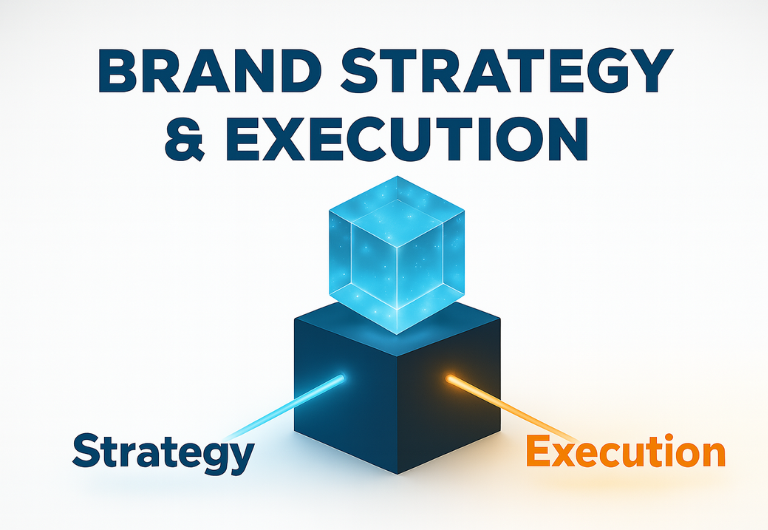
Crafting a great brand strategy is only half the journey—the real magic happens in execution. Yet this is often where even strong brands falter. Months of shaping the perfect positioning can unravel if executional readiness isn’t prioritized. That’s why tools like the Brand Launch Blueprint and Brand Internal Activation are vital. They ensure that every part of the organization is aligned, moving from concept to reality with clarity and consistency.
To make this transition even more powerful, brands need to embed a Brand Content Ecosystem that delivers unified messaging across every channel, ensuring storytelling supports strategy at every touchpoint. Paired with a Brand Brandscape Analysis, companies can map their competitive environment and uncover the whitespace that execution should target. Adding Brand Business Model Innovation into the mix ensures the strategy doesn’t just guide marketing—it actively drives revenue growth and customer value. Finally, the Brand Resource Allocation Blueprint ensures that budgets, teams, and technologies are deployed efficiently, fueling execution with both creativity and discipline.
When these layers come together, execution stops being an afterthought and becomes the true driver of brand success
At the heart of great execution is internal alignment. It’s simple: a brand can’t deliver externally if its people aren’t living the brand internally. This is where brand holistic engagement comes into play. Through town halls, strategic playbooks, and continuous training, teams—from leadership to frontline—can rally around a shared vision, becoming brand advocates in their own right.
The brand relationship blueprint takes that internal momentum and extends it outward. It maps out how different stakeholders—employees, partners, customers—should experience and contribute to the brand. Because each group interacts with the brand in their own way, tailored engagement strategies are essential to build trust and consistency.
When it comes to unlocking more value from existing customers, savvy brands lean into a brand cross-sell & up-sell strategy. This isn’t about pushing more products—it’s about deepening relevance. By embedding these strategies into CRM systems and sales workflows, brands can organically grow loyalty and profitability at the same time.
But before scaling any new initiative, there’s a critical step that can’t be skipped: brand market fit exploration. Whether launching a fresh product or reintroducing a core brand after a pivot, you’ve got to ask—does this resonate with the people we’re trying to reach? This testing phase, built into the brand transformation playbook, helps fine-tune your approach and reduce costly missteps.
Finally, successful execution isn’t just a marketing job. It requires orchestration across departments. Each function—product, HR, customer support—must adopt its own brand activation tactics. Marketing might lead with bold campaigns, HR might shape the employer brand, and customer service ensures every interaction reinforces what the brand stands for. When every team pulls in the same direction, brand strategy moves from vision to lived experience.

Designing for Experience and Lasting Relevance
The strongest brands today aren’t built on flashy campaigns—they’re built through experiences. From the moment someone opens a package to the subtle nudge of an app notification, every interaction shapes how they feel about a brand. That’s why brand experience journey design has become more than just a nice-to-have—it’s a core strategic priority. It’s not just about surprising and delighting; it’s about creating meaningful value at every step of the customer lifecycle.
To design these kinds of experiences, brands must understand what customers feel and expect. That’s where the brand emotional connection framework becomes invaluable. It helps uncover those pivotal moments—whether it’s the excitement of a limited-edition launch or the comfort of an easy return process—that build trust and connection over time. When you hit those emotional notes, you’re not just making a sale—you’re building loyalty.
Consistency across every touchpoint is another non-negotiable. Brand omnichannel consistency ensures that whether someone shops online, visits a store, or reaches out for support, they experience the same tone, look, and level of care. But going beyond surface-level harmony requires brand omni-channel alignment—a deeper operational commitment where teams, tools, and tactics all move in sync. This alignment breeds trust, reduces friction, and ultimately drives better results across the board.
Powering all of this is a well-thought-out brand digital integration strategy. When platforms like CRM, eCommerce, and customer support systems are seamlessly connected, brands can personalize in real time, anticipate needs, and automate helpful follow-ups. It’s not just efficient—it’s empathetic.
Speaking of empathy, the brand personalization framework takes customer experience to the next level. Instead of blasting the same message to everyone, brands can now tailor interactions—like customized product suggestions or support journeys—based on each individual’s behaviors and preferences. The goal? Make people feel seen, not sold to.
To keep evolving with your audience, brand opportunity laddering offers a structured way to grow. Imagine a skincare brand that starts with hydration products and gradually introduces wellness routines or lifestyle offerings. Each new step meets a deeper customer need, forging emotional bonds and unlocking new revenue streams along the way.
Of course, no experience feels complete without great storytelling. But brand storytelling execution isn’t just about big splashy ads—it’s about consistency. That story needs to show up everywhere, from your welcome emails to your packaging to the way your executives speak in public. It’s that drumbeat of clarity and purpose that keeps your message memorable.
And while design and content matter, the experience must also work. Brands have to continuously test their UX, tone, accessibility, and usability to ensure they’re meeting real human needs—not just aesthetic ones. Feedback loops—via live chats, social listening, and satisfaction surveys—fuel this ongoing refinement. Underpinning all of it is the brand consumer trust architecture: the invisible framework that assures customers you’ll handle their data with care, communicate transparently, and show up when it counts.

Scaling with Purpose: Driving Innovation Through Culture
As brands grow and evolve, staying relevant means constantly reinventing—not just what you sell, but how your business operates at its core. That’s where the brand transformation playbook becomes essential. It offers a structured way to evolve without losing the heart of what makes your brand unique.
At the center of this evolution is the brand innovation blueprint—a guide that connects customer needs directly to your business’s capabilities. But innovation isn’t just about launching shiny new products. It stretches across pricing, service design, brand communities, and even how you support long-term engagement. For example, a DTC brand might use insights from its brand performance metrics dashboards to uncover an opportunity for a high-retention subscription model—and launch it with precision.
Of course, transformation only sticks when the culture supports it. That’s where brand holistic engagement earns its stripes. It’s about creating a workplace that fuels creativity—not through trendy office perks, but through clear purpose, trust, and open communication. When leaders consistently embody the brand’s values and reinforce them with stories, rituals, and recognition, they build a culture where innovation isn’t the exception—it’s the norm. That’s the power of brand narrative consistency in action.
No brand scales alone. Strategic partnerships can unlock capabilities that would take years to build in-house. Using the brand partnership ecosystem development framework, brands can seek out collaborators who align in vision and values. These aren’t just tactical deals—they’re long-term growth accelerators. Think of iconic pairings like Nike and Apple, or Spotify and Uber, where shared purpose leads to exponential value.
To stay ahead, leading brands also invest in a brand future-readiness roadmap—a proactive approach to navigating what’s next. This includes scanning macrotrends, planning for multiple scenarios, and reallocating resources before the market demands it. It’s about moving ahead of the curve, not reacting to it.
Technology adds another layer of agility. With advanced data modeling and AI tools, brands can fine-tune their brand opportunity mapping in real time. Whether it’s shifting audience behavior or a new cultural moment, these insights empower brands to pivot fast and stay relevant—without missing a beat.

Measuring What Truly Moves the Needle
It’s easy for brands to fall into the trap of confusing motion with progress. Just because you’re doing a lot doesn’t mean it’s making an impact. That’s why measurement needs to go deeper—beyond clicks and likes—into what actually drives growth and connection. The brand measurement framework provides a clear, structured approach to track both the tangible and the more emotional, less visible dimensions of brand value.
At the highest level, you’re watching the classics: awareness, consideration, preference, and loyalty. But if you stop there, you’ll miss what really matters. The brand emotional hooks—those moments of connection—are just as critical. Tools like sentiment analysis, NPS, and open-ended customer feedback help you understand if your audience isn’t just buying your product, but actually believing in your brand. Are they quietly consuming or passionately advocating?
Operational data plays its part too. A robust brand performance metrics dashboard brings together metrics from across departments—marketing, sales, customer success—into one cohesive view. It shows what campaigns are landing, where audiences are engaging, and how each channel is contributing to bigger outcomes like revenue, CAC, LTV, and NPS. With this kind of real-time visibility, brand managers can pivot fast when something’s off-track.
But this dashboard shouldn’t live in a silo. It’s a tool for the entire leadership team. When every C-suite leader sees how a core branding drives business, it naturally strengthens cross-functional alignment. That’s the power of brand value proposition alignment—making sure each department knows how their work builds toward the brand’s success story.
Internally, measurement matters just as much. Is your core brand internal activation sticking? Are your people not just informed, but inspired? HR surveys, training metrics, and internal NPS can spotlight whether employees are truly living the brand values—or just nodding along in meetings.
And for brands with a purpose-driven edge, tracking your brand sustainability strategy is key. This means measuring CSR initiatives, evaluating supply chain ethics, and staying in tune with how customers perceive your efforts. If you say you care, your actions—and your metrics—need to back it up.
Most importantly, all of this data should be used to fuel growth, not just generate reports. Brands that thrive conduct regular reviews, digging into what’s working, what’s not, and why. This creates a feedback culture where insights drive evolution. Your brand transformation playbook shouldn’t be static—it should grow with you, continuously updated with what you’ve learned.
Conclusion: From Promise to Performance
Today’s most magnetic brands don’t just talk the talk—they show up, stand out, and deliver. They go beyond positioning and pledges, using systems like brand data-driven insights, brand innovation blueprints, and brand transformation playbooks to move with speed, depth, and intention. These aren’t just tools—they’re the backbone of brands that thrive in fast-moving markets.
Execution isn’t a final step—it’s a mindset. The brands that truly win are the ones that bring their strategy to life across every touchpoint. They activate purpose from the inside out, embed it into culture, and track not just what’s loud—but what matters. Whether it’s aligning brand voice consistency or cultivating high-impact brand partnership ecosystems, these organizations turn identity into action, and action into momentum.
When change inevitably comes, resilient brands don’t flinch—they lead. Armed with a clear brand future-readiness roadmap, they pivot with purpose and clarity. By bridging planning with performance, experience with trust, and insight with execution, they don’t just create value—they earn belief. And in the end, belief is what separates good brands from unforgettable ones.
FAQ
1.What makes Prophet’s brand strategy model different?
The Prophet’s model stands out by marrying strategy with execution. It doesn’t stop at ideas—it brings them to life through emotional connection, data-driven insight, and operational clarity. Tools like the brand storytelling execution framework and brand agility playbook make sure strategy moves, not stalls.
2.How often should brand strategy be reviewed?
Quarterly check-ins are a must, but agility matters more. Your brand future-readiness roadmap should evolve in real time as customer behavior and market signals shift. Think of it as a living guide—not a static document.
3.How do you measure brand transformation?
Transformation is seen both inside and out. Internally, it’s about employee alignment and activation. Externally, track NPS, equity, and LTV using your brand measurement framework to connect strategic vision with daily outcomes.
4.How do you ensure personalization doesn’t feel intrusive?
Keep personalization grounded in value. The brand personalization framework ensures relevance and consent are baked in, not bolted on. When messages help rather than stalk, trust grows.
5.What is the role of culture in brand execution?
Culture is the fuel behind execution. Without buy-in from your people, even the best strategy falls flat. Tools like brand internal activation and a strong brand loyalty engine build belief from the inside out. “The biggest shift we made wasn’t in messaging—it was in measuring what mattered,” shared a brand VP on Reddit. “Our brand performance metrics dashboard became the north star, and we’ve never looked back.”