
Identifying Brand Attributes for Clear and Competitive Market Positioning
Introduction: Why Brand Attributes Are the Bedrock of Positioning
In today’s crowded marketplace, standing out isn’t just about having a clever logo or catchy tagline—it’s about building a brand that people can truly connect with. That connection starts with something deeper than design. It starts with your brand’s core identity: your brand attributes.
Think of brand attributes as the personality traits of your brand. They’re not just what you say you are—they’re how your brand behaves, how it makes people feel, and what it consistently delivers. From practical qualities like affordability and reliability to emotional cues like inspiration and trust, these attributes shape how people see and experience your brand.
And let’s be real—consumers are constantly bombarded with choices and marketing messages. What cuts through the noise isn’t just a great product. It’s a brand that feels real. Authentic. Consistent. Brands that know who they are—and show up that way every time—are the ones that build trust and loyalty over time.
That’s why brand attributes are more than just a marketing tool. They align your internal teams, guide your messaging, influence your customer service, and even shape your product development. They’re the foundation of your brand’s voice, values, and vision. And when used thoughtfully, they can help bridge what many call the “authenticity gap”: while 90% of consumers say authenticity matters, only 49% believe brands deliver it.
So if you’re launching a new brand or trying to breathe new life into an existing one, this guide is for you. We’ll walk you through how to identify, refine, and activate your brand attributes—so your brand doesn’t just exist, it resonates. Because in a world full of noise, a brand that knows who it is stands out.
The Two Axes of Brand Attributes: Functional and Emotional
When it comes to building a brand that truly resonates, one of the most powerful tools in a strategist’s toolkit is the two-axis model. It’s simple, yet incredibly revealing. This framework looks at a brand through two lenses: functional attributes and emotional attributes. Together, they help shape a brand that’s not just effective—but unforgettable.
Functional Attributes: What the Brand Does
Let’s start with the basics. Functional attributes are the tangible things a brand delivers. These are the “measurables”—like reliability, pricing, performance, design, and ease of access. Think of them as proof points that show a brand is solving real problems.
For instance, Domino’s earned loyalty by promising pizza delivery in 30 minutes or less—speed was its functional superpower. Rolex stands for craftsmanship and prestige, while Muji builds love through clean, minimal design that quietly works. Google? Its functional brilliance lies in its simplicity—an intuitive search engine that just works, every time. These attributes build trust. They tell people, “We’ve got you.”
Emotional Attributes: How the Brand Feels
Now let’s talk heart. Emotional attributes are what elevate a brand from useful to meaningful. They tap into values—empowerment, joy, compassion, trust—and shape how people feel about interacting with your brand.
Nike’s “Just Do It” isn’t just marketing—it’s a motivational whisper to every aspiring athlete. Dove’s “Real Beauty” campaign reminds people they are enough, just as they are. LEGO sparks wonder and creativity. And The New York Times doesn’t just report the news—it champions truth and purpose, fostering a sense of societal trust. These emotional cues make a brand relatable. They tell people, “We see you.”
When Brands Blend Both: The Magic Happens
The most beloved brands? They master both axes. Apple nails it—sleek, high-performing devices that feel like an extension of your creativity. Volvo blends top-tier safety with a warm sense of care and protection. Disney pairs dazzling entertainment with a deep sense of nostalgia and magic. This duality creates not just admiration, but affection. And that’s the sweet spot.
Finding Your “White Space”
Here’s where strategy meets opportunity. Mapping your brand (and your competitors) along these axes often reveals gaps—functional or emotional needs that no one else is meeting. These white spaces are golden. They let you differentiate and own a unique position in the market.
But beware the imbalance. Brands that focus only on utility can feel cold or interchangeable. Those that lead with only emotion might lack substance. The real win comes from integrating both with consistency and authenticity.
Strategy That Connects Head and Heart
At the end of the day, this model isn’t just theory—it’s a practical guide for shaping brand identity that truly connects. Because modern brand building isn’t just about what you offer. It’s about how you make people feel, and how well you deliver on both.
Want your brand to last? Align your performance with your purpose. That’s the magic of the two-axis approach.
Real-World Challenges: What Brands Are Actually Struggling With
Talk to any brand strategist, scroll through a Reddit thread, or browse questions on Quora, and you’ll quickly realize something: defining brand attributes is harder than it looks. Real people building real brands are constantly grappling with confusion, frustration, and uncertainty. And honestly? That makes sense. Core Branding isn’t just art—it’s psychology, storytelling, strategy, and soul. Let’s break down some of the most common challenges people are voicing.
1. Brand Questionnaires That Feel Vague
Ever filled out one of those brand workbooks that asks, “If your brand were a person, what kind of music would it like?” Sounds fun—until you realize you have no idea what that actually tells you. Many entrepreneurs and small teams report feeling lost with these exercises. Without clear context or guidance, the answers they generate often feel inconsistent or, worse, completely irrelevant. It’s like trying to define your identity with a personality quiz—entertaining, but not always useful.
2. Getting Stuck on the Visuals
Another big trap? Equating branding with design alone. A lot of founders fixate on the logo, the color palette, the typography—as if these are the brand. They’re important, yes, but they’re also just the expression. Without solid core attributes behind the visuals, it’s like dressing up a mannequin and calling it a person. The visuals should reflect deeper truths—your brand tone, your brand mission, your story—not replace them.
3. Lopsided Messaging: All Features, No Feelings
Striking a balance between emotional and functional attributes is a tightrope walk. Some brands list features like a laundry list—fast, efficient, affordable—but forget to create any emotional connection. Others lean heavily into emotional storytelling but don’t ground their message in tangible benefits. The best brands speak to both the heart and the head—but getting there takes work and intention.
4. Feeling Boxed in by Archetypes
Brand archetypes can be helpful, but for some, they feel restrictive. Not every brand fits neatly into “The Hero” or “The Sage.” And for companies that are still evolving—or just don’t vibe with a single archetype—it can feel forced or artificial. Real brands are often more nuanced, sometimes even contradictory. And that’s okay. People are complex, and so are brands.
5. Rebranding That Starts in the Wrong Place
A fresh logo won’t fix a fuzzy brand strategy. Yet many rebranding efforts begin at the surface level—new visuals, a new website—without addressing the deeper identity. If your core attributes aren’t clear, consistent, and aligned with your audience, a visual refresh won’t do much. In fact, it might make things more confusing.
Putting Brand Attributes to Work: The Case of Primary
Let’s take a look at how all of this comes to life in the real world—starting with a brand that’s quietly reshaping the children’s clothing industry: Primary.
Unlike many traditional kids’ brands, Primary didn’t lean into flashy prints or gendered messaging. Instead, they chose a path of radical simplicity and inclusivity. Their clothes are free of labels—both literally and figuratively—and that’s no accident. It’s a reflection of their deeper brand attributes: honesty, accessibility, and empowerment.
On the functional side, Primary gets the basics right—really right. Their fabrics are durable, toxin-free, and made for comfort (because itchy shirts and fussy fasteners are every parent’s nightmare). The designs are minimal, which makes them easy to mix, match, and wear again and again. Add to that their commitment to eco-conscious manufacturing, and you’ve got a product that’s both practical and principled.
But it’s the emotional layer that really makes Primary shine. They speak directly to modern parents who want their kids to feel free, expressive, and celebrated—no matter their gender or background. Their branding is full of warmth, cheer, and real-life family moments. It doesn’t feel like marketing—it feels like a friend cheering you on in your parenting journey.
The payoff? A Net Promoter Score above 85, and a fanbase that stays loyal not just because of the clothes, but because of what the brand stands for. Primary isn’t just selling t-shirts—they’re championing a better way to dress, raise, and celebrate children.
Why Emotional Branding Works—Across Every Industry
While emotional branding might look different across sectors, one thing is clear: it works. And it’s not just a “nice to have”—in many industries, it’s the secret sauce to building trust and connection.
In Healthcare: Trust is Non-Negotiable
Hospitals and clinics can’t afford to be cold or clinical in their messaging. Brands like Cleveland Clinic lead with empathy, using patient stories and compassionate care as core branding elements. It’s not just about medical expertise—it’s about making people feel safe, seen, and supported.
In Finance: Turning Fear Into Confidence
Money stresses people out. That’s why emotional cues in core branding are so critical in finance. Traditional firms often rely on authority and stability, while fintech disruptors like Chime or Robinhood go for empowerment, ease, and optimism. Their approachable language and community-minded messaging help customers feel more in control of their financial future.
In Retail: It’s About Experience, Not Just Products
Walk through an IKEA and you’re not just shopping—you’re exploring. Their brand evokes creativity, curiosity, and problem-solving. Outdoor retailer REI builds emotional connection by aligning with values—like sustainability and adventure—making customers feel like they’re part of something bigger.
In Tech: Calm, Clarity, and Connection Matter
For SaaS brands, emotional attributes like clarity and simplicity are more than aesthetic choices—they directly impact user retention. Tools like Notion and Trello use calming design and intuitive flow to reduce overwhelm. Slack adds a dash of humor and humanity to the workday, building rapport through every notification and message.
From Strategy to Real Life: Living Your Brand Attributes at Every Touchpoint
Defining your brand attributes is a crucial milestone—but it’s just the beginning. The real magic happens when those attributes move off the page and into the everyday experiences of your customers. Because let’s face it: a beautifully written brand book means nothing if it doesn’t show up in how you design, speak, and serve.
Design That Speaks Volumes
Every visual choice—from your color palette to your logo spacing—tells a story. If your brand is rooted in trust and professionalism, cool tones like blue or gray, paired with structured layouts and clean typography, send the right signals. On the flip side, if creativity and joy are your jam, don’t be afraid of bold colors, playful shapes, or hand-drawn illustrations. The key is making sure that your design decisions match your message.
Voice That Feels Like a Human (Not a Bot)
Tone of voice is where many brands come to life—or fall flat. A compassionate brand might sound gentle, thoughtful, and reassuring. A bold one? Short, punchy, maybe even a little cheeky. What matters most is consistency. Whether it’s your homepage copy, an abandoned cart email, or a chatbot message, your tone should feel unmistakably you.
Experiences That Feel Like a Hug (or a High-Five)
Your customer experience—from digital interactions to physical packaging—is the ultimate proving ground. A friendly onboarding flow shows your brand values clarity and ease. Proactive customer service signals care. Even how you wrap a product can say, “We see you, and we value you.” These aren’t just logistics—they’re brand moments.
Tiny Details, Big Impact
Don’t underestimate the power of microcopy. Those little messages—loading screens, form error tips, button labels—are tiny billboards for your brand. A thoughtful “Oops, let’s try that again ” can do more for trust than a long About page. It’s the small, consistent details that make your brand feel real.
The Big Goal: Alignment at Every Turn
At its best, a brand isn’t a department or a campaign. It’s an ecosystem. Every touchpoint should echo your brand’s essence—whether someone’s scrolling your app at 2 a.m. or unboxing a package on their doorstep. When you embed attributes across design, voice, and service, you create not just recognition, but real emotional connection.
Tools That Bring Brand Attributes to Life
Of course, making all of this happen takes more than intuition. It takes the right tools—ones that help teams move from fuzzy concepts to clear, actionable strategies.
Brand Archetypes: Stories That Resonate
Rooted in psychology, brand archetypes like the Hero, Explorer, or Caregiver offer personality blueprints that help clarify tone and behavior. Brands like Nike (Hero) or Dove (Caregiver) use them masterfully. But here’s the trick: treat them as inspiration, not a box to squeeze into. Hybrid or evolving archetypes often feel more real—just like people.
The Value Proposition Canvas: Know What Matters
This framework maps what your customers want against what you offer, helping you define which attributes actually solve real problems. It’s especially helpful when your market is crowded and differentiation hinges on empathy and relevance.
SWOT Analysis: Find Your Unique Edge
Looking inward (strengths, weaknesses) and outward (opportunities, threats) can reveal attributes that set you apart. If your competitors lack transparency, for example, maybe “openness” becomes a key brand trait. It’s strategic branding, grounded in reality.
Journey Mapping: Walk in Their Shoes
Want to know when and where to dial up the emotion? Map the customer journey. By tracking how people feel at each stage—from sign-up to support—you’ll see exactly where your brand needs to show up with empathy, clarity, or confidence.
Positioning Charts: See the Landscape Clearly
Functional vs. emotional brand positioning maps help visualize where you stand in the market—and where others don’t. That “white space” can guide smarter decisions about which attributes to amplify for deeper connection and differentiation.
Expert Checklist: Is Your Brand Actually Living Its Attributes?
It’s one thing to define your brand attributes—it’s another to bring them to life across your entire organization. This checklist is a gut check for any brand leader, marketer, or founder wondering, “Are we really walking the talk?”
- Are our brand attributes aligned with our core values and mission? If not, they risk feeling hollow or forced.
- Can everyone on the team explain these attributes in their own words? Alignment starts internally.
- Do our visuals and tone actually feel like our brand? Consistency across look and voice builds credibility.
- Have we pressure-tested our attributes with real customer feedback? Think surveys, sentiment analysis, interviews.
- Are we clearly different from competitors—or are we just another option? Differentiation is non-negotiable.
- Do all our touchpoints—website, support, social media—reflect the same attributes? Every moment counts.
- Are our partners and influencers telling the same story we are? Brand alignment should extend beyond your walls.
If you found yourself answering “no” to more than one of these, it might be time for a recalibration. Attributes aren’t just words on a slide—they’re your brand in action.
Final Thought: Authentic Positioning Starts From the Inside Out
In the race to stand out, it’s easy to jump to the flashy stuff—logos, taglines, social media campaigns. But here’s the truth: great branding isn’t something you invent; it’s something you uncover. It already lives in your team’s values, your culture, your relationships with customers. Brand attributes are simply the language that helps bring all of that to light.
This isn’t just a marketing job—it’s a leadership move. Defining your brand attributes requires honesty, clarity, and the courage to commit. It’s about taking a stand on what matters most—and then making sure that every design, message, and customer interaction delivers on that promise.
And in today’s world, where people can spot inauthenticity a mile away, your best advantage is being real. Transparent. Humans. Brand attributes—when chosen wisely and expressed consistently—become the emotional and functional threads that tie your brand together. They’re what transform one-time buyers into lifelong fans.
So pause. Reflect. Ask the big questions about who you are and what your audience needs most. Then build your brand from that truth. Because when you start within, you don’t just build a brand—you build a legacy.
FAQ
1. What are brand attributes?
Brand attributes are the core characteristics—both emotional and functional—that define how a brand is perceived. They shape a brand’s personality, tone, and behavior across every touchpoint. These attributes can include traits like reliability, innovation, luxury, or friendliness. When clearly defined, they guide everything from messaging to design and customer experience.
2. Why should my business care about brand attributes?
Brand attributes help you communicate your brand’s unique identity with clarity and consistency. They build trust by aligning your internal culture with customer expectations. Without them, your brand risks becoming generic or misunderstood. Investing in strong brand attributes strengthens recognition, credibility, and long-term growth.
3. How do brand attributes help me stand out from competitors?
Brand attributes create meaningful differentiation in a crowded market. While products and services can be similar, how a brand feels and behaves sets it apart. Attributes like “eco-conscious,” “approachable,” or “cutting-edge” establish emotional connections that competitors may not offer. This distinct personality helps attract and retain your ideal audience.
4. What are some real-world examples of strong brand attributes?
Apple is known for innovation, simplicity, and premium quality—attributes that guide both its product design and marketing. Nike blends performance with inspiration, using boldness and empowerment as key traits. IKEA focuses on affordability, functionality, and Scandinavian minimalism. These consistent attributes shape global brand perception.
5. How do brand attributes relate to brand loyalty?
Brand attributes foster emotional alignment between a brand and its customers. When people identify with your brand’s values and traits, they’re more likely to remain loyal. Attributes like authenticity, reliability, and empathy build deeper trust over time. Loyalty grows when your brand consistently delivers on its promised identity.
6. What are the 5 attributes of a brand ?
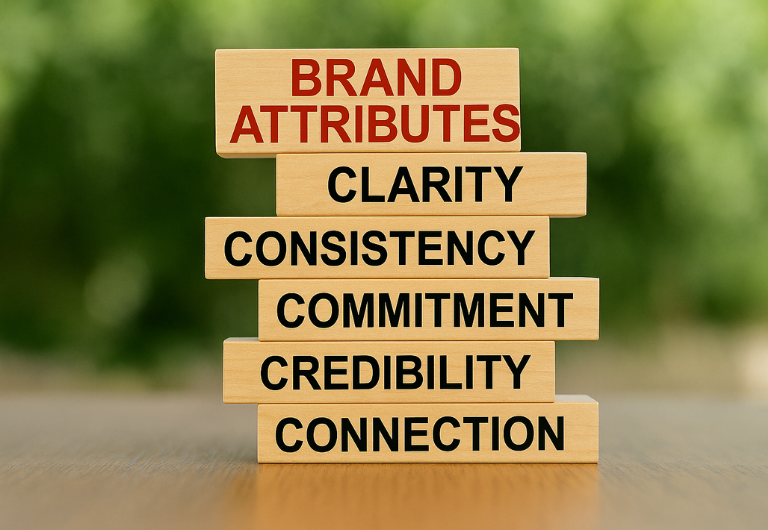
The five core attributes of a brand are clarity, consistency, commitment, credibility, and connection. A strong brand clearly communicates its purpose and values, maintains a consistent identity across all channels, and stays committed to delivering on its promises. Credibility builds trust with audiences, while emotional connection fosters loyalty and long-term relationships. Together, these attributes shape how a brand is perceived and remembered.

Digital Content Executive
Anita holds a Master’s in Engineering and blends analytical skills with digital strategy. With a passion for SEO and content marketing, she helps brands grow organically. Her blogs reflect a unique mix of tech expertise and marketing insight
Email : anita {@} octopusmarketing.agency
Follow : in