
Understanding Brand Sentiment Dynamics: Adapting in Real Time
Introduction: The Power of Brand Sentiment in Modern Business
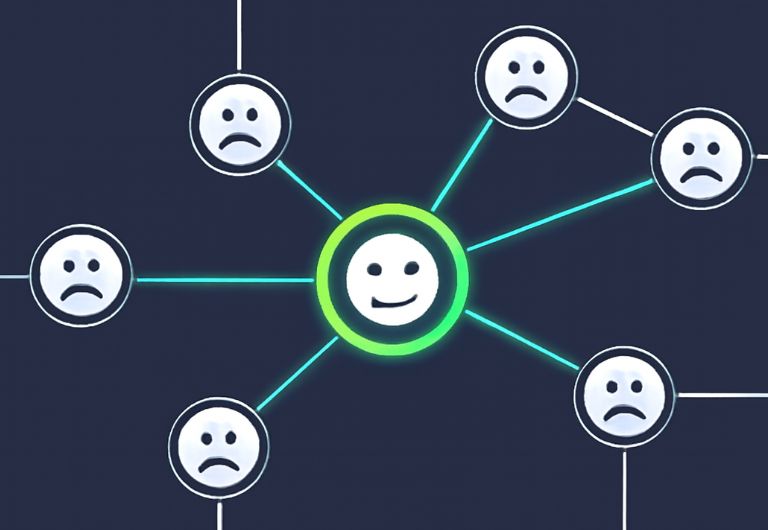
In an era where consumers have the power to influence a brand’s reputation in real-time, understanding brand sentiment is no longer just a luxury—it’s a necessity. Brand sentiment refers to the feelings, opinions, and perceptions that consumers hold toward a brand, shaped by experiences, interactions, and media representation. It plays a pivotal role in how consumers perceive a brand, which directly impacts their purchasing decisions, customer loyalty, and brand advocacy. This sentiment is central to the emotional and psychological branding strategies that help businesses connect with their audience on a deeper, more personal level.
Brands that can effectively monitor and understand their consumers’ sentiment are better positioned to adapt their strategies and stay competitive. In today’s world of online reviews, social media discussions, and instant feedback loops, a brand’s image can be swiftly altered. The ability to gauge, measure, and adjust based on sentiment allows businesses to tap into the emotional triggers that influence consumer behavior, driving engagement and loyalty. Emotional and psychological branding is the process of strategically crafting brand messaging and experiences that resonate deeply with customers’ emotions and subconscious desires, turning them into long-term advocates.
By understanding these dynamics, brands can create marketing strategies that align with consumer emotions, foster stronger connections, and ultimately fuel growth. This article delves into the importance of brand sentiment dynamics, the role of sentiment analysis, and how businesses can use these insights to enhance their engagement with customers, driving both immediate sales and long-term brand loyalty through emotional and psychological connections.
What is Brand Sentiment?
Defining Brand Sentiment
At its core, brand sentiment is the emotional connection that consumers have with a brand. It encompasses the overall attitude and perception that individuals or groups feel toward a brand based on their experiences and associations. This sentiment can be positive, negative, or neutral, and it drives much of consumer behavior.
- Positive Sentiment: This is when consumers view the brand favorably. A positive sentiment indicates trust, satisfaction, and confidence in the brand, often resulting in repeat purchases, brand loyalty, and word-of-mouth promotion.
- Negative Sentiment: Consumers with negative sentiment typically express frustration, disappointment, or mistrust toward the brand. Negative sentiment can be caused by poor product quality, bad customer service, or unethical business practices.
- Neutral Sentiment: This reflects indifference or a lack of strong feelings about the brand. Consumers with neutral sentiment may not have enough information to form a strong opinion or may be in the process of evaluating the brand.
The Psychological Impact of Sentiment on Consumers
Brand sentiment directly influences consumer psychology. When a brand has positive sentiment, it encourages consumers to trust it, which often results in higher conversion rates and long-term loyalty. For example, when consumers feel positively about a brand’s social responsibility or customer service, they are more likely to choose that brand over competitors. Conversely, negative sentiment can drastically reduce brand trust and push consumers away.
Understanding this psychological relationship is crucial for businesses because it enables them to tailor their marketing, customer service, and communication strategies to foster the desired emotional response from their audience. By focusing on improving positive sentiment, brands can enhance their reputation and develop stronger, more lasting relationships with customers.

The Role of Sentiment Analysis in Shaping Brand Strategies
What is Sentiment Analysis?
Sentiment analysis is the process of using advanced data analysis techniques to understand and interpret consumer emotions toward a brand. It involves analyzing consumer-generated content such as social media posts, reviews, surveys, and forum discussions to classify the sentiment associated with a brand. Modern sentiment analysis tools rely on artificial intelligence (AI) and natural language processing (NLP) to break down complex emotions and provide businesses with actionable insights.
How Sentiment Analysis Helps Shape Brand Strategy
Sentiment analysis enables businesses to understand how their customers feel about them across various platforms. This real-time data allows companies to tailor their strategies and make informed decisions. For example:
- Adjusting Marketing Campaigns: If sentiment analysis reveals that a particular marketing campaign is generating negative sentiment, a brand can adjust its messaging, timing, or channel distribution to mitigate any backlash. Conversely, positive sentiment can be amplified by further promoting aspects of the campaign that resonate with consumers.
- Enhancing Product Development: Consumer feedback, often captured in sentiment analysis, can reveal what customers like and dislike about a product. By integrating this feedback into the product development process, businesses can improve their offerings to better meet consumer needs.
- Optimizing Customer Service: Sentiment analysis allows businesses to identify and respond to customer complaints quickly. Negative feedback about customer service or a specific product can be addressed through personalized communication and service adjustments, which can turn a dissatisfied customer into a loyal one.
Real-Time Adjustment for Competitive Advantage
One of the most powerful aspects of sentiment analysis is the ability to monitor sentiment shifts in real-time. In today’s fast-paced digital landscape, where news, reviews, and opinions spread rapidly, being able to quickly adjust your strategies based on sentiment feedback allows businesses to stay agile and responsive. Whether it’s adapting marketing campaigns or improving a product based on immediate feedback, real-time sentiment tracking can provide a strategic edge over competitors who may be slower to react.
Challenges in Brand Sentiment Dynamics
The Role of Language and Context in Sentiment Interpretation
One of the most significant challenges in brand sentiment analysis is the complexity of human language. Sentiment can vary greatly depending on the context in which it is expressed. For instance, a customer might express frustration using informal language, sarcasm, or humor, making it difficult for basic sentiment analysis tools to interpret accurately. Additionally, the same word or phrase can carry different meanings depending on the surrounding context, tone, or even cultural differences.
Sentiment analysis tools must be sophisticated enough to understand these nuances, considering factors such as sentence structure, tone, and even regional slang. For example, words like “fantastic” or “great” could have a different sentiment depending on the overall tone of the sentence. Advanced models that incorporate machine learning and contextual data are better equipped to handle such intricacies, providing more accurate sentiment readings.
Cultural and Linguistic Differences in Sentiment Expression
Brand sentiment can also be influenced by cultural and linguistic factors, which can pose a challenge for global businesses. Different cultures express emotions in various ways, and certain words or phrases might carry different connotations in different languages. A sentiment analysis tool that works well in one market may struggle in another, leading to inaccurate assessments of sentiment.
For example, sarcasm and irony might be more common in certain cultures or regions, while others may rely on more straightforward expressions. Brands operating in diverse markets must ensure that their sentiment analysis tools can adapt to regional linguistic differences to avoid misinterpreting consumer feedback.
Overcoming Bias in Sentiment Analysis
Sentiment analysis algorithms are not immune to biases, and this can sometimes skew results. Bias in sentiment analysis can emerge from the training data used to build the models, leading to inaccurate readings of sentiment for specific demographics or communities. For example, if an algorithm has not been trained on a diverse set of consumer feedback, it might misinterpret the sentiment of certain groups, leading to skewed results.
Brands should strive to ensure their sentiment analysis tools are trained on diverse and representative data sets. This will help the tools more accurately reflect the diverse range of opinions and emotions across different customer groups, improving the overall quality of sentiment analysis.
Leveraging Brand Sentiment for Consumer Engagement
Using Sentiment to Personalize Marketing Campaigns
Sentiment analysis provides invaluable data for personalizing marketing efforts. By understanding how individual customers or groups feel about the brand, businesses can tailor their marketing messages to align with specific emotions or interests. For example, if sentiment analysis shows that a customer feels positively about the brand’s eco-friendly products, personalized emails or offers related to sustainable products can enhance customer engagement.
Personalization doesn’t stop at product recommendations—it extends to the tone, style, and medium used to communicate with customers. For example, a customer who expresses frustration with poor customer service can be sent a personalized message with a heartfelt apology and special incentives to regain their trust.
Real-Time Engagement Based on Consumer Sentiment
Sentiment analysis allows brands to engage with customers in real-time, responding to shifts in sentiment immediately. If a customer expresses dissatisfaction or frustration, brands can step in with a response before the issue escalates. This real-time engagement strengthens the brand-consumer relationship and builds loyalty, as consumers feel heard and valued.
Moreover, real-time sentiment tracking can also inform brand decisions on the fly, allowing businesses to capitalize on positive sentiment or mitigate negative sentiment promptly. For example, if a positive review or social media mention goes viral, the brand can engage with the consumer by amplifying their content or offering them a reward, strengthening their emotional connection with the brand.
Competitor Insights: How Brands Use Sentiment to Stay Ahead
Benchmarking Brand Sentiment Against Competitors
Sentiment analysis offers an excellent opportunity for benchmarking a brand’s reputation against its competitors. By evaluating sentiment scores across various brands in the same industry, businesses can gauge their relative position in the market and identify areas for improvement. Competitor benchmarking helps brands understand where they stand in terms of consumer perception, allowing them to identify strengths they can leverage and weaknesses they need to address.
For example, if a competitor is consistently scoring high on sentiment regarding customer service, but your brand is lagging behind, it’s an indication that this area needs attention. Sentiment analysis enables businesses to measure how their brand compares to others and make informed decisions to improve their standing.
Identifying Sentiment Trends and Emerging Market Opportunities
Competitor sentiment analysis also provides insights into emerging market trends. By monitoring how consumers feel about competitor products, brands can spot new opportunities in the market. If a competitor’s product is gaining positive sentiment for an innovative feature, a brand can analyze this feedback and consider developing a similar or improved offering.
Additionally, sentiment analysis allows brands to identify underserved market segments. For example, if competitors are not adequately addressing the needs of a particular consumer group and sentiment shows dissatisfaction with their offerings, a brand can step in to fulfill this gap and gain a competitive edge.
Case Example: AIM Technologies
How AIM Technologies Leads the Market with Sentiment Analysis
AIM Technologies is a prime example of how leveraging brand sentiment can create a competitive advantage. By continuously analyzing consumer sentiment, AIM Technologies has refined its product offerings, marketing strategies, and customer service approach to better align with consumer expectations. The company uses sentiment data not only to track its brand perception but also to identify areas for innovation and improvement, which keeps it ahead of its competitors in the highly competitive sentiment analysis space.
AIM Technologies’ success is deeply rooted in its ability to understand its audience’s emotional triggers and refine its messaging accordingly. They adapt to shifts in consumer sentiment and use this feedback to drive their decisions in product development and marketing. This ongoing engagement with their audience’s emotions ensures that AIM Technologies stays at the forefront of consumer needs and remains relevant in a constantly evolving market.
Continuous Adaptation Through Sentiment Feedback Loops
AIM Technologies exemplifies the importance of continuous adaptation to sentiment data. Their feedback loops involve analyzing sentiment at every touchpoint of the customer journey, from initial awareness to post-purchase feedback. By using sentiment data at each stage, AIM Technologies ensures that it can rapidly adapt to consumer preferences, fix any emerging issues, and enhance their offerings to exceed customer expectations.
This feedback loop approach has enabled AIM Technologies to maintain its strong market position, proving that continuous sentiment monitoring is key to maintaining a competitive advantage in a fast-paced market environment.
The Impact of Social Media on Brand Sentiment
Social Media as a Sentiment Barometer
In today’s digital age, social media platforms serve as a powerful barometer for brand sentiment. Consumers actively engage with brands on platforms like Twitter, Facebook, Instagram, and TikTok, sharing their opinions, experiences, and emotions. This immediate feedback provides businesses with real-time insights into how their brand is perceived by the public. A positive social media mention can bolster a brand’s reputation, while a viral negative tweet can quickly escalate into a public relations crisis.
The sheer volume of content shared across social media makes it an invaluable resource for sentiment analysis. By monitoring mentions, hashtags, and comments across various platforms, brands can gauge overall sentiment and adjust their messaging or address issues before they snowball. Social media sentiment analysis not only helps brands understand how they are viewed but also reveals the areas where consumers are most passionate, whether positively or negatively.
Sentiment Tracking Through Customer Reviews and Forums
Customer reviews and online forums are an additional treasure trove for sentiment analysis. These platforms often serve as a reflection of a customer’s raw emotions toward a product, service, or overall brand experience. Unlike social media, where sentiment may be more general or reactive, reviews and forums offer more detailed and specific feedback that can reveal key insights.
By analyzing reviews and forum discussions, brands can get a clearer picture of what consumers think about specific products or services. Positive reviews boost brand sentiment and credibility, while negative ones provide critical feedback that could help improve a product. Sentiment analysis tools can aggregate and categorize these reviews, helping brands monitor ongoing customer sentiment and identify any recurring pain points that need addressing.
Navigating the Influence of Influencers
Another key aspect of social media that influences brand sentiment is the role of influencers. Influencers have a significant impact on how brands are perceived, particularly in industries such as fashion, beauty, and technology. Positive reviews or endorsements from trusted influencers can elevate brand sentiment, driving consumer trust and increasing sales.
However, negative sentiment can also be amplified if an influencer criticizes a product or service. Businesses must be mindful of their partnerships and ensure that they are aligning with influencers whose values resonate with their target audience. Influencer sentiment analysis can help businesses identify trends in how their partnerships are influencing overall brand sentiment, allowing them to make informed decisions when selecting brand ambassadors.
User-Generated Content and Its Influence on Sentiment
User-generated content (UGC) is another powerful driver of brand sentiment. Consumers often turn to online platforms to share their personal experiences with a brand, whether it’s posting a product review, creating unboxing videos, or sharing photos of themselves using the product. These authentic forms of content can have a significant impact on public sentiment because they come directly from other consumers, not the brand itself.
Brands that encourage and highlight user-generated content can foster a positive sentiment by building a sense of community and engagement. For example, featuring UGC in marketing materials or on social media can reinforce a positive perception and encourage others to share their experiences. Sentiment analysis tools can track UGC to identify trends, assess its impact on brand perception, and adjust marketing strategies accordingly.
The Role of Brand Sentiment in Crisis Management
Proactive Crisis Management with Sentiment Data
Brand sentiment plays a critical role in crisis management. In times of trouble—such as product recalls, customer service failures, or public controversies—sentiment analysis can serve as an early warning system. By tracking sentiment shifts across social media and customer feedback channels, businesses can detect early signs of a crisis, enabling them to take proactive steps before negative sentiment escalates.
For instance, during a product recall, sentiment analysis can identify the scale of public concern and help the company gauge how the situation is being perceived. A brand that can quickly address issues, issue apologies when necessary, and demonstrate transparency in handling the crisis is more likely to recover from a negative sentiment episode. By staying on top of sentiment trends, brands can react swiftly to mitigate damage and even turn a crisis into an opportunity to build customer trust through effective and genuine communication.
Identifying Emerging Crises Early Using Sentiment Analysis
One of the key benefits of sentiment analysis is its ability to help brands identify emerging crises before they snowball. Through the continuous tracking of sentiment across digital platforms, brands can detect subtle shifts in perception, giving them a window of opportunity to act before negative sentiment spreads too far.
For example, if consumers begin expressing dissatisfaction with a product feature or customer service interaction, brands can respond quickly by addressing the root causes or launching a public statement. Early identification of potential issues helps brands control the narrative, avoid public backlash, and implement corrective actions in a timely manner.
Repairing Brand Sentiment After a Crisis
Once a crisis has passed, the work doesn’t end. Brands must focus on repairing the damage to their sentiment. This requires an ongoing effort to rebuild consumer trust and reaffirm the brand’s values. Brand sentiment analysis helps track progress by providing insights into how well recovery efforts are being received by consumers. Are customers satisfied with the response? Do they believe that the company has learned from the situation?
Brands can repair sentiment by engaging in authentic communication, offering meaningful compensation (such as discounts, apologies, or replacements), and focusing on the long-term improvements made in response to the crisis. By continuously monitoring sentiment, businesses can track the effectiveness of their recovery efforts and make adjustments as necessary to ensure that brand sentiment moves back in a positive direction.
Leveraging Transparency to Build Trust Post-Crisis
Post-crisis, transparency is one of the most effective ways to rebuild consumer trust. When a brand openly communicates the causes of the crisis, what steps were taken to resolve it, and how it will prevent similar issues in the future, it demonstrates accountability. Transparency in times of crisis can be a major factor in restoring positive sentiment.
Sentiment analysis plays a vital role in understanding whether these efforts are genuinely resonating with consumers. Brands can assess if their transparent communication is being received positively and whether it is helping rebuild the trust that may have been lost. By showing they have learned from the crisis, brands can turn the negative sentiment into a foundation for stronger consumer loyalty.
Brand Sentiment and Long-Term Brand Building
Shaping Brand Identity Through Sentiment
Brand sentiment is not just a reactive tool; it also plays a key role in long-term brand building. The overall sentiment toward a brand helps shape its identity and positioning in the marketplace. Businesses can use sentiment data to understand how consumers perceive their core values, personality, and messaging. This allows companies to fine-tune their branding efforts and ensure they align with what consumers truly value.
For example, if sentiment analysis reveals that a significant portion of consumers associates the brand with innovation and cutting-edge technology, the brand can position itself as a leader in its industry and continue to emphasize these qualities in its marketing. On the other hand, if sentiment is skewed toward negative perceptions of the brand’s customer service or quality, the company can focus on improving these areas and rebranding to shift consumer perceptions.
Building an Emotional Connection Through Sentiment Analysis
One of the most valuable insights a brand can gain from sentiment analysis is the ability to build deeper emotional connections with its audience. Consumers are more likely to stay loyal to a brand that resonates with them on an emotional level. Sentiment analysis helps identify the emotions that drive consumer behavior, allowing brands to create experiences and messages that evoke positive feelings.
For instance, if sentiment analysis reveals that customers associate the brand with feelings of trust and reliability, brands can emphasize these qualities in their marketing campaigns, building stronger emotional ties with their audience. By continuously monitoring sentiment, brands can refine their approach to foster a deeper connection and strengthen brand loyalty.
Building a Reputation of Trust and Transparency
A strong, positive brand sentiment is built over time through consistent actions that foster trust and transparency. Brands that are open about their processes, product sourcing, and ethical values build stronger emotional connections with their customers. Sentiment analysis can provide ongoing feedback about the effectiveness of these efforts, revealing whether customers feel the brand is living up to its promises.
For example, brands that champion social responsibility or sustainability may see a surge in positive sentiment if consumers believe their actions are genuine and not just marketing tactics. By consistently aligning their actions with their values and leveraging sentiment data to understand consumer reactions, brands can build long-lasting reputations that drive customer loyalty for years to come.
Conclusion: Mastering Brand Sentiment for Business Success
Brand sentiment dynamics are an indispensable part of understanding how consumers perceive a brand, making it a crucial tool for long-term success. By continuously monitoring, analyzing, and acting on sentiment data, businesses can refine their strategies, engage with their audience more effectively, and navigate potential crises with agility. The ability to adjust in real-time and anticipate consumer emotions positions brands to not only survive but thrive in an increasingly competitive and consumer-driven marketplace.
With sentiment analysis becoming more sophisticated and integrated into brand strategy, businesses that prioritize understanding and leveraging sentiment will be better equipped to build strong relationships with customers, maintain a positive reputation, and drive sustained growth in a rapidly changing world.
FAQ
1. What is brand sentiment?
Brand sentiment refers to the overall feelings, opinions, and attitudes that consumers hold toward a brand. It can be positive, negative, or neutral and is influenced by experiences, interactions, and external perceptions. Understanding brand sentiment helps businesses gauge consumer emotions and shape their marketing strategies accordingly.
2. How is sentiment analysis performed?
Sentiment analysis is conducted using tools that evaluate consumer feedback across various platforms such as social media, reviews, and surveys. These tools use natural language processing (NLP) and AI algorithms to classify text as positive, negative, or neutral, providing businesses with actionable insights on consumer perceptions.
3. Why is emotional branding important for businesses?
Emotional branding is crucial because it helps build a deeper, lasting connection between consumers and brands. By appealing to emotions, brands can foster customer loyalty, increase engagement, and drive positive word-of-mouth. This connection often leads to higher customer retention and advocacy, which are essential for long-term success.
4. How does brand sentiment affect consumer purchasing decisions?
Brand sentiment directly impacts purchasing decisions by influencing how consumers feel about a brand. Positive sentiment increases trust and drives purchases, while negative sentiment can deter customers from buying. Brands with strong positive sentiment often see higher conversion rates and better customer retention.
5. What challenges are faced in measuring brand sentiment?
Measuring brand sentiment can be challenging due to factors like sarcasm, mixed emotions, and language nuances. Sentiment analysis tools may struggle with interpreting context and tone accurately, especially in diverse cultural or linguistic settings. To overcome this, businesses need advanced tools that account for these complexities.