
The Brand Evolution Curve: Adapting in a Fast-Changing World
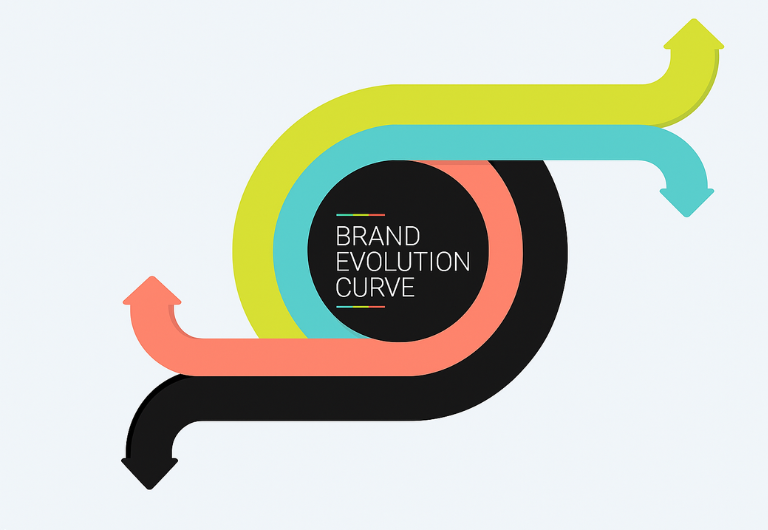
Introduction: Understanding the Need for Brand Evolution
In today’s fast-changing world, your brand can’t just be a logo or a set of static guidelines tucked away in a PDF. It’s something much more dynamic—a living, breathing part of your business that’s constantly in conversation with culture, technology, and people’s evolving expectations. The brands that thrive now aren’t the ones that stick rigidly to tradition. They’re the ones that know how to grow—strategically, intentionally, and without losing their soul.
Brand evolution doesn’t mean starting from scratch or throwing away everything you’ve built. It’s about refining how your brand shows up in the world—updating your identity, message, values, and even your tone—to stay in step with your audience. It’s about honoring your roots while staying open to new ways of expressing them.
Today’s consumers, especially Millennials and Gen Z, are watching closely. They care deeply about whether brands are real, socially aware, and in tune with the world around them. If your brand feels frozen in time, it risks being seen as disconnected—or worse, irrelevant. Evolution isn’t a nice-to-have anymore; it’s a survival strategy. Whether you’re an emerging startup trying to find your voice or a legacy brand working to stay top-of-mind, evolving your brand keeps you relevant, resonant, and real.
And let’s be clear: this isn’t just about updating your color palette or redesigning your logo. It’s a deeper shift. True brand evolution touches everything—from how you define your purpose and position in the market to how you interact with customers online and in real life. Brands that ignore this risk falling behind. Or fading out.
This guide is here to walk you through the what, why, and how of brand evolution. We’ll break down the key principles, share real-world examples, and give you practical tools to assess your brand and lead meaningful change. Because in a world where everything’s always moving, your brand needs to move too—or risk being left behind.
Why Brands Must Evolve or Risk Obsolescence
In today’s hyperconnected, fast-evolving world, brand loyalty isn’t what it used to be. Let’s face it—people expect more now. A lot more. Static logos and slogans won’t cut it when audiences are bombarded with fresh ideas, bold voices, and constant change. Consumers want brands that feel alive—tuned in, responsive, and authentic.
Think about it: social media moves at lightning speed. One moment a trend is hot, the next it’s history. In fashion, for example, legacy houses used to rule the runway. Now? A TikTok creator can launch a microtrend that redefines the season before it even starts. If a brand can’t keep up, it gets left behind. And this shift isn’t just shaking up retail—B2B companies are seeing it too. Buyers are choosing brands that reflect innovation, agility, and a sense of forward motion. Staying still just isn’t an option.
We’re living in what many call the “Era of Expectations.” Customers want to see their values mirrored back at them. They care about sustainability, diversity, equity, ethics—and they expect the brands they support to care too. According to the 2024 Edelman Trust Barometer, nearly two-thirds of consumers will choose, switch, or boycott a brand based on its social stance. That’s not a stat—it’s a wake-up call. A brand clinging to the past can come across as out-of-touch, even offensive, in today’s climate.
But here’s the good news: evolving doesn’t mean losing who you are. When done right, it’s about leaning into your essence while letting go of what no longer serves. Apple didn’t stop being Apple when it embraced sleek, intuitive tech—it became a symbol of human-centered design. Burberry didn’t throw out its heritage to reach Gen Z—it reimagined it with streetwear influences and digital flair. These brands didn’t dilute their identity; they deepened it.
Crucially, evolution isn’t about jumping on every bandwagon. It’s about being deeply aware of where the world is headed—and aligning your core values with that future. It’s choosing growth over nostalgia. Staying consistent doesn’t mean staying static. It means holding onto your mission while staying flexible enough to grow with your audience.
At the end of the day, it’s simple: brands that evolve stay relevant. Brands that don’t? They fade. In a world that doesn’t stop changing, your brand’s willingness to adapt is what keeps it alive.
The Difference Between Brand Evolution and Rebranding
Let’s clear something up: brand evolution and rebranding aren’t the same thing—even though people often treat them like interchangeable buzzwords. They may live in the same neighborhood, but they take very different paths. Brand evolution is more like growth—it’s subtle, intentional, and happens over time. It’s how a brand stays in sync with a changing world while still feeling like itself. It’s about honoring your core identity while adjusting how it shows up to stay fresh and relevant.
Rebranding, on the other hand, is more like starting over. It’s a dramatic move, often triggered by big events like mergers, reputational setbacks, or entering new markets. It can involve everything from renaming the company to rethinking the entire visual and verbal identity. While evolution whispers, rebranding shouts. And sometimes, that shout is necessary—but it’s a much riskier move.
A great example of brand evolution in action? Instagram. It started out as a vintage-style photo app with that now-nostalgic brown camera icon. Over time, as the platform shifted toward videos, Stories, and Reels, its branding shifted too—introducing a sleek, modern gradient logo and a broader content vibe. The transformation felt natural. Users didn’t feel lost or confused; they felt like they were growing alongside the platform.
Now contrast that with Tropicana’s 2009 rebrand. They ditched their iconic orange-with-a-straw packaging—something that had quietly built decades of trust. The result? Shoppers didn’t even recognize the product on shelves. Sales plummeted, and the company quickly reverted to the old look. The lesson? Change without context or empathy can alienate loyal customers.
Here’s the bottom line: brand evolution is a conversation with your audience; rebranding is a declaration. Both approaches have their place, but evolution tends to preserve trust while refreshing relevance. Done thoughtfully, it lets your audience move forward with you—instead of wondering if you’ve left them behind.
Strategic Drivers of Brand Evolution
Understanding why brands evolve helps you know when you should. The world doesn’t pause, and neither should your brand. Let’s look at three of the biggest forces that make evolution not just smart—but essential.
1. Shifting Consumer Values
Today’s consumers are tuning into brands with more than just their wallets—they’re looking for values that resonate with their own. Especially among Millennials and Gen Z, there’s a deep desire for authenticity, ethics, and purpose. These generations want to support companies that stand for something—whether it’s sustainability, mental wellness, social equity, or transparency.
A McKinsey study in 2022 found that a staggering 82% of Gen Z shoppers consider a brand’s values before buying. That’s not a niche preference—it’s a mainstream expectation. Take Ben & Jerry’s as a case in point. Their bold stance on climate change, racial justice, and fair trade has become an extension of their brand—not a departure from their playful, indulgent personality. It’s evolution with heart, not just optics.
2. Technological Advancements
Let’s be real—technology isn’t just changing how we do business, it’s reshaping what customers expect from us. From AI-driven personalization to immersive retail experiences, tech is creating new benchmarks every day. Brands that don’t evolve alongside these shifts risk being perceived as slow, outdated, or irrelevant.
Just look at Netflix. It didn’t just pivot—it evolved. What began as a DVD-by-mail company became a global entertainment powerhouse by embracing streaming and then producing its own content. That shift didn’t happen overnight, but it was purposeful. Netflix anticipated consumer needs and let its brand grow to match the moment.
Even traditional industries aren’t immune. Digital-first banks like Monzo and Revolut built their entire brands around what tech enables—real-time updates, fee transparency, and seamless interfaces. They didn’t tack technology onto an old model—they made it central to who they are.
3. Market Dynamics
Today’s market is a rollercoaster—economic shifts, global events, and industry disruptors are constantly shaking things up. At the same time, digital platforms have lowered barriers to entry, meaning new players can move fast and outmaneuver legacy brands if they’re not paying attention.
Just ask Kodak. It invented the digital camera but stuck too closely to its traditional business model—and lost out to faster, more adaptable competitors. Compare that to Microsoft’s transformation under Satya Nadella. By refocusing on cloud services and collaboration tools, and opening up its once-closed platforms, it redefined how people perceived and used the brand.
Sometimes, the push to evolve comes from within—a new leadership team, an acquisition, or a bold new direction. Whatever the trigger, the strongest brands recognize these inflection points and act on them. Not out of fear, but out of vision.
Key Elements of a Successful Brand Evolution
Evolving your brand isn’t about chasing what’s trendy or giving things a quick coat of paint. It’s a deeper, more intentional process—a strategic shift that touches every part of the organization, from your visuals to your values, and everything in between. The brands that get this right don’t treat evolution as a marketing project; they treat it as a whole-business transformation. And typically, they do it by anchoring in five key elements: knowing their audience inside and out, refining their message, evolving their visuals with care, handling naming with precision, and staying authentic every step of the way.
Deep Audience Understanding
Everything starts with understanding your people. Not just who they are, but what they believe in, how they behave, what keeps them up at night, and what they want from the brands they support. We’ve moved far beyond surface-level demographics—today’s smart brands dig deep, using tools like behavioral analytics, sentiment tracking, and value-based personas to truly connect.
Nike’s recent evolution is a prime example. Its growing focus on inclusivity and social justice wasn’t a marketing gimmick—it was a response to clear signals from its base, especially younger, socially conscious consumers. The lesson? Before you make any moves, listen first. Let your audience guide the direction of your evolution—not your assumptions.
Consistent Yet Adaptable Messaging
Your messaging is your brand’s heartbeat—it keeps everything flowing and connected. But in a world that shifts daily, messaging needs to be flexible. That doesn’t mean changing your voice every five minutes. It means having a strong, steady tone and value set, but being nimble in how you express them.
Think of it like music: the melody stays the same, but the instruments change with the times. Patagonia nails this—its message around environmental activism hasn’t wavered, but how it tells that story has evolved through new platforms, formats, and customer-facing tools. The result? A message that always feels relevant, grounded, and real.
Cohesive Visual Identity
We all know first impressions matter—and your visuals are often the first (and sometimes only) chance you get to make one. When evolving your brand, a visual refresh should feel like a natural progression, not a complete departure. The goal? Fresh but familiar.
Think Burberry. Its recent visual update embraced a cleaner, more modern font, signaling a new chapter without losing its sense of heritage. A strong visual evolution honors your past while opening doors to the future. And it should be built with today’s platforms in mind—social media, mobile screens, immersive content. That means flexibility is key. Your brand needs to look just as sharp in an Instagram icon as it does on a billboard or an app interface.
Authenticity Over Performance
People can spot a fake from a mile away. And in an era where every campaign is dissected in real time online, authenticity isn’t a buzzword—it’s a requirement. Brands that evolve just to ride the latest wave, without doing the inner work, quickly get called out.
True brand evolution should reflect who you really are. It’s about asking the hard questions: What do we believe in? What do we stand for? What kind of culture are we building inside? Because if those answers are fuzzy or out of sync, even the most beautiful rebrand will feel hollow.
Brands like Dove and Warby Parker have built trust not by saying the right things, but by backing their words with action—from inclusive marketing to transparent business practices. They’ve shown that when evolution comes from a place of truth, it doesn’t just look good—it feels good to your audience too.
Naming: What to Consider When Evolving Your Brand
Renaming a brand is no small feat—it’s one of the most emotionally charged and high-stakes moves you can make. A name holds memories, stories, recognition, SEO value, and legal weight. Change it the wrong way, and you risk confusing your audience or losing the equity you’ve worked hard to build. But when done right, a name change can signal renewed focus, modern relevance, and growth.
So, how do you know if your new name will work? Here are six essentials every new name should check off:
- Memorability – Can people easily remember it? If not, they won’t talk about it.
- Pronounceability – If they can’t say it, they won’t share it. Period.
- Relevance – Does it connect to your mission or category in a meaningful way?
- Uniqueness – Does it stand out, or does it sound like everyone else?
- Availability – Can you get the domain and socials? If not, that’s a red flag.
- Legal Safety – Always, always clear it with legal. Trademark issues are expensive mistakes.
Dunkin’ is a standout example. By dropping “Donuts,” they kept what people loved while broadening their appeal—and future-proofing their brand. It wasn’t just about coffee; it was about creating a lifestyle brand for the on-the-go consumer. The shift worked because it was rooted in strategy, not vanity.
Customer Feedback: The Pillar of Direction
At the heart of any brand evolution should be one simple but powerful idea: ask your people. Feedback is gold—and it’s everywhere. Whether through surveys, online reviews, social comments, or unfiltered Reddit threads, your audience is constantly telling you what they love, what they don’t, and what they wish you’d do next.
But here’s the key: you have to listen with humility. Not all feedback will be flattering, but often, the harshest critics contain the most valuable insights. LEGO’s turnaround is a masterclass in this. After almost losing relevance, they got back on track by hearing out fans, parents, and collectors—and then acting on what they heard. That kind of customer-led evolution doesn’t just fix problems—it rebuilds loyalty.
Brands that evolve in isolation often miss the mark. But the ones that involve their audience—treating them like collaborators, not spectators—tend to get it right. Because in the end, brand evolution isn’t something you do to your audience. It’s something you do with them.
Best Practices for Gathering Feedback
In the world of brand evolution, feedback isn’t a formality—it’s your North Star. Yet too often, brands rely on gut feelings or internal assumptions, skipping the vital step of asking real people what they actually think. The most effective brand evolutions are the ones shaped by clear, continuous feedback loops—before, during, and after the shift.
A/B testing is one of the most powerful tools at your disposal, especially when you’re working on visual assets like logos, taglines, or layouts. It’s not just about picking “what looks better”—it’s about uncovering what feels right to your audience. The emotional responses you gather here can reveal subtle but powerful insights that no internal brainstorming session ever could.
Surveys and polls are another goldmine—especially when you go beyond yes-or-no questions. Open-ended responses tell you why someone feels a certain way, and that’s where the richest insights live. Don’t just ask, “Do you like this?” Ask, “What does this make you feel?” or “What would you change?” That’s how you uncover the misalignments you didn’t see coming.
Then there’s sentiment analysis—a secret weapon in the digital age. Tools like Brandwatch and Sprinklr comb through social media, forums, and reviews to give you a pulse on public opinion in real time. Especially post-launch, these platforms can help you catch issues (or wins!) while they’re still fresh and actionable.
Brand recall testing is often overlooked but hugely valuable. It answers questions like: Do people actually remember your brand? Can they describe what it stands for? If the new branding looks sharp but doesn’t stick—or worse, gets confused with someone else—it’s not working. Memory matters.
All of these tools create a feedback ecosystem that helps you evolve with confidence instead of guesswork. And if you need a reminder of what happens when you skip this step, just look at Tropicana’s 2009 redesign. Despite polished design work, they lost $30 million in two months because they failed to check in with the people who mattered most: their customers.
Common Pitfalls in Brand Evolution
Even the best-intentioned brands can stumble when they underestimate how complex evolution really is. It’s not just a design project—it’s a full-blown shift in identity. And when done without care, it can backfire. Here are some common traps to avoid:
1. Changing Without a Clear Strategy:
Sometimes brands evolve just to feel “fresh” or because they’re bored with their look. But change without a purpose almost always leads to confusion. Customers want to know: Why did this change? What does it mean for me? If those questions aren’t answered clearly, evolution falls flat.
2. Forgetting Your Loyal Base:
In chasing new audiences, some brands forget the people who got them to where they are. If evolution feels like a betrayal to your core customers, you risk losing your foundation. Coca-Cola’s “New Coke” fiasco is a classic example—they underestimated the emotional loyalty customers had to the original product.
3. Focusing Only on the Visuals:
A sleek new logo or fresh color palette can make a splash—but if the story, tone, and experience don’t evolve with it, it’s just a surface change. Real brand evolution involves a deeper narrative shift that connects visuals with meaning.
4. Failing to Communicate the Why:
Your team might understand the strategy behind the change, but your audience doesn’t get the internal memo. If you don’t clearly and consistently explain what’s changing and why, people will either miss the point or resist the shift altogether. Communication is everything.
5. Underestimating the Cost and Scope:
Brand evolution touches every corner of your business—signage, packaging, sales decks, customer service scripts, even email signatures. If you don’t plan for the full scale of the transformation, things start to feel inconsistent. And inconsistency erodes trust.
Avoiding these pitfalls requires something deeper than creative flair. It takes planning, empathy, and a shared belief that your brand isn’t just changing how it looks—it’s evolving how it connects.
Public Sentiment: Case Studies That Teach
Looking at how other brands have navigated evolution can be both inspiring and educational. Let’s dive into a few stories that show what to do—and what to avoid.
Tropicana: When Familiarity Is Lost
Tropicana’s 2009 redesign aimed to modernize its packaging by removing the iconic orange with a straw. The problem? That orange was more than just a logo—it was a comfort, a signal of trust. Without it, customers felt disconnected and confused. Sales tanked by $30 million in just two months. The lesson? Don’t underestimate emotional attachment, and never change without involving your audience.
Old Spice: Turning the Brand Around
Old Spice could’ve quietly faded into irrelevance. Instead, it leaned into humor and irony, turning its dated image into a cultural moment. The now-iconic “The Man Your Man Could Smell Like” campaign didn’t just entertain—it reframed what Old Spice stood for in a way that resonated with a younger, savvier crowd. That’s the power of evolution through storytelling, not just aesthetics.
Burberry: Modern Luxury Reimagined
Burberry once struggled with outdated perceptions and counterfeit challenges. But rather than scrapping its heritage, it reimagined it. Through high-profile collaborations, social media innovation, and runway relevance, Burberry became cool again—without losing its trench coat soul. It’s a masterclass in evolving forward without letting go of the past.
Internal Alignment: The Hidden X-Factor
Here’s something often overlooked in brand evolution: your employees are your brand’s most powerful storytellers. If they’re not on board with the new vision, the customer experience will suffer—no matter how great the branding looks on the surface.
To get everyone rowing in the same direction, internal alignment has to start early. This isn’t just about sending out a rebrand email. It’s about creating spaces for people to ask questions, give input, and genuinely feel part of the change.
Here’s how to make it happen:
- Host team workshops to explore the new identity together. Let employees hear the “why” behind the change and connect it to their own roles.
- Give them tools—clear brand guidelines, tone-of-voice docs, templates they can actually use.
- Celebrate the champions—recognize team members who live the brand in their work. This turns values into actions and builds pride from the inside out.
When your team feels ownership over the evolution, they don’t just talk about the brand—they embody it. And when that happens, customers notice. They feel the difference in every interaction. That’s how brand evolution becomes more than a change—it becomes a movement.
Communicating the Change
Even the smartest, most well-executed brand evolution can fall flat if you don’t bring your audience along for the ride. In today’s open, hyper-aware culture, people don’t just want to see a new logo or updated tone—they want to understand the why behind it. Clear, authentic communication isn’t optional. It’s the bridge between change and acceptance, between confusion and connection.
One of the most effective ways to do this? Speak from the heart. A message straight from the founder or CEO—whether it’s a heartfelt letter, a video, or a social post—makes the evolution feel intentional, not performative. Brands like Mailchimp and Dropbox nailed this approach, using leadership voices to walk users through their journey and let them in on the “why now” behind the change.
Side-by-side visuals can also make a big impact. People are visual learners, and showing a simple before-and-after helps them process the evolution as a story, not a shock. Done right, it creates a sense of progression—not disruption.
Consistency is everything here. Every touchpoint—emails, social media, in-store signs, blog posts—needs to carry the same message, tone, and sense of purpose. And the most beloved brands take it a step further by involving their most loyal customers. Sneak previews, beta access, or behind-the-scenes content doesn’t just make your fans feel special—it turns them into advocates who carry your new brand forward with pride.
At its core, communicating change is about more than just information. It’s about creating a conversation rooted in trust, empathy, and shared purpose.
The Role of Brand Evolution in Product Lifecycle Management
We often think of brand evolution as a marketing move—but it plays a huge role in how products live, grow, and stay relevant. As your product lineup matures, your brand has to evolve with it. Otherwise, you risk sending mixed signals that confuse your audience or weaken your position in the market.
Imagine a cutting-edge tech company launching AI-powered tools while its branding still screams 2009. That disconnect doesn’t just look outdated—it feels outdated. When Slack started catering to enterprise clients rather than just startups, it didn’t just update its features—it evolved its tone, design, and overall story to speak to a more complex, professional audience.
This isn’t just about keeping up appearances. It’s about creating a brand narrative that evolves in tandem with innovation. Tesla’s journey from electric car startup to a broader energy and tech brand is a perfect example. As the product line expanded into solar roofs, batteries, and AI systems, the brand message evolved to connect all those dots in a cohesive, forward-looking way.
That said, there’s a fine line between evolution and overreach. Stretch your brand too far without structure, and things start to unravel. That’s where clear sub-branding, naming conventions, and storytelling frameworks come in—they help your brand grow without losing its soul.
When your product and brand evolve together, something powerful happens: your customers understand not just what’s new—but why it matters.
Leveraging Data for Smarter Brand Evolution
Branding may be emotional at its core, but in today’s world, data is what gives emotion direction. No more guesswork or gut-only decisions—modern brand evolution is driven by real insights that help you understand not just what your audience says, but how they feel and behave.
Heatmaps and click tracking can show you how people interact with your site or app after a brand update. Are they finding what they need faster? Or are they getting lost in the new layout? This kind of real-time feedback is priceless when you’re rolling out a refresh.
Then there’s cohort analysis—a way to break down reactions by age, region, values, or habits. Maybe your new branding resonates with Gen Z but leaves Gen X cold. That’s not a failure—it’s an insight that helps you fine-tune your message for different groups without losing cohesion.
And let’s not forget NPS (Net Promoter Score). Tracking this before and after a brand evolution gives you a simple but powerful way to see how loyalty is shifting. Pair that with social listening, and you’re not just hearing feedback—you’re feeling the pulse of your audience in real time.
What all of this adds up to is confidence. With the right data, you’re not evolving blindly—you’re evolving with clarity, purpose, and proof. It turns branding into a smarter, sharper process—one that adapts as fast as your audience does.
Final Insight: Brand Evolution Is a Journey, Not a Destination
Here’s the truth no one tells you: there’s no final version of your brand. The best ones aren’t carved in stone—they’re designed to move, adapt, and grow. Not in a knee-jerk way, but with intention. Not because they have to, but because they choose to stay close to the world and the people they serve.
In today’s fast-paced, ever-shifting environment, relevance isn’t a status you earn once—it’s something you earn every day. The brands that lead aren’t waiting for change to knock—they’re watching, listening, learning, and iterating. They build systems to stay flexible. They treat feedback as fuel. They move early, not after it’s too late.
And perhaps most importantly—they evolve without losing themselves. They know what they stand for, and they evolve not to become something new, but to stay true in new ways. Brand evolution, at its best, helps a company stay human in a digital age, connected in a fragmented world, and memorable in a crowded one.
So when you think about your next move, don’t ask, “What should we change?” Ask, “How do we stay true—while staying relevant?” Because the brands that ask that question aren’t just keeping up. They’re defining what’s next.
FAQ
What are the key components of brand evolution?
Brand evolution involves refining your brand identity, messaging, visual language, and customer experience to align with market trends and audience needs. It includes maintaining core values while enhancing relevance. The goal is to deepen brand resonance without losing recognition. This ensures long-term differentiation and competitiveness.
What are the risks of brand evolution?
The biggest risk is alienating existing customers if changes are too drastic or misaligned with brand heritage. It may also lead to confused messaging, diluted identity, or loss of brand equity. Poor timing or execution can damage trust and reputation. To mitigate risks, brands must evolve with strategic clarity and audience insight.
What are the steps in the brand evolution process?
The process begins with a brand audit, followed by insights gathering from market, customers, and competitors. Then comes strategic repositioning, creative redevelopment of brand assets, and internal alignment. Finally, a phased rollout and monitoring ensures consistency and feedback-based refinement.
What is the purpose of a brand evolution?
Brand evolution helps a company stay culturally relevant, appeal to new generations, and respond to shifting market dynamics. It enables better alignment with evolving values, technologies, and customer expectations. The purpose is not to change the brand completely but to adapt while preserving its essence.
How can a brand evolve successfully?
Successful evolution requires deep audience understanding, a clear brand strategy, and consistency across all touchpoints. Involving internal teams builds advocacy, while gradual rollout reduces shock. Testing concepts before launch and aligning changes with long-term goals ensures meaningful transformation without disconnection.
What are the key elements of brand evolution?
Core elements include visual identity refresh, brand messaging realignment, tone of voice updates, and improved digital experiences. Maintaining brand equity while modernizing assets is crucial. Data-driven storytelling, purpose integration, and agile adaptation to trends also play a vital role in sustained brand growth.
What is the difference between brand evolution and rebranding?
Brand evolution is a gradual refinement of your existing brand, preserving its essence while enhancing relevance. Rebranding is a more radical overhaul, often involving a complete name, logo, or positioning change. Evolution retains continuity; rebranding usually signals a major strategic shift or rebirth.