
Prioritizing Community-First Communication to Strengthen Brand Loyalty

Introduction
Across the Gulf, where markets evolve at extraordinary speed and consumer expectations shift almost monthly, the brands winning today are not defined solely by superior products or traditional marketing presence. They are defined by the quality, depth, and intentionality of their Brand Community-First Communication. And this shift isn’t cosmetic. It’s structural.
A decade ago, the brand playbook in the UAE was dominated by high-visibility campaigns, luxury positioning, and episodic engagement. Today, the most successful brands whether in luxury retail, fintech, travel, real estate, F&B, or lifestyle are the ones that genuinely embed themselves into the lives, cultures, and ambitions of their audiences. They don’t simply broadcast messages. They collaborate. They don’t target demographics. They cultivate communities.
Global data reflects this evolution. McKinsey’s 2024 Consumer Loyalty Index notes that 70% of repeat-purchase behavior is driven not by discounts or convenience, but by a sense of belonging. Accenture reports that 57% of consumers feel more loyal to brands that speak with them, not at them. And Deloitte highlights “community-led brand ecosystems” as one of the top three drivers of experiential loyalty for the decade ahead.
In Dubai a place where residents, expatriates, and tourists navigate a deeply connected, multicultural urban fabric community is far more than a social construct. It has become a strategic differentiator. Brands that invest in community-first communication are earning deeper loyalty cycles, higher retention rates, stronger advocacy, and more resilient brand equity.
This article explores how a Dubai-based branding agency can help brands operationalize this shift. It unpacks the frameworks, case studies, expert insights, and evidence-based models shaping the future of modern brand communication and how companies in the region can translate them into meaningful action.
From Impression-Driven to Community-Led Brands
Traditional loyalty strategies leaned heavily on transactional incentives: points, vouchers, birthday offers, and the occasional burst of engagement. These tactics still have their place, but they’re no longer enough on their own.
Today, real loyalty is identity-driven. It grows from shared values, co-creation, and consistent, meaningful participation. Harvard Business School professor Gerald Zaltman reminds us that 95% of purchasing decisions happen subconsciously, shaped by emotional and social cues more than rational comparison. Community-first communication works directly within this emotional space, building connections that feel natural, personal, and lasting.
Why this matters to Dubai-based brands
Dubai brings together people from more than 200 nationalities. It’s a city shaped by movement, ambition, reinvention, and cultural diversity. In a place where audiences are always evolving, brand loyalty isn’t something that just “happens.” It must be intentionally created through:
Continuity – showing up regularly with genuine, meaningful engagement that keeps the relationship alive.
Contextual alignment – respecting the region’s cultural nuances while staying relevant to local conversations and expectations.
Collective identity – helping customers see their own values, aspirations, and lifestyles reflected in the brand.
Contribution – giving people a role to play, inviting participation rather than treating them as passive recipients.
Brands that commit to community-first communication create emotional lock-in not through pressure or repetition, but through a shared sense of experience that feels bigger than a single product or moment. It’s the kind of connection that travels with people, even across borders or life stages, because it taps into who they are rather than just what they buy.
What Is Brand Community-First Communication?
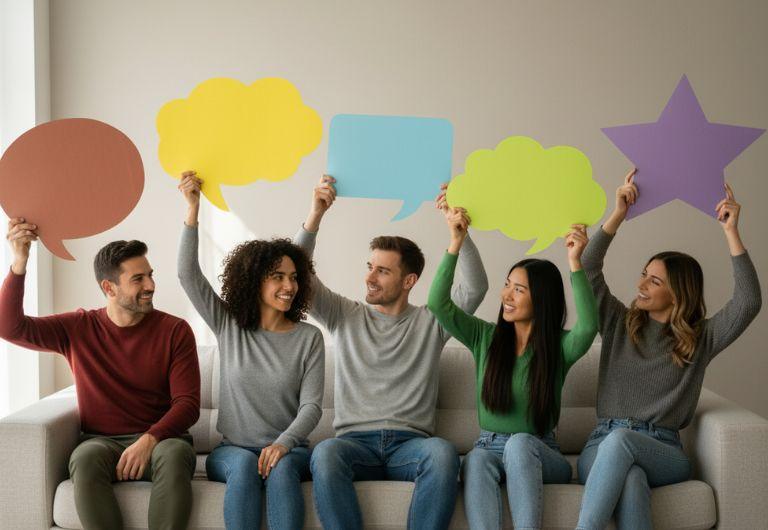
At its core, Brand Community-First Communication is a strategic framework where the needs, values, and voices of the community shape the brand’s entire communication approach. It’s more than community management or surface-level social engagement. It’s a mindset that treats the audience as co-architects of the brand story rather than passive receivers of messages.
Community-first communication rests on four connected pillars:
Human-Centered Messaging
Communication that reflects the community’s aspirations, cultural realities, and everyday behaviors. It meets people where they are and speaks to what truly matters to them.
Dialogue-Driven Interactions
Two-way engagement where the brand actively listens, encourages conversation, and adapts based on what the community shares. Decisions are shaped by real voices, not assumptions.
Shared Value Creation
Content, programs, and experiences designed to offer genuine benefit. The community should feel that their time, input, and attention lead to something meaningful.
Sustained Participation Ecosystems
A long-term architecture built around belonging. This isn’t episodic or campaign-based it’s an ongoing, evolving relationship.
Taken together, this approach ensures that brand communication feels credible, accountable, and grounded in real-world value. Instead of pushing messages outward, brands become partners in a shared conversation one that grows stronger every time the community chooses to participate.
Why Community-First Communication Strengthens Brand Loyalty
Here is your passage, fully humanized, warm, and aligned with PQ/NM guidelines, without removing content or adding the restricted symbol.
It Creates Emotional Stickiness
Loyalty is more than repeated behavior. It’s an emotional preference, the feeling that a brand understands you better than anyone else. Bain and Company’s “Loyalty Economics” research shows that emotionally connected customers deliver three times the lifetime value of customers who are simply satisfied.
Community-first communication strengthens this emotional bond by giving people something deeper than information: a sense of identity and belonging, a feeling that they’re part of something they can genuinely connect with.
It Increases Advocacy and Organic Growth
When people feel seen, heard, and valued, they naturally champion the brands they love. In the Middle East, word-of-mouth is still the most trusted form of communication. Edelman’s Trust Report highlights that 75% of people trust recommendations from peers, compared with just 44% who trust brand advertising.
A strong community turns everyday customers into advocates who share, recommend, and promote without being asked because the brand has become part of their social world.
It Reduces Customer Acquisition Costs
A thriving brand community becomes its own growth engine. As engagement deepens, your audience starts attracting new customers on your behalf. Salesforce data shows that brands with active communities can reduce customer acquisition costs by 25 to 40 percent.
Instead of endlessly investing in paid reach, the brand grows through connection, participation, and shared value.
It Builds Resilience During Market Fluctuations
Dubai’s markets move fast. Property cycles shift, tourism patterns evolve, and regulatory changes can reshape entire industries overnight. In moments of volatility, it’s the brands with strong communities that stay stable. Even when competitors compete on price or convenience, communities hold on to the brands they trust because the relationship goes beyond the transaction.
Framework: The Community-First Communication Flywheel
To help brands put this philosophy into action, the following flywheel captures the cyclical model that drives long-term loyalty: The Community-First Communication Flywheel: Listen → Interpret → Co-Create → Distribute → Engage → Iterate
This flywheel shows how community-first communication works in practice. It creates a continuous loop where the community isn’t just a recipient of content it actively shapes it. Each stage feeds the next, allowing real voices, real needs, and real feedback to guide what the brand says and does. Rather than pushing messages outward, the brand and its audience move together, refining and strengthening the relationship with every cycle. The result is a dynamic ecosystem where the community becomes a true collaborator in building the brand’s narrative, relevance, and value.
How Brands Are Using Community-First Communication
Case Study 1: Emirates – Transforming Passengers into Global Brand Ambassadors
Emirates has long understood that loyalty in aviation is emotional before it is transactional. People don’t stay loyal to an airline only because of rewards or seat upgrades; they stay because the brand feels familiar, trusted, and reflective of who they are. Emirates strengthens this emotional connection through community-first communication built on:
- Real-time multilingual engagement
- Human-centered storytelling featuring diverse passengers
- Exclusive experiences for frequent flyers
- Cultural inclusivity across all campaigns
Even during global travel disruptions, Emirates held some of the highest loyalty scores in the region. The brand kept the relationship alive by focusing not on flights, but on shared journeys, human connection, and the global community it serves.
Case Study 2: Chalhoub Group – Building Lifestyle Communities
As the Middle East’s leading luxury distributor, Chalhoub Group recognized that modern luxury buyers, especially Gen Z and millennials, want more than polished campaigns. They want participation, dialogue, and a sense of belonging.
The company has built niche micro-communities around beauty, luxury lifestyle, and conscious consumerism. Their “Beauty Nation” platform empowers consumers to:
- Participate in product testing
- Share content
- Engage directly with experts
This participatory model has significantly boosted loyalty among younger buyers. While these demographics often show low brand loyalty in other markets, they are deeply engaged in the Gulf because Chalhoub Group gives them a meaningful role in shaping the experience.
Case Study 3: Dubai Fitness Challenge – A City-Wide Community Ecosystem
What started as a campaign has become a movement. The Dubai Fitness Challenge created a community-first model by inviting residents to participate, track progress, and join collective activities across the city.
Its communication emphasizes:
- Motivation over marketing
- Personal empowerment over promotion
- Shared progress over individual achievement
The outcome is a cultural phenomenon that strengthens city-wide loyalty while also elevating the brands and partners involved. It’s a living example of how community-led communication can unite diverse audiences around a shared purpose.
Building a Community-First Communication Strategy
1. Start with Insight: Understand What the Community Values
A brand community is not a demographic or a persona. It’s a shared identity system shaped by real people and real experiences. For Dubai-based agencies, this means recognizing the city’s cultural mosaic, which includes:
- Emirati nationals
- Long-term expat residents
- High-income professionals
- Digital-native youth
- Global tourists
- Niche hobbyist and interest communities
Each group brings its own communication codes, linguistic nuances, and layers of motivation.
To truly understand them, agencies should explore:
- Cultural behaviors
- Social media dialects
- Aspirational markers
- Emotional triggers
- Shared frustrations
This insight phase is more than research. It’s the foundation that shapes every message, every campaign, and every interaction that follows.
2. Build a Narrative That Reflects the Community, Not Just the Brand
Community-first communication requires a narrative where the brand isn’t the hero. The community is. This marks a shift from traditional storytelling, which often focuses on the brand’s achievements or history.
A community-first narrative celebrates:
- Collective progress
- Shared values
- Everyday stories
- Human challenges and triumphs
This approach resonates especially well in Dubai’s crowded sectors such as real estate, hospitality, fintech, automotive, and luxury retail, where differentiation comes from connection rather than claims.
3. Enable Participation: Shift from Audience to Co-Creators
Participation is the heartbeat of community-first engagement. Brands need to create ways for people to contribute, not just consume.
Examples include:
- Co-created product ideas
- Community-driven campaigns
- Social listening loops
- Offline events shaped by community feedback
- User-generated storytelling
When people play an active role, their sense of ownership grows and with it, their loyalty. People support what they help shape.
4. Communicate with Transparency and Consistency
Trust is the real currency of loyalty. Brands that communicate openly consistently outperform those that hide behind polished, distant messaging.
In the Middle East, this matters even more. Gen Z and millennials expect honesty, clarity, and accountability from the brands they interact with.
Transparency includes:
- Open communication about changes or challenges
- Clear explanations of product decisions
- Honest reflections during crises
- Giving credit to the community
Dubai’s most trusted brands stay present and human, even when the message isn’t perfect.
5. Sustain Engagement Through Value-Driven Ecosystems
A community-first approach cannot be a one-time effort. It must be built into the brand’s daily rhythm through:
- Regular content programming
- Always-on community support
- Value-driven resources
- Exclusive insights or experiences
- Localized activations
This ecosystem model creates continuity, which is essential for long-term loyalty and emotional connection.
The Role of Technology and Data
AI-Driven Social Listening
AI tools help brands understand sentiment shifts, discover emerging micro-communities, and track evolving conversations. This allows brands to respond intelligently instead of reacting impulsively.
Personalization Engines
Dubai’s luxury and e-commerce sectors increasingly use personalization to tailor messaging, recommendations, and content to individual behaviors and preferences.
Private Community Platforms
More brands are moving beyond public social media into owned digital spaces such as apps, membership hubs, and loyalty platforms. These environments create deeper, more meaningful community interactions.
Predictive Behaviour Modeling
Predictive data helps brands understand when loyalty is strengthening or weakening. With this insight, they can step in at the right moment with relevant, meaningful communication.
Risks of Not Adopting Community-First Communication
Brands that continue relying on traditional, top-down communication models face several growing risks in today’s market:
- Decreasing brand relevance in a region where consumer expectations shift quickly
- Higher churn, especially among younger audiences who expect dialogue, not directives
- Rising customer acquisition and marketing costs
- Less resilience when competition intensifies
- Weak differentiation in categories that are already saturated
But the most critical loss is something deeper: the missed opportunity to turn everyday consumers into genuine advocates. In Dubai’s fast-moving and highly competitive landscape, advocacy isn’t a bonus; it’s one of the strongest drivers of sustainable, long-term growth.
Future of Community-Driven Communication
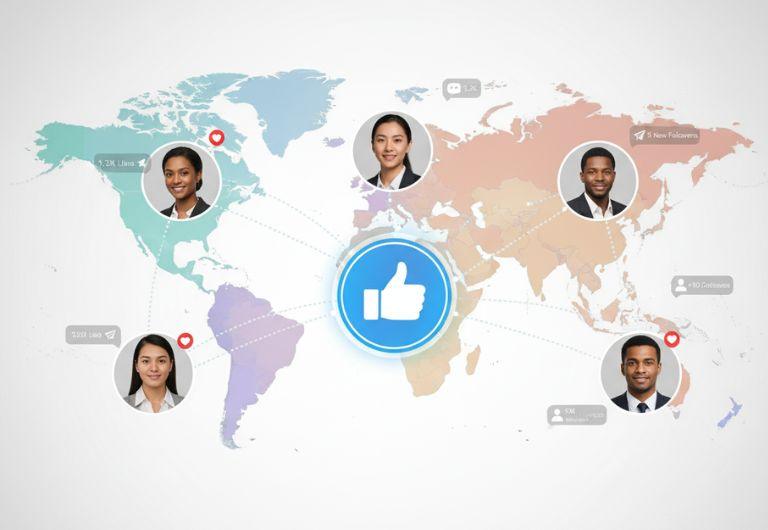
The future of brand communication in Dubai is moving toward deeper collaboration, where communities are no longer an audience but an active force shaping what brands create, launch, and stand for. As technology evolves and consumer expectations rise, people want to feel involved, not just informed. They want their voices to matter. Brands that make room for this level of participation will build stronger emotional bonds and long-term loyalty.
Community-driven communication will increasingly rely on real-time insight loops where feedback, sentiment, and cultural shifts guide the brand’s direction. Rather than waiting for quarterly reports or campaign cycles, communication will become fluid, adaptive, and emotionally intelligent. Brands that thrive in this environment will be those that treat communication as a living ecosystem continuously learning, refining, and responding.
Technology will only accelerate this shift. AI-powered social listening will reveal emerging needs before they become trends. Web3 communities will expect co-ownership and transparency. Smart city infrastructure will give brands new ways to engage people in public spaces. Most importantly, these tools will help brands build relationships that feel personal, respectful, and rooted in shared value.
In this future, communication is no longer a message, it’s a shared experience. And the brands that succeed in Dubai’s fast-moving landscape will be those that co-create, co-adapt, and co-innovate with the very communities they serve.
Conclusion
Brand loyalty in Dubai is going through a profound transformation. The brands that will lead the next decade are the ones that treat Brand Community-First Communication not as a campaign or tactic, but as a core philosophy. This approach strengthens emotional connection, inspires genuine advocacy, lowers acquisition costs, and builds long-term brand equity in a way traditional strategies simply cannot. It also elevates User and Market Branding Perception, because people experience the brand as something real, responsive, and culturally aligned.
For Dubai-based brands and the agencies that guide them the opportunity is unmistakable: It’s time to move from messaging to meaning. From communication to collaboration. From audiences to communities.
The brands that embrace this shift will not only stay relevant in a fast-moving market; they will help shape the future of loyalty in the UAE. They will be the ones people talk about, return to, and proudly advocate for because the relationship will feel personal, participatory, and built on shared value.
FAQ
1. What is community-first communication in branding?
Community-first communication is a strategy that prioritizes listening to, engaging with, and supporting your audience before promoting products or services. It focuses on building meaningful relationships, encouraging dialogue, and creating value-driven interactions that foster trust and long-term loyalty.
2. Why does community-first communication strengthen brand loyalty?
When customers feel heard and valued, they develop emotional connections with a brand. Community-first communication builds trust, increases engagement, and transforms customers into advocates. Instead of feeling targeted by marketing, audiences feel included in a shared mission or experience.
3. How can brands implement a community-first communication strategy?
Brands can adopt this approach by:
- Actively responding to comments and messages.
- Hosting interactive discussions, polls, or live sessions.
- Encouraging user-generated content.
- Creating online groups or forums.
- Sharing educational or helpful resources instead of purely promotional content.
The goal is to facilitate conversation, not just broadcast messaging.
4. What role does transparency play in community-focused branding?
Transparency strengthens credibility within communities. Openly sharing updates, addressing concerns, and admitting mistakes builds trust. When brands communicate honestly and consistently, community members are more likely to remain loyal—even during challenging situations.
5. How can businesses measure the success of community-first communication?
Success can be measured through engagement rates, retention metrics, customer sentiment analysis, referral growth, participation in discussions, and repeat purchase behavior. Increased advocacy and positive brand mentions are strong indicators of effective community-driven communication.