
Mapping Emotional Pathways: Crafting Brand Experiences that Resonate
Introduction
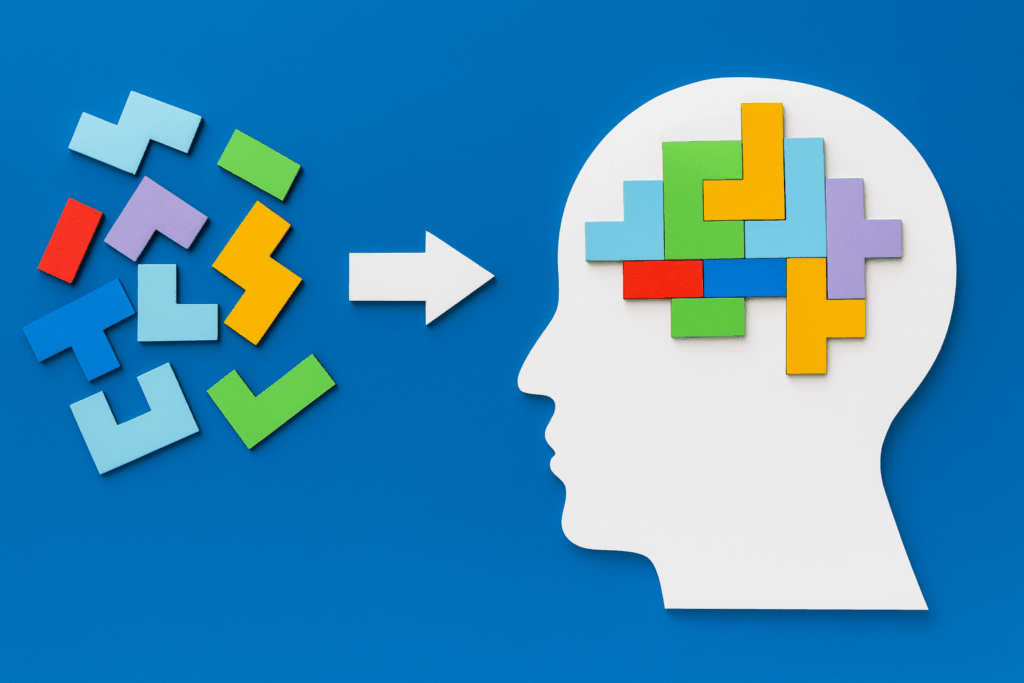
Brand emotional pathways represent a strategic evolution in marketing a deliberate, neuroscience-informed approach to forging lasting emotional bonds with customers. Emotional responses are not incidental to brand perception; they are foundational. Research from Harvard reveals that 95% of purchasing decisions are made subconsciously, driven primarily by emotion, not logic. This insight reframes the branding landscape: to succeed, brands must intentionally map the emotional journey their customers take. This article combines behavioral psychology, neuroscience, emotional & psychological branding, and the power of storytelling to help marketers, brand strategists, and entrepreneurs design experiences that deeply resonate with their audiences. We’ll break down each stage of emotional branding highlighting frameworks, triggers, tools, and real-world applications so you can build a brand that doesn’t just sell but connects.
The Science Behind Emotional Branding
Understanding how emotion shapes decision-making is critical. Neuroscience reveals that emotions activate the limbic system, influencing decisions long before the rational brain engages. Antonio Damasio’s research shows that individuals with impaired emotional centers struggle to make even simple choices, underlining the centrality of emotion. Emotional branding taps into this system to build affinity, trust, and memory. The New Science of Customer Emotions by Harvard Business Review outlines how brands that connect emotionally outperform competitors in loyalty and advocacy. Emotional triggers joy, nostalgia, trust, surprise activate oxytocin and dopamine pathways, fostering deeper brand associations. This scientific grounding explains why ads with strong emotional appeal outperform purely informational ones. Brands that understand emotional neuromarketing can craft messaging and experiences that stay top-of-mind long after the first encounter.
Understanding Brand Emotional Mapping
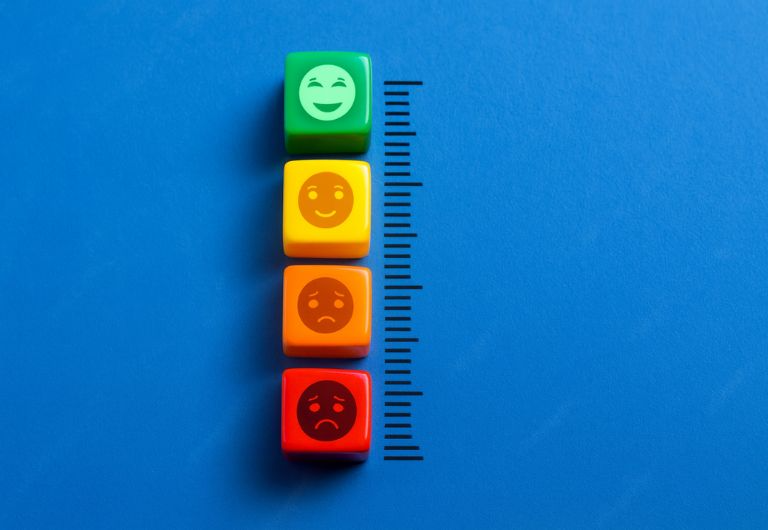
Brand emotional mapping is a methodology that identifies the feelings customers experience at every stage of their interaction with a brand. Think of it as a moodboard of the customer journey only instead of visuals, you chart emotional responses. The goal is to shift from incidental feelings to intentionally designed emotional experiences. According to Digintly, emotional mapping helps brands decode the emotional highs and lows across various touchpoints. It allows marketers to correct friction points, enhance peak moments, and craft a more cohesive, emotionally resonant journey. For example, a financial services brand may discover that onboarding creates anxiety due to complex forms. Emotional mapping would identify this and guide design teams to introduce empathy-driven UI changes and reassuring messaging. When done right, emotional mapping becomes a blueprint for emotional consistency and trust.
Key Components of Emotional Mapping
Emotional mapping starts by outlining the full customer journey from awareness and consideration to conversion and advocacy. At each stage, the brand should examine how the customer is likely to feel. Are they confident, confused, inspired, or frustrated? Mapping these emotions enables brands to target specific sentiments with tailored messaging or design.
For instance, during the discovery phase, a customer may feel curious or overwhelmed. Here, emotional mapping recommends creating educational content that provides clarity without overwhelming. During the checkout process, where anxiety about security or pricing can emerge, offering reassurance through testimonials, encryption badges, or real-time support can soothe these fears.
Emotional Mapping Tools and Methods
Several tools assist in emotional mapping:
- Empathy Maps: Help visualize what the customer is thinking, feeling, doing, and saying.
- Customer Journey Maps: Add emotional data to each stage of interaction.
- Voice of Customer Data: Surveys, interviews, and support tickets uncover raw emotional language.
- Sentiment Analysis: Uses AI to interpret social or review data and detect emotional tone.
By layering these insights, brands can develop a visual heatmap of emotional highs and lows. This reveals not only pain points but opportunities to delight.
The Business Impact of Emotional Mapping
Mapping emotions isn’t just about empathy, it’s about revenue. Brands that understand their customers’ emotional landscape can preempt objections, deepen engagement, and increase conversion. According to Forrester, emotionally connected customers are more loyal, spend more, and are less price-sensitive.
Moreover, emotional mapping informs cross-functional alignment. Marketing, product, customer service, and UX teams can use the same emotional blueprint to ensure a unified experience. It transforms branding from a surface-level aesthetic to a deep, psychological engagement strategy.
Imaginary Anecdote
Imagine a wellness app that noticed a sharp drop-off after sign-up. Emotional mapping uncovered that users felt “uncertain” during the onboarding quiz. The brand revised the quiz tone, added a warm welcome video, and celebrated small wins. Retention jumped 18% not from adding features, but by managing emotion.
Emotional mapping is not just about identifying feelings. It’s about creating a structured, actionable plan to manage those feelings and guide users toward emotional states that strengthen loyalty and trust.
Building a Structured Emotional Mapping Framework
To create actionable brand emotional pathways, a structured framework is essential. The process begins with defining the core emotional goal: what should the customer feel at each stage? Common goals include trust during onboarding, delight during unboxing, and belonging post-purchase. Next, gather insights: qualitative interviews, sentiment analysis, and customer feedback are goldmines. These insights reveal emotional triggers and pain points. Then, audit your brand touchpoints website, ads, packaging, support channels. Do they align with your emotional intent? Likely, gaps will emerge. That’s where mapping comes in. Use journey maps layered with emotional data to identify and fix misalignments. For instance, if your brand stands for joy but your emails use sterile, corporate language, there’s a disconnect. Finally, integrate narrative techniques and stories that mirror your customer’s aspirations and challenges. This framework brings intentionality, empathy, and cohesion to your emotional branding strategy.
Step 1: Define the Emotional Objective
Start by articulating what emotional impression your brand should leave at every stage of the journey. Do you want to foster excitement during product discovery? Or trust during the checkout process? This becomes the north star guiding all decisions.
Step 2: Collect Empathy-Driven Insights
Use direct interviews, emotional analytics, and survey data to learn how your audience currently feels during engagement. Look for repeated emotional language like “overwhelmed,” “excited,” or “frustrated.”
Step 3: Touchpoint Evaluation
Review your website, social media, ads, product experience, and even customer service scripts. Score each touchpoint for emotional tone. Ask: Is the emotion being conveyed what we intend to evoke?
Step 4: Align and Optimize
Once emotional gaps are identified, adjust the tone, visuals, and delivery to better align with desired outcomes. This may mean updating design elements, rewriting scripts, or training staff in empathetic communication.
Step 5: Embed Narrative
Bring your emotional goals to life using customer-centered stories. A relatable narrative helps customers see themselves in your brand’s journey. These can be testimonials, case studies, or origin stories that humanize the brand.
Framework in Action: Imaginary Brand Case
A pet brand wants customers to feel “secure and loved.” Their initial onboarding emails felt cold. By applying this framework, they revised language, added photos of pets with happy families, and included a founder’s story. The result: email open rates and retention rose 25%.
This structured framework allows brands to move from vague emotional ideas to concrete, actionable strategies. When repeated and refined, it becomes a cornerstone for long-term emotional equity.
Storytelling & Narrative: The Emotional Thread
Narratives are how the human brain makes sense of the world. Storytelling is not a soft skill, it’s a neuroscience-backed branding tool. According to research, stories engage more brain regions than data or facts alone. The best brand stories follow the classic structure of conflict, transformation, and resolution, mirroring the emotional arcs we seek in life. For emotional branding, storytelling becomes the bridge between the brand and the customer’s internal world. For example, Nike’s “Just Do It” is more than a slogan, it’s a narrative about overcoming limitations. When you embed emotional tension and resolution into your brand narrative, you engage the brain’s mirror neurons, leading to empathy and connection. Storytelling allows brands to be felt, not just understood. It transforms functional value into emotional meaning.
Sensory & Emotional Design in Action
Design isn’t just about aesthetics, it’s about how a brand feels. Sensory branding leverages sight, sound, touch, and even scent to evoke specific emotional responses. Apple stores, for example, are designed with minimalist layouts, tactile surfaces, and ambient music to induce feelings of clarity and inspiration. According to research, color alone can increase brand recognition by up to 80%. A warm palette may evoke trust and comfort, while stark contrasts convey modernity and boldness. Soundscapes like McDonald’s jingle or Intel’s chime create auditory memory links. Even the texture of a product’s packaging can influence perception. When sensory elements align with emotional intent, they amplify connection. Emotional design ensures that every physical and digital interaction reinforces the desired emotional state.
Visual Identity: The Power of First Impressions
Visual design is often the first sensory interaction a customer has with a brand. Colors, typography, shapes, and layout not only convey information, they set the emotional tone. Cool colors like blue and green foster calm and trust, while vibrant hues like red and yellow evoke excitement or urgency. Brands like Tiffany & Co. have built entire emotional identities around a single color. Visual cohesion across channels signals professionalism, consistency, and emotional reliability.
Sonic Branding: Hearing the Brand
Sound is a powerful trigger of memory and emotion. Sonic branding includes everything from jingles and startup sounds to background music and customer service hold tones. A consistent auditory identity like Intel’s chime or Netflix’s “ta-dum” becomes part of the brand’s emotional memory. Studies show that brands with a sonic identity are 96% more likely to be remembered. Music tempo can also be used strategically: slower beats encourage lingering, while fast-paced music drives urgency.
Touch and Texture: Emotional Tactility
Touch activates deep emotional associations with comfort, quality, and care. Packaging texture, material finish, and even temperature can influence brand perception. A smooth, matte surface may suggest luxury, while a rough texture can evoke authenticity or natural origins. Think of Apple’s product boxes sturdy, smooth, and magnetic designed to create a premium feel. In physical retail, materials like wood, fabric, and metal are often selected for their emotional impact.
Scent and Smell: Invisible Anchors of Emotion
Scent has a direct line to the brain’s limbic system, which governs emotion and memory. Some retail brands, like Abercrombie & Fitch or LUSH, use signature scents in-store to create mood and brand association. Hotels often deploy ambient fragrance to establish emotional consistency across properties. Even product scents from shampoo to sneakers can become a brand asset. A unique scent builds brand recognition even in a blindfolded experience.
Multisensory Harmony: Creating Immersive Brand Worlds
The most emotionally resonant brands don’t isolate sensory design; they integrate it. Disney theme parks are masters of this, combining sound, scent, visuals, touch, and even temperature to evoke wonder. Multisensory integration strengthens emotional anchoring, making the brand unforgettable. Each sensory cue reinforces the emotional narrative and contributes to customer immersion.
The Psychology of Brand Persona & Authenticity
Today’s consumers crave authenticity. A brand’s emotional persona the set of traits it projects must be consistent, relatable, and real. Research from Gerald Zaltman emphasizes that subconscious drivers, not conscious logic, influence buyer behavior. A brand persona that embodies empathy, humor, or curiosity can instantly resonate. For example, Dove’s real beauty campaign uses vulnerability and inclusivity to connect emotionally. The key is coherence: emotional branding fails when there’s a mismatch between stated values and actual behavior. Authenticity isn’t just about messaging; it’s about operations, partnerships, and customer service. A brand that claims to care about sustainability but uses non-recyclable packaging erodes emotional trust. Consistency across every touchpoint builds authenticity, which builds trust a key emotional currency.
Emotional Mapping in Consumer Packaged Goods (CPG)
Emotional branding is particularly potent in the CPG sector, where products are often indistinguishable on a functional level. Emotional differentiation becomes the primary driver of choice. Think of how Coca-Cola uses happiness, or how Ben & Jerry’s taps into activism and playfulness. These brands aren’t selling soda or ice cream, they’re selling emotional experiences. Emotional mapping in CPG involves identifying the core emotion (e.g., nostalgia, indulgence, belonging) and amplifying it through product design, advertising, and packaging. Even small tweaks like handwritten fonts or nostalgic imagery can deepen emotional resonance. However, this strategy only works when the emotional message aligns with consumer values. Inauthentic emotional branding in CPG often results in public backlash. The most successful brands maintain a coherent emotional narrative from shelf to screen.
Tools & Techniques for Mapping Emotional Journeys
Mapping emotional pathways isn’t guesswork, it’s data-informed artistry. Tools like empathy maps, customer journey analytics, and emotional sentiment analysis help brands decode feelings at scale. Interviews and ethnographic studies uncover nuanced emotions. Sentiment tools analyze social media language to detect shifts in consumer mood. Facial coding and eye-tracking can gauge real-time emotional responses to branding elements. Empathy mapping exercises where teams simulate the customer’s emotional landscape are particularly effective in aligning internal teams with external feelings. These tools allow brands to visualize, test, and optimize emotional responses across campaigns and touchpoints. They transform abstract emotions into actionable strategies.
Putting It All Together: From Framework to Implementation
Emotional branding is not a campaign, it’s a system. From neuroscience to storytelling to design, each element must work in harmony. Start with your emotional goal, gather insights, map touchpoints, align sensory elements, and embed a narrative. Then measure impact not just through sales, but through emotional metrics like Net Promoter Score, sentiment shifts, and customer lifetime value. According to Harvard Business Review, emotionally connected customers are more than twice as valuable as highly satisfied ones. This means emotional branding doesn’t just feel good it drives tangible ROI. Brands that successfully implement emotional pathways enjoy increased loyalty, advocacy, and resilience in times of crisis. Emotional branding transforms fleeting transactions into meaningful relationships.
Building Emotional Alignment Across Teams
Successful implementation depends on cross-functional buy-in. Marketing, product, customer service, UX, and leadership must all understand and embody the emotional branding strategy. Without alignment, customer experiences become fragmented. Workshops, emotional storytelling sessions, and journey mapping collaborations can help unify teams under a shared emotional vision.
Measuring Emotional Branding Performance
Track not only engagement metrics but also emotional resonance. Use tools like sentiment analysis, emotional feedback loops, and in-depth interviews to assess how customers actually feel. Monitor consistency across touchpoints. If your brand stands for empathy, ensure your support team is trained in empathetic listening. Emotional KPIs should complement traditional ROI tracking to ensure you’re not just acquiring customers, but emotionally engaging them.
Iteration and Long-Term Success
Emotional branding is not a set-it-and-forget-it exercise. Customer emotions evolve so must your brand. Regularly revisit your emotional journey maps, update sensory elements, and refresh storytelling based on emerging insights. Brands that sustain emotional resonance treat emotional branding as a living system, responsive to shifts in culture, technology, and consumer behavior.
Conclusion
Mapping emotional pathways is more than a branding tactic; it’s a strategic imperative in today’s emotionally intelligent economy. Brands that understand the subconscious drivers of behavior, design for emotion, and remain authentically aligned with their values will outpace competitors in relevance, trust, and loyalty. This approach turns branding into a relationship, not just a message.
But emotional branding is not a one-time effort, it’s a long-term commitment to building emotional equity through consistency, empathy, and storytelling. The most enduring brands don’t just anticipate needs they empathize with feelings, reflecting customer values back with sincerity and imagination. Every color choice, tone of voice, and narrative arc contributes to this ecosystem of trust.
As consumer attention becomes more fragmented, what remains constant is our universal drive for connection. Emotional branding meets that need making your brand not just visible, but unforgettable.
FAQ
1. How do I map brand emotion effectively?
Effective brand emotion mapping involves empathy mapping, journey analytics, and qualitative interviews to uncover emotional highs and lows throughout the customer journey. Each touchpoint should be carefully designed to evoke a specific, intentional emotional response. This ensures the brand experience feels seamless and authentic. When done correctly, it strengthens emotional engagement and customer loyalty.
2. What’s the ROI of emotional branding?
Emotional branding delivers measurable ROI by increasing customer retention, loyalty, and lifetime value. Harvard Business Review reports that emotionally connected customers are 52% more valuable than those who are merely satisfied. These customers are more likely to advocate for the brand and remain loyal during downturns. Emotion becomes a revenue multiplier when strategically applied.
3. Examples of emotional branding success?
Leading examples of emotional branding include Apple, which evokes clarity and inspiration through minimalism; Nike, which empowers through stories of grit; and Dove, which fosters authenticity and inclusivity. Coca-Cola taps into happiness and nostalgia, while Airbnb builds emotional resonance around the theme of belonging. These brands consistently align emotion with purpose.
4. What emotional triggers work best in storytelling?
Powerful emotional triggers in storytelling include empathy, conflict, resolution, nostalgia, and surprise. Stories that echo the audience’s aspirations, fears, or values create emotional resonance and brand recall. The goal is to mirror real human experiences, allowing consumers to see themselves in the brand’s narrative. This creates a deep, lasting connection.
5. How can I avoid inauthentic emotional branding?
Avoiding inauthenticity starts with aligning emotional messaging with genuine brand behavior and values. Emotional appeals must be backed by substance marketing should not exploit sentiments the brand cannot uphold. Transparency, consistency, and cultural sensitivity are key. Authentic emotional branding builds trust, while disingenuous attempts quickly erode it.