
Managing Your Brand Reputation Lifecycle: Key Strategies for Every Stage
Introduction
In today’s fast-moving, hyper-connected world, a brand’s reputation isn’t just a nice-to-have—it’s a vital, invisible currency. The brand reputation lifecycle captures how people’s perceptions evolve over time, shaped by everything from bold internal decisions to unpredictable global events. According to Edelman, 81% of consumers say trust is a deciding factor before they’ll commit to a purchase. That’s huge. It shows that reputation isn’t just about damage control after a PR crisis—it’s about building trust at every touchpoint, every day.
This idea of a reputation “lifecycle” challenges the old-school notion of branding as a set-it-and-forget-it identity. Instead, it invites brands to stay flexible, ready to adapt and respond thoughtfully across every phase—from their first hello to moments of reinvention. We’ll explore these phases in depth, pulling insights from industry leaders like Templafy and introducing practical tools that help brands monitor sentiment, communicate with clarity, and bounce back from missteps. When done right, reputation management shifts from being a reactive chore to a proactive superpower—and that’s a game changer.
Understanding the Stages of the Brand Reputation Lifecycle
What Is the Brand Reputation Lifecycle?
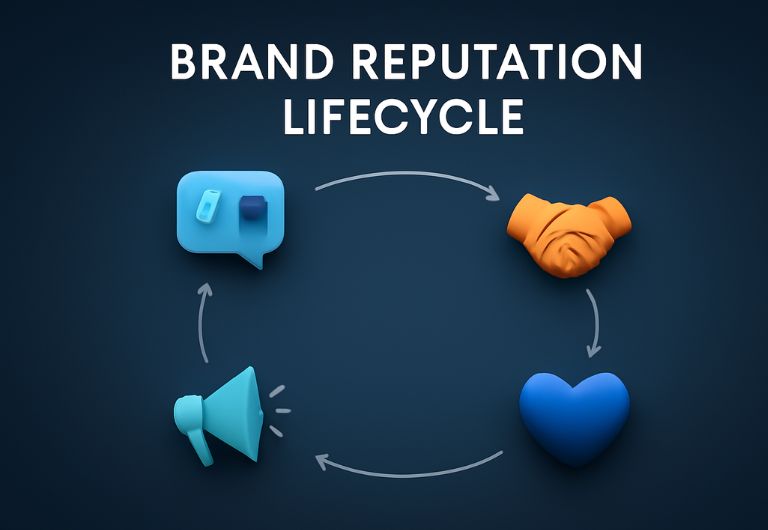
Think of the brand reputation lifecycle as your brand’s story arc—the journey of how people perceive you over time, influenced by every interaction, headline, and internal decision. This isn’t just about damage control or PR spins; it’s a living, evolving process that typically unfolds in five main stages: Introduction, Growth, Maturity, Crisis, and Reinvention.
Each phase brings its own set of challenges and opportunities. The introduction stage is all about first impressions, while the crisis phase tests how well you can rebuild trust under pressure. What’s powerful about this model is that it treats reputation not as a static label, but as a dynamic, shapeable asset.
For example, during a product launch, consumers aren’t just judging the product—they’re soaking in every touchpoint, from your customer support tone to your social media comments. And when things go wrong (as they sometimes do), your ability to be transparent, fast, and human in your response becomes a defining moment. Brands that thrive don’t wait for a crisis to think about trust—they embed digital transparency, stakeholder listening, and thoughtful governance into every phase. Templafy’s framework reinforces that idea: reputational health isn’t built in a day, but it can be eroded in one.
Stage 1 – Brand Introduction & Awareness
The introduction phase is a bit like a first date—you don’t get a second chance to make a good impression. As a brand enters the public eye, it’s immediately being sized up by consumers, influencers, competitors, and the media. Whether it’s a new product hitting the market or a company unveiling its website, these early moments shape how people feel—and talk—about you.
This is the perfect time to start monitoring your online reputation, even if you’re still building your audience. Tools like sentiment analysis and brand reputation audits can help you understand the gap between what you think you’re communicating and how it’s actually being received. And trust us, there’s often a gap.
One common early-stage stumble? Brands that obsess over how they look but forget about how they feel. Take a SaaS startup that launched with gorgeous branding and sleek messaging—but got slammed with poor reviews because their onboarding experience was clunky and confusing. Realizing this mismatch, they rolled out a personalized concierge onboarding approach. Within three months, their sentiment scores improved significantly. The takeaway? A shiny exterior means little if what’s under the hood doesn’t match. In this phase, consistency between what you promise and what you deliver is everything.
Stage 2 – Growth & Trust Building
This is the exciting part—the moment when the brand starts picking up steam. You’re gaining customers, getting noticed, and finally seeing your hard work translate into momentum. But with growth comes a shift: trust stops being a goal on your vision board and starts becoming something you actually earn—and measure. Think: net promoter scores (NPS), repeat buyers, and referrals. These aren’t just metrics—they’re signals that people believe in what you’re doing.
Building trust at this stage takes more than promises. It takes follow-through. Every email you send, every product update you roll out, every social media post—it all needs to reinforce who you are and what you stand for. Programs like stakeholder reputation engagement can help here, giving you real-time insight into what your audiences care about and how they perceive your actions. And it’s not just about messaging—consumer trust-building today means walking the talk: transparent pricing, ethical sourcing, giving back to your community. All of that builds reputational capital.
One of the toughest parts of this stage? Scaling without slipping. A fast-growing D2C brand learned that the hard way. They crushed their Black Friday sales but forgot to prepare for the demand. Shipping delays piled up, and radio silence on social media made things worse. The fix? They added CRM automation to keep customers in the loop and staffed up a social care team to respond quickly. It didn’t just solve a problem—it made customers feel seen and heard. And in the trust economy, that’s everything.
Stage 3 – Maturity & Protection
Now the brand’s hit its stride. You’ve got loyal customers, strong market presence, and a distinct voice. But here’s the plot twist: success makes you a bigger target. People expect more from you, and even the smallest misstep can feel magnified. At this point, reputation isn’t just about growing—it’s about guarding what you’ve built.
That’s where digital reputation tracking comes into play. It’s not enough to know what people are saying—you need to understand how they’re saying it, who is saying it, and why it matters. Smart brands use advanced tools to monitor not just mentions but sentiment, credibility, and reach. Real-time dashboards give you a radar for spotting trends before they become problems.
Mature brands also need to be ready to respond when things go sideways. That means having a reputation crisis repair plan ready to go—statements drafted, teams trained, policies in place. One global electronics company nailed this after a product recall sparked online outrage. But because they had a crisis playbook—complete with refunds, clear communication, and a transparent tone—they weathered the storm in days, not weeks. The lesson? In maturity, your reputation is judged just as much by how you recover as how you perform.
Stage 4 – Crisis & Recovery
Let’s be real—no brand is immune to crisis. Whether it’s a product recall, a data breach, or a poorly timed tweet, every brand, no matter how beloved, will face its moment of reckoning. What separates those that crumble from those that come back stronger? It’s not perfection—it’s how quickly, transparently, and genuinely they respond.
The truth is, good crisis management starts long before anything goes wrong. Smart brands set up digital “early warning systems” to catch the smoke before the fire—tools that track sentiment shifts, sudden surges in hashtags, or negative media chatter. Platforms like Meltwater, Signal AI, and Talkwalker let you watch in real time as the temperature rises, so you can act before things boil over.
When a crisis does hit, there are three non-negotiables: transparency, accountability, and timeliness. That means owning your mistake, communicating openly (not just through press releases, but on the platforms where your audience actually hangs out), and showing—clearly—that you’re fixing the root problem.
Templafy shares a great example: a mid-sized tech company faced a data breach, and instead of going silent, they tackled it head-on. They emailed affected users personally, updated people live on Twitter, and published their new security steps within days. One Reddit user summed it up perfectly: “They didn’t just apologize—they fixed it and told us how. That matters.” And it did—the company kept user churn below industry averages, and trust bounced back within a quarter. Proof that resilience is reputational gold.
Stage 5 – Reinvention & Renewal
Sometimes, a brand doesn’t need to recover—it needs to rethink. Reinvention isn’t about cleaning up a mess; it’s about stepping boldly into a new era. It’s sparked by cultural shifts, market demands, or internal soul-searching. And when done well, it can completely redefine how people see you.
This phase often starts with hard questions: Who are we now? Who do we want to be? And what do our customers need from us today that they didn’t yesterday? Tools like corporate image audits, customer journey maps, and stakeholder workshops help brands answer those questions with honesty and depth. Listening here is critical—and not just to loyal customers, but to employees, skeptics, and even your harshest critics. Brand perception analytics can spotlight which parts of your identity to hold onto—and which to leave behind.
Take the case of a fashion label that came under fire for a lack of diversity. They didn’t just update their campaigns—they went deeper, launching a mentorship program for BIPOC designers and bringing inclusion experts into their core team. The response? Media applause, community support, and a real shift in public sentiment within six months. Reinvention, when it’s rooted in sincerity and action, doesn’t just fix a reputation—it elevates it.
Templafy Case Study: Applying Life Cycle Strategies
Templafy’s Reputation Playbook in Action
Templafy is a standout example of what it looks like when a brand doesn’t just talk about reputation—it builds it into every layer of its business. They understand that reputation isn’t just a feel-good perception; it’s about creating trust that runs deep across operations, communications, and leadership. Instead of leaving reputation to PR alone, Templafy weaves lifecycle strategies into the very tech and governance frameworks they offer to clients—and use themselves.
At the heart of their approach is their internal branding platform, designed to help companies maintain consistent, compliant, and on-brand content across all external touchpoints. This may sound like a back-office function, but it’s a reputational powerhouse—every slide deck, press release, and email becomes a tool to build or break trust.
Templafy’s strategy rests on three core pillars: centralized brand governance, stakeholder-aligned content workflows, and real-time, reputation-responsive metrics. Each aligns with a stage of the brand reputation lifecycle. Governance ensures a smooth and unified launch during the introduction phase. Workflows support trust and alignment as the brand scales. And real-time metrics provide early warnings and insights during maturity or crisis. What makes Templafy unique is how it treats content governance not as a chore—but as a strategic shield for brand integrity.
Results That Speak for Themselves
Templafy’s commitment paid off. Over a two-year stretch, they saw a 42% drop in reputation-related incidents—especially during high-pressure moments like product launches or leadership changes. Stakeholder satisfaction? Up 58%, tracked through regular reputation audits. And engagement from media and strategic partners more than doubled when communications reflected a crystal-clear, unified message.
They didn’t get there by chance. Tools like NetBase Quid helped them tap into social intelligence, Google Trends highlighted shifts in how people were talking about their brand, and custom sentiment dashboards alerted teams the moment something felt off. One of their most innovative tools? The “Message Integrity Index”—a homegrown score that checks whether a press release or internal memo actually reflects the brand’s agreed narrative. If something didn’t match, automated workflows helped get it back on track before it ever saw the light of day.
Templafy didn’t just use these metrics internally—they shared them. Through webinars and whitepapers, they invited others into their process. That openness built more trust, more advocacy, and more inbound interest. In short, they created a virtuous cycle: the more they shared, the more credible they became.
What Templafy shows us is this: brand reputation isn’t just a PR concern—it’s a shared responsibility that spans marketing, legal, HR, and product. When everyone’s aligned and equipped with the right tools, reputation becomes less about crisis control—and more about long-term brand equity.
Tools & Metrics to Monitor Each Stage
Managing brand reputation isn’t a set-it-and-forget-it task—it’s an ongoing process that demands real-time insight, strategic foresight, and a healthy dose of humility. No matter where a brand is in its lifecycle, one thing stays constant: you need to know how people are talking about you. That’s where the right tools come in.
Reputation Auditing Tools
Think of reputation audits as your brand’s regular check-up. Just like a doctor’s visit, these audits help you catch issues early and see where things are trending. Tools like Brand24, Reputology, Mention, and Talkwalker go beyond vanity metrics—they track how people feel when they mention your brand. With advanced Natural Language Processing (NLP), they don’t just see the words—they sense the tone. These platforms flag recurring themes and emotional patterns so you can tell if your audience is excited, confused, or downright frustrated. By running these audits quarterly, you keep a steady pulse on how your internal storylines align (or clash) with external perception.
Brand Monitoring & Listening Tools
Social listening is like having your ear to the ground—everywhere, all at once. Platforms like Sprout Social, Hootsuite Insights, and Brandwatch help you track what’s being said in real-time across Twitter, Reddit, Instagram, and beyond. These tools turn chaotic conversation into actionable dashboards, mapping sentiment spikes, trending hashtags, and influencer buzz. You can even break it down by location and demographics. One global electronics brand used this feature to uncover a surprising trend: their reputation was rock solid in North America but sliding in Southeast Asia. That discovery sparked a targeted trust campaign that reversed the decline. Moral of the story? Local insights matter.
Crisis Detection & Recovery Tools
When things go sideways—and they will—the speed of your response can make or break your reputation. That’s why platforms like Meltwater, Signal AI, Cision, and Dataminr are essential in your crisis toolkit. These tools don’t just report problems; they predict them. By watching for unusual spikes in chatter and tracking how fast content spreads, they offer early warnings—sometimes before mainstream media even catches on.
The smartest brands take it a step further, connecting these tools to CRM and customer support platforms like Zendesk or Salesforce. This means alerts don’t just sit in marketing’s inbox—they trigger actions across the whole org. And with playbook automation built in, your team doesn’t have to scramble. Whether it’s a faulty product, a leadership misstep, or a cyber incident, these systems activate tailored workflows so your response is fast, consistent, and human. Brands that move quickly and speak clearly in tough moments aren’t just avoiding disaster—they’re building trust.
Proactive Strategies to Prevent and Address Issues
Managing a brand’s reputation isn’t just about knowing what to say when things go wrong—it’s about building a solid foundation so your brand can stand tall even when tested. The smartest brands don’t wait for trouble to knock—they prepare, stay present, and lead with authenticity.
Building a Reputation Roadmap Early
One of the best ways to stay ready is to create a reputation roadmap—a living, breathing document that outlines what could go wrong and how your brand will respond if it does. Created in collaboration with PR, legal, and leadership teams, this roadmap goes beyond surface-level scenarios. It includes:
- A detailed SWOT analysis to highlight your brand’s potential vulnerabilities.
- Pre-written responses for likely scenarios—think service outages, product misfires, leadership shifts.
- Clearly identified spokespeople and preferred communication channels.
- A streamlined approval structure for fast, legally sound messaging.
Brands like Templafy treat this roadmap like a crisis playbook—not just a theory tucked away in a folder. It’s revisited every six months, updated with fresh insights, and shared across teams so that when the pressure’s on, everyone knows exactly what to do.
Responsive & Transparent Communication
In a world where silence often feels like guilt, proactive communication is a must. Today’s customers expect brands to show up, speak up, and own the moment. That means training not just your C-suite, but also your frontline teams to engage honestly and quickly. Tools like LiveWorld, Khoros, and Frontify help deliver a consistent voice across platforms, while still leaving room for empathy and personal touch.
Some golden rules?
- Respond to public complaints within 30 minutes.
- Share follow-ups and resolutions just as publicly.
- Use visuals—videos, infographics—to show you care, not just say it.
- Avoid robotic replies. Speak like a human. Be present.
When a B2B SaaS company faced unexpected downtime, they didn’t hide. They live-streamed their troubleshooting process and even hosted a Reddit AMA to answer questions. The result? Increased goodwill, not fallout.
Employee Training & Brand Ambassadorship
Your people are your most authentic storytellers. Reputation training shouldn’t stop at legal policies—it should include real-life drills, clear social media guidelines, and internal campaigns that make brand values more than just posters on the wall.
At Templafy and Zappos, employees aren’t just trained—they’re empowered. They’re measured on internal reputation scores, recognized through peer feedback, and even featured in campaigns. When employees feel like owners of the brand, their authenticity resonates—and builds trust from the inside out.
How to Recover From a Reputation Crisis
Crisis recovery isn’t about putting out fires—it’s about regaining trust and proving you’ve grown from the experience.

Acknowledge, Apologize, and Act
The first 24 hours matter most. Acknowledge the issue openly—and do it on the same channel where the problem surfaced. Skip the corporate jargon. Make your apology heartfelt and solution-driven.
When a popular coffee chain was accused of unfair labor practices, the CEO didn’t send a generic statement. He recorded a short, honest video, committed to change, and promised an internal review. That personal approach de-escalated tensions and turned critics into collaborators.
Activate Recovery Campaigns
Don’t stop at an apology. Show your work:
- Share behind-the-scenes content that documents change in action.
- Offer restitution—whether that’s refunds, donations, or personalized offers.
- Bring in respected third parties—NGOs, industry experts—to help validate your changes.
Sometimes, internal leaks or anonymous critiques can be balanced by amplifying the voices of your employees. Opt-in testimonials, behind-the-scenes stories, and social proof show the human side of your evolution.
Monitor and Iterate
Use real-time dashboards to track sentiment recovery, media tone, and stakeholder engagement. Host weekly check-ins with internal teams and key stakeholders to adjust your course. Recovery isn’t a one-and-done process—it’s a journey.
The goal? To shift the narrative. You know you’ve succeeded when customers start telling your story—when they include you in positive mentions, refer you to friends, or defend your values in online spaces.
Conclusion
In a world where trust is fragile and visibility is constant, managing the brand reputation lifecycle is no longer optional—it’s essential. Every stage, from your first introduction to moments of crisis and reinvention, requires intention, teamwork, and tools that let you stay one step ahead.
Templafy shows us what’s possible when reputation isn’t left to chance. They don’t just react—they anticipate. They embed trust into their tech, their culture, and their content. And that’s the bar for modern brands.
Today’s most trusted names aren’t just the loudest or most polished. They’re the ones that listen harder, speak faster, and act with heart. When brands make reputation a shared responsibility across departments, they don’t just weather the storms—they come out leading the conversation.
FAQ
1. What is the brand reputation lifecycle, and why does it matter?
The brand reputation lifecycle is a strategic model that outlines the evolving public perception of a brand across stages—introduction, growth, maturity, crisis, and reinvention. It provides a framework for proactive management and reputation-building. Understanding the lifecycle helps brands anticipate issues and develop tailored strategies. This ensures long-term trust, market relevance, and organizational resilience.
2. How important is brand reputation at each stage?
Brand reputation is vital at every phase, though its function evolves. In early stages, it establishes credibility and forms first impressions. During growth and maturity, it becomes a driver of loyalty and stakeholder engagement. In crises, it becomes a defensive asset; and in reinvention, it aids in re-establishing trust.
3. How to recover from negative reviews quickly?
Timely, empathetic responses that address the issue directly are essential. Brands should engage with the reviewer, provide a resolution, and follow up publicly. Tools like Trustpilot or G2 streamline review monitoring and response workflows. When customers see their feedback valued, trust can be restored efficiently.
4. What tools help track brand perception effectively?
Brandwatch, Signal AI, Mention, and Meltwater are popular platforms that monitor sentiment, media mentions, and influencer impact. These tools offer dashboards with alerts for sudden reputation shifts. Brands can use this data to adjust messaging and strategy in real time. Effective tracking provides early warnings and continuous insights.
5. Can a mature brand reinvent its image?
Yes, mature brands can successfully reinvent by aligning new values with stakeholder expectations. Reinvention involves deep listening, brand audits, and narrative re-engineering. Transparent change processes and involving the community are key. With the right strategy, reinvention often leads to stronger market positioning.