
Leveraging Brand Heritage to Build Trust & Credibility: Strategies for Legacy-Driven Growth
Introduction: Why Brand Heritage Is More Than Just History
Let’s face it—today’s marketplace is loud. With endless options and flashy ads everywhere, people aren’t just buying products anymore. They’re choosing brands that feel like something more. A story. A set of values. A deeper connection. That’s where brand heritage comes into play—not just as a marketing buzzword, but as a powerful force of trust, credibility, and emotional resonance.
Think about it: a recent Edelman survey found that 81% of consumers need to trust a brand to “do the right thing.” That’s a huge deal. And in that equation, a rich, authentic brand history can speak volumes. But don’t be fooled—just being old doesn’t equal having heritage. True brand heritage is built on authenticity, continuity, shared values, and the rare ability to stay rooted in your purpose while still growing and evolving.
Brands like Royal Enfield, Levi’s, and Cadbury don’t just survive the test of time—they bring their history to life. Their stories breathe through their products, their messaging, and the communities they serve. In this blog, we’ll explore how legacy brands—and even younger companies—can unlock the power of heritage to build loyalty, stand out in a crowded market, and deepen their brand equity in meaningful, lasting ways.
The Strategic Anatomy of Brand Heritage
Let’s be clear—brand heritage isn’t just a lucky byproduct of being old. It’s a thoughtful, strategic asset. A landmark study in ScienceDirect breaks it down beautifully, identifying five core elements that shape brand heritage: longevity, track record, core values, symbols, and history. These aren’t just academic buzzwords—they’re the heart of what makes a heritage brand trustworthy, relatable, and memorable.
Longevity: A Legacy That Lives On
Being around for a long time isn’t just impressive—it signals strength. Longevity tells us a brand didn’t just pop up overnight. It has weathered storms, adapted to change, and remained meaningful across generations. That kind of endurance naturally builds trust.
Just look at Royal Selangor, the iconic Malaysian pewter brand founded in 1885. They’ve stayed relevant by blending traditional craftsmanship with modern design. Their story isn’t about clinging to the past—it’s about honoring it while evolving for today.
Authenticity: When Actions Match Origins
In a world full of filters and curated personas, authenticity feels like a breath of fresh air. For heritage brands, it means living out their founding values—not just talking about them. Consumers are savvier than ever; they’ll sniff out inauthenticity in seconds.
Take Hermès—their commitment to artisanal craftsmanship isn’t just lip service. It’s visible in every stitch, every limited production run, and every premium material they use. Over time, that level of integrity earns deep, lasting respect.
Symbolism: The Power of Visual Memory
Sometimes, one look is all it takes. A vintage logo, a signature color palette, or even a date on a product label can instantly evoke a sense of legacy. Symbols help consumers connect with a brand’s roots without needing an explanation.
Think about Penguin Books and their retro covers. They don’t just design for aesthetics—they tap into the nostalgia of childhood reading, literary discovery, and timeless storytelling. These visual cues quietly say, “We’ve been here all along.”
Values: The Soul of the Brand
At the heart of every heritage brand lies a set of enduring values. These values shape everything—from how a company treats its customers to how it shows up in the world.
Ben & Jerry’s is a perfect example. Sure, their ice cream is great, but what really draws people in is their unwavering stance on social justice. Their values are baked into their business, and that authenticity creates powerful emotional loyalty.
Storytelling: Turning History into Heart
We remember stories, not sales pitches. The origin tales, the challenges, the founder’s vision—all of these bring a brand to life. When shared with honesty and heart, they foster empathy, admiration, and trust.
As Brand Master Academy puts it, “Brand heritage is so valuable because it’s an irreplicable advantage competitors simply cannot match.” And that’s the magic. You can copy a product. You can even mimic a marketing campaign. But you can’t fake a legacy that’s been genuinely lived.
How Digital Platforms Enhance Heritage Storytelling
In today’s digital-first world, brand heritage isn’t just a museum piece—it’s something alive, dynamic, and shareable. Thanks to digital platforms, brands can take their rich histories off the shelf and into the hands (and hearts) of modern consumers. When done right, your heritage becomes more than a backstory—it becomes an experience.
Websites: Your Brand’s Living Museum
Think of your website as the heartbeat of your brand story. It’s where you can go beyond the “About Us” page and dive into the good stuff—interactive timelines, founder letters, mini-documentaries, or even digital archives. A great example? Timberland. Their legacy page doesn’t just tell you what they do—it shows you, decade by decade, how craftsmanship and sustainability have shaped their journey.
Social Media: Bringing History to Life
Platforms like Instagram and TikTok offer a golden opportunity to reimagine legacy for a new generation. These channels are perfect for turning old memories into fresh moments. Think #ThrowbackThursdays, fan-submitted nostalgia stories, or behind-the-scenes content that pulls back the curtain. Campaigns like Levi’s Live in Levi’s tap into real people’s experiences to make the brand’s heritage feel personal and current.
Email & Blogs: Deep Dives That Build Trust
Not everything fits into a 15-second clip—and that’s where blogs and email newsletters shine. These formats give you space to tell deeper stories: explain the “why” behind product decisions, highlight milestone anniversaries, or share vintage photos and founder reflections. It’s a chance to connect in a way that feels more intimate and thoughtful.
By using these digital channels wisely, brands can keep their heritage not just relevant, but emotionally resonant—bridging the past with a future-proof identity.
Building Internal Culture Around Brand Heritage
Heritage isn’t just for the customers—it has to live within your team too. When employees genuinely understand and connect with a brand’s legacy, it shows in every interaction, every product, every decision. That internal alignment is where real brand integrity begins.
Start With Story: Onboarding That Inspires
The first day on the job should feel like stepping into something meaningful. Use onboarding to introduce new hires to your brand’s roots—highlight the founder’s vision, share archival gems, and help them see how their role carries that legacy forward. It’s not just about job training—it’s about belonging to a story.
Teach the Evolution: Heritage-Focused Training
Training shouldn’t be dry or forgettable. Create engaging modules that show how your products, values, or mission have evolved over time. Real stories, fun anecdotes, even a few throwback visuals can make a huge difference in helping people absorb the essence of your brand.
Empower Your People: Make Everyone a Storyteller
Every employee—from the front desk to the C-suite—should feel confident sharing the brand’s story. Equip them with simple tools and talking points so they can communicate your history in authentic, everyday ways. When people inside the company live the brand, customers outside feel it too.
When your team walks the talk, your brand heritage stops being a marketing message—and becomes a lived experience.
The Psychology of Trust: How Heritage Builds Emotional Loyalty
There’s something comforting about the familiar—about seeing the same brand your grandparents used, or hearing a jingle that instantly takes you back to childhood. That’s not just nostalgia talking; it’s psychology. The mere exposure effect, a well-known principle in marketing psychology, tells us that the more we see something, the more we tend to like it. Brand heritage takes that a step further. When a brand has been quietly present in our lives—on kitchen shelves, in family photo albums, in holiday traditions—it becomes more than a name. It becomes part of who we are.
A Nielsen study backs this up: nostalgia-based advertising doesn’t just tug at the heartstrings—it boosts brand recall and emotional connection by 15%. That’s the magic of heritage. It transforms a simple purchase into a shared story, a sense of belonging to something bigger than the moment.
Real Brands, Real Resonance
- Levi’s doesn’t just sell denim—it tells a story of American resilience, hard work, and cultural change. Their campaigns are layered with real history, not just marketing gloss.
- Cadbury recently brought back its classic ‘Glass and a Half Full’ slogan, reviving imagery from the 70s and 80s. The result? A wave of warm familiarity that makes customers feel right at home.
- Royal Enfield motorcycles carry more than fuel—they carry heritage. Each design nods to its storied past, turning every ride into a journey through time.
What It Feels Like for Consumers
- Continuity: In an unpredictable world, heritage brands feel like anchors—steady and reliable.
- Belonging: They create a shared cultural touchpoint, connecting generations and communities.
- Reassurance: Longstanding quality and consistency make people feel safer in their choices.
This is why heritage brands often lead with confidence—charging premium prices, enjoying fierce customer loyalty, and thriving through changes that might sink younger brands. They aren’t just selling products; they’re selling trust earned over time.
Avoiding Pitfalls: When Heritage Backfires
While heritage can be a brand’s greatest asset, it can also become a liability—especially when it’s mishandled. In today’s hyper-transparent, callout-heavy digital world, every brand narrative is under the microscope. Overplaying your heritage card—or worse, inventing one—can backfire fast.
Just think about the backlash some newer fashion labels have faced for marketing themselves as “heritage brands” when they were barely a decade old. On platforms like Reddit and Quora, users don’t hold back. One user put it bluntly: “They say they’ve been around since 1950, but the LLC was formed in 2015. Feels like a lie.”
Common Missteps to Watch Out For:
- Empty Nostalgia: Slapping on faux-vintage packaging without a real backstory? Audiences see through that.
- Being Stuck in the Past: Brands that refuse to evolve or respond to changing values risk fading into irrelevance.
- Losing the Thread: When new leadership ignores or contradicts the brand’s founding values, it erodes trust from the inside out.
At its core, authentic heritage branding must walk the talk. It should be rooted in truth, brought to life through action, and open enough to grow with the times—without losing its soul.
The Heritage Quotient: A Framework for Legacy Branding
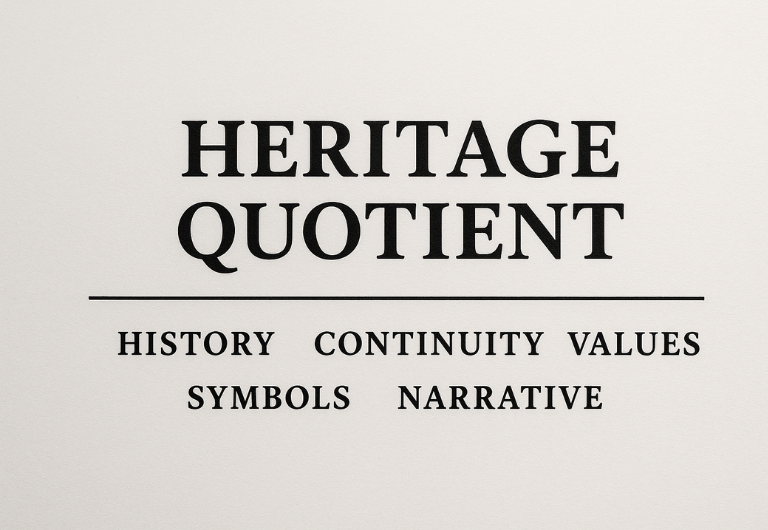
So how do you make brand heritage more than a warm-and-fuzzy concept? Enter the Heritage Quotient (HQ)—a research-backed framework that helps brands evaluate and elevate their legacy storytelling across five key pillars: history, continuity, values, symbols, and narrative.
Let’s break that down:
History
This is your timeline—your birth story, milestones, and major achievements. A brand with strong HQ here doesn’t just list dates—it shows how those moments shaped who they are today. Think original product launches, founder breakthroughs, or cultural contributions that left a mark.
Continuity
This is about consistency. High-continuity brands have stayed true to their mission, even as they’ve grown. Whether it’s long-standing family ownership or a product that’s barely changed in a hundred years, it signals reliability. Look at Barbour’s iconic wax jackets—same spirit, century after century.
Values
Values are your brand’s moral compass. They should outlast leadership changes, market shifts, and viral trends. Brands like Patagonia show that you don’t need centuries of history to score high here—it’s about being unwavering in what you stand for.
Symbols
Your brand’s visuals tell a story all on their own. Logos, colors, typography—these are your heritage cues. Think Coca-Cola’s unmistakable script or Ford’s blue oval. These symbols don’t just decorate—they anchor your brand in memory.
Narrative
This is the emotional glue. Your brand’s story should go beyond facts and into feelings. It’s not just “what happened,” but how it happened and why it matters. A well-told heritage narrative weaves together pride, perseverance, and transformation—and that’s what keeps people listening.
Using this framework, brands can audit their heritage efforts and build a legacy narrative that’s both grounded and inspiring—not just stuck in the past, but moving purposefully into the future.
Sector Spotlights: Where Heritage Branding Delivers Impact
Heritage branding isn’t a one-size-fits-all strategy. It works especially well in industries where purchases are deeply emotional, values-driven, or tied to long-term relationships.
Luxury Goods & Fashion
Legacy is the secret sauce in luxury. Age equals authority, and craftsmanship gains meaning through history. A Bain & Company study found that 72% of luxury buyers are swayed by brand legacy. No surprise that names like Chanel, Louis Vuitton, and Cartier lean heavily on their archives and founder stories to justify exclusivity and price.
Automotive
In the car world, heritage isn’t just a bonus—it’s part of the blueprint. Brands like Mercedes-Benz highlight their 19th-century origins, while Jeep wears its WWII history like a badge of honor. This kind of storytelling not only builds prestige but reassures customers about performance and engineering lineage.
Food and Beverage
Food taps into memory and tradition like no other industry. Brands like Heinz, Cadbury, and Twinings Tea don’t just market taste—they market trust. By preserving signature flavors, visual identity, and nostalgic packaging, they make consumers feel at home, even across continents.
Family Businesses and Craftsmanship Brands
In industries like jewelry, tailoring, and woodworking, heritage isn’t a concept—it’s a way of life. Small, family-run brands that pass down their craft through generations often have an authenticity that mass-market players simply can’t replicate. Whether it’s a fifth-generation goldsmith or a bespoke tailor with century-old techniques, these businesses tap into a deep well of emotional and cultural value. Royal Selangor is a beautiful example—its artisanal continuity isn’t just a story, it’s a lived legacy that speaks directly to heritage-loving consumers.
Best Practices for Activating Brand Heritage
Telling your story is one thing—but living it, at every touchpoint, is where the real power lies. To turn brand heritage into a strategic advantage, you have to go beyond nostalgia and make it feel relevant, alive, and tangible.
Reinforce Your Founder’s Vision
Let your founder’s ideals guide more than just the origin story. Infuse those values into employee onboarding, executive keynotes, and even investor decks. When everyone in the organization understands the “why” behind the brand, decision-making becomes clearer and more aligned.
Modernize Without Losing Your Roots
Honor your past while speaking the language of today. Consider a modern twist on classic designs, or build digital experiences like interactive heritage timelines. The Levi’s Authorized Vintage collection nails this—timeless jeans, reimagined with today’s customer in mind.
Connect Values Across Generations
Millennials and Gen Z want brands with heart. Use your heritage to show that purpose, sustainability, and integrity aren’t new trends for you—they’ve always been part of your DNA.
Invite Customers Into the Story
Create space for your community to share their experiences—old photos, vintage products, family stories. These real-life memories turn your brand from a company into a cultural thread woven through people’s lives.
Stay Consistent, Inside and Out
It’s not enough to look at heritage—you have to live it. Audit your visuals, messaging, employee behavior, and customer touchpoints regularly. Are they telling the same story? If not, it’s time to reconnect the dots.
Visual Storytelling: Bringing Your Heritage to Life
A picture really is worth a thousand words—especially when you’re telling a story that spans decades. To make your brand’s history feel vibrant and accessible, consider using:
- Evolution timelines of logos, packaging, or products
- Side-by-side visuals showing then vs. now
- Infographics that map out the Heritage Quotient pillars
- Archival ads and founder portraits to add soul and depth
- Customer-submitted content like “My First Levi’s” moments
These visuals aren’t just nice to have—they’re storytelling gold. Use them across your website, socials, product launches, investor decks, and trade show booths to create a rich, consistent heritage narrative.
Conclusion: The Enduring Edge of Brand Heritage
In a world obsessed with “what’s next,” brand heritage reminds us of what lasts. It offers more than just credibility—it gives your brand depth, meaning, and heart. But here’s the catch: heritage doesn’t mean holding still. The best heritage brands innovate boldly, using their roots as a launchpad, not a limitation.
By activating the five pillars of the Heritage Quotient—history, continuity, values, symbols, and narrative—you create a brand that’s not only trusted, but treasured. One that earns loyalty, commands respect, and stands out in a sea of sameness.
And if you’re a new brand? Don’t be discouraged. Heritage isn’t about age—it’s about intention. Start telling your story with care and consistency today, and years from now, your brand could be the one that feels timeless.
Let your legacy be your leverage. Because when your story truly resonates, your brand isn’t just remembered—it’s loved.
FAQ
What is a brand heritage story?
A brand heritage story refers to the authentic narrative rooted in a company’s origin, history, and legacy. It highlights founding values, milestones, and traditions that shape the brand’s identity today. This story builds emotional connections and trust with customers. It reinforces the brand’s credibility and cultural relevance.
What is the history of heritage?
Heritage originates from the Latin word hereditare, meaning “to inherit,” and historically refers to cultural, familial, or national legacies passed down generations. It encompasses architecture, traditions, artifacts, and values. In business, it evolved into brand heritage—linking companies to rich, time-tested origins. This history gives depth and context to modern brand narratives.
How is Heritage as a Competitive Advantage in Advertising?
Heritage in advertising provides emotional depth, trust, and differentiation in crowded markets. Consumers often perceive heritage brands as more authentic, reliable, and quality-driven. It allows brands to tell compelling stories rooted in longevity and tradition. This perceived stability builds brand loyalty and long-term value.
What is heritage brand positioning?
Heritage brand positioning emphasizes a brand’s long-standing history, values, and legacy to build credibility and distinctiveness. It appeals to consumers who value authenticity, craftsmanship, and tradition. This strategy uses legacy elements as key marketing pillars. It reinforces trust and emotional connection through historical continuity.
What is company heritage?
Company heritage refers to the historical foundation of a business, including its origins, milestones, values, and cultural legacy. It shapes how the brand operates and communicates with its audience. A strong company heritage builds internal pride and external credibility. It forms the backbone of brand storytelling and trust.