
Incorporating Artisanal Elements: Adding Authenticity to Your Brand
Introduction
The demand for authentic brand experiences is reshaping how businesses present themselves. As digital saturation rises, brands grounded in handmade branding, traditional craftsmanship, and tactile design stand out by evoking trust and heritage. This shift is not just aesthetic, it’s philosophical. Audiences increasingly crave genuine connections, seeking brands that are rooted in story, substance, and sensory appeal.
According to the BoldDesk brand elements guide, brands that incorporate artisanal elements such as handcrafted textures, natural materials, and culturally-rooted design motifs foster a deeper emotional connection with consumers. These design choices go beyond trends; they become visual metaphors for values like care, quality, and intentionality.
In an age where product authenticity is paramount, integrating brand artisanal elements offers both a narrative and visual advantage, aligning business identity with craftsmanship. Moreover, it strengthens your visual branding & design foundation ensuring that each visual cue reinforces a message of authenticity, heritage, and uniqueness.
By thoughtfully implementing artisanal attributes into your brand’s DNA, you’re not just crafting a visual identity, you’re telling a story that consumers can see, feel, and believe in.
Why Artisanal Elements Matter in Modern Branding
Handmade goods have long signified quality, care, and authenticity. In branding, those same principles elevate perception. Incorporating artisanal branding elements reinforces credibility, especially in premium markets. In a McKinsey consumer report, 67% of buyers said they trusted brands more when products featured visibly handmade or natural components.
This consumer preference reflects a larger cultural movement toward transparency and meaning. Shoppers today are not just buying a product; they’re investing in a story, a process, and a philosophy. When a brand embraces the nuances of visual branding & design through artisanal cues like hand-dyed materials, brushstroke illustrations, or custom embossing it signals a human touch often absent in mass production.
Beyond visual appeal, artisanal elements convey intentionality. Consumers are asking: “Is this brand genuinely rooted in craft, or just trying to look that way?” When the answer is sincere, the results are compelling. For example, Patagonia’s use of visible stitching and raw material textures reinforces its sustainability message and implicit promise of durability and ethics. Their branding not only appeals to the eye but also resonates with a deeper ethos of environmental stewardship, craftsmanship, and longevity values that modern consumers increasingly prioritize in their purchasing decisions.
Defining Artisanal Brand Elements
What exactly qualifies as a brand’s “artisanal element”? It spans more than just design aesthetics. It’s about embedding values of craftsmanship, cultural storytelling, and human touch into every layer of your branding. Elements include:
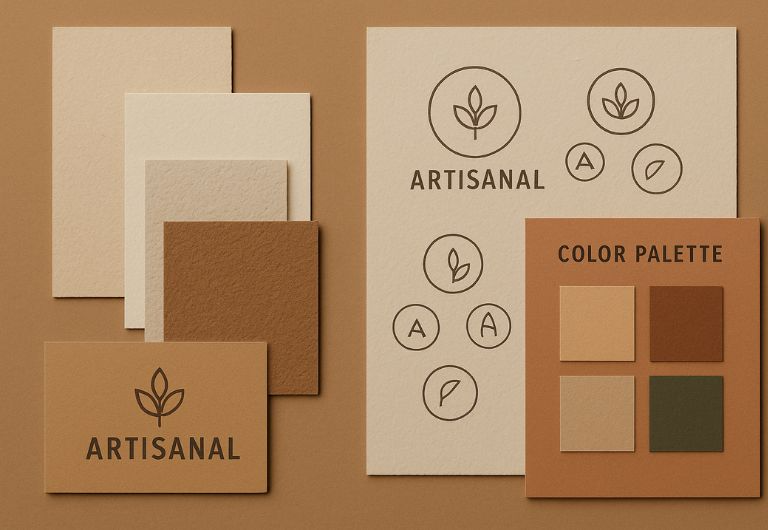
Materials: Raw cotton, handmade paper, recycled glass, jute, linen, terracotta. These materials reflect texture, sustainability, and origin adding authenticity through tactile experiences.
Textures: Uncoated cardstock, wood grain, embossed leather, hand-woven textiles, clay finishes. Texture introduces a sensory dimension that evokes handcrafted quality.
Typography: Hand-lettered scripts, serif fonts inspired by vintage signage, brush calligraphy, or distressed type. Typefaces can evoke both time and tone, signaling heritage, warmth, or precision.
Design Motifs: Cultural symbols, weaving patterns, heritage seals, folklore illustrations, artisanal emblems. These motifs reinforce location, tradition, and emotion.
When used cohesively, these elements form a visual identity that’s unmistakably handcrafted and emotionally resonant. They become a form of visual language subtle yet powerful that allows your brand to speak before words are even read.
A common user concern is: “How do I choose the right artisanal detail for my brand without overdoing it?” The answer lies in consistency and story alignment. Choose a central motif that aligns with your brand’s origin story or mission then expand thoughtfully across brand touchpoints. Whether it’s a textile tradition from your region, a signature handwritten font, or packaging influenced by local materials, let each element reinforce a coherent and intentional brand philosophy.
Crafting Authenticity: Avoiding the Pitfall of Faux-Artisanal
Not all rustic textures or handwritten fonts equal authenticity. When brands overuse or misuse artisanal aesthetics, they risk appearing contrived or shallow. A frequent Reddit thread laments: “Why does every coffee shop look like an Etsy knockoff?” This reflects a broader consumer fatigue with aesthetic mimicry lacking substance.
To avoid this trap:
- Don’t imitate trends blindly. Use brand-specific narratives to select design elements. Ask yourself: Does this texture, font, or motif connect to our story or are we borrowing it to appear trendy?
- Document your sources. When using cultural motifs, explain their significance and origin. This not only adds educational value but also reinforces brand integrity and respect for the source community.
- Engage artisans. Partner directly with craftspeople for product development, packaging, or storytelling. This collaboration can result in unique visual assets and products that consumers value for their sincerity and exclusivity.
- Audit your brand touchpoints. Ensure the artisanal thread is consistent across your entire ecosystem from web to packaging to social channels. Inconsistency can make even the most beautiful design feel performative.
A compelling example is Seedlip, a non-alcoholic spirit brand that partnered with illustrators to create botanical drawings rooted in 17th-century recipes. Their visuals weren’t just beautiful, they were historically and contextually grounded. This strategy married authenticity with visual storytelling, enriching the brand’s botanical narrative and making every design choice feel intentional and memorable.
When brands take the time to research, respect, and reflect real-world crafts and cultures, their artisanal identity becomes not just attractive but credible and enduring.
Step-by-Step: Integrating Artisanal Elements into Your Brand Strategy
Step 1: Discover Your Cultural or Craft Heritage
Use brand storytelling to unearth roots, family traditions, local materials, or regional design that connect your offerings with a richer historical or cultural narrative. Whether it’s sourcing materials from a local artisan community or reviving a traditional craft, these stories infuse your brand with meaning and memory. Such heritage elements don’t just add depth; they differentiate you in saturated markets where originality matters.
Step 2: Translate Craft into Visual Identity
Once your foundational story is clear, the next move is to shape how it appears visually. Match heritage and values with visual branding choices such as color palettes, typography, textures, and layouts. For example, if your story highlights Japanese minimalism, emphasize restraint, space, and balance. If your brand stems from Latin American folk art, use hand-drawn patterns, vibrant hues, and folkloric motifs. The goal is to translate emotion and narrative into recognizable design language.
Step 3: Apply Across Touchpoints
Make sure your artisanal identity is not just decorative it should permeate all customer interactions.
- Product: Incorporate fabric tags with hand-stitched details, apply natural inks to product labels, use packaging that showcases craftsmanship such as embossed patterns or unique closures.
- Packaging: Use uncoated, textured papers that feel raw and organic, letterpress stamps for an old-world charm, hand-drawn logo seals, or custom wraps made from repurposed artisan fabrics.
- Marketing Collateral: Include handmade-style illustrations in ads, create reels that show your creative or production process, and design business cards printed on recycled or tactile materials.
User concern: “How do I avoid looking inconsistent across channels?”
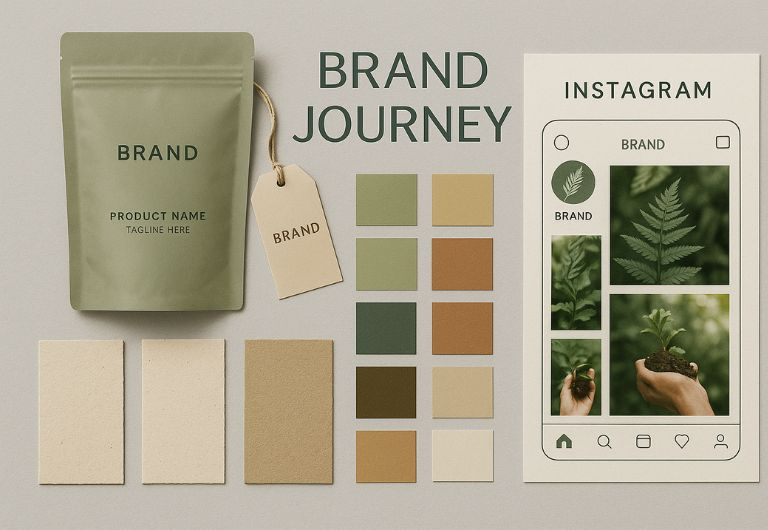
Use a comprehensive brand moodboard and visual style guide to inform all creative decisions. Keep your artisanal elements consistent across digital, print, and physical touchpoints from your Instagram highlights to your shipping labels. Consistency doesn’t mean uniformity; it means having a cohesive language that adapts well to every surface your brand touches.
Case Studies: Artisanal Aesthetics in Action
1. Fount Leather
Handmade in Cleveland, Fount’s leather bags showcase craftsmanship with visible stitching, aged brass, and heritage branding. The story of each bag crafted over 16 hours appears on their website, reinforcing time, effort, and identity. Their use of locally sourced leather and traditional construction techniques resonates deeply with buyers seeking timeless design and ethical production.
2. Meow Meow Tweet (Skincare)
From recyclable paper tubes to hand-drawn label illustrations, Meow Meow Tweet blends modern sustainability with handmade aesthetics in product design. Their branding feels intimate and personal, as though every product was wrapped with care. They also frequently spotlight the makers and their values, reinforcing the connection between craft and conscience.
3. Blue Bottle Coffee
Instead of faux-rustic elements, Blue Bottle embraces a minimal aesthetic that references artisanal quality through simplicity and focus. Their branding avoids overused craft signals and instead centers around thoughtful processes like small-batch roasting and slow-brew techniques. Their website and stores echo this ethos with clean design, neutral palettes, and meticulous copy.
Each brand integrates product authenticity through deliberate choices rooted in purpose not Pinterest boards. These aren’t just visually appealing executions; they’re deeply tied to mission, origin, and process. When design becomes a reflection of philosophy, the result is a brand that feels both grounded and elevated.
SEO & Storytelling Synergy: Amplifying Your Artisanal Brand Online
Using SEO doesn’t mean abandoning artistry. Instead, semantic SEO encourages content that reflects real-world associations and reinforces your brand’s emotional and visual identity. It’s not about keyword stuffing, it’s about weaving contextual meaning throughout your digital presence to elevate both discoverability and narrative.
For example:
- Instead of “authentic look,” use more descriptive, intent-matching phrases like “authentic brand artisanal elements for luxury products” that better signal user intent.
- Instead of “pretty labels,” try a phrase like “handmade aesthetics in product design” which conveys deeper meaning and ties into craftsmanship.
Structure your website content into semantic clusters that align with your brand’s essence. These might include:
- Craftsmanship and Heritage: Featuring blog posts about your material sourcing, artisan collaborations, or traditional methods.
- Behind the Brand: Showcasing maker stories, studio tours, or the evolution of your visual branding.
- Sustainable Artisanal Practices: Explaining eco-conscious techniques like natural dyeing, recycled packaging, or low-waste production.
Anchor your SEO strategy with long-form content pages such as “Our Makers,” “Craft Behind the Brand,” and “The Art of Our Materials.” Each should be rich in narrative, keyword-optimized, and visually immersive. Leverage alt-text in images, meta-descriptions, and schema markup to ensure your artisanal story is not only seen but found.
In short, storytelling and SEO aren’t at odds. When executed properly, they enhance each other, helping your visual branding reflect its true value in every search engine result and on every scroll of the page.
Toolkit: Resources & Tools to Discover Artisanal Expression
Here’s how to make the process tangible and bridge creative ideas with practical execution. These tools not only streamline visual exploration but also empower your brand to maintain an authentic yet scalable aesthetic.
Moodboarding Tools: Canva, Milanote, and Pinterest are excellent for collecting visual inspiration. Use them to compile imagery of materials, motifs, and textures that speak to your brand’s essence. Milanote is particularly useful for laying out visual themes with annotations, while Canva allows easy sharing with collaborators.
Typography Resources: Typewolf and Lost Type Co-op offer curated and niche font collections. Typewolf is great for seeing fonts in action across real-world sites, while Lost Type specializes in distinctive, designer-created typefaces ideal for hand-lettered or retro styles that support your artisanal brand story.
Texture Libraries: Use Unsplash for high-resolution texture photography such as linen, clay, woodgrain, or handmade paper that can add life to your digital mockups or social content. Envato Elements offers extensive mockup kits with textures, vintage overlays, and printable design templates perfect for packaging or branded collateral.
Keyword Research: To align your narrative with search visibility, LSIGraph and Ubersuggest help generate semantic keyword clusters around themes like “handcrafted branding,” “natural packaging,” or “cultural design inspiration.” These tools ensure your content resonates with real user queries while staying rooted in your core story.
Whether you’re designing a label, building your site, or crafting your first blog post these tools provide the functional framework to make your artisanal vision feel as tactile online as it does in the real world.
Conclusion
True authenticity cannot be faked. Brand artisanal elements rooted in cultural identity, craft traditions, and visual storytelling speak louder than trends. From handmade touches on packaging to SEO-powered brand storytelling, these strategies build brands that feel real and unforgettable.
Now is the time to audit your brand. What artisanal touch will you bring to life? Will it be a nod to your ancestral craft? A material that honors local sustainability? A visual design rooted in generational artistry?
The opportunities are endless, but the goal remains the same: to create a brand that doesn’t just sell a product, but tells a story visually, emotionally, and ethically. Embrace this movement not just as a design strategy, but as a brand philosophy. In doing so, you don’t just capture attention you earn trust and loyalty that lasts.
FAQ
1. How can I ensure my artisanal branding doesn’t appear contrived?
Stay rooted in authenticity. Rather than chasing visual trends, base your choices on meaningful narratives such as local crafts, heritage, or family history. Artisanal branding should feel like a reflection, not a costume. Depth always beats decoration. Consumers can spot when something’s real versus role-played.
2. What elements make artisanal branding resonate with luxury audiences?
Luxury buyers crave tactile, thoughtful details. Linen textures, wax seals, debossed logos, and natural materials exude craftsmanship and restraint. Minimalist design, paired with high-quality finishes, signals both sophistication and intent. It’s less about excess and more about meaning. Subtlety becomes the new premium.
3. How can storytelling enhance my artisanal brand identity?
Storytelling connects the dots linking design choices to personal or cultural roots. It transforms packaging into heirlooms and logos into legacy. For instance, a hand-drawn logo isn’t just stylish; it could honor your grandmother’s embroidery. These backstories add gravity and charm. Narrative turns design into memory.
4. Can small businesses benefit from artisanal branding strategy?
Absolutely. Even microbrands can create emotional impact using simple, handmade elements like a handwritten thank-you card or recycled kraft paper. These details signal care and intentionality. You don’t need a big budget to feel human. In a mass-market world, small is often more sincere.
5. How do I balance digital marketing needs with handcrafted authenticity?
Bring the handmade into your online world. Share behind-the-scenes reels of your process, craft-inspired blog stories, or unique microcopy that sounds like you. As one Reddit user shared, “Honestly, when a brand includes the story behind the material, I’m 10x more likely to buy even if it costs more.” The web doesn’t erase authenticity it can amplify it.