
How Brand Archetypes Shape Market Perception: Influence Consumer Behavior and Build Stronger Brands
Introduction: Why Archetypes Matter in a Saturated Market
Let’s face it—today’s market is noisy. Everywhere you turn, brands are vying for your attention. From scrolling your phone to walking down the aisle of a store, you’re bombarded with options. In this oversaturated landscape, simply offering a great product or service isn’t enough anymore. To truly stand out, brands need to forge an emotional connection—one that resonates deeply and authentically.
One of the most powerful (yet often underutilized) tools for doing this is the use of Brand Archetypes. Rooted in timeless psychology and the art of storytelling, archetypes help brands shape not just what people think about them, but how they feel about them—and ultimately, how they engage with them.
In fact, according to Harvard Business Review, a striking 74% of consumers are more inclined to buy from brands that reflect their own values. And 62% of millennials say they feel emotionally connected to at least one brand . In other words, emotional resonance isn’t just a nice-to-have—it’s a business driver.
As branding expert Marty Neumeier so perfectly puts it: “People don’t buy products—they buy better versions of themselves.”
This article explores how Brand Archetypes help brands cut through the noise, inspire loyalty, and create relationships that are as lasting as they are meaningful.
Why Brand Archetypes Are More Than Just a Marketing Trick
Think about the brands you’re drawn to. Is it because of their product specs? Probably not. More likely, it’s because they make you feel something—safe, empowered, free, adventurous, part of a tribe. This is the magic of archetypes.
By embodying a clear archetypal identity, brands craft distinctive personalities that emotionally resonate with their audiences. And in a market where functional benefits are quickly commoditized, emotional connection becomes the ultimate differentiator. Brands that master this are the ones that people don’t just buy from—they champion them, share them, and stay loyal to them.
But beyond differentiation, archetypes offer another superpower: consistency. When used well, an archetype provides a strategic North Star. It guides a brand’s tone of voice, visual identity, and customer interactions, helping create a cohesive brand experience across every touchpoint. Over time, this consistency builds trust—and trust is the currency of modern brand loyalty.
The Psychology Behind Brand Archetypes
The concept of archetypes dates back to the work of Swiss psychologist Carl Jung, who suggested that all humans share a collective unconscious—a reservoir of universal characters and stories that shape our perceptions and behaviors. These archetypes show up across cultures, stories, and experiences, and they tap into some of our most fundamental emotional needs.
In branding, Margaret Mark and Carol S. Pearson brought this concept to life in their groundbreaking book, The Hero and the Outlaw. They demonstrated that when a brand aligns with a particular archetype, it speaks to deep-seated human motivations—things like the need for safety, belonging, mastery, freedom, rebellion, or discovery.
Why does this matter? Because emotions drive purchasing decisions far more than logic does. When a brand evokes the right emotional response—whether it’s the freedom of a Maverick, the care of a Nurturer, or the adventure of an Explorer—it builds loyalty and trust at a level that product features alone can’t touch.
Another remarkable strength of archetypes is their universality. They cross cultural and language boundaries, making them an ideal tool for brands operating in global markets. A brand rooted in authentic archetypal storytelling can resonate just as deeply in Tokyo as it does in Toronto.
Archetypes also provide brands with a lens through which they can better understand their customers. By identifying which archetypal patterns their audience connects with, brands can tailor messaging, tone, and experiences that feel personal and relevant. In short: they speak to what their customers really care about, not just what they say they want.
Emotional Engagement Through Archetypes
Emotional engagement through archetypes isn’t just a marketing theory—it’s a powerful, practical tool that can transform how people feel about a brand. When a brand mirrors its audience’s values, dreams, or sense of self, it sparks an emotional connection that goes far beyond simple transactions. That connection builds trust, loyalty, and even advocacy. In essence, it helps turn customers into passionate brand ambassadors.
Take Nike, for example. The brand’s Hero archetype inspires consumers to push their limits and strive for greatness. It taps into the universal human desire to overcome challenges and become stronger—something that resonates deeply with millions of people. Or think of Apple—its Creator archetype champions innovation, self-expression, and thinking differently. For consumers who identify as creative and forward-thinking, Apple becomes more than a brand—it becomes part of their identity.
These kinds of emotional bonds aren’t just warm and fuzzy; they deliver real business results. Emotionally engaged consumers are far more likely to remember and choose brands that make them feel something. By consistently communicating through a clear archetypal lens, brands can create experiences that stick in people’s minds and hearts—driving both immediate engagement and lasting loyalty.
And here’s another powerful benefit: resilience. Brands with strong emotional connections are better equipped to weather tough times. When markets fluctuate or crises hit, consumers who feel bonded to a brand are more likely to stand by it. In other words, investing in emotional engagement today helps build a brand community that can sustain the business tomorrow.
Universal Human Desires and Brand Alignment
Archetypes are so effective because they speak to universal human desires—the deep-seated needs and motivations that drive us all. By aligning their messaging with these timeless desires, brands can craft stories that feel incredibly relevant and emotionally resonant.
For example, the Caregiver and Ruler archetypes appeal to those seeking safety, security, and control. The Everyman and Lover tap into our need for belonging and connection. The Hero and Creator address our drive for mastery, achievement, and self-expression. Meanwhile, the Explorer and Innocent archetypes speak to our yearning for freedom, adventure, and wonder. The Outlaw resonates with people who value rebellion and disruption, while the Sage and Magician inspire those on a quest for knowledge and transformation.
When brands align with these intrinsic desires, they create narratives that feel both timeless and cross-cultural—stories that resonate whether you’re in New York, Nairobi, or New Delhi. This emotional alignment taps into enduring human motivations that don’t change with trends or technology. And because these motivations are consistent over time, they give brands a stable foundation for building long-term relationships.
Perhaps most importantly, this kind of alignment fosters authenticity. When brands genuinely reflect the values and desires of their audience—not just mimic them for marketing’s sake—their stories become believable and magnetic. That authenticity deepens emotional connections, strengthens brand credibility, and keeps consumers coming back—not just for what the brand sells, but for what it stands for.
Impact of Archetypes on Content Marketing
The impact of archetypes on content marketing is both profound and practical. When a brand’s content consistently reflects its archetype, it fosters a sense of authenticity and consistency—two key ingredients for building deeper audience engagement. For instance, a brand aligned with the Sage archetype naturally gravitates toward creating educational content that positions it as a trusted thought leader. Meanwhile, a brand embracing the Jester archetype thrives on producing entertaining, lighthearted content that fosters community and delight.
One telling example of this impact comes from a lively Reddit discussion, where a marketer shared that discovering their brand’s archetype completely transformed their content marketing strategy. With this new narrative framework in place, their content suddenly felt more coherent and resonant—sparking stronger connections with their audience.
Beyond inspiring content ideas, archetypes guide content creation by offering a clear framework for tone, style, and messaging. This consistent expression of brand personality builds trust and strengthens brand identity. When consumers repeatedly encounter content that authentically reflects a brand’s archetype, it cultivates a sense of familiarity—deepening their brand experience and fostering loyalty over time.
But it doesn’t stop there—archetypes also inform content strategy at a more strategic level. By understanding which archetypal themes resonate with their target audience, brands can craft more targeted content strategies. This enables them to address specific consumer needs and aspirations with greater precision—enhancing content relevance, boosting engagement, and ultimately driving stronger conversion rates.
How Archetypes Shape Consumer Perception & Behavior
At its core, brand perception is shaped by the emotional and psychological associations that consumers form with a brand. Archetypes offer a powerful tool for shaping these associations in ways that feel both memorable and meaningful. When a brand consistently embodies a particular archetype, it communicates a clear and cohesive brand personality—evoking specific emotional responses and aligning with the identity aspirations of its audience. This alignment fosters deeper consumer trust and loyalty, influencing not just initial purchase decisions but also driving long-term brand advocacy.
The influence of archetypes goes beyond shaping perception—it directly impacts consumer behavior. People are naturally drawn to brands that reflect their self-concept and values. When they see a brand that mirrors who they are—or who they aspire to be—they’re more likely to engage with it, make a purchase, and even champion it to others. By strategically embodying archetypes that resonate with their audience, brands can inspire deeper engagement and influence key consumer behaviors, from brand preference and purchase intent to lasting loyalty and active advocacy.
Additionally, archetypes play a crucial role in brand differentiation. In a world of crowded, competitive markets, brands that harness archetypes to craft distinctive personalities and compelling narratives naturally stand out. This differentiation not only enhances brand visibility and attractiveness but also fuels greater consumer interest and engagement—helping brands rise above the noise and create lasting emotional impact.
Case Studies: Brands Successfully Using Archetypes
Some of the world’s most iconic brands offer powerful lessons in the successful application of archetypes. Take Nike, for example—through its Hero archetype, the brand inspires consumers to “Just Do It,” championing a narrative built on perseverance and achievement. Meanwhile, Patagonia perfectly embodies the Explorer archetype, promoting environmental responsibility and the spirit of outdoor adventure—appealing to consumers’ innate desire for freedom and discovery. Then there’s Harley-Davidson, which leans unapologetically into the Outlaw archetype, capturing the essence of rebellion, non-conformity, and the open road—building a fiercely loyal community of enthusiasts.
The results speak for themselves. According to the Prophet Brand Relevance Index, brands that effectively employ archetypes enjoy an average 23% higher brand equity score, underscoring just how impactful this approach can be.
These case studies also highlight a crucial truth: authenticity is everything in archetypal branding. Each of these brands has carefully aligned its chosen archetype with its core values and what its audience genuinely expects. The result? Compelling, credible narratives that forge deep emotional connections and build enduring trust.
Perhaps even more inspiring is the versatility of archetypes. Brands across a wide range of industries and market segments can leverage archetypes to craft differentiated, emotionally rich narratives. Whether you’re in tech, fashion, travel, or finance, archetypes offer a universally applicable framework for building a brand that resonates.
Consumer Insights from Social Platforms
Today’s social platforms offer a fascinating window into how consumers engage with brand archetypes in the wild. In one insightful Reddit discussion, someone posed the question: “What archetype fits a Nike-style brand personality?” The consensus? Nike is the quintessential Hero archetype, encouraging people to push boundaries and surpass their limits. Conversations like these reveal just how deeply archetypal branding can permeate consumer perception—and how important it is for brands to maintain consistency in their archetypal expression.
What’s more, these insights highlight that brand perception is never static. Consumers actively interpret and help shape brand narratives. For brands, this means staying attuned to audience feedback and the subtle shifts in how they are perceived. Regularly engaging with consumers on social platforms offers valuable opportunities to build stronger dialogue and deepen connection.
Beyond engagement, social platforms provide a goldmine of insights for refining archetypal strategies. By monitoring discussions and sentiment around their brand, marketers can spot emerging trends and new opportunities to enrich their archetypal storytelling. This proactive, listening-based approach ensures that brand narratives stay relevant and resonant—meeting evolving audience expectations with authenticity.
Choosing & Applying Brand Archetypes Strategically
Selecting the right archetype for your brand is both a creative and strategic endeavor—equal parts art and science. It begins with a deep understanding of your brand’s core values, your customer psychographics, and the broader competitive landscape. But choosing an archetype is only the first step. To be effective, it must be authentically embodied across all brand touchpoints—from messaging and visual identity to customer experience and even internal culture.
This is not a “set it and forget it” process. Markets change. Consumer expectations shift. Which is why a truly strategic approach to archetypal branding involves ongoing evaluation and adaptation. Periodic reassessment helps ensure that your brand’s archetypal alignment stays fresh, relevant, and true to evolving audience needs and market conditions.
Finally, for archetypal branding to work at its best, it requires full cross-functional alignment. It’s not just about what your marketing team says—it’s about how your products, customer service, and internal communications all consistently reflect your chosen archetypal identity. This kind of holistic approach is what creates a truly cohesive, authentic brand experience—one that resonates emotionally and builds credibility at every interaction.
Combining Multiple Archetypes
One of the most interesting questions in archetypal branding is whether to adopt a single archetype or thoughtfully combine complementary ones. It’s a topic that frequently pops up on forums like Reddit, where one user asked: “Should I choose one archetype or combine two/three for my brand?” The answer, as with many things in branding, depends—it hinges on the brand’s complexity and the diversity of its audience.
When done well, combining archetypes can bring extra richness and dimension to a brand narrative. But it takes care and intention to maintain clarity. For example, a tech startup might naturally blend the Creator archetype (focusing on innovation) with the Explorer archetype (emphasizing discovery). A luxury brand could elegantly combine the Ruler archetype (authority) with the Lover archetype (sensuality). Meanwhile, a wellness brand might integrate the Caregiver archetype (nurture) with the Sage archetype (wisdom).
The key is to ensure that any combined archetypes create a cohesive and authentic brand narrative—one that feels intentional and resonates across every interaction.
Successfully combining archetypes is about finding the right balance between consistency and depth. A brand’s archetypal expressions need to be clear and aligned across all touchpoints—from visual identity and tone of voice to customer experience—to avoid sending mixed signals or creating a fragmented narrative. When executed thoughtfully, a multi-archetype strategy can add powerful layers of meaning and emotional resonance, helping brands forge stronger connections with an increasingly diverse audience.
Beyond storytelling depth, combining archetypes also gives brands an opportunity to address multiple audience segments and needs. By carefully integrating complementary archetypes, brands can create layered narratives that appeal to a broader range of consumers—enhancing both inclusivity and emotional engagement, and driving stronger loyalty in the process.
Balancing Strategy with Audience Perception
Of course, executing a multi-archetype strategy requires a clear-eyed understanding of how your audience actually perceives your brand. While this kind of strategy can enrich your brand narrative, it must be carried out with clarity to avoid brand dilution. Above all, the guiding principle is consistency: your brand’s voice, visuals, and actions should all coherently reflect its archetypal identity.
As one insightful Reddit comment put it: “Pick an archetype that fits closest… then let the market decide what brand archetype you have.” This highlights a vital truth: while brands can set strategic intentions, it’s equally important to stay open to organic audience perception. The most effective archetypal branding balances internal strategy with how the brand naturally evolves in the minds and hearts of its consumers.
Engaging with these audience perceptions offers valuable insights for refining brand narratives. By actively listening to consumer feedback and monitoring brand sentiment, marketers can gain a richer understanding of how their archetypal expressions are being received and interpreted. This ongoing feedback loop allows for continuous refinement and enhancement of archetypal storytelling.
Equally important is fostering a two-way dialogue with consumers. Inviting them to participate in the brand narrative—through campaigns, community engagement, or social storytelling—deepens emotional connections and cultivates a sense of community and shared identity. This participatory approach not only enhances brand loyalty but also turns consumers into active brand advocates, helping your narrative resonate even further.
Pitfalls to Avoid: Inauthenticity & Clichés
While archetypes can offer tremendous strategic value, they aren’t without their potential pitfalls. A common concern—often voiced in Reddit discussions—is that archetypes can come across as cliché or even manipulative if applied superficially or without authenticity. In fact, nothing turns consumers off faster than a brand that feels like it’s “playing a role” rather than embodying its true identity. To avoid this trap, brands must ensure their archetypal alignment is genuine and deeply connected to their core values. Superficial adoption of an archetype risks eroding trust, alienating consumers, and ultimately undermining brand credibility.
At the heart of successful archetypal branding is one guiding principle: authenticity. Before adopting an archetype, brands should engage in thoughtful introspection to ensure that their chosen persona truly reflects their identity and values. When there’s genuine alignment—and when brands steer clear of tired, clichéd expressions—they create space for deeper emotional connections and lasting trust with their audience.
It’s also important to remember that while archetypes are a powerful tool, they should complement—not overshadow—other critical aspects of brand-building. Brands should avoid over-reliance on archetypes at the expense of comprehensive brand strategy, audience research, and value-driven storytelling. Striking this balance ensures that archetypes enrich a brand’s voice without limiting its expression or flattening its narrative. When integrated thoughtfully, archetypes can amplify a brand’s story while leaving plenty of room for nuance and growth.
Ethical Considerations in Archetypal Branding
Of course, it’s not just about strategy—it’s also about doing the right thing. Ethical considerations should always be front and center in archetypal branding. One candid Reddit user remarked: “Is manipulating people’s unconscious responses for your own gain unethical? Sadly it’s the industry standard.” This comment serves as a powerful reminder: the line between inspiring and manipulating can be thin if brands aren’t mindful.
The ethical application of archetypes hinges on ensuring genuine alignment between brand values and archetypal expression. Storytelling should be grounded in transparency and authenticity, not used as a veneer to manipulate psychological responses. Building enduring trust with consumers means honoring their intelligence and respecting their autonomy—not trying to trick them into a purchase.
An ethical approach also means considering how your brand’s narratives impact broader society. Brands should seek to empower consumers with authentic stories that resonate with their values and aspirations—not exploit psychological triggers for short-term gain. The goal should be to foster informed engagement, where consumers feel a genuine connection with the brand, not manipulated by it.
Additionally, practicing ethical archetypal branding requires sensitivity to cultural contexts and an awareness of social issues. Brands must be vigilant to avoid perpetuating harmful stereotypes or reinforcing negative social dynamics through their archetypal narratives. Instead, they should strive to foster inclusive, empowering expressions that contribute positively to the cultural conversation. In doing so, brands can not only build stronger relationships with their audiences, but also play a meaningful role in driving more thoughtful and responsible storytelling in the industry.
Importance of Deep Audience Research
While archetypes are a powerful tool, they should always complement—not replace—deep audience research. As one thoughtful Reddit user pointed out, “Decent customer research involves a lot more depth than that.” And they’re absolutely right. Truly meaningful archetypal branding starts with a rich understanding of your audience—their nuanced needs, motivations, and the cultural contexts that shape how they see the world.
To craft archetypal narratives that genuinely resonate, brands must invest in comprehensive audience research. This means going beyond surface-level demographics to explore what drives your consumers at a deeper level. Surveys, focus groups, social listening, and even ethnographic studies can all yield valuable insights into your audience’s values, aspirations, and cultural context. Armed with this understanding, brands can create archetypal storytelling that feels both emotionally resonant and culturally relevant.
Just as important, this research shouldn’t be a one-and-done exercise. As consumer values and cultural dynamics evolve, brands need to stay attuned and continuously update their understanding of their audience. This adaptive approach allows brands to refine their archetypal expressions over time, ensuring they stay relevant and connected in an ever-changing marketplace.
Brand Archetypes in Action: Case Studies & Examples
When it comes to bringing archetypes to life, some of the most beloved brands show us what’s possible. Apple, through its Creator archetype, encourages us to “Think Different” and empowers users to innovate and express themselves. Lego blends the Creator and Explorer archetypes, inspiring creativity and discovery through play. Nike, the classic Hero archetype, motivates consumers to strive for greatness and overcome challenges. And Patagonia, as the Explorer archetype, champions environmental stewardship and the spirit of adventure.
These brands show just how powerfully archetypes can shape compelling and resonant brand narratives—stories that drive consumer engagement and fuel brand loyalty.
Importantly, this isn’t a strategy reserved for global giants. The versatility of archetypes means that brands of all sizes and across every industry can harness their power. Boutique wellness brands, artisanal food companies, and purpose-driven startups frequently use archetypes to build strong emotional connections with their niche communities. These examples prove that archetypal branding is accessible, effective, and highly adaptable for brands of every shape and scale.
Application of Archetypes in B2B Branding
It’s a common misconception that archetypes only apply in the world of B2C branding. In reality, they’re just as valuable in B2B—sometimes even more so. A great example comes from a Reddit discussion where someone asked, “Has anyone used archetype sub-types for B2B persona development?” The answer: a resounding yes.
More and more B2B brands are turning to archetypes to humanize their messaging and foster emotional connections in markets that have traditionally leaned heavily on logic and reason. Imagine a cybersecurity firm adopting the Protector archetype, emphasizing safety and reliability. Or a consulting agency embodying the Sage archetype, positioning itself as a trusted source of wisdom and expertise. A fintech startup might channel the Magician archetype, highlighting its role in delivering transformative innovation. In each case, archetypes help make these brands feel more relatable and emotionally engaging.
Beyond external messaging, archetypes can also enhance internal alignment within B2B organizations. Clearly defining a brand’s archetypal identity helps teams—across marketing, sales, and customer service—rally around a shared story and voice. This fosters greater consistency across every touchpoint, creating a more unified and powerful brand experience for B2B clients.
And there’s another key opportunity: thought leadership. By adopting archetypes such as the Sage or the Magician, B2B brands can carve out a leadership position in their industries—projecting trust, credibility, and vision. In doing so, they not only win business, but also build long-term relationships grounded in emotional connection and shared values.
Global Scalability and Cultural Nuances
One of the great strengths of Brand Archetypes is their ability to support global scalability by tapping into universal human narratives. Stories of the Hero, the Explorer, the Caregiver—these archetypes resonate across cultures because they reflect fundamental human experiences. But while the themes may be universal, the way they are expressed must be handled with care. Cultural nuances matter. Without thoughtful adaptation, a brand risks feeling tone-deaf or irrelevant in certain markets.
To ensure true relevance and resonance, brands need to adapt their archetypal expressions to align with local values and cultural expectations. For instance, while the Hero archetype might strongly resonate in individualistic cultures that celebrate personal achievement, it may need to be framed around collective success in more collectivist cultures. Successful global brands strike this balance beautifully—blending universal archetypal themes with culturally sensitive adaptations so that their stories feel both globally coherent and locally authentic.
One highly effective way to achieve this is through collaboration with local cultural experts. These experts bring invaluable insight into local nuances, helping brands tailor their narratives in ways that genuinely resonate with local audiences. A collaborative approach fosters deeper cultural sensitivity and enhances overall brand relevance in each market.
Beyond adaptation, brands should actively embrace cultural diversity in their archetypal expressions. Celebrating and incorporating diverse cultural perspectives doesn’t just enrich the narrative—it helps brands forge stronger emotional connections with audiences around the world. An inclusive approach strengthens brand appeal and fosters a genuine sense of belonging that transcends cultural boundaries.
Conclusion: Building an Archetype-Driven Brand That Lasts
At their best, Brand Archetypes offer an incredibly powerful framework for shaping market perception, influencing consumer behavior, and building stronger, more human brands. When applied authentically and strategically, they help brands create deep emotional resonance that drives loyalty, fosters brand differentiation in crowded markets, and aligns internal brand culture with external brand expression.
That said, it’s crucial to remember: archetypes are tools—not templates. Their effectiveness depends on a foundation of deep audience understanding, consistent execution, and above all, ethical application. As one Reddit commenter wisely noted: “Pick an Archetype that fits closest… then let the market decide what brand archetype you have.” In other words, brand building is not a one-way monologue; it’s a dynamic dialogue between intention and perception.
By embracing the timeless power of archetypal storytelling, brands can move beyond purely transactional relationships and build lasting emotional bonds with their audiences—a competitive advantage that is both timeless and invaluable.
Ultimately, building an archetype-driven brand is not a quick win; it’s a long-term commitment to authenticity, relevance, and cultural sensitivity. Brands that continually invest in understanding their audience, adapting their narratives, and fostering genuine emotional connections will be the ones that thrive—especially in today’s increasingly complex and competitive marketplace.
The beauty of archetypal branding is that the journey is never truly complete. It’s an ongoing opportunity for growth, innovation, and deeper meaningful engagement with consumers around the world. For brands willing to walk that path, the rewards are well worth the effort.
FAQ
1. How to determine your brand archetype?
To determine your brand archetype, start by clarifying your brand’s core mission, values, personality, and emotional promise. Understand what role your brand plays in your customers’ lives and what deeper human needs it fulfills. Conduct internal workshops and customer research to explore archetypal alignments. Finally, test your selected archetype across brand touchpoints for authenticity and resonance.
2. What are the 12 brand archetypes?
The 12 brand archetypes are: Innocent, Explorer, Sage, Hero, Outlaw, Magician, Regular Guy/Girl, Lover, Jester, Caregiver, Creator, and Ruler. Each represents universal human motivations and emotional triggers. Brands use these archetypes to craft consistent, relatable personalities that connect with audiences on a deeper level. Selecting the right archetype helps drive storytelling, messaging, and brand experience.
3. What archetype is Red Marrow?
Red Marrow aligns closely with the Creator and Magician archetypes. As a branding and creative agency, it fosters imagination, innovation, and transformative storytelling for its clients. The Creator archetype guides its pursuit of originality and aesthetic excellence, while the Magician archetype reflects its ability to turn brand visions into reality and spark meaningful change through strategic creativity.
4. Can a brand have multiple archetypes?
Yes, a brand can embody a primary archetype supported by secondary archetypal traits. This layered approach allows brands to express more nuanced personalities and adapt to varied audience segments. However, maintaining clarity and consistency is key—too many archetypes can dilute the brand’s identity. The primary archetype should remain the guiding force across all brand communications.
5. What is the ruler brand archetype?
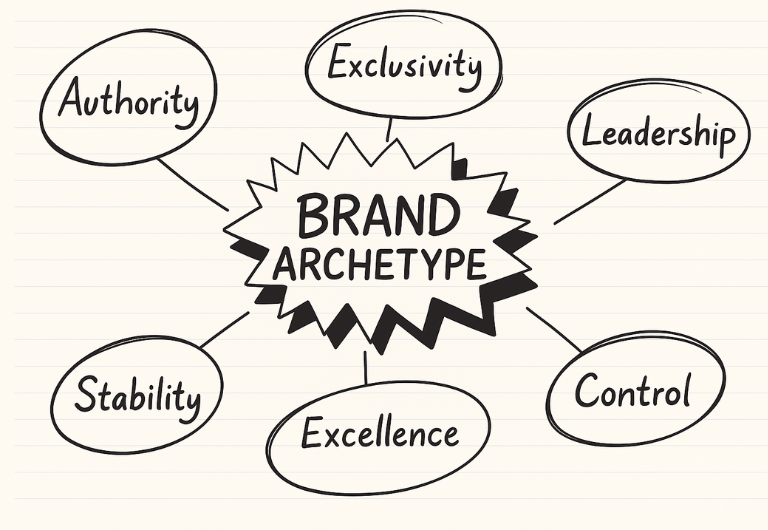
The Ruler archetype embodies leadership, control, and the pursuit of excellence. Brands with this archetype position themselves as authorities or market leaders, promising stability, quality, and success. They appeal to customers who value security and aspire to elevated status. Typical Ruler brands include luxury goods, financial services, and high-end professional services, where trust and prestige are paramount.