
Harnessing Micro-Community Influence to Strengthen Brand Presence
Introduction
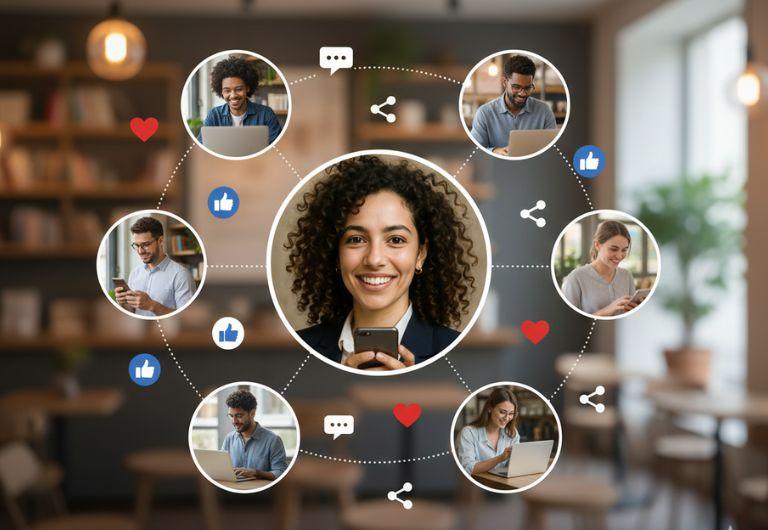
For decades, marketing power was defined by one thing: reach. Brands chased big numbers and even bigger stages, from television ratings to mass-market ad buys to social media influencers with follower counts in the millions. But over the last ten years, something fundamental has shifted. Our culture has splintered, digital spaces have multiplied, and people no longer look to loud, public broadcasts to decide what they think. Instead, they’re turning inward toward tight, highly focused communities where conversations feel personal, where belonging feels real, and where recommendations come from people they genuinely trust.
These groups are what we call micro-communities. And today, they are quietly becoming one of the most powerful forces in shaping modern brands. As global attention spreads thin across countless online and offline spaces, the advantage no longer belongs to the brand that reaches everyone. It belongs to the brand that becomes meaningfully relevant within the smaller circles where it truly matters. And nowhere is this shift more visible than in Dubai, a city built on diversity, layered identities, and an unusually dense mix of expatriate groups, niche interests, and passion-driven lifestyles.
In a place like this, Brand Micro-Community Influence isn’t just another marketing play. It has become a transformative strategy, one that allows brands to show up with real authenticity, to make smarter and more efficient choices, and to build commercial impact by genuinely embedding themselves into the communities people care about most.
From Mass Visibility to Meaningful Influence
Traditional brand strategy used to follow a pretty straightforward formula: raise your voice, cast a wider net, and more people will hear you. But today, audiences are tired. They’re overstimulated, over-messaged, and frankly, over it. The more brands push themselves into people’s feeds and screens, the more consumers slip into survival mode and tune everything out.
It isn’t personal. It’s self-preservation. And the numbers tell the same story. Edelman’s ongoing research points to a steady decline in trust toward advertising and even big-name influencers. People aren’t easily swayed by polished scripts and glossy endorsements anymore. They’re learning to spot paid promotion instantly, and they’re getting better at filtering it out.
In markets like the UAE, this fatigue is even more pronounced. Here, a striking 92 percent of consumers say they trust recommendations from people within their own community more than any official brand message. Trust has shifted away from authority and toward belonging.
Why Micro-Communities Feel So Real
Micro-communities fit perfectly into this new reality because they’re not built on passive following. They’re built on shared experience. They feel like circles you choose, not channels that chase you.
Think about it. A group of cyclists who meet every weekend doesn’t just exchange ride routes. They swap advice, celebrate wins, and look out for one another. A new-mother support group does more than trade parenting hacks; it creates a sense of safety during an overwhelming life stage. Even a WhatsApp group of crypto enthusiasts becomes a place where people learn together, debate, and sometimes even argue their way into clarity.
These spaces are alive. They work because every member has a voice. Influence goes both ways. Trust grows out of participation, not performance. No one is trying to “sell” the group on who they are. They simply show up consistently, and that consistency becomes credibility.
Where Brands Fit In
When a brand enters these communities with genuine respect and understanding, something powerful happens. Endorsement stops being a transaction. It becomes a reflection of identity.
People don’t say “I use this brand because they paid someone to promote it.”. They say “I use this because people like me use it.” And that subtle shift from persuasion to identification is where modern influence truly lives. Micro-communities give brands what mass marketing never could: a place where trust forms naturally, where relevance is earned, and where being real matters far more than being loud.
The Role of Identity in Community-Driven Markets
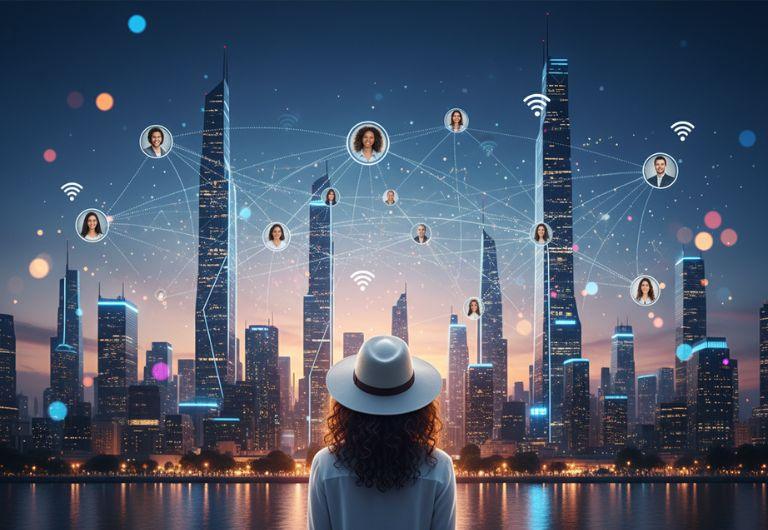
Identity has quietly become one of the strongest forces shaping how people spend their money. We don’t just buy products anymore; we buy reflections of who we are, where we fit in, and what we genuinely care about. When a brand earns a place inside a micro-community, it doesn’t just become visible. It becomes meaningful. It becomes part of the symbols, rituals, and shared language that hold the group together.
In moments like that, a product stops being a simple commodity. It becomes an invitation a way for someone to express “this is who I am” and “this is where I belong.”
When Products Become Participation
Consider a sportswear brand woven into Dubai’s growing paddle-tennis scene. It’s not just selling shirts or rackets. It’s offering people a way to step onto the court and feel like part of a lifestyle the community proudly celebrates.
Or look at a halal skincare brand embraced by Arab beauty enthusiasts. It isn’t just offering formulas. It’s reinforcing cultural pride, shared values, and the comfort of knowing a product aligns with one’s identity and beliefs. When brands resonate at this level, they stop being things people buy. They become tools for belonging.
Why Micro-Communities Outperform Influencers
This deep identity link is exactly why micro-community influence often outshines traditional influencer marketing. Macro influencers can spark inspiration, but inspiration doesn’t necessarily move people to act. Micro-communities, on the other hand, drive real adoption because the social validation comes from people who matter, peers, friends, familiar faces.
When someone shares a product within their community, they’re not doing it to boost a brand. They’re reinforcing their membership in the group. They’re saying, “This fits who we are.” That kind of advocacy is powerful. It’s long-lasting, self-sustaining, and often grows naturally as the community grows.
Why Dubai Is the Perfect Micro-Community Market
Dubai’s magic doesn’t just come from its skyline or its speed of innovation. It comes from its people. With more than 200 nationalities living side by side, the city doesn’t operate like a single market. It behaves more like an ecosystem alive, layered, and constantly shaped by a mix of cultures, languages, and lifestyles.
Walk through any neighborhood and you’ll see this diversity in motion. Filipino professionals with deep community bonds supporting one another’s careers. Arab mothers swapping creative childcare ideas. Indian entrepreneurs pushing the frontiers of tech adoption. European residents championing sustainability, wellness, and mindful living. And that’s only the surface.
Zoom in even further and the micro-communities become even more intricate. Vegan cyclists planning their weekly routes. High-performance athletes comparing training hacks. Robotics enthusiasts building prototypes together. Elite gamers organizing tournaments. Bespoke coffee lovers debating roast profiles. Startup founders co-creating the future over late-night gatherings.
Each of these groups is small, but their influence is powerful because their interests are so focused and their connections so strong. This makes Dubai a rare and extraordinary opportunity for brands. Instead of spending resources trying to speak to everyone in a culturally diverse environment, brands can accelerate growth by engaging the clusters where decisions are already shaped organically. In Dubai’s multicultural landscape, earning trust in even one micro-community can open doors to broader regional impact. Culture travels through the people who live it. And in Dubai a city intentionally built for connection and exchange that cultural ripple can spread surprisingly fast.
The Shift from Audience Management to Community Stewardship
Brands that choose to operate inside micro-communities have to rethink their entire approach. The goal is no longer to convince people. It’s to genuinely participate. These communities have their own values, their own vocabulary, their own rituals, and their own rhythm. Entering that space requires humility and respect.
A brand can’t show up like a spotlight-seeking guest. It has to behave like someone who contributes something meaningful. When a brand truly aligns with what a community cares about, advocacy becomes effortless. People naturally talk about what feels relevant to their shared identity. But the reverse is just as true. The moment a brand prioritizes sales over sincerity, the community senses it and closes the door just as quickly.
Building Community-Centric Teams
This shift is pushing the most forward-thinking organizations to evolve their marketing capabilities. Traditional skills are no longer enough. Today’s teams are developing cultural intelligence, anthropological insight, deep social listening, and the ability to collaborate with real people in real communities.
Instead of designing campaigns in isolation, they co-create products, experiences, and stories alongside the community members they hope to serve. This collaboration transforms the brand’s role. It becomes a facilitator, someone who helps unlock collective value instead of dictating it from above. And when a brand earns influence this way, it’s a type of trust that money can’t buy. It is organic, grounded, and enduring.
Why Micro-Community Influence Delivers Real Results
When micro-community influence is done right, it fuels both commercial growth and reputation-building at the same time. Trust develops more quickly because recommendations come through real relationships not ads, not scripts, but people speaking to people. That kind of intimacy gives a brand instant credibility.
Conversion also rises because community endorsement acts as built-in validation. Customers feel safer trying something that has already been embraced by “their people.” Over time, this translates into stronger lifetime value. Loyalty lasts longer when it’s tied to a sense of identity and belonging, not just convenience or price.
There’s another benefit too: marketing becomes more efficient. Communities don’t just consume stories. They create them. They share experiences, spark conversations, and naturally extend the brand’s reach. At a time when customer acquisition costs keep climbing, micro-community influence stands out as one of the few strategies capable of providing both depth and sustainability.
Communities as Real-Time Co-Creators
Micro-communities also give brands something extremely valuable real-time, unfiltered feedback. When the community becomes actively involved in shaping product features, communication messages, or service enhancements, the brand evolves in step with real user needs. It’s no longer guessing. It’s learning directly from the people who matter.
This reduces risk, accelerates innovation, and keeps the brand anchored in relevance. The result isn’t just stronger visibility. It’s resilience. The kind of resilience that comes from being woven into the everyday conversations, habits, and identities of the communities a brand serves.
The Changing Geography of Influence
One of the biggest misconceptions about micro-communities is that they exist mainly on public social platforms. In reality, the most meaningful influence has quietly moved into private, closed, and intimate spaces Telegram channels, WhatsApp groups, Discord servers, niche meetups, and tightly knit local activity circles. These are the places where people share honestly, seek advice, and influence each other’s decisions without the noise of the outside world.
Brands can’t simply buy their way into these environments. There are no ad slots for sale, no quick paths to visibility. Access has to be earned. It comes through legitimacy, relevance, and mutual value qualities that communities can sense instantly.
A New Way to Measure Influence
For marketers who grew up measuring success through impressions, views, and follower counts, this shift can feel disorienting. Micro-community influence doesn’t show up neatly on traditional dashboards. It doesn’t look impressive in raw numbers. But it is far more powerful.
To understand impact in these spaces, brands need new measurement systems ones that focus on behavior, advocacy, and emotional momentum. The real questions become: Are people acting differently because of us?, Are they recommending us without being asked?,
Are they sharing our story because it reflects their own?
In micro-communities, influence isn’t measured by how many people saw a message. It’s measured by how many believed in it enough to pass it on and the deeper reason behind that choice.
The Sensitivity Behind Micro-Community Power
The strength of micro-communities comes from the very thing that makes them delicate: trust. These groups are built on identity, shared experience, and mutual respect. So when a brand enters with the wrong intentions pushing for quick wins or trying to manipulate sentiment the backlash can be immediate, public, and long-lasting.
A brand might manage to gain a moment of visibility with a transactional approach, but visibility is not influenced. Influence only happens when a community willingly lets a brand into its inner circle. And that permission cannot be bought, forced, or manufactured. It has to be earned through actions that put the community first and the brand second.
Trust Built Slowly, Earned Through Value
Thriving within micro-communities requires a mindset shift that many brands find difficult: humility and patience. Trust doesn’t appear the moment a brand introduces itself. It grows through repeated acts of contribution, helpful conversations, thoughtful support, relevant expertise, or simply showing up in ways that reflect care.
Communities respond to brands that listen with sincerity, respect cultural codes, and add value without demanding attention in return. Over time, these steady contributions accumulate into something powerful: acceptance.
And once a brand is accepted, it becomes part of the community’s story not as an outsider trying to sell, but as a participant who genuinely belongs.
Micro-Community Influence as the Future of Brand Power
The industry’s direction is unmistakable. People are no longer turning first to Google when they need answers, they’re turning to their group chats. Recommendations now come from friends, teammates, and community peers, not algorithms. Purchase decisions increasingly require social proof from people who feel familiar and trustworthy.
In this environment, reputation stops being something a brand can control through official channels. It becomes a shared asset, shaped and sustained by the community itself. And because of that, the brands that will win in the coming decade won’t be the ones pouring the most money into broad campaigns. They’ll be the ones distributing influence across networks, empowering the people who already shape decisions every day
Belonging as a Commercial Advantage
Marketers have to embrace a new truth: belonging has become a competitive edge. When a brand becomes part of a community’s identity, something people wear, use, or recommend because it reflects who they are, persuasion becomes unnecessary. Buying stops feeling like a transaction. It becomes a form of self-expression.
And once a brand reaches that level of cultural relevance, something extraordinary happens. Its growth becomes self-sustaining. It no longer relies on massive content budgets or attention-grabbing campaigns. Instead, it’s carried forward by the culture, the conversations, and the collective pride of the people who believe in it. That is the real power of micro-community influence and the future of meaningful brand building.

A Strategic Imperative for Dubai’s Next Growth Phase
Dubai’s rapid rise into a global center of innovation, culture, and lifestyle has brought with it an intense competition for relevance. The bar is no longer set at looking modern or technologically advanced. Today, brands must become personally meaningful within the specific groups who are actually shaping tastes, driving conversations, and influencing what becomes “the next big thing.”
Across every major sector startups, hospitality, retail, fintech, wellness, real estate, and luxury there is a shared pressure that didn’t exist a decade ago. The challenge is no longer simply reaching people. It resonates with them. Communities in Dubai expect brands to understand their cultural context, speak their language, honor their identity, and tailor experiences in ways that feel personal rather than mass-produced. People here are discerning. They want authenticity, not theatrics. They want brands that feel culturally aware, not culturally opportunistic. And they want interactions that feel like they were designed for them, not reused from a global template.
In this environment, companies that continue relying solely on mass-market messaging will inevitably see shrinking returns. The messages may be loud, but they won’t land where it matters. But the brands that choose a different path, the ones that step inside trusted community circles and participate with humility will unlock a very different kind of growth. This growth doesn’t come from bigger ad budgets or polished taglines. It comes from connection. It comes from the feeling of “this brand gets us.”
When a brand becomes part of a community’s identity, belonging becomes its greatest driver of momentum. And in a multicultural city built on connection and constant exchange, that kind of belonging spreads quickly, quietly, and far more powerfully than any campaign ever could.
Conclusion
Brand Micro-Community Influence is far more than a marketing technique; it represents a complete redefinition of how brands earn their place in people’s lives. Inside micro-communities, a brand isn’t evaluated by how loudly it speaks or how polished its campaigns appear. It is measured by depth by how meaningfully it shows up, how well it understands the people it hopes to serve, and how authentically it contributes to the collective identity of the group.
When a community reaches the point of saying, “This brand is part of who we are,” something remarkable happens. Presence turns into power. Loyalty becomes generational. The brand stops being just another name in the market and becomes a symbol woven into the lived experiences of the people using it.
This shift also transforms User & Market Branding Perception. Instead of relying on surface-level impressions, perception becomes shaped by lived interactions, shared rituals, and the emotional resonance a brand creates within trusted networks. In a city as diverse and fast-evolving as Dubai, that kind of perception is priceless. It travels across cultures, languages, and social circles with an authenticity no campaign can replicate.
The future of brand presence in Dubai will belong to the organizations that recognize a simple truth: culture does not change in the spotlight. It changes in rooms, cafés, private groups, and weekly meetups spaces filled with people who trust one another and influence one another naturally. To succeed, brands must learn to enter those rooms not as performers or storytellers, but as partners with purpose. Partners who contribute, who listen, who show up consistently, and who genuinely care about the people they hope to serve.
As we move deeper into an era where belonging shapes behavior more strongly than awareness ever could, the most successful brands will not be the ones most frequently seen.
They will be the ones most deeply believed.
FAQ
1. What is micro-community influence in branding?
Micro-community influence refers to the impact small, highly engaged niche groups have on brand perception and purchasing decisions. These communities often form around shared interests, professions, lifestyles, or values, and their recommendations carry strong credibility within their network.
2. Why are micro-communities important for brand growth?
Micro-communities typically have higher trust levels and engagement rates compared to broader audiences. Because members share common interests, recommendations feel authentic and relevant. Brands that successfully connect with these groups often see stronger loyalty, higher conversions, and sustainable word-of-mouth growth.
3. How can brands identify relevant micro-communities?
Brands can identify micro-communities by:
- Monitoring niche social media groups and forums
- Analyzing audience segmentation data
- Tracking industry-specific hashtags and discussions
- Studying customer behavior and interest clusters
- Engaging with specialized influencers or thought leaders
Research and active listening are essential to finding the right communities.
4. What strategies work best for engaging micro-communities?
Effective strategies include personalized messaging, collaborating with micro-influencers, hosting community-specific events, offering exclusive content or early access, and encouraging user-generated content. Authentic participation and genuine value delivery are more effective than broad promotional tactics.
5. How can businesses measure the impact of micro-community engagement?
Impact can be measured through engagement rates within targeted groups, referral traffic, conversion rates, brand mentions in niche discussions, and repeat purchase behavior. Strong advocacy and sustained interaction indicate successful micro-community influence.