
Branding Identity: Merging Visuals and Voice for Maximum Impact
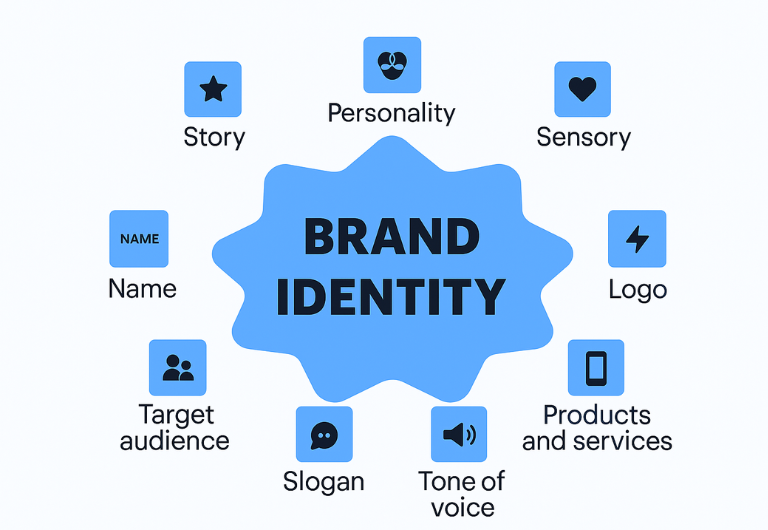
In today’s fast-paced digital landscape, where competition is fierce and consumer attention spans are fleeting, establishing a strong brand identity is no longer a luxury—it’s a necessity. A brand identity is not merely about a logo or a catchy tagline; it’s a comprehensive representation of a company’s values, personality, and promise to its customers. As we venture into 2024, the significance of a cohesive and authentic brand identity has only intensified, driven by market trends such as the rise of AI, the decline of third-party cookies, and the increasing demand for authenticity.
Why Brand Identity Matters More Than Ever
The Strategic Imperative
According to a Forbes article on the increasing importance of brand identity in 2024, the shift to a digital-first business model necessitates a distinct and authentic brand identity. The crowded digital landscape, coupled with the decline of third-party cookies, means that brands must build direct trust and recognition with their audiences. Moreover, the rise of AI-generated content has underscored the importance of creating a genuine, human brand identity that stands out from generic AI outputs.
Expert Insight: Having a distinct and authentic brand identity and an emotional connection with your audience is more critical than ever,” states a Forbes Communications Council member.
The Visual and Voice Synergy
A strong brand identity merges visual elements with a consistent voice. As highlighted by Photoroom, visual brand identity includes all visible elements such as logos, color palettes, typography, and imagery. These elements are not just decorative; they are strategic assets that influence consumer perception and purchasing decisions.
Sourced Fact: Brand identity is the visible elements of a company’s brand, including consumer perception, colors, design, and its logo,” notes Photoroom.
Crafting a strong visual presence must go hand-in-hand with developing a unique brand voice. The tone, language, and messaging used across all platforms should reflect the brand’s core values and resonate with the target audience.
Building a Strong Brand Identity: A Practical Guide
Key Components of Brand Identity
Building a strong brand identity involves several key components that must work harmoniously:
1. Logo Design: The logo is often the first visual element potential customers will encounter. It should be simple, memorable, and reflective of the brand’s ethos.
2. Color Palette: Colors evoke emotions and convey messages. Choosing the right color palette can significantly impact consumer perception.
3. Typography: The choice of fonts should align with the brand’s personality and be used consistently across all materials.
4. Voice and Tone : This involves deciding how the brand will communicate with its audience. Is the tone formal or casual? Friendly or authoritative?
5. Imagery and Photography: Visuals should complement the brand’s story and values, providing a cohesive aesthetic across all platforms.
Digital Marketing Integration
Parashift Tech underscores the importance of integrating brand identity with digital marketing strategies to drive business growth. This involves aligning the core elements of brand identity with specific digital marketing channels such as SEO, content marketing, social media, and PPC.
Actionable Tip: Ensure that your brand’s messaging and visuals are consistent across all digital touchpoints to build recognition and trust.
Expert Quote: “Consumers today demand authenticity and transparency from the brands they engage with. Being genuine in your messaging, design, and interactions can help build trust and loyalty, which are critical for long-term success,” notes Parashift Tech.
Consistency is Key
Consistency across all channels is crucial for building a strong brand identity. Whether it’s your website, social media profiles, or email marketing campaigns, every touchpoint should reflect your brand’s personality and values.
Sourced Fact: “Consistency is key when it comes to content messaging. Every piece of content should reflect your brand’s personality and values,” emphasizes Parashift Tech.
The Role of Authenticity and Human Connection
In a world brimming with digital noise and AI-generated content, authenticity serves as a differentiator. Forbes highlights that a brand’s authentic identity is its most valuable asset for building human connection. Authenticity fosters trust and loyalty, which are essential for long-term success.
Storytelling with a Human Touch
Storytelling is a powerful way to convey a brand’s values and connect with audiences on an emotional level. Brands that prioritize authenticity and storytelling with a human touch can navigate the complexities of the digital age while fostering genuine connections with their audience.
Expert Insight: “By prioritizing authenticity, storytelling with the human touch and immersive technology, brands can navigate the complexities of the digital age while fostering loyalty, trust, and a genuine connection with their audience,” states Forbes.
Visual Brand Identity: A Tactical Approach
Photoroom provides a hands-on guide to creating a visual brand identity, emphasizing the importance of a cohesive brand kit or visual style guide. This practical asset ensures consistency across all marketing materials.
Creating Your Brand Kit
1. Define Your Core Visual Elements: Start with the basics—logo, color palette, typography, and imagery. Ensure these elements align with your brand’s values and story.
2. Develop a Visual Style Guide: Document your brand’s visual guidelines to ensure consistency across all platforms. This guide should include rules for logo usage, color codes, typography choices, and image styles.
3. Use Visual Examples: Incorporate well-known brands as visual examples to convey your brand’s identity effectively. Visual aids make concepts easy to grasp and apply.


Evolving with Market Trends
A successful visual identity requires periodic reevaluation to stay relevant. As market trends, competitor moves, and customer expectations shift, it’s crucial to adapt your brand identity accordingly.
Sourced Fact: “Successful brands evolve their identity strategically over time while maintaining core recognition,” states Photoroom.
The Future of Brand Identity: Beyond 2024
As we look toward the future, brand identity will continue to evolve alongside technological advancements and shifting consumer expectations. Brands that embrace immersive technology, prioritize authenticity, and leverage data-driven personalization will thrive in the digital age.
Leveraging AI and Big Data
AI and big data offer exciting opportunities for brands to create more personalized experiences. By analyzing customer behavior and preferences, brands can tailor their messaging and interactions to resonate with individual consumers.

Immersive Technology and Emotional Connection
Immersive technology, such as virtual reality and augmented reality, provides new avenues for brands to engage with their audience and deepen emotional connections. By creating immersive experiences, brands can leave a lasting impression on consumers.
Expert Insight: “Integrating unified branding and personalized experiences in digital platforms is more than aesthetic customization—it embeds a brand’s core values and essence into every digital interaction,” notes Forbes.
Conclusion: Embracing the Power of Brand Identity
A strong brand identity is multi-dimensional—combining visual design, messaging, values, and customer experience. As brands navigate the digital landscape of 2024 and beyond, consistency, authenticity, and adaptation to digital trends will be essential for building trust, loyalty, and competitive differentiation.
Brands that successfully merge visuals and voice to create a cohesive and authentic identity will not only capture consumer attention but also foster meaningful connections that drive long-term success. Embrace your brand’s unique identity and leverage the power of visuals and voice to leave an indelible mark in the minds of your audience.
FAQ
1. What does “merging visuals and voice” mean in branding identity?
Merging visuals and voice means aligning how your brand looks (logo, colors, typography, design) with how it communicates (tone, messaging, language). When both elements work together consistently, they create a stronger, more memorable brand experience.
2. Why is consistency between visuals and brand voice important?
Consistency builds trust and recognition. If your visuals feel premium but your messaging sounds casual or unclear, it creates confusion. A unified identity ensures your audience instantly understands who you are and what you stand for.
3. How can I ensure my brand visuals reflect my brand voice?
Start by clearly defining your brand personality. Choose colors, fonts, and imagery that match that personality. For example, a bold and energetic voice should be supported by vibrant visuals, while a professional tone should use clean, minimal design elements.
4. What are the risks of mismatched branding elements?
When visuals and voice don’t align, your brand can appear unprofessional or unreliable. Mixed signals confuse customers, weaken credibility, and reduce the emotional connection needed to drive loyalty and conversions.
5. How does a unified brand identity improve business impact?
A cohesive brand identity strengthens recognition, improves customer engagement, and boosts conversion rates. When visuals and voice deliver the same message, your brand becomes more persuasive, relatable, and easier for audiences to remember