
Brand Cognitive Resonance: How to Create Powerful Psychological Alignment With Your Audience

Introduction
Brand Cognitive Resonance is rapidly emerging as the next frontier in strategic branding. In an age where consumers are bombarded with brand messages across digital and physical landscapes, mere visibility is no longer enough. To thrive in this saturated space, a brand must go beyond emotion and tap into the very cognitive frameworks that shape human perception, belief, and behavior. This is where cognitive resonance becomes a game changer.
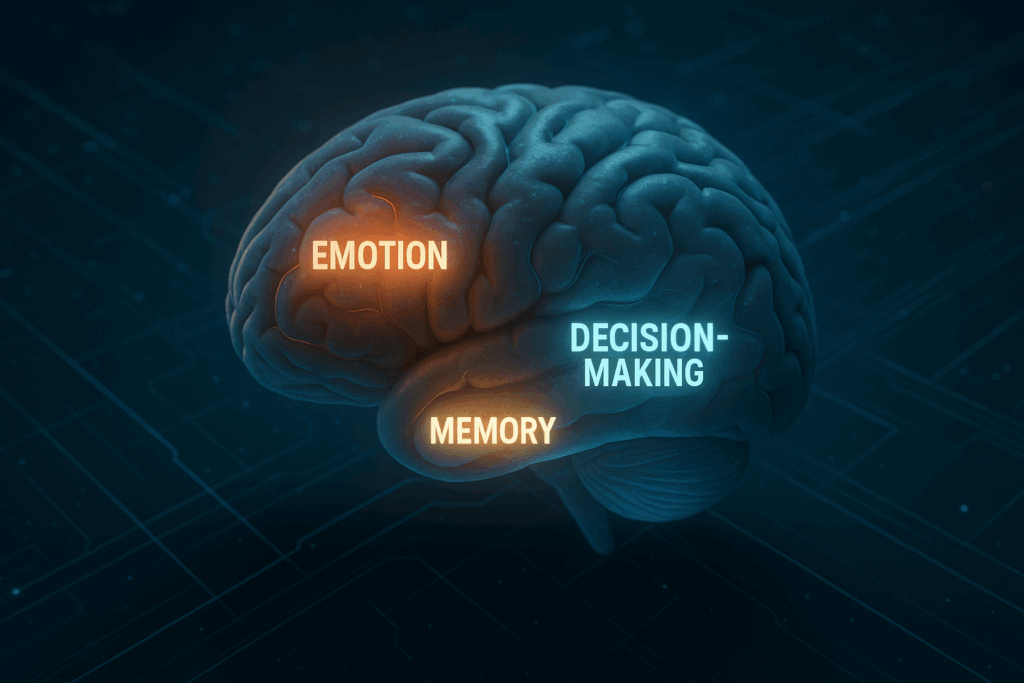
Rooted in the psychological theory of cognitive consistency, Brand Cognitive Resonance occurs when a consumer perceives perfect alignment between their own belief system and the values, promises, and narratives communicated by a brand. When this happens, the brain experiences a sense of mental agreement and internal validation. According to neuroscience-backed studies, this type of alignment doesn’t just feel good—it creates long-term memory encoding, emotional reward, and even neurological loyalty. In simpler terms, the brand “feels right.”
A brand that achieves cognitive resonance becomes more than a product or service—it becomes a mental model in the customer’s mind. This is especially important because modern consumers, particularly Gen Z and Millennials, are deeply motivated by alignment with identity, social values, and personal purpose. Brands like Patagonia, Apple, and Tesla have successfully tapped into this phenomenon, not just resonating emotionally but embedding themselves in the ideological frameworks of their audiences.
This article explores how you can use semantic alignment, emotional branding, and neuroscience marketing to create cognitive resonance. It combines insights from consumer psychology, behavioral science, and real-world brand case studies, offering a blueprint for turning your brand into a psychological mirror of your ideal audience.
What Is Brand Cognitive Resonance?
Brand Cognitive Resonance is the point at which a brand’s identity, message, and values create a psychological alignment with a customer’s internal belief system. While traditional branding often focuses on emotional appeal—eliciting joy, nostalgia, or excitement—cognitive resonance goes deeper. It taps into how people think, what they believe, and the mental frameworks they use to interpret the world.
Think of it this way: emotional branding speaks to the heart, but cognitive branding speaks to the mind and soul. It resonates not just because it feels good—but because it makes sense on a profound, personal level.
In psychology, cognitive resonance refers to the harmony between a person’s thoughts, beliefs, and actions. When a brand’s message mirrors what a customer already believes—about the world, about themselves, or about a cause—it reduces cognitive dissonance and creates a feeling of rightness. This alignment leads to automatic trust, faster decision-making, and a higher chance of long-term brand loyalty.
Emotional Resonance vs. Cognitive Resonance
Here’s a common misunderstanding: many marketers believe that emotional resonance alone builds lasting relationships. And while that’s partially true, emotions are fleeting. Cognitive resonance, however, forms neural pathways that anchor your brand in a customer’s long-term memory. It becomes part of their identity.
Why Cognitive Resonance Matters More Than Ever
In an age of increasing skepticism, misinformation, and content overload, consumers are seeking meaningful clarity. They want to buy from brands that reflect their truth—whether it’s sustainability, inclusivity, individuality, or innovation.
In fact, according to a Nielsen survey, 64% of global consumers say they choose, switch, avoid, or boycott a brand based on its stance on societal issues. That’s not just emotional decision-making—that’s cognitive alignment in action.
“People don’t buy what you do; they buy why you do it.” — Simon Sinek
When customers say, “This brand gets me,” it’s not just emotional. It means your messaging has passed through their cognitive filters—values, beliefs, identities—and come out validated. That’s the power of Brand Cognitive Resonance.
Why Most Brands Fail to Resonate Cognitively
Despite millions spent on branding, advertising, and storytelling, most brands still fail to resonate cognitively with their audience. They might be recognizable. They might even be emotionally engaging. But something feels… off. Consumers can’t explain it, but they don’t commit. They don’t remember. They don’t advocate.
Why? Because cognitive dissonance is silently sabotaging the brand-consumer relationship.
The Hidden Cost of Misalignment
When a brand’s messaging doesn’t match what a consumer believes, values, or expects, it creates discomfort. This discomfort—called cognitive dissonance in psychology—can trigger skepticism, mistrust, or disengagement. Even if a product is good, the brand won’t “stick” because it feels psychologically distant.
Here’s a real-world example: A fast fashion brand promotes environmental sustainability in its ads but is regularly exposed for wasteful practices. Even if the ad evokes emotion (think: green fields, ocean waves, smiling children), the consumer’s mental model of what sustainability should look like conflicts with the reality of the brand. This incongruence erodes trust—even subconsciously.
“When brands preach one thing and practice another, consumers don’t forget. They disengage silently.” — Harvard Business Review
Mistake: Trying to Please Everyone
Another common pitfall? Message dilution.
In trying to appeal to everyone, brands often say… nothing. Their messaging becomes so neutral that it lacks identity. Consumers can’t tell what the brand stands for, who it serves, or what beliefs it holds. And in an era where values drive decisions, neutrality is interpreted as apathy.
Reddit user /truthbrandguy writes: “I just want brands to pick a side. Don’t tell me you care about mental health and then run ads that shame vulnerability.”
That’s the voice of modern skepticism. And it’s valid.
Inconsistency Across Touchpoints
Even when a brand does know its identity, it often fails to consistently express it across all platforms. For example:
- A website that feels formal, but a social media voice that’s quirky
- Packaging that says “eco-friendly” but materials that feel wasteful
- A CEO interview that contradicts brand values
Building a Resonant Brand: The 4 Pillars of Cognitive Connection
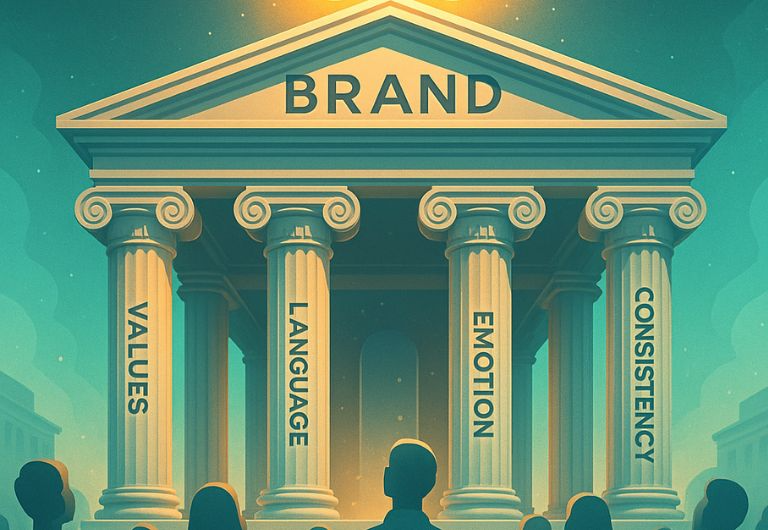
Creating Brand Cognitive Resonance is not guesswork. It’s a strategic, repeatable process rooted in four foundational pillars that align your brand’s identity with your audience’s inner beliefs, values, and expectations. When executed well, these pillars build a brand that doesn’t just speak to customers — it speaks for them.
Here are the four cognitive pillars you need:
1. Value Echo
The first and most critical step is identifying what your audience believes—and echoing those beliefs back to them through your brand.
- What matters to them?
- What do they stand for?
- What cultural, social, or personal values shape their choices?
Empathy mapping and psychographic research help here. Instead of segmenting just by demographics (age, gender, income), segment by worldview. Are they freedom-driven, family-first, innovation-focused, or community-minded?
Real-world example: Patagonia doesn’t just sell jackets. It reflects a values-based identity rooted in environmental protection. Its branding echoes back what the eco-conscious buyer already believes.
2. Linguistic Sync
People don’t just connect with what you say—they connect with how you say it. Language has immense cognitive power. A single phrase can trigger identity, loyalty, or rejection.
To create resonance:
- Use value-laden terms like “for bold thinkers,” “powered by purpose,” or “backed by truth”
- Mirror the emotional cadence of your audience’s self-talk
- Use second-person framing (“you believe,” “your world”) to put them at the center
According to branding strategist Deb Gabor, “People buy products that make them feel more like themselves.” Language is how you facilitate that transformation.
3. Emotional Amplification
Emotion still matters—but it must serve your cognitive strategy. Use emotional branding to anchor belief-based messages into memory.
Tactics include:
- Storytelling that reflects customer pain points or triumphs
- Sensory-rich messaging that ties emotion to brand values
- Visuals, sounds, or experiences that trigger nostalgia, pride, or hope
Example: Apple’s “Think Different” campaign wasn’t about tech specs. It was about creative identity—and the emotional pride in being an innovator.
4. Consistency Across Touchpoints
The final pillar is non-negotiable. Resonance collapses when your brand is inconsistent.
Ask yourself:
- Does your social media voice match your packaging tone?
- Do your customer service reps reinforce your brand’s values?
- Do your founders’ public interviews contradict your mission statement?
Inconsistency breeds doubt. Cognitive resonance requires fluid repetition of values across all interfaces.
“Trust isn’t built by what you say once—it’s built by what you never stop saying.” — Brand strategist Marty Neumeier
Real-World Examples of Brand Cognitive Resonance
Understanding Brand Cognitive Resonance conceptually is one thing—seeing it in action is another. The most resonant brands don’t just sell products or services; they become ideological mirrors. Customers don’t just buy from these brands—they identify with them.
Here are three standout examples of brands that have achieved deep cognitive alignment with their audiences:
1. Patagonia: The Brand as a Belief System
Patagonia is the textbook case of cognitive resonance. Everything it does—from its advertising to its activism—reinforces a single message: “We’re here to protect the planet.”
- It donates 1% of profits to environmental causes.
- It publicly sues politicians who threaten public lands.
- It encourages customers to buy less, fix what they have, and recycle gear.
To some, these actions seem extreme. To Patagonia’s audience, they’re a perfect reflection of deeply held values. The brand doesn’t just appeal emotionally—it validates beliefs.
This is resonance: not by being safe, but by being unapologetically aligned with the consumer’s worldview.
2. Apple: The Cognitive Identity Machine
Apple is another brand that has successfully built resonance—not around functionality, but around who its users believe they are.
- The “Think Different” campaign didn’t sell iMacs. It sold self-image.
- Owning a Mac became synonymous with being creative, visionary, nonconformist.
- Even today, Apple’s tone, packaging, and events are designed with one belief in mind: “We empower creative genius.”
This message is cognitively sticky. It triggers identity, status, and purpose. That’s why Apple users don’t just buy Apple—they evangelize it.
“Apple makes me feel like I’m ahead of the curve—like I matter.” — Reddit user /MacForLife
3. Dove: Beauty Reframed Through Belief
Dove’s “Real Beauty” campaign is a masterclass in reframing an industry narrative to create cognitive alignment.
Instead of idealizing perfection, Dove positioned itself as a brand that champions natural beauty and body confidence. This wasn’t just emotional—it was cognitive:
- The messaging aligned with growing cultural beliefs around inclusivity and authenticity.
- It validated the internal narrative of millions of women who were tired of unrealistic standards.
- It reframed beauty as self-acceptance, not competition.
By syncing its values with a cultural shift, Dove became more than soap—it became a movement.
Brands That Missed the Mark
Of course, not all brands get it right. Some try to co-opt social issues without real alignment and backtrack under public scrutiny.
Examples include:
- Pepsi’s infamous protest ad featuring Kendall Jenner
- Gillette’s campaign on toxic masculinity, which polarized its audience
- Any brand that posts a rainbow logo in June but lacks real LGBTQ+ support internally
These campaigns may be emotional, but they lack cognitive credibility. Consumers are quick to spot the dissonance—and quicker to disengage.
How to Create Brand Cognitive Resonance with Consumers
Building Brand Cognitive Resonance isn’t about clever slogans or flashy campaigns. It’s about constructing a consistent, belief-based brand identity that acts as a psychological extension of your customer’s mind. When done right, your brand becomes a mental shortcut for trust, alignment, and action.
Here’s a step-by-step framework for creating deep, sustainable cognitive resonance:
1. Define Your Brand Truth
Every brand must begin with a non-negotiable truth. This is the root belief that informs every product, every post, every campaign.
Ask:
- Why do we exist beyond making money?
- What is one truth we’ll never compromise on?
- What do we want customers to believe about the world (and themselves) when they interact with us?
This isn’t a marketing copy—it’s a belief architecture. It must be authentic, emotional, and cognitively solid.
Example: For Dove, the truth is “Beauty should be a source of confidence, not anxiety.”
2. Research Audience Worldviews
Forget broad demographics. To create resonance, you need to know what your audience believes, not just who they are.
Use:
- Reddit threads, Quora questions, and Facebook groups to listen in on raw, unscripted concerns
- Surveys that explore “What do you believe about ___?” instead of “Would you buy ___?”
- Customer interviews focused on values and fears, not features
This is where Reddit becomes gold. For example, a Reddit thread on fast fashion shows users care less about price and more about ethical sourcing. If your brand ignores this belief, you’ll never resonate—no matter how stylish your product is.
Reddit user /greenthreads88 said: “I’d rather spend $70 on a shirt I believe in than $20 on one that hurts people.” That’s a belief. And brands must mirror it to connect.
3. Build Messaging Loops Around Cognitive Triggers
Once you know the audience’s worldview, reflect it back using repetitive, affirming messages.
Tactics include:
- Message loops: repeating core truths in different formats (blog → tweet → packaging → video)
- Use of identity phrases: “For those who…” or “If you believe X, you’ll love Y.”
- Storytelling frameworks like “hero’s journey” or “before/after/bridge” that center values
These loops create confirmation bias, which deepens memory encoding and brand preference. Every touchpoint becomes an echo chamber of cognitive validation.
4. Audit for Cognitive Consistency
It’s not enough to craft great messaging—it must be consistent across all brand surfaces.
Conduct a resonance audit:
- Does your website say one thing, while your Instagram says another?
- Do your influencers share your values or dilute them?
- Does your email tone reflect the same personality as your packaging or customer support?
This is where many brands fall apart—great values, poorly executed. Remember: a single point of dissonance can unravel the entire trust loop.
5. Evolve, But Stay Rooted
The market shifts. Culture changes. But if your brand is rooted in timeless truths, it can adapt without alienating your core audience.
Examples:
- Nike evolved from “Just Do It” to empowerment narratives—but always rooted in personal achievement
- Airbnb shifted from “Rent a space” to “Belong anywhere”—still centered on connection and home
Cognitive resonance isn’t rigid. It’s anchored flexibility—truth that scales with time.
Measuring Cognitive Resonance: Metrics and Behavioral Signs
If you can’t measure it, you can’t improve it. That’s especially true for Brand Cognitive Resonance, where the success isn’t just about impressions or clicks—it’s about belief alignment, narrative recall, and behavioral loyalty.
Here’s how to measure if your brand is resonating cognitively with your audience:
1. Sentiment Analysis: The Language of Belief
Start by examining how people talk about your brand—not just what they say.
Use tools like:
- Brandwatch, Sprinklr, or Meltwater for social listening
- AI-driven sentiment analysis that goes beyond positive/negative to extract belief-driven language
These are not fluff. They’re cognitive markers—language that indicates resonance.
2. Narrative Repeatability: Are Customers Echoing You?
One powerful sign of cognitive resonance is when your customers start to repeat your message back to you.
This might look like:
- Fans quoting your tagline in posts or comments
- Customers using your key phrases in user-generated content
- Your brand showing up organically in social conversations related to your core values
Example: People using Nike’s “Just Do It” not as a slogan, but as life advice = cognitive imprint.
This kind of mirroring means your brand message has been encoded in memory and integrated into the customer’s internal narrative.
3. Brand Mimicry: Identity Adoption
Cognitive resonance isn’t just about words—it’s about behavioral imitation.
Look for:
- Customers who mimic your tone or voice when advocating for you
- People who align their identity with your brand’s (e.g., calling themselves “Apple people,” “YETI guys,” “Glossier girls”)
- Users creating memes, parodies, or spinoffs based on your values
This signals that your brand isn’t external—it’s part of how they see themselves.
4. Customer Retention and Advocacy
Numbers matter too, especially repeat purchase rate and referral rate.
If customers:
- Buy again without deep retargeting
- Refer others using emotional or value-driven reasons (“You’d love this—they believe what you believe”)
- Stick with your brand even through a price increase or PR issue…
…then you’ve likely built cognitive resilience.
Remember: emotional buyers switch fast. Cognitive buyers endure.
5. Community Formation
A true sign of resonance? Your audience begins forming communities around your brand without you initiating it.
This could be:
- Facebook groups like “Fans of Brand X”
- Niche subreddits (e.g., /r/OnePlus or /r/Glossier)
- Forums or Discords built around shared identity tied to your product
Community = shared beliefs = high resonance. “Brands that resonate become tribes.” — Marty Neumeier
Conclusion
Brand Cognitive Resonance is no longer optional—it’s a strategic imperative. In a world of infinite choice and rising skepticism, the brands that win are those that don’t just market to people, but think like them. They create messaging that mirrors a consumer’s internal belief system, forming lasting, trust-filled relationships based on mutual values, not manipulative tactics.
This approach moves beyond surface-level appeal and dives deep into the emotional & psychological branding aspects that truly influence decision-making. It asks brands to stop chasing virality and instead build value clarity, emotional intelligence, and belief coherence. When your brand consistently echoes what your audience already believes and feels, you unlock a kind of loyalty that can’t be bought—it must be earned.
FAQ
1. What is the difference between brand resonance and cognitive resonance?
Brand resonance typically refers to the emotional connection a consumer feels toward a brand—how deeply they relate, how often they engage, and how loyal they are. It’s about the heart.
Cognitive resonance, on the other hand, is about mindset alignment. It asks:
Does this brand align with how I think, what I value, and who I believe I am or want to be?
Both are important—but cognitive resonance builds identity, not just interaction.
2. How can I tell if my brand is resonating with customers?
Look for behavioral and linguistic signs:
- Do customers repeat your message in their own words?
- Are they mimicking your tone, advocating for your beliefs, or building communities around your brand?
- Do reviews mention trust, belief, or alignment—not just product features?
3. What are examples of brands that fail to align cognitively?
- Pepsi’s protest ad with Kendall Jenner was a classic example: it tried to tap into a social cause without understanding the audience’s core emotional and cognitive context.
- Greenwashing fashion brands that promote sustainability while mass-producing with unethical labor.
- Brands that preach mental health support while glorifying burnout culture in their content.
These are not just PR errors—they’re cognitive betrayals. Once trust is broken at the belief level, it’s hard to rebuild.
4. Is brand cognitive resonance measurable?
Yes—and it’s more than just tracking clicks.
- Use brand sentiment monitoring to extract belief-based language
- Measure narrative recall: Can customers describe your brand message without prompts?
- Look for organic message mirroring: Are people repeating your mission, taglines, or values?
You can also run qualitative tests like unaided brand recall and belief-association surveys to measure resonance strength.
5. How can small businesses create psychological alignment on a budget?
Resonance doesn’t require a $1M campaign. In fact, smaller brands often do this better because they’re more connected to their audience.
Start with:
- A handwritten mission statement based on a real belief
- One or two clear values that show up everywhere (website, packaging, emails)
- Using customer language in your messaging—pull real quotes from reviews or social media