
Activating Brand Memory: How to Create Lasting Impressions Through Strategic Branding
Introduction
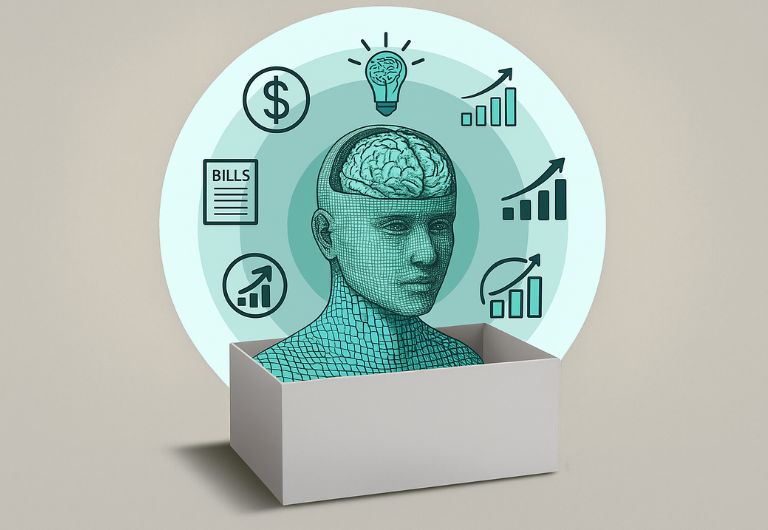
Brand memory activation refers to the deliberate strategy of embedding a brand into a consumer’s long-term memory using sensory, emotional, and contextual cues. Brands that successfully activate memory stand out not only during the purchasing process but also in key decision-making moments. According to cognitive science, brand experiences that trigger the hippocampus—the area of the brain associated with memory formation—are more likely to be remembered. In an era where consumer attention is fragmented, and choices are abundant, strategic branding that ensures instant recall offers a competitive advantage.
Brand memory activation isn’t merely a branding buzzword. It’s a neuroscientific phenomenon that plays a pivotal role in how consumers perceive, relate to, and ultimately choose between brands. This process is deeply embedded in behavioral psychology and consumer neuroscience, which together reveal that our brains are not designed to make rational decisions devoid of emotion. Instead, they are wired to rely on memories and feelings—often subconscious—to make purchasing decisions. This is why brands that tap into memory cues outperform others in brand recall, loyalty, and emotional affinity.
This concept is at the heart of Emotional & Psychological Branding—the strategic alignment of brand elements with the inner emotional states and mental schemas of consumers. When brands effectively engage psychological triggers and emotional memory, they become part of a consumer’s identity, not just their wallet.
This article dives deep into the mechanisms, methods, and models that help brands stay top-of-mind, backed by expert insights, case studies, and actionable frameworks.
What Is Brand Memory Activation?
Defining Brand Memory Activation
Brand memory activation is more than just advertising—it’s a multi-sensory, emotionally intelligent strategy to make a brand unforgettable. It involves embedding a brand into consumers’ long-term memory by crafting experiences and elements that evoke emotion, spark sensory associations, and deliver contextual relevance. This process is not an afterthought or a branding luxury—it’s a deliberate, repeatable system that ensures your brand is not just seen, but remembered.
Activation vs. Awareness
Many marketers confuse brand activation with promotions or events, but true brand memory activation is a sustained, repeatable process focused on long-term recall. Awareness is about recognition, whereas memory activation is about connection. Recognition helps a consumer say “I’ve seen that before,” while activation makes them say, “That means something to me.”
Scientific Validation
According to the Journal of Consumer Research, “Brand recall is significantly enhanced when emotional and sensory integration is present in marketing stimuli.” Memory activation is most effective when triggered in a moment of need, meaning it’s contextually embedded into the consumer’s life. This is why mnemonic devices, jingles, and catchphrases remain so powerful—they are simple, repeatable, and deeply associative.

Why Memory Matters: The Neuroscience of Brand Recall
How the Brain Stores Brand Experiences
From a neurological standpoint, brand memory is deeply connected to emotional and sensory experiences processed through the hippocampus and amygdala. These brain regions act like a filing system for emotional events, assigning emotional “tags” to information which make them easier to retrieve later.
Studies by the Journal of Neuroscience show that emotionally-charged experiences have a 20% higher recall rate than neutral experiences. When consumers are emotionally engaged—whether through joy, nostalgia, or inspiration—the likelihood of them recalling that brand increases exponentially.
The Emotional Shortcut to Choice
Memory acts as a cognitive shortcut—when consumers are faced with too many choices, the brain favors familiar options. Familiarity breeds trust. This is why the mere exposure effect—where repeated exposure to a brand increases preference—continues to be a powerful tool. But exposure without emotional encoding fails. Emotional resonance is what transforms exposure into preference.
Cognitive Bias and Brand Recall
Other cognitive biases like the availability heuristic (judging a brand’s value based on how easily it comes to mind) make brand memory one of the most influential tools in purchase behavior. Brands that are easy to mentally retrieve feel more trustworthy, even if there’s no logical reason why. This gives memory-activated brands a strong competitive edge.
Sensory Branding: Engaging the Senses for Memory Triggers
Visual Triggers
Visual branding remains foundational—logos, colors, and typography serve as immediate identifiers. But beyond aesthetics, they create memory stamps. Colors have psychological effects—blue evokes trust, red evokes urgency, and green connotes health. Fonts influence perception—serif fonts feel traditional, sans-serif feels modern.
Auditory and Olfactory Cues
Brands like Intel and Abercrombie & Fitch use sound and scent to create memorable experiences. Sonic branding, like McDonald’s “I’m lovin’ it” jingle, is scientifically proven to increase recognition and emotional engagement. Olfactory branding taps into the limbic system, directly connected to memory and emotion. This is why smell is the most powerful sense in triggering memories.
Tactile and Multisensory Experiences
Multisensory branding combines several senses at once—think of a high-end smartphone unboxing experience. Every click, peel, and texture contributes to perception and memory. Tactile packaging, temperature-controlled retail environments, and even the resistance of a button press are all part of this. A consistent, multi-sensory brand environment can increase brand recall by 70%, according to a study by the Journal of Marketing Management.
Emotional Connection: Creating Resonance That Sticks
Emotional Storytelling
Brands that make us feel are brands we remember. Emotional branding leverages storytelling, imagery, and values alignment to build emotional connections. When stories align with a customer’s own aspirations, fears, or values, they form what psychologists call “self-referencing.” This leads to deeper encoding in memory.
Psychological Anchors
Emotional moments act as psychological anchors in the brain. When a consumer cries at a heartfelt ad or laughs at a witty campaign, the emotion becomes the hook for memory retrieval. That’s why the Super Bowl ads that generate the most emotional response are also the ones we remember years later.
Building Brand Schema
Emotional branding ties together various brand elements into a coherent memory schema. This schema becomes a mental shortcut for consumers: Apple equals simplicity and innovation; Nike equals performance and inspiration. Over time, these schemas drive faster and more favorable decision-making.
Consistency & Repetition: Reinforcing Memory Over Time
The Power of Repetition
The “spacing effect” suggests that repeated exposure spaced out over time solidifies memory. It’s not about frequency—it’s about frequency plus variation. Repetition without variation causes habituation (boredom), but varied repetition increases impact. For example, changing the creative but keeping the core message consistent boosts retention.
Brand Guidelines for Consistency
Creating a brand style guide is no longer a marketing luxury—it’s a necessity. It should include rules for logo usage, tone of voice, photography style, social media behavior, and even how staff should talk to customers. Every touchpoint must reinforce the same identity.
Simplicity Drives Recall
Complex branding systems confuse and dilute memory. According to Siegel+Gale’s Simplicity Index, brands that simplify communications are 4X more likely to be remembered and 3X more likely to be recommended. Simplicity doesn’t mean basic—it means clarity of purpose and consistent delivery.
Experiential & Contextual Branding: Memory in Action
Experiential Installations
Ramotion’s brand activation campaigns often integrate VR installations, interactive touchpoints, and real-world events. These immersive experiences are designed to trigger memory by aligning brand moments with personal memories. When customers “do” rather than “see,” they encode that memory more deeply.
Experiential branding allows consumers to interact physically or virtually with the brand in ways that evoke emotion, curiosity, and relevance. From pop-up stores that simulate brand worlds to augmented reality filters on social media, experiential activations turn consumers into participants. This transition from passive viewing to active engagement leverages procedural memory—the type of memory associated with actions and routines—which is long-lasting and deeply embedded.
A successful example includes Nike’s House of Innovation stores, which allow customers to customize shoes, interact with digital displays, and test products in-store. These sensory-rich environments anchor the brand in positive emotional states, making it more likely for the customer to recall the brand when considering a future purchase. Experiential branding also fosters word-of-mouth and social sharing, which amplifies memory encoding across peer networks.
Contextual Relevance
Contextual branding means being there when your customer needs you most. Think Spotify Wrapped in December or Nike releasing a hydration-focused campaign during a heatwave. Contextuality magnifies relevance and increases brand’s presence in decision-making moments.
Context enhances encoding because the brain is more likely to store information when it’s relevant to the current environment or mental state. That’s why brands that understand behavioral patterns, seasonal changes, cultural events, and personal moments can tailor their messages with incredible precision.
Consider how Google’s homepage changes on significant holidays, or how Airbnb curates local stay options during peak travel times. Contextual branding isn’t reactive—it’s preemptive. It uses behavioral data and predictive analytics to forecast needs and deliver timely solutions. When a brand shows up just as the consumer realizes they need it, memory encoding is not only triggered but emotionally elevated.
Creating Episodic Memory
When brands embed themselves in moments that feel autobiographical (first job, first car, graduation), they become part of the customer’s life story. That’s powerful. Episodic memories are stronger and last longer than semantic ones. This makes life-event marketing a smart way to build brand equity.
Episodic memory involves the recall of specific experiences tied to time and emotion—like what song was playing during your graduation, or what brand of shoes you wore on your first marathon. Brands that attach themselves to these milestone moments establish a permanent mental bookmark. Think Hallmark’s campaigns around life celebrations or Disney’s branding across childhood milestones. These connections are emotionally encoded, emotionally retrieved, and often emotionally shared.
Marketers can trigger episodic memory through storytelling that mirrors the consumer’s own life stages. Campaigns that start with “Remember the first time you…” tap into this mechanism. Episodic branding goes beyond product—it touches on identity, belonging, and personal legacy.
Measuring Brand Memory Activation: Metrics That Matter
Traditional Memory Metrics
Brand recall surveys (aided and unaided), Net Promoter Scores, and brand lift studies are foundational tools. Ask consumers to recall which brands come to mind in a given category and measure unaided recall growth over time.
Unaided recall reveals brand salience—how top-of-mind your brand is. Aided recall shows recognition when cued. Net Promoter Score (NPS) indicates how emotionally connected consumers are to your brand. These metrics together paint a picture of visibility, affinity, and loyalty. To improve reliability, conduct these studies longitudinally—track memory strength over 3, 6, and 12 months to understand decay and reinforcement.
Neuromarketing Tools
EEG or fMRI scans show which parts of the brain activate when viewing brand content. Biometric tools track subconscious reactions like pupil dilation, facial expression analysis, and heart rate. Tools like Nielsen Neuro and RealEyes offer scalable measurement options.
These methods reveal not just what consumers say, but how they subconsciously feel. Facial coding can detect micro-expressions that signal joy, confusion, or disgust—revealing whether your branding is hitting the right emotional chords. Galvanic Skin Response (GSR) measures arousal, while eye-tracking reveals which elements draw attention. Together, these tools provide a layer of insight traditional surveys cannot.
Interpreting the Data
Look beyond vanity metrics like impressions. The goal is to know what’s remembered, not what’s seen. Combine quantitative (surveys) with qualitative (focus groups, neurometrics) for a holistic picture. If a brand element isn’t recalled, it isn’t working—regardless of how much you paid for media.
Data without interpretation is noise. Use triangulation—cross-referencing data from recall studies, biometric signals, and real-time behavior—to identify patterns. For example, if consumers remember your jingle but not your logo, that indicates a sensory imbalance. Or if they associate your product with the wrong emotion, your storytelling might need realignment.
Ultimately, the best metric for brand memory is consumer action: are people returning, referring, and remembering you at the point of decision? If not, it’s time to refine the emotional and sensory cues you embed in your messaging.
Case Studies: Brands That Nailed Memory Activation
Coca-Cola – Personalized Connection
The “Share a Coke” campaign personalized bottles with consumer names. This simple act sparked massive sharing, personal relevance, and high recall. By tapping into identity and social proof, the campaign activated both emotional and social memory.
Apple – Design and Emotion
Apple’s minimalist design, emotional advertising, and consistent tone have made it one of the most recalled and admired brands in the world. Everything from the unboxing experience to the website layout reinforces its core identity: elegant simplicity.
Singapore Airlines – Scent Branding
Their signature fragrance, used in cabins and crew uniforms, has become synonymous with luxury. Scent branding bypasses logical reasoning and taps directly into emotional and memory centers.
Ramotion – Immersive Strategy
Ramotion’s work with immersive digital experiences uses spatial memory cues and interactive design elements that enhance recall. These aren’t just beautiful—they’re strategic.

Step-by-Step Framework: Crafting Your Brand Memory Strategy
Step 1: Audit Current Brand Touchpoints
Begin by creating a comprehensive inventory of every interaction point where a consumer encounters your brand. This includes digital touchpoints like your website, email campaigns, social media platforms, and mobile apps; physical elements such as packaging, signage, store environments, and print collateral; and human interactions including customer service scripts, retail associate behavior, and support chat tone. The goal is to assess whether all these touchpoints are delivering a unified brand message. Are they using consistent color palettes, tone of voice, visual identity, and messaging? Are they reinforcing the same values and emotions? Misalignment at any point can dilute memory encoding, so this diagnostic step is essential.
Step 2: Define Core Memory Triggers
Once you know where your brand lives, you need to define what your brand should trigger in a consumer’s mind. This isn’t just about slogans or logos—it’s about emotion and association. Should your brand make people feel empowered? Nostalgic? Inspired? Safe? These core emotional triggers form the foundation of your brand memory strategy. Develop a “memory map” of desired associations and feelings, and align it with your audience’s values and life context. Think archetypes—are you the hero, the caregiver, the innovator? This alignment helps your brand become more than a name—it becomes a story consumers tell themselves.
Step 3: Design Multi-Sensory Experiences
The human brain processes multi-sensory information more deeply and stores it more vividly. That’s why the most effective branding strategies activate multiple senses simultaneously. Consider how your brand can be experienced through sight, sound, smell, touch, and even taste (when relevant). If you’re a digital-first brand, what does your UI sound like? If you’re in retail, how does your store feel? Use sound logos, tactile packaging, scent marketing, and immersive event experiences to create rich sensory environments. The more senses you engage, the more likely your brand is to be remembered. Sensory consistency across touchpoints is also vital—it creates a cohesive, reinforcing loop that deepens memory encoding.
Step 4: Emotional Storytelling
Stories are neurologically powerful—they activate multiple areas of the brain, including those responsible for language processing, sensory imagery, and emotional response. Your brand’s story should reflect your mission, values, and promise in a way that resonates with your audience’s own aspirations and experiences. Develop a bank of signature stories that can be used across mediums: customer success tales, founder journeys, mission-driven campaigns, or cultural moments. Use emotionally evocative formats like short films, animation, photo essays, and real customer testimonials. A good story isn’t just heard—it’s felt. And feelings are what make stories stick in memory.
Step 5: Consistency Across Channels
Consistency doesn’t mean monotony—it means harmony. Every piece of content, every interaction, and every touchpoint should reinforce your brand’s essence. Your tone of voice should be recognizable whether a consumer is reading a tweet, an FAQ page, or speaking to your support team. The visual style should be coherent, even if customized by platform. From typography to messaging cadence, everything must align. This level of consistency builds a memory schema in the consumer’s mind, making your brand instantly recognizable and cognitively easy to retrieve. Use brand governance tools, training, and audits to maintain this consistency at scale.
Step 6: Contextual Relevance
Great branding isn’t static—it adapts to context while preserving core identity. Contextual relevance means showing up in the right place, at the right time, with the right message. It means aligning campaigns with cultural moments, seasonal needs, life milestones, and behavioral data. For instance, a travel brand should surface inspirational content in winter when people plan trips, and a skincare brand should highlight SPF during summer months. Personalized timing (like Spotify Wrapped in December) and location-based messaging also create strong contextual ties that increase recall. Context bridges the gap between your message and your audience’s mindset.
Step 7: Test & Optimize
No brand memory strategy is perfect out of the gate. It requires continuous testing and refinement. Use A/B testing to determine which sensory cues drive the most engagement. Run brand recall surveys regularly to see what messages stick. Leverage neuromarketing tools to analyze emotional response, attention span, and memory encoding. Collect qualitative feedback from focus groups or online communities to understand deeper associations and barriers. Most importantly, act on these insights. Kill what doesn’t work. Reinforce what does. Remember, memory is built over time—through consistent, optimized, and intentional reinforcement.
By following these seven steps, you’ll transition from creating brand moments to building brand memories—ones that surface precisely when your consumer is ready to make a choice.
Conclusion
Activating brand memory isn’t just a marketing tactic—it’s a strategic imperative. Brands today are no longer competing solely on features or pricing; they’re competing for space in the human mind. In an age of fleeting attention spans and constant digital noise, it’s not enough to be seen—you must be remembered. That memory becomes the bridge between awareness and action, interest and loyalty, presence and preference.
By understanding how memory works and leveraging sensory and emotional triggers, brands can transcend transactions and become unforgettable. This approach allows businesses to shape customer perceptions, reinforce values, and become part of consumers’ personal narratives. The future belongs to emotionally intelligent brands—those that use insight, empathy, and psychology to craft experiences that stick.
The brands that will lead tomorrow are those that are remembered—not just seen. Begin embedding brand cues today—through design, storytelling, emotion, and multisensory touchpoints—so your brand surfaces in the exact moment a consumer needs to make a choice. Brand memory isn’t a bonus—it’s the battleground.
FAQ
1. What is brand memory, and why is it important in marketing?
Brand memory refers to how well consumers remember a brand and its messaging. It’s important because remembered brands are more likely to be purchased, especially during high-intent decision-making moments. As one Reddit user said, “If I can’t recall a brand when I need it, it’s dead to me.” Memory drives preference and trust, which are critical in a competitive market.
2. How do you activate memory in branding?
Through sensory, emotional, and contextual strategies—such as consistent visual identity, emotionally engaging narratives, interactive brand experiences, and relevance in key moments. Activating memory also involves building emotional anchors through repetition, authenticity, and user-centered design.
3. How do I measure emotional connection to a brand?
Use a combination of methods including emotional resonance surveys, neuromarketing tools like EEG and eye-tracking, and brand recall metrics. Biometric feedback such as heart rate variability, facial expression analysis, and even skin conductance can provide insights into subconscious emotional reactions that verbal feedback may miss. This data helps you identify what truly resonates—and what doesn’t.
4. Which brand elements influence memory the most?
Consistency, emotional storytelling, multisensory design, and contextual relevance are key. A logo or slogan alone isn’t enough; your brand must evoke a consistent feeling or identity. Elements like audio cues (sonic branding), packaging texture, and even scent play a surprising role in anchoring brand experiences in memory.
5. How can small brands compete with big ones in memory activation?
By being more strategically focused and emotionally precise. While big brands may have larger budgets, small brands can carve deeper emotional niches with bold storytelling, local relevance, and immersive experiences. A niche emotional hook or a memorable sensory tactic can outperform a generic mass-market campaign in lasting impact.
Bonus Tip: Focus on building episodic memory moments—unique interactions that tie your brand to a consumer’s life story. This can be a personalized thank-you note, a clever onboarding experience, or a standout customer support interaction. Small brands often win through intimacy, not scale.