
Digital Marketing Trends & Future Outlook: Top Strategies Shaping Marketing in 2026

Introduction
The landscape of digital marketing trends is evolving faster than ever before. Businesses across industries are witnessing a profound transformation driven by artificial intelligence, data-driven marketing strategies, marketing automation technologies, and shifting consumer expectations. As organizations increasingly rely on digital channels to reach customers and drive revenue, marketing platforms like Google, Meta, and Amazon continue to develop sophisticated AI-powered marketing ecosystems. These technologies allow brands to analyze consumer behavior, optimize campaigns, and deliver hyper-personalized experiences at scale.
In the modern marketing environment, digital marketing strategy is no longer limited to social media posts or email campaigns. Instead, it has evolved into a sophisticated ecosystem built on marketing analytics, customer data platforms, omnichannel marketing, predictive analytics, and advanced marketing technology stacks. These tools allow companies to identify patterns in customer behavior and craft marketing messages that resonate with specific audience segments. For example, an e-commerce brand can now use AI-driven personalization algorithms to recommend products based on browsing history, purchase behavior, and demographic insights.
One of the most significant drivers behind emerging online marketing trends is the changing behavior of digital consumers. Modern customers interact with brands across multiple channels — websites, mobile apps, search engines, and social platforms — often within a single purchasing journey. This shift has made omnichannel marketing strategies essential for maintaining consistent brand communication and delivering seamless customer experiences. Research from Harvard Business Review indicates that customers who engage with brands across multiple channels tend to spend significantly more than those who interact through only one channel.
Another major factor shaping the future of digital marketing is the rise of artificial intelligence in marketing automation. Tools powered by machine learning can analyze massive datasets in real time, allowing marketers to predict trends, optimize advertising campaigns, and automate repetitive tasks such as lead scoring, audience segmentation, and campaign scheduling. These innovations help marketing teams operate more efficiently while delivering more relevant and engaging customer experiences.
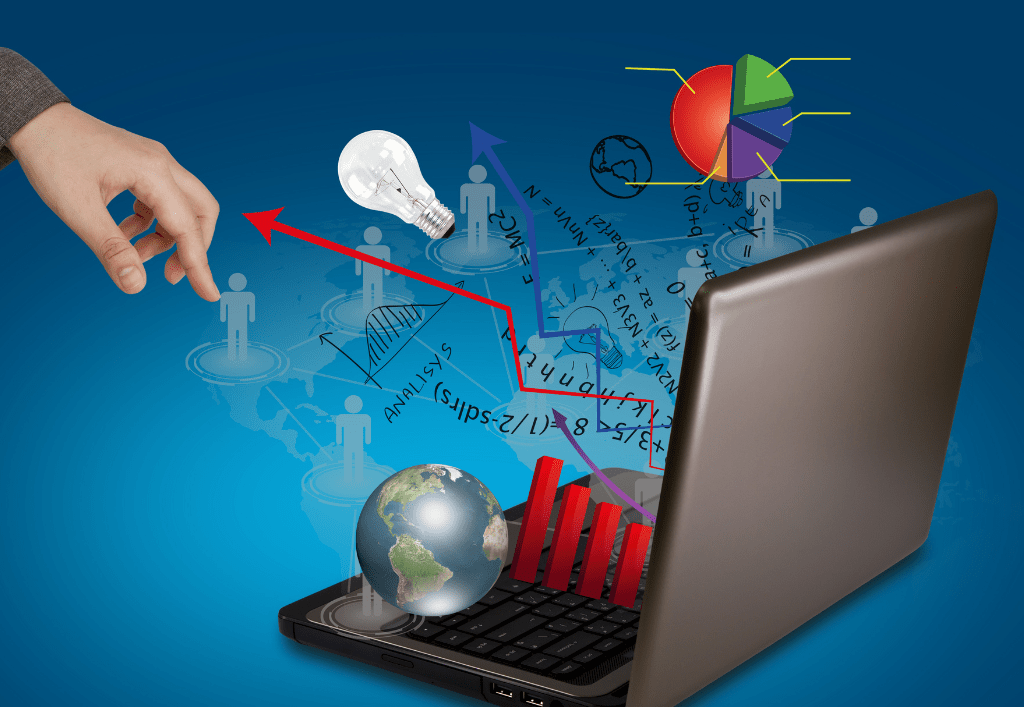
However, this rapid evolution also creates challenges for businesses. Many marketers struggle to keep up with constant algorithm updates, new marketing platforms, privacy regulations, and emerging technologies. The digital marketing landscape in 2026 will require companies to embrace innovation while maintaining trust, transparency, and meaningful engagement with their audiences.
This article explores the top digital marketing trends shaping the future of marketing in 2026, including the rise of AI-powered marketing tools, hyper-personalized customer experiences, video marketing dominance, influencer partnerships, voice search optimization, and data privacy regulations. By understanding these trends and implementing forward-thinking strategies, businesses can position themselves to thrive in the increasingly competitive digital marketplace.
The Evolution of Digital Marketing
The story of digital marketing trends is closely tied to the rapid development of internet technologies, mobile devices, and data-driven platforms. Over the past two decades, marketing has transformed from simple online advertisements into a highly sophisticated ecosystem powered by artificial intelligence, marketing automation, big data analytics, and omnichannel engagement strategies. Businesses that once relied on billboards, television commercials, and print media now operate in a digital environment where customer interactions occur across websites, social media platforms, search engines, and mobile applications.
In the early days of the internet, digital marketing primarily consisted of banner advertisements, email campaigns, and basic search engine optimization. Companies focused on increasing website traffic rather than understanding user behavior. Marketing success was often measured by simple metrics such as page views and click-through rates. However, as online technologies evolved, businesses began to realize that digital marketing offered something far more powerful: the ability to collect and analyze vast amounts of consumer data.
The introduction of data-driven marketing strategies marked a major turning point in the evolution of online marketing. With the rise of analytics platforms, businesses could track user behavior, monitor website performance, and identify patterns in customer interactions. Tools such as Google Analytics allowed marketers to measure campaign performance in real time, making it possible to refine marketing strategies based on actual customer behavior rather than assumptions.
Another critical milestone in the evolution of digital marketing was the emergence of social media marketing. Platforms like Facebook, Instagram, LinkedIn, and Twitter transformed how brands communicate with audiences. Instead of broadcasting one-way messages, companies could engage directly with customers, respond to feedback, and build long-term relationships with their audiences. Social media also introduced powerful targeting capabilities, enabling advertisers to reach highly specific audience segments based on demographics, interests, and online behavior.
At the same time, the rapid growth of smartphones reshaped consumer behavior. Mobile devices became the primary gateway to the internet, giving rise to mobile-first marketing strategies. Consumers could now search for products, read reviews, and make purchases instantly from their smartphones. This shift forced businesses to optimize websites for mobile devices, improve page loading speeds, and create mobile-friendly content experiences.
The latest phase in the evolution of digital marketing is driven by artificial intelligence and machine learning technologies. AI-powered tools can analyze enormous datasets, identify patterns in consumer behavior, and automate complex marketing processes. For example, AI algorithms can optimize advertising campaigns by adjusting bids, selecting target audiences, and predicting which content is most likely to drive engagement. This has led to the rise of predictive marketing analytics, allowing companies to anticipate customer needs and deliver personalized experiences.
Equally important is the growing emphasis on customer experience and omnichannel marketing. Today’s consumers expect seamless interactions across multiple digital touchpoints. A customer may discover a brand through social media, research products on a search engine, and complete the purchase through a mobile app. Businesses must therefore ensure that messaging, branding, and customer service remain consistent across all channels.
The evolution of digital marketing shows that success is no longer determined by the size of a company’s advertising budget alone. Instead, organizations that embrace innovation, data intelligence, and customer-centric marketing strategies are the ones most likely to succeed in the digital age. As technology continues to evolve, the next generation of digital marketing will likely focus on AI-powered automation, immersive experiences, and deeper personalization, setting the stage for the marketing strategies that will define 2026 and beyond.
Artificial Intelligence in Digital Marketing: Automation Trends in 2026
Artificial intelligence has become one of the most influential forces shaping modern digital marketing strategies. Businesses are increasingly adopting AI-powered marketing tools, machine learning algorithms, and data-driven marketing platforms to understand customer behavior and improve campaign performance. By analyzing large volumes of data, artificial intelligence helps marketers identify patterns in consumer activity, predict future trends, and deliver highly personalized marketing experiences. For example, e-commerce platforms use AI to recommend products based on browsing history, purchase patterns, and customer preferences, improving both engagement and conversion rates.
Automation technologies are also transforming how marketing campaigns are planned and executed. With the help of marketing automation platforms, businesses can streamline repetitive tasks such as email marketing, customer segmentation, lead nurturing, and social media scheduling. Instead of manually managing campaigns, marketers can create automated workflows that trigger specific actions based on user behavior. For instance, when a visitor subscribes to a newsletter or downloads a resource, automated systems can instantly send personalized follow-up messages and guide the customer through the sales funnel.
As AI and automation technologies continue to evolve, they are expected to play an even larger role in the future of marketing. Advanced systems powered by predictive analytics and intelligent algorithms can optimize advertising campaigns in real time, adjust targeting strategies, and analyze customer data with remarkable accuracy. While these innovations improve efficiency and campaign performance, businesses must also ensure responsible use of data and maintain transparency to build trust with their audiences. Companies that successfully combine artificial intelligence, automation, and human creativity will be best positioned to lead the next generation of digital marketing.
The Rise of Hyper-Personalization
One of the most powerful digital marketing trends shaping the future of marketing in 2026 is hyper-personalization. Modern consumers expect brands to understand their preferences and deliver relevant experiences at every stage of the customer journey. Unlike traditional personalization, which might simply include a customer’s name in an email, hyper-personalization uses advanced data analytics, artificial intelligence, behavioral tracking, and customer segmentation to create highly tailored marketing messages. By analyzing browsing history, purchase patterns, location data, and online behavior, businesses can deliver content and product recommendations that match individual customer interests.
Companies across industries are increasingly using customer data platforms (CDPs), predictive analytics tools, and AI-driven recommendation engines to implement personalized marketing strategies. Streaming services, online retailers, and digital platforms use these technologies to suggest products, videos, or services that align with user preferences. For example, e-commerce platforms often display recommended products based on a customer’s previous purchases or items viewed. This type of data-driven personalization not only improves customer engagement but also significantly increases conversion rates and customer loyalty.
In the future, hyper-personalization will become even more sophisticated as businesses integrate real-time data, machine learning algorithms, and omnichannel marketing strategies. Brands will be able to adjust marketing messages instantly based on user behavior across websites, mobile apps, and social media platforms. However, while personalization offers many benefits, businesses must balance innovation with ethical data practices and privacy protection. Companies that successfully combine personalization with transparency and customer trust will be able to build stronger relationships and create more meaningful brand experiences in the digital marketplace.
Video Marketing and Short-Form Content
Video content has emerged as one of the most dominant digital marketing trends in recent years, and its influence will continue to grow as we approach 2026. Consumers increasingly prefer visual and engaging content over long blocks of text, making video marketing strategies essential for brands that want to capture attention online. Platforms such as YouTube, Instagram, TikTok, and Facebook have transformed the way businesses communicate with audiences by prioritizing video-based content in their algorithms. As a result, brands are investing more in video advertising, product demonstrations, live streaming, and storytelling videos to build stronger connections with their audiences.
One of the most impactful developments within video marketing is the rise of short-form video content. Platforms like TikTok, Instagram Reels, and YouTube Shorts have made short, engaging videos a powerful tool for reaching large audiences quickly. These videos typically last between 15 and 60 seconds and are designed to deliver information in a concise and entertaining format. Businesses use short-form video to showcase products, share quick tutorials, highlight customer testimonials, or provide behind-the-scenes glimpses of their brand. Because short videos are easy to consume and highly shareable, they often generate higher engagement rates than traditional content formats.
Looking ahead, video marketing will continue to evolve as new technologies enhance the viewing experience. Brands are experimenting with interactive videos, augmented reality (AR) filters, and personalized video content to create more immersive customer experiences. Live video streaming is also gaining popularity as businesses host product launches, Q&A sessions, and real-time demonstrations to engage directly with audiences. Companies that integrate creative storytelling, authentic brand messaging, and innovative video formats into their marketing strategies will be better positioned to stand out in the increasingly competitive digital landscape.
Influencer Marketing and the Creator Economy
Another major digital marketing trend shaping marketing strategies in 2026 is the rapid growth of influencer marketing and the creator economy. Traditional advertising often struggles to build trust with modern consumers, especially younger audiences who prefer authentic recommendations over direct brand promotions. Influencer marketing allows brands to collaborate with individuals who have built strong online communities and credibility within specific niches. Through platforms like Instagram, YouTube, TikTok, and LinkedIn, influencers create content that introduces products in a more natural and relatable way.
A significant shift within influencer marketing is the growing importance of micro-influencers and niche creators. Unlike celebrities or mega influencers with millions of followers, micro-influencers typically have smaller but highly engaged audiences. These creators often focus on specific topics such as fitness, technology, travel, beauty, or entrepreneurship. Because their followers trust their opinions, collaborations with micro-influencers can generate higher engagement rates and more meaningful connections with potential customers. Brands are increasingly prioritizing authenticity and audience relevance over simply partnering with the largest influencer available.
The rise of the creator economy has also transformed social media platforms into powerful marketing ecosystems. Many influencers now build full-scale digital businesses by producing educational content, tutorials, product reviews, and lifestyle content that attracts loyal audiences. Social platforms are also integrating social commerce features, allowing creators to promote and sell products directly through posts, videos, and live streams. As the creator economy continues to expand, businesses that develop strong partnerships with content creators and prioritize authentic storytelling will be able to reach audiences more effectively and strengthen their brand presence in the digital marketplace.
Voice Search and AI-Driven Search Engines
The future of search engine optimization (SEO) is rapidly changing as voice search technology and AI-driven search engines become more advanced. With the widespread use of smartphones, smart speakers, and virtual assistants such as Google Assistant, Alexa, and Siri, more users are now searching for information using natural voice commands instead of typing keywords into search engines. This shift is transforming how businesses approach SEO strategies, keyword research, and content optimization. Voice searches are typically longer and more conversational, meaning marketers must adapt their content to match natural language queries and user intent.
One of the key characteristics of voice search is the increasing importance of long-tail keywords and question-based search queries. When people speak to voice assistants, they often ask complete questions such as “What are the best digital marketing strategies for small businesses?” or “How can I improve my website SEO?” This behavior encourages marketers to create content that directly answers common user questions, making featured snippets and knowledge panels even more valuable for visibility. Businesses that structure their content with clear headings, concise answers, and informative explanations are more likely to appear in voice search results and AI-generated summaries.
In addition to voice search, artificial intelligence is transforming the way search engines understand and deliver results. Modern search engines now rely heavily on AI algorithms, semantic search technologies, and machine learning models to interpret user intent and provide more relevant information. Instead of simply matching keywords, search engines analyze context, user behavior, and topic relevance to determine the most helpful content. This means businesses must focus on high-quality content, entity-based SEO, and user-focused information rather than relying solely on traditional keyword optimization. Companies that adapt their SEO strategies to these evolving search technologies will have a significant advantage in the digital marketing landscape of 2026.
Social Commerce and Integrated Shopping Experiences
One of the fastest-growing digital marketing trends shaping the future of online retail is the rise of social commerce. Social commerce refers to the ability for users to discover, evaluate, and purchase products directly through social media platforms without leaving the app. Platforms such as Instagram, Facebook, TikTok, and Pinterest have introduced built-in shopping features that allow businesses to showcase products, tag items in posts, and enable instant purchasing. This seamless shopping experience reduces friction in the customer journey and makes it easier for brands to convert social media engagement into real sales.
The integration of shopping features within social media platforms has significantly changed consumer buying behavior. Today’s consumers often discover new products while scrolling through social feeds, watching influencer reviews, or exploring trending content. When a product catches their interest, they can instantly view product details, read reviews, and make a purchase within the same platform. This integration creates a smooth transition from product discovery to purchase, allowing businesses to shorten the sales funnel and increase conversion rates.
In the coming years, social commerce is expected to become even more sophisticated as platforms integrate AI-powered product recommendations, personalized shopping experiences, and live-stream shopping events. Live commerce, where influencers or brands demonstrate products during live video sessions, is already gaining popularity in several markets. This format allows audiences to ask questions, see products in action, and make purchases in real time. As consumer behavior continues to shift toward mobile-first experiences, businesses that combine social media marketing, influencer collaborations, and integrated shopping technology will be better positioned to succeed in the evolving digital marketplace.
Data Privacy and Ethical Marketing
As digital marketing becomes more advanced and data-driven, data privacy and ethical marketing practices are becoming increasingly important. Businesses rely heavily on customer data to create personalized experiences, optimize advertising campaigns, and analyze consumer behavior. However, growing concerns about data security and misuse have led governments and organizations to introduce stricter privacy regulations and data protection policies. Laws such as the General Data Protection Regulation (GDPR) in Europe and other global privacy frameworks have changed how companies collect, store, and use consumer information.
One of the biggest changes affecting marketers is the gradual phase-out of third-party cookies. For many years, marketers relied on cookies to track user behavior across websites and deliver targeted advertising. However, increasing privacy concerns and browser restrictions are limiting the use of third-party tracking technologies. As a result, businesses are shifting toward first-party data strategies, where companies collect information directly from their customers through website interactions, email subscriptions, loyalty programs, and customer accounts. This approach not only improves data accuracy but also helps brands build stronger relationships based on trust and transparency.
Ethical marketing also focuses on responsible data usage and clear communication with customers. Businesses must ensure that customers understand how their data is collected and used, while also giving them control over their personal information. Transparent privacy policies, secure data storage, and ethical advertising practices are becoming essential elements of modern digital marketing strategies. Companies that prioritize customer trust, transparency, and responsible data management will be better positioned to maintain long-term relationships with their audiences while complying with evolving global privacy standards.
Emerging Marketing Technologies
As digital transformation accelerates, emerging marketing technologies are reshaping how brands connect with consumers and deliver engaging experiences. Businesses are increasingly adopting advanced tools such as augmented reality (AR), virtual reality (VR), artificial intelligence, and advanced marketing technology (MarTech) platforms to enhance customer interaction and improve marketing effectiveness. These technologies allow companies to move beyond traditional advertising formats and create more immersive, interactive, and personalized brand experiences that capture consumer attention in highly competitive digital environments.
One of the most exciting innovations in modern marketing is the use of augmented reality and virtual reality experiences. AR technology allows users to interact with digital elements within their real-world environment through smartphones or smart glasses. For example, many retail brands now offer AR features that allow customers to virtually try on clothing, visualize furniture in their homes, or preview products before making a purchase. Similarly, VR technology can create fully immersive environments where users explore virtual stores, attend digital events, or experience products in a simulated environment. These interactive experiences significantly improve customer engagement and help businesses stand out in crowded markets.
Another critical aspect of emerging technologies is the growth of Marketing Technology (MarTech) ecosystems. Modern businesses rely on integrated platforms that combine tools for customer relationship management (CRM), marketing automation, analytics, customer data platforms, and content management systems. These technologies enable companies to manage large-scale marketing operations more efficiently while gaining deeper insights into customer behavior. As technology continues to evolve, organizations that invest in advanced marketing tools and innovative digital experiences will gain a competitive advantage in attracting and retaining customers.
Future Predictions for Digital Marketing Beyond 2026
As technology continues to advance, the future of digital marketing will be shaped by innovations that combine artificial intelligence, immersive technologies, and deeper data insights. Businesses are moving toward highly automated marketing ecosystems where campaigns are driven by AI-powered analytics, predictive algorithms, and real-time consumer behavior tracking. These systems will allow marketers to make faster decisions, personalize experiences instantly, and deliver content that aligns closely with individual customer preferences. Companies that embrace emerging technologies early will be better positioned to adapt to the evolving digital landscape.
One of the most significant developments expected in the coming years is the growth of AI-driven autonomous marketing systems. These systems will be capable of designing, launching, and optimizing marketing campaigns with minimal human intervention. By analyzing massive amounts of customer data, AI tools can identify trends, segment audiences, and determine the most effective channels for communication. This level of automation will allow businesses to focus more on strategic planning, creativity, and customer relationship building while technology manages operational marketing tasks.
Another important trend shaping the future of marketing is the expansion of virtual environments and immersive digital experiences. Concepts such as the metaverse, virtual commerce, and immersive brand environments are gaining attention as companies experiment with new ways to interact with customers. In these environments, consumers may explore virtual stores, attend digital product launches, or interact with brands through immersive experiences powered by augmented and virtual reality. As digital technologies continue to evolve, businesses that combine innovation, creativity, and customer-focused strategies will lead the next generation of marketing in the digital age.
FAQ
1. What are the most important digital marketing trends for 2026?
The most important digital marketing trends for 2026 include artificial intelligence in marketing, marketing automation, hyper-personalization, short-form video marketing, influencer partnerships, voice search optimization, and social commerce. These trends focus on delivering personalized customer experiences, using data-driven insights, and creating engaging digital content that resonates with modern consumers.
2. How is artificial intelligence transforming digital marketing?
Artificial intelligence in digital marketing helps businesses analyze large amounts of customer data, automate repetitive marketing tasks, and optimize campaigns in real time. AI-powered tools can improve audience targeting, generate content ideas, recommend products, and predict customer behavior, allowing marketers to create more efficient and effective campaigns.
3. Why is personalization important in digital marketing?
Personalized marketing strategies allow brands to deliver relevant content, product recommendations, and targeted advertisements based on customer behavior and preferences. Personalization improves customer engagement, increases conversion rates, and strengthens brand loyalty by providing experiences that feel tailored to individual users.
4. What role will video marketing play in the future of digital marketing?
Video marketing is expected to remain one of the most powerful digital marketing strategies because it captures attention quickly and communicates information effectively. Short-form videos, live streaming, and interactive video content are becoming essential tools for brands looking to engage audiences on social media platforms and digital channels.
5. How can businesses prepare for future digital marketing changes?
Businesses can prepare for the future by adopting data-driven marketing strategies, investing in marketing automation tools, improving customer experience across multiple channels, and staying updated with emerging technologies. Companies that remain flexible and continuously adapt to new trends will be better positioned to succeed in the evolving digital marketing landscape.
Conclusion
The digital landscape is evolving rapidly, and understanding the latest digital marketing trends and future outlook is essential for businesses that want to stay competitive in 2026 and beyond. Throughout this article, we explored how innovations such as artificial intelligence, marketing automation, hyper-personalization, video marketing, influencer collaborations, voice search optimization, and social commerce are transforming the way brands connect with their audiences. These trends demonstrate that digital marketing is no longer just about promoting products online; it is about creating meaningful, personalized experiences that resonate with modern consumers.
As customer expectations continue to rise, businesses must adopt data-driven marketing strategies and advanced marketing technologies to understand their audiences more effectively. Companies that leverage AI-powered analytics, automation tools, and omnichannel engagement strategies will be better equipped to deliver the right message to the right customer at the right time. At the same time, marketers must balance innovation with ethical marketing practices and data privacy protections to maintain customer trust in an increasingly data-focused world.
Looking ahead, the future of marketing will likely include even more sophisticated technologies, including immersive digital experiences, predictive marketing systems, and AI-driven campaign management. Organizations that remain adaptable, invest in emerging technologies, and prioritize authentic relationships with customers will be best positioned to thrive in the digital economy. By embracing innovation while staying focused on customer needs, businesses can successfully navigate the evolving world of digital marketing and unlock new opportunities for growth in the years ahead.