
Retention & Loyalty Loops: The Secret to Higher Repeat Purchases

Introduction: Why Growth Without Retention Is a Leaky Bucket
Most brands still chase growth the hard way. They pour budgets into acquisition, optimize cost-per-click, refine targeting, and celebrate traffic spikes—only to watch customers quietly disappear after one or two purchases. In mature markets like Dubai, where competition is intense and customer expectations are high, this approach is no longer sustainable.
The brands winning today are not necessarily the loudest or the most visible. They are the ones that understand a simple but underutilized truth: growth compounds when customers return.
This is where retention & loyalty loops come in. Unlike linear funnels that end at conversion, retention and loyalty loops are self-reinforcing systems designed to turn first-time buyers into repeat customers, and repeat customers into long-term brand advocates. They shift marketing from a transactional model to a relationship-driven one—where each interaction increases the likelihood of the next.
In this article, we explore how retention & loyalty loops work, why they outperform traditional customer retention strategies, and how brands—particularly in ecommerce, DTC, and service-driven markets—can design loyalty loops that drive higher repeat purchases, customer lifetime value (CLV), and predictable revenue.
From Funnels to Loops: A Fundamental Shift in Retention Marketing
Traditional marketing frameworks treat the customer journey as a straight line: awareness, consideration, conversion. Once the purchase is complete, the journey effectively ends. At best, customers are retargeted with promotions or added to generic email flows.
Retention & loyalty loops challenge this model.
A retention marketing loop assumes that the most valuable moment in the customer lifecycle is after the purchase. Every post-sale interaction—onboarding, usage, communication, rewards, feedback—feeds directly back into the next buying decision. Instead of pushing customers forward, loops pull them back naturally.
This distinction matters because repeat customers behave differently. Bain & Company famously found that increasing customer retention rates by just 5% can increase profits by 25% to 95%. Repeat buyers spend more, convert faster, and are less price-sensitive. In premium markets like the UAE, loyalty is often driven by experience rather than discounts, making loops even more powerful.
Retention & loyalty loops are not campaigns. They are systems, built intentionally across touchpoints, channels, and time.
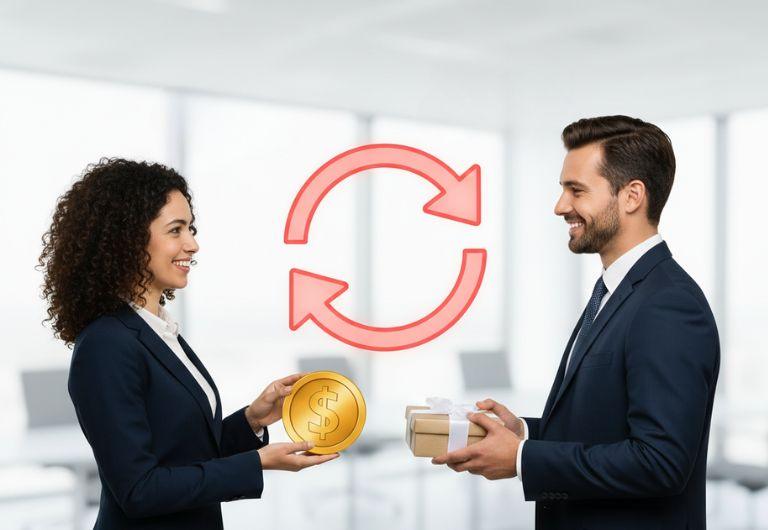
What Are Retention & Loyalty Loops, Explained Simply
The Anatomy of Retention & Loyalty Loops
At their core, retention & loyalty loops are structured, repeatable sequences of customer experiences designed to encourage customers to re-engage with a brand again and again. Unlike linear funnels that end at conversion, these loops are circular by design—each interaction is meant to feed the next, creating momentum over time. When executed well, retention & loyalty loops transform sporadic transactions into predictable, loyalty-driven growth.
Trigger: Creating the Reason to Return
Every loop begins with a trigger—a moment or signal that prompts the customer to re-engage. Triggers can be functional, such as product replenishment or subscription renewal, or emotional, such as anticipation, curiosity, or a sense of belonging. The most effective triggers are behavior-based rather than time-based, responding to real customer actions instead of arbitrary schedules. This relevance makes the re-engagement feel timely and intentional, not intrusive.
Action: Guiding the Desired Behavior
Once triggered, the loop requires a clear action. This is the behavior the brand wants the customer to take, whether that is revisiting a product, opening an app, engaging with content, or making a repeat purchase. High-performing brands design these actions to be frictionless. The easier it is to act, the more likely the loop is to continue. Complexity or confusion at this stage can break momentum and weaken long-term retention.
Reward: Delivering Value Beyond Discounts
The reward is the value the customer receives after taking action. While traditional customer loyalty programs often rely heavily on discounts or points, retention & loyalty loops take a more nuanced approach. Rewards may include personalized recommendations, convenience, exclusive access, recognition, or status. These forms of value strengthen emotional connections and reinforce the perception that the brand understands the customer’s needs.
Reinforcement: Turning Engagement Into Habit
Reinforcement is what makes the loop repeatable. It ensures that the customer associates positive outcomes with their behavior, increasing the likelihood of future engagement. Reinforcement can occur through habit formation, progressive benefits, social validation, or improved personalization over time. As the loop strengthens, customers begin to return instinctively, not because they are persuaded, but because the experience feels rewarding and familiar.
Experience Over Incentives: The Strategic Difference
What differentiates retention & loyalty loops from basic loyalty programs is their focus on experience rather than incentives. Discount-driven programs often lead to diminishing returns, requiring ever-greater offers to maintain engagement. Loyalty loops, by contrast, embed value directly into the customer journey. Over time, this approach increases purchase frequency and brand loyalty without escalating costs.
Embedded Across the Customer Lifecycle
In high-performing brands, retention & loyalty loops are not confined to CRM systems or email marketing alone. They are embedded across the entire customer lifecycle marketing framework—from onboarding and post-purchase engagement to customer support, feedback, and reactivation. This cross-functional integration ensures consistency and continuity, allowing loyalty to compound and become a sustainable competitive advantage rather than a short-term tactic.
Why Retention & Loyalty Loops Matter More Than Ever
Retention-based marketing is no longer a strategic “nice to have.” Structural shifts in how markets operate, how consumers behave, and how businesses are valued have made it indispensable—particularly in competitive, high-expectation environments like Dubai. Three forces, in particular, are reshaping how sustainable growth is achieved.
Rising Customer Acquisition Costs Are Reshaping Growth Economics
The economics of acquisition have fundamentally changed. Platform competition has intensified, digital advertising inventories are crowded, and privacy regulations have reduced the effectiveness of hyper-targeted campaigns. As a result, paid growth has become both more expensive and less predictable. Numerous industry studies consistently show that acquiring a new customer can cost five to seven times more than retaining an existing one.
This shift forces brands to confront an uncomfortable reality: growth driven primarily by acquisition is increasingly inefficient. Retention & loyalty loops address this imbalance by improving the return on every customer acquired. Instead of restarting the growth process with each new buyer, brands compound value by extending customer lifespan and increasing purchase frequency, effectively lowering blended acquisition costs over time.
Evolving Consumer Expectations Demand Continuity and Relevance
Modern consumers no longer experience brands in isolated moments. They move fluidly across devices, platforms, and channels, expecting continuity at every touchpoint. Personalization, immediacy, and contextual relevance are now baseline expectations, not differentiators.
Brands that fail to recognize returning customers—or treat loyal buyers like first-time visitors—quickly erode trust. Repetition without recognition signals a lack of understanding. Retention & loyalty loops respond to this shift by creating connected experiences that remember past behavior, anticipate future needs, and reward ongoing engagement. The result is not just higher retention, but stronger emotional brand loyalty.
Revenue Predictability Now Depends on Retention, Not Reach
The way businesses are evaluated has also changed. Investors and leadership teams increasingly prioritize predictable revenue streams over short-term growth spikes. Metrics such as recurring revenue, repeat purchase rates, cohort retention, and customer lifetime value (CLV) now carry more weight than vanity metrics like impressions or raw traffic.
Retention & loyalty loops directly support this evolution by stabilizing revenue and reducing dependence on constant acquisition. When repeat purchases become the norm rather than the exception, forecasting improves, margins strengthen, and growth becomes more resilient to market fluctuations.
Loyalty Must Be Engineered in Competitive Markets
In markets such as Dubai—where brand switching is frictionless and alternatives are abundant—loyalty rarely happens by chance. Customers have access to global brands, local disruptors, and premium alternatives at every price point. In this environment, retention is not a byproduct of good marketing; it is the result of deliberate design.
Retention & loyalty loops provide the structure needed to engineer loyalty systematically. By aligning triggers, actions, rewards, and reinforcement across the customer lifecycle, brands move from hoping customers return to ensuring they do—turning retention into a repeatable, scalable growth engine.
The Strategic Anatomy of High-Performing Retention Loops
Effective retention & loyalty loops are designed, not improvised. While execution varies by industry, the underlying framework remains consistent.
1. Post-Purchase Engagement as a Growth Lever
The post-sale moment is often the most neglected stage of the customer journey. Yet it is where loyalty is either built—or lost.
High-performing brands use post-purchase engagement to reinforce value immediately. This might include proactive onboarding, usage education, personalized recommendations, or concierge-style support. The goal is to reduce buyer’s remorse and accelerate time-to-value.
In ecommerce, this often translates into content-driven follow-ups rather than promotional emails. In service businesses, it may involve structured check-ins or milestone-based communication. The common thread is intentionality.
2. Behavioral Triggers That Drive Repetition
Retention loops rely on behavioral triggers, not calendar-based campaigns. Instead of sending emails because it’s “time,” brands trigger interactions based on customer behavior: product usage, browsing patterns, replenishment cycles, or engagement signals.
These triggers create relevance. A message that arrives at the right moment—when the customer is most likely to act—strengthens the loop without feeling intrusive.
This is where customer experience optimization intersects with retention marketing. The better a brand understands behavior, the more seamless the loop becomes.
3. Rewards That Reinforce Identity, Not Just Savings
Discount-driven loyalty is fragile. Customers trained to buy only during promotions will leave when discounts stop.
Strong loyalty loops use rewards and incentives that reinforce identity and belonging. Early access, exclusive content, personalized offers, status tiers, and recognition all contribute to emotional brand loyalty.
In luxury and premium segments, especially common in Dubai, status-based loyalty often outperforms points-based systems. Customers return not because it’s cheaper, but because it feels better.
How Retention Loops Increase Customer Lifetime Value (CLV)
How Retention & Loyalty Loops Compound Customer Lifetime Value
Customer lifetime value (CLV) is often treated as a fixed outcome—something to be measured after the fact rather than actively shaped. In reality, CLV is a dynamic metric. It is the cumulative result of every interaction, experience, and decision a customer has across their entire relationship with a brand. Retention & loyalty loops are powerful precisely because they influence these interactions systematically, allowing CLV to grow through compounding effects rather than one-time gains.
Increasing Purchase Frequency Through Reduced Friction
The first way retention & loyalty loops increase CLV is by raising purchase frequency. When loops are well designed, they remove the need for constant persuasion. Customers do not have to rediscover the brand or re-evaluate alternatives each time they buy. Instead, triggers, reminders, and personalized experiences guide them naturally back into action.
By reducing friction between purchases—whether through seamless reordering, timely recommendations, or contextual engagement—brands make repeat buying feel effortless. Over time, this consistency turns repeat purchases into habitual behavior, significantly lifting overall revenue per customer.
Expanding Average Order Value by Building Trust
Trust is a prerequisite for spending more. Retention & loyalty loops strengthen trust by delivering consistent value across touchpoints, reducing perceived risk and increasing confidence in the brand. As trust grows, customers become more receptive to cross-sells, bundles, and premium offerings.
Rather than relying on aggressive upselling tactics, high-performing brands use loyalty loops to introduce additional value at the right moment in the customer journey. The result is a higher average order value driven by relevance and confidence, not pressure.
Extending Customer Lifespan Through Churn Reduction
The third and most powerful CLV lever is customer lifespan. Even small improvements in churn reduction can have an outsized impact on long-term revenue. Retention & loyalty loops address churn proactively by keeping customers engaged, recognized, and rewarded before disengagement occurs.
By maintaining ongoing relevance and reinforcing positive experiences, loops reduce the likelihood that customers drift away to competitors. This extended relationship length compounds revenue over time, often more effectively than short-term acquisition pushes.
Referral as a Secondary Growth Loop
Loyal customers do more than buy again—they advocate. McKinsey research indicates that loyal customers are up to five times more likely to repurchase and four times more likely to refer a brand. These referrals form a secondary loyalty loop, introducing new customers who arrive with higher trust and lower acquisition costs.
In this way, retention & loyalty loops not only increase CLV directly but also amplify growth indirectly. Each satisfied customer becomes a potential acquisition channel, reinforcing the system and accelerating loyalty-driven growth without proportionally increasing marketing spend.
Together, these compounding effects explain why retention & loyalty loops are among the most powerful levers available to brands seeking sustainable, long-term value creation.
Case Study: Ecommerce Loyalty Loops Done Right
Consider a regional ecommerce brand operating in the GCC market. Initially focused on aggressive acquisition, the brand struggled with low repeat purchase rates despite strong traffic.
Instead of increasing ad spend, the brand redesigned its retention & loyalty loops strategy.
The post-purchase journey was rebuilt to include educational content tailored to the product category, proactive reorder reminders based on usage data, and a tiered loyalty system that rewarded engagement—not just spending.
Customers who interacted with post-purchase content were significantly more likely to make a second purchase. Over twelve months, repeat purchase rates increased by over 30%, while paid acquisition spend decreased as organic repeat revenue grew.
The key insight was not tactical sophistication, but systemic thinking. Every interaction was designed to feed the next.
Retention & Loyalty Loops for Service and B2B Brands
While ecommerce often leads the loyalty conversation, retention loops are equally powerful in service and B2B contexts.
In professional services, loyalty is built through continuity and perceived partnership. Structured feedback loops, regular value reviews, and proactive insights turn clients into long-term relationships.
In B2B SaaS, product usage itself becomes the loop. Onboarding, feature adoption, customer success touchpoints, and renewal incentives are all part of a retention marketing loop that reduces churn and increases expansion revenue.
The common factor across industries is a shift from transactional delivery to relationship marketing.
Measuring What Matters: Retention Metrics That Signal Loop Health
Retention & loyalty loops demand a different measurement mindset than acquisition-led marketing. While acquisition campaigns are often judged by immediate outputs—clicks, impressions, or short-term conversions—loyalty loops reveal their true value over time. The right metrics do not simply report performance; they diagnose the health of the loop itself.
Meaningful indicators include repeat purchase rate, cohort retention, purchase frequency, depth of customer engagement, and customer lifetime value (CLV) growth. Together, these metrics show whether customers are progressing through the loop repeatedly or disengaging after initial interactions. A rising repeat purchase rate signals that triggers and rewards are aligned, while improving cohort retention indicates that early experiences are setting the foundation for long-term loyalty.
Equally important is engagement depth. Time spent with the brand, content interaction, feature adoption, or service usage all point to how embedded the brand has become in a customer’s routine. When engagement deepens alongside purchase behavior, it suggests the loop is reinforcing both emotional and functional loyalty.
Crucially, retention performance should be evaluated through trends, not snapshots. Loyalty-driven growth is cumulative by nature. Early-stage loops often appear underwhelming when viewed in isolation, only revealing their full impact over multiple cycles. Brands that prematurely abandon retention initiatives often do so because they measure too narrowly or too soon, mistaking compounding value for stagnation.
Common Mistakes Brands Make with Retention Marketing Loops
Despite widespread acknowledgment of retention’s importance, many brands struggle to execute effectively. The underlying mistakes are rarely complex—they are structural and behavioral.
One of the most common errors is over-reliance on discounts. While price incentives can trigger short-term repeat purchases, they often erode margins and train customers to delay buying until the next offer appears. Over time, this weakens brand equity and makes loyalty conditional rather than intrinsic.
Another frequent misstep is treating loyalty programs as isolated initiatives. When retention efforts live only within a CRM, an email calendar, or a standalone rewards platform, they fail to influence the broader customer experience. Effective retention & loyalty loops require integration across marketing, customer experience, product, and support. Without alignment, loops become fragmented and lose momentum.
Many organizations also underestimate the importance of internal coordination. When teams pursue conflicting goals—acquisition volume versus customer quality, short-term revenue versus long-term value—retention initiatives struggle to gain traction. Loyalty is not owned by a single department; it is a shared outcome of consistent execution.
The most damaging mistake, however, is inconsistency. Loyalty is built on reliability and trust. Broken loops, irregular communication, or disjointed experiences signal unpredictability, which quickly undermines confidence. Customers may forgive an imperfect experience, but they rarely tolerate an unreliable one. In retention marketing, consistency is not a tactical detail—it is the foundation upon which durable loyalty is built.

The Future of Retention-Based Marketing in the Middle East
As markets like Dubai and the wider Middle East continue to mature, retention-based marketing is shifting from a competitive advantage to a strategic necessity. The region’s rapid digital adoption, exposure to global brands, and increasingly sophisticated consumers mean that differentiation through acquisition alone is becoming harder to sustain. Brands that master retention & loyalty loops will be better positioned to reduce long-term acquisition costs, build durable brand equity, and achieve more predictable, resilient growth.
Technology will undoubtedly accelerate this shift. AI-driven personalization will allow brands to anticipate needs rather than react to them, while zero-party data—information customers willingly share—will enable deeper relevance without compromising trust. At the same time, omnichannel experience design will become table stakes, ensuring that customers are recognized and rewarded consistently across online, offline, and service touchpoints.
However, technology is not the differentiator. Strategy is. Tools can enable retention, but they cannot define it. The brands that succeed will be those that design loyalty intentionally—embedding retention loops into their operating model rather than layering them on as campaigns. They will treat loyalty as a long-term asset, measured and optimized over years, not quarters.
In a region where choice is abundant and switching costs are low, loyalty must be engineered with precision. The future belongs to brands that understand this and invest accordingly.
Conclusion: Retention Is Not a Tactic. It’s a System.
Retention & loyalty loops represent a fundamental rethinking of how growth works. They move brands away from transactional thinking and toward relationship-driven systems that compound value over time. Instead of endlessly chasing new customers, these loops focus on earning the return of those who already trust the brand.
For organizations serious about sustainable growth, higher repeat purchases are not achieved through louder messaging or deeper discounts. They are built through thoughtful, well-designed systems that respect customer behavior, deliver consistent value, and reinforce trust at every interaction. Each loop strengthens the next, creating momentum that acquisition alone cannot replicate.
In an era where attention is fleeting and competition relentless, loyalty is the only growth lever that truly compounds. Brands that understand this will find themselves less dependent on paid growth and more resilient to market shifts.
And the brands that design their retention & loyalty loops well will not need to chase customers at all. Customers will come back—not because they are persuaded, but because the experience gives them every reason to do so.
FAQ
1. What is the difference between retention & loyalty loops and traditional loyalty programs?
Traditional loyalty programs are typically transactional, offering points or discounts in exchange for purchases. Retention & loyalty loops, by contrast, are experience-driven systems designed to reinforce repeat behavior over time. Instead of relying solely on incentives, they integrate triggers, actions, rewards, and reinforcement across the customer lifecycle, making repeat engagement feel natural rather than forced.
2. Do retention & loyalty loops work without discounts or rewards?
Yes—and in many cases, they work better without heavy discounting. High-performing retention loops often rely on relevance, convenience, personalization, recognition, or status rather than price incentives. These non-monetary rewards strengthen emotional loyalty, reduce margin erosion, and encourage repeat purchases without conditioning customers to wait for offers.
3. How long does it take for retention & loyalty loops to show results?
Retention & loyalty loops are cumulative systems, not instant-growth tactics. Early indicators such as engagement depth or repeat purchase intent may appear within weeks, but meaningful impact on customer lifetime value (CLV) typically becomes visible over several months. Brands that evaluate loops based on short-term snapshots often underestimate their long-term compounding effect.
4. Are retention & loyalty loops only effective for ecommerce brands?
No. While ecommerce brands often adopt loyalty loops first, the framework is equally effective for service businesses, B2B companies, and subscription-based models. In these contexts, loops may focus more on onboarding, usage, education, and relationship continuity rather than repeat transactions alone. The principle remains the same: structured experiences that encourage return behavior.
5. What is the biggest mistake brands make when building retention & loyalty loops?
The most common mistake is inconsistency. Many brands launch retention initiatives but fail to maintain reliable experiences across touchpoints. Broken loops, irregular communication, or disconnected teams undermine trust quickly. Loyalty is built through predictable value delivery over time, not isolated campaigns or short-term promotions.