
Designing a Community-Driven Brand Strategy for Deeper Engagement

Introduction
In a world where people are constantly bombarded with marketing noise, it’s no surprise that traditional outreach often blends into the background. Most customers have learned to tune out generic ads and polished taglines. What they’re craving instead is connection — a sense that the brands they invite into their lives actually understand them, value them, and create places where they can belong.
This is why brands today have to move beyond simple transactions. Selling a product isn’t enough. The real opportunity lies in building communities — living networks of people who share values, interact with one another, and see the brand as more than a provider. When a brand becomes part of how customers express identity, purpose, or belonging, its role shifts from vendor to cultural anchor.
This article explores that shift. It argues that a Brand Community-Driven Brand Strategy isn’t a trend or a feel-good idea. It’s a serious, research-backed growth engine. When done well, it drives deeper engagement, stronger loyalty, and long-term sustainability that traditional marketing simply can’t replicate.
Drawing on academic studies, real case examples, and respected business practices, we break down how a brand — especially in fast-moving, multicultural markets like Dubai — can intentionally design, grow, and sustain a community-centered ecosystem. Everything here is built on transparent reasoning and evidence, not vague claims or overused statements like “branding matters.”
What Makes a Brand Community More Than a Fan Club
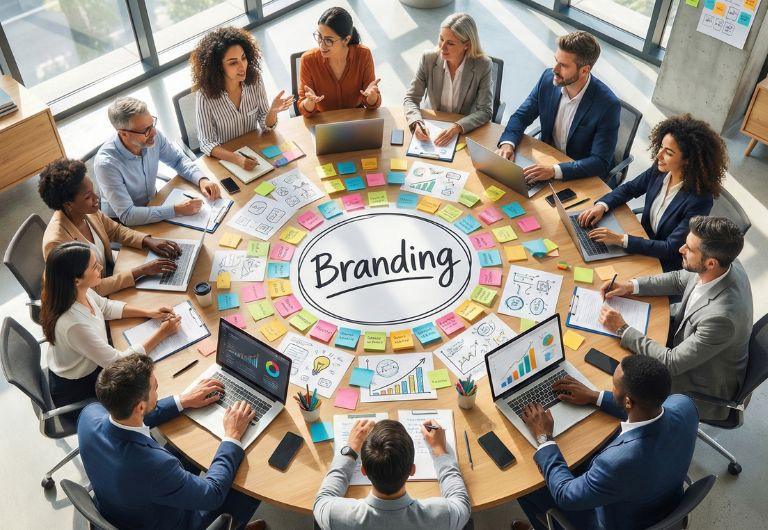
A community is so much more than a group of customers in the same room. It’s a mini-society shaped by shared values, familiar rituals, inside jokes, and meaningful interactions. In marketing research, a brand community is often described as a group of people who connect through their interest in a brand, its products, and the beliefs that brand stands for. But in practice, it feels deeper than that — it’s the moment when customers stop being “buyers” and start being participants. What makes a brand community so powerful is the way several forces work together.
First, communities create emotional grounding. People find identity, belonging, and shared meaning within them. The brand becomes more than something they purchase. It becomes something they relate to, talk about, and use to express who they are.
Second, communities open space for real conversation. Members talk to one another, not just to the brand. This social exchange builds trust, sparks peer influence, and creates an internal feedback loop that often reveals more than any formal survey or focus group ever could. Customers don’t just consume; they contribute.
Third, communities unlock co-creation and advocacy. Members share ideas, create content, shape experiences, and occasionally even inspire product improvements. Because they feel invested, they naturally talk about the brand, recommend it, and bring others into the circle. Their advocacy becomes a growth engine that money simply can’t buy.
When all these elements come together, a brand community evolves into a self-reinforcing cycle. Engagement nurtures loyalty. Loyalty fuels advocacy. Advocacy attracts new members. Those new members create more engagement — and the cycle continues.
Research supports this dynamic as well. Studies on community-driven loyalty show that when people feel genuine benefits from being part of a brand community, their engagement rises significantly, and that engagement directly strengthens their loyalty. In other words, the emotional and social value people feel actually shapes business outcomes.
This is why building a brand community is not a soft idea or marketing fluff. It’s a strategic investment. A well-nurtured community strengthens relationships, lowers acquisition costs, and increases long-term retention. Most importantly, it creates a brand that customers don’t just buy from — they belong to.
The Business Value of a Community-Driven Strategy
Some of the world’s most beloved brands show just how powerful community-building can be when it’s woven into the heart of a business strategy. Two often-cited examples — LEGO and Harley-Davidson — stand out not simply because they sell well-known products, but because they’ve transformed those products into cultural touchstones through thriving communities of fans, creators, and advocates.
LEGO: From toy maker to cultural platform
LEGO has always been more than plastic bricks, but the company’s journey makes that especially clear. In the early 2000s, LEGO found itself in trouble — slipping sales, scattered product lines, and rising competition from digital entertainment. Instead of doubling down on traditional marketing, LEGO chose a different path: it leaned into its community.
At the center of that shift is LEGO Ideas, a platform where fans share their own set designs. When an idea earns 10,000 community votes, LEGO evaluates it for commercial release, and if it’s approved, the original creator earns a royalty. It’s a simple concept on the surface, but its impact goes much deeper.
This isn’t just crowdsourcing. It’s about identity. Fans turn into co-creators. Their imagination becomes part of LEGO’s catalogue. Their success becomes something the whole community celebrates. One academic study even highlights a clear pattern: when people feel they can co-create value, their sense of belonging increases, and that belonging drives stronger loyalty and repurchase intent.
What’s remarkable is how seamlessly this community feeds innovation. Fans spark product ideas, pressure-test demand, and fuel organic marketing simply by sharing their creations across social channels. By the time a LEGO Ideas set hits shelves, it already has cheerleaders, credibility, and a story built by the community itself.
This approach played a real part in LEGO’s revival. By letting its users help shape the brand’s future — and by strengthening the emotional fabric of its community — LEGO moved from near-decline to years of sustained, global growth.
Harley-Davidson and the power of lifestyle communities
When people talk about brand communities, Harley-Davidson almost always enters the conversation, and for good reason. The Harley Owners Group (H.O.G.), founded in 1983, has grown into a cultural force of its own. With more than a million members worldwide, it represents one of the strongest examples of a brand-sponsored community that has outgrown the product itself.
Harley-Davidson sells motorcycles, but H.O.G. sells something deeper — a sense of belonging, freedom, and shared adventure. Riders meet for group rides, rallies, and local events that turn everyday ownership into a lifestyle. These shared experiences build identity, camaraderie, and long-term loyalty.
One community leader captured it beautifully: “Our primary goal is always to stay connected, engage, motivate, and keep the dream alive for our customers.”
That dream — that idea of belonging to something bigger — helped Harley-Davidson weather challenges and reinvent itself. What could have remained a niche product evolved into a worldwide movement, powered by a community that genuinely lives the brand.
Why Brand Community-Driven Strategy Works: Mechanisms & Metrics
If a company wants to adopt a community-driven brand strategy intentionally — not as an afterthought or a “nice to have” — it needs to understand how communities actually create value and how to measure that value in a way that reflects real human behavior, not just vanity metrics.
Psychological and behavioral mechanisms
At the heart of every strong brand community are a set of human dynamics. These aren’t abstract theories; they’re the lived experiences that shape why people join, stay, and advocate for a brand.
Perceived community benefits.
People participate when they genuinely feel the community gives them something meaningful. That might be social connection, recognition, early access, or the chance to co-create. When members feel those benefits, engagement naturally rises.
Sense of belonging and identity.
Communities turn customers from scattered individuals into a group with shared identity. That feeling of “this is where I belong” strengthens emotional ties to the brand far more effectively than any ad campaign.
Flow and co-creation experiences.
Research on brands like LEGO shows that when fans are invited to co-create — by designing sets, contributing ideas, or generating content — they often enter a state of creative immersion. This blend of “mind-flow” and “heart-flow” elevates their sense of connection and significantly boosts loyalty.
Advocacy and social influence.
Active community members often become natural ambassadors. Because their voice is authentic, their influence tends to carry far more weight than traditional advertising. People trust people, especially those who share their interests and speak from experience.
Business metrics and value beyond sales
A community’s value isn’t just in how many people join. Volume matters, but what truly signals success is depth — how engaged members are, how long they stick around, and how they help the brand grow organically.
Some of the most important metrics to track include:
- Active participation rate such as posts, contributions, or event attendance
- Co-creation outputs like ideas submitted, content created, or feedback shared
- Retention and repurchase rates of community members compared to non-members
- Referral and advocacy impact including new customers gained through member recommendations
- Innovation contribution meaning how much of the product roadmap or creative pipeline comes from community input
- Reduction in acquisition cost as word-of-mouth and community-driven discovery replace paid channels
These aren’t just theoretical benefits. Some marketing analyses show that customers who are part of brand communities have 2.7 times higher lifetime value than customers acquired through traditional marketing. In parallel, roughly 68.7 percent of consumers say they prefer buying from brands they interact with inside online communities.
Taken together, these numbers tell a clear story. Strong communities don’t just make people feel good — they make the business stronger, more resilient, and more efficient.
Designing a Community-Driven Brand Strategy
What does a community-driven strategy actually look like on the ground — especially in a city like Dubai, where audiences are multicultural, fast-moving, and deeply digital? The framework below offers a practical guide for agencies and brand strategists looking to build communities with intention rather than chance.
Strategic Foundations — Mindset and Purpose
At the heart of any community-centered brand strategy is a shift in how the brand sees itself. It’s not just about what the brand sells, but what it stands for — the values, the emotions, and the identity it shares with its audience. To get there, most organizations need to embrace three mindset shifts:
From transactions to relationships.
Leaders must recognize that not all brand value shows up instantly on a balance sheet. Trust, belonging, loyalty, and emotional connection are forms of social capital that grow over time. In community-led brands, the community isn’t a channel on the side; it becomes part of the product experience itself.
From control to empowerment.
Strong communities form when brands let people participate, contribute, and even shape parts of the offering. Yes, it introduces unpredictability — but it also delivers deeper engagement, richer insights, and a more authentic bond with the audience.
From silos to integration.
The community cannot sit solely with the social media manager or the marketing department. It needs to live at the intersection of product, content, customer support, business strategy, and brand leadership. That cross-functional integration is what allows the community to influence meaningful decisions.
These shifts only work if they tie back to a clear purpose. A brand must understand what unites its people. What shared belief, lifestyle, or identity makes the community feel authentic? Without clarity, a community can feel forced or shallow.
Structural Elements — What the Community Looks Like
Once the strategic foundation is set, the next step is designing the actual experiences, structures, and touchpoints that bring a community to life. A strong community-driven strategy usually includes several core building blocks.
Co-creation platforms and participatory design
People feel closer to brands when they can help create something. LEGO’s model is the perfect example: fans pitch ideas, the community votes, and the best ones get produced. It’s not just fun — it builds ownership and pride.
In Dubai’s multicultural environment, this idea becomes even more exciting. A fashion brand could co-design limited-edition pieces inspired by diverse cultural aesthetics. A real-estate developer might invite residents to shape new amenities. A hospitality brand could ask loyal guests to help design signature experiences or gatherings. The more people contribute, the more they feel like they belong.
Community events — virtual and physical
Shared experiences are often the emotional glue of a community. Think of Harley-Davidson riders gathering for rallies and group rides — the experience itself becomes part of the identity.
In cosmopolitan cities like Dubai, events can be even more dynamic. They can bring together expatriates, locals, global professionals, creatives, and travelers. When a brand becomes the place where these different groups meet and connect, it gains cultural meaning, not just visibility.
Feedback loops and community-driven innovation
A community isn’t just a place for people to talk — it’s a live intelligence system. Through forums, feedback tools, engagement analytics, and open discussions, brands can spot gaps, trends, and opportunities long before they hit the mainstream.
This only works when brands actually listen. That means acknowledging ideas, responding thoughtfully, and acting when the community offers something valuable. Some of the most innovative brands use their communities as ongoing research partners.
Recognition, rewards, and pathways to influence
People stay active when they feel seen. Community members — especially the ones who contribute ideas, content, or leadership — should be recognized meaningfully. This doesn’t always have to be financial. Often, status, visibility, early access, or insider privileges are more powerful.
LEGO does this beautifully by highlighting creators, featuring their stories, and giving credit even when their designs don’t become retail sets. This kind of recognition strengthens emotional connection and turns contributors into ambassadors.
Unique Opportunities & Challenges
For brands and agencies working in Dubai — a city shaped by global cultures, constant movement, and deep digital connectivity — a community-driven strategy holds enormous potential. But it also needs thoughtful adaptation to fit the city’s unique social fabric.
Cosmopolitan audience: leveraging diversity, identity, and belonging
Dubai’s demographic landscape is unlike almost anywhere else. Locals, long-term expatriates, newcomers, and short-stay professionals all coexist in a place where identities shift and communities evolve quickly. In this environment, a brand community can become more than a fan circle — it can be a space where people find connection, comfort, and common ground.
A lifestyle brand, for example, could act as a cultural bridge, inviting members to co-create designs inspired by their diverse heritages. A hospitality or F&B brand might host events that celebrate global traditions while staying rooted in the familiar warmth of local hospitality.
In a city where many people are far from home, community isn’t just about product loyalty. It becomes a way to help people feel anchored, understood, and part of something meaningful.
Digital-first but hybrid-ready engagement
Dubai’s population is highly digital, but digital alone isn’t enough. People move in and out of the city, travel frequently, and come from time zones around the world. Because of this, a true community strategy needs a hybrid model — a mix of online and offline touchpoints that keep people connected wherever they are.
Digital platforms can host discussions, content, co-creation challenges, and updates. But real-world meetups, celebrations, workshops, and brand experiences help people form lasting bonds and memories.
This mirrors what brands like LEGO and Harley-Davidson do so well: blending digital submissions or forums with on-ground events that reinforce identity and bring the community to life.
Cultural sensitivity and alignment with brand values
With so much cultural diversity in one place, brands have to approach community-building with care. Inclusivity isn’t just a nice gesture; it’s essential. Co-creation initiatives, community content, and brand activities need to be tuned to the city’s multicultural context and respectful of local norms.
Just as importantly, the brand’s values must feel authentic across different demographics. If the stated values don’t resonate, community-building can feel forced or superficial. A sustainability-focused brand, for instance, might easily attract eco-conscious residents, but it still needs to ensure its message aligns with local priorities, regulations, and cultural expectations.
When brands get this balance right — inclusive, grounded, and value-driven — they create communities that feel welcoming and real.
Potential Challenges & Risks — and How to Mitigate Them
A community-driven strategy can be transformative — but only when it’s handled with intention, empathy, and a long-term mindset. Many well-meaning community initiatives lose momentum because they fall into predictable traps. Here are some of the most common pitfalls and how brands can avoid them.
Risk 1: The community becomes stale or cliquish
Sometimes, a small group of highly active members ends up dominating the conversation. While their passion is valuable, it can unintentionally create an inner circle that makes newcomers feel like outsiders. When this happens, the community stops growing and the energy fades.
To counter this, brands need to focus on keeping the environment open and welcoming. New members should have clear pathways to get involved, simple onboarding moments, and opportunities to contribute. Rotating recognition and spotlighting different voices keeps the culture inclusive and dynamic.
Risk 2: Over-reliance on the community for innovation
Communities can be incredible sources of ideas, but they can’t carry the entire innovation process on their shoulders. Brands still need their own vision, research, and product strategy. When companies rely too heavily on community submissions, they risk losing direction or over-indexing on niche preferences.
The healthiest approach is a balance. Community input should enrich the roadmap — not replace it. Brand teams still need to guide decisions with long-term strategy and market insights while using community feedback as a powerful complementary source of creativity.
Risk 3: The brand loses control over messaging or quality
Opening the door to community-generated content, designs, or ideas naturally introduces variation — some of it wonderful, and some of it misaligned. Without structure, this can lead to inconsistent messaging or quality issues that affect how the brand is perceived.
To prevent this, brands need clear guardrails. Governance frameworks, quality checks, and thoughtful moderation help protect the brand while still allowing creativity to flourish. For instance, co-created designs may move forward only after community approval and internal review, and public-facing content might be screened to ensure it aligns with brand values.
Risk 4: Scale dilution — the community becomes too big to feel meaningful
Growth is often the goal, but when a community becomes very large, the sense of intimacy can fade. Members may start feeling anonymous or disconnected, and engagement drops as people feel less seen.
A practical solution is to structure the community into tiers or segments — such as core contributors, casual participants, and newcomers — and design different touchpoints for each group. This preserves intimacy while still allowing the overall community to scale.
Steps to Launch a Brand Community Strategy
Drawing from the principles and case studies above, the following roadmap offers a high-level guide for agencies supporting clients in cosmopolitan, multicultural markets. It’s not a rigid formula — more of a directional blueprint for building a community-driven brand strategy that feels authentic and sustainable.
Phase 1 — Purpose and Identity Definition
Start by grounding everything on purpose. This usually begins with a deep dive workshop where the brand reflects on who it is beyond the products it sells. What values does it stand for? What lifestyle or identity does it want to represent? Who exactly is the community it hopes to bring together?
Most importantly: what shared ethos can unite a diverse group of people and make them feel like they belong?
Phase 2 — Infrastructure and Governance Design
Once the purpose is clear, build the foundations. This means selecting the right platforms — whether it’s an online forum, social media group, co-creation space, or a mobile app — and defining the rules that keep the community healthy. Clear guidelines, fair moderation, structured pathways for contribution, and recognition systems all help the community feel safe, welcoming, and consistent.
Phase 3 — Launch and Seeding
Every strong community needs early energy. Begin with a small pilot group made up of power users, loyal customers, or enthusiastic brand fans. Invite them into the process, let them co-create, and give them room to shape the culture. A high-impact launch moment, whether an event or a creative campaign, can help kickstart momentum and signal that the community matters.
Phase 4 — Activation and Engagement
This phase is where the community comes alive. Offer co-creation challenges, invite members to share stories or content, host offline encounters, and support member-led initiatives. Celebrate contributions — big and small. Keep communication flowing, respond with sincerity, and show that the community’s voice genuinely matters.
Phase 5 — Integration with Business Functions
To make a community truly strategic, its insights must feed the rest of the business. Use what the community shares to refine product development, messaging, customer experience, and even broader corporate strategy. Treat the community not as an add-on, but as a partner shaping the brand’s evolution.
Phase 6 — Measurement and Iteration
Finally, measure what matters. Set KPIs that reflect depth, not just size: engagement rates, retention, co-creation activity, referrals, lifetime value uplift, and more. Track patterns, spot friction points, and adjust as needed. The strongest communities grow through continuous refinement, not one-time campaigns.

Why Community-Driven Strategy Matters for Dubai’s Future Brands
Dubai — like many cosmopolitan cities around the world — is shaped by constant movement, global influence, and digital connection. But beneath all that energy and change lies a quieter human truth: people still crave belonging, identity, and meaningful connection. Brands that can offer this — not through louder advertising, but by nurturing genuine communities — gain an advantage that extends far beyond short-term sales.
For agencies, adopting a community-driven brand approach creates a powerful differentiator. You’re no longer simply launching campaigns. You’re helping clients build ecosystems. You’re turning customers into advocates, products into shared experiences, and everyday transactions into ongoing relationships.
As conscious consumption grows, as demographics become more multicultural, and as younger, digitally native audiences expect participation rather than passive messaging, the importance of community and co-creation will only increase. Brands that embrace these dynamics will be more adaptable, more resilient, and more relevant in the long run.
For agencies in Dubai — whether supporting retail, lifestyle, luxury, hospitality, or real estate brands — a community-driven strategy offers a scalable, meaningful way to connect with diverse audiences, stand out in competitive markets, and build lasting brand equity. It’s not just smart marketing; it’s a future-ready approach to creating brands people truly want to be a part of.
Conclusion
A brand community–driven strategy is not about creating a marketing gimmick or adding another campaign to the calendar. It’s about rethinking how brands relate to people — moving from one-way messaging to honest dialogue, from simple transactions to true relationships, from selling products to shaping identity, and from speaking to audiences to cultivating communities. This shift transforms not just how a brand is seen, but how it is felt, influencing both User and Market Branding Perception in powerful ways.
The success stories of brands like LEGO and Harley-Davidson show what’s possible. These companies didn’t just build fan clubs; they built ecosystems where customers become co-creators, advocates, and loyal members of a shared culture. Their turnarounds and long-term growth make one thing clear: when people feel genuinely connected, they stick around. Academic research reinforces this — when customers perceive real community benefits, their engagement increases, and that engagement strengthens brand loyalty.
For agencies working in Dubai — or any fast-moving, multicultural, globally connected market — this isn’t just an attractive strategy. It’s becoming essential. As consumer expectations shift, as digital saturation grows, and as cultural identities evolve, brands that cultivate authentic communities will be the ones that remain relevant and resilient.
Of course, adopting a community-driven strategy requires courage. It means thinking long-term. It means sharing some control and trusting your audience to help shape the journey. But the reward is far greater than a temporary campaign spike. Brands gain culture. They gain authenticity. They gain loyalty that can withstand change.
By applying the principles outlined above — from purpose definition to structural design to ongoing iteration — agencies can help build communities that are not just sustainable but truly strategic. These communities deepen engagement, reinforce loyalty, and create a competitive advantage that can’t be easily copied.
For Dubai’s brands seeking to stand out in a crowded global marketplace, the message is clear: community isn’t a luxury or an add-on. It’s the next frontier of brand building — one that strengthens both the emotional core of the brand and its long-term commercial impact.
FAQ
1. What is a community-driven brand strategy?
A community-driven brand strategy focuses on building meaningful relationships with customers by actively involving them in conversations, feedback loops, content creation, and brand development. Instead of one-way marketing, it emphasizes collaboration, shared values, and continuous engagement to strengthen loyalty.
2. Why is a community-driven approach important for deeper engagement?
When customers feel included and heard, they are more likely to interact consistently with your brand. A community-driven approach increases emotional connection, strengthens trust, and transforms passive audiences into active participants and advocates.
3. How can brands design an effective community-driven strategy?
Brands can build an effective strategy by:
- Creating dedicated online communities or forums
- Encouraging user-generated content
- Hosting interactive events, polls, or live sessions
- Implementing feedback-driven product improvements
- Recognizing and rewarding active members
Clear goals and consistent communication help sustain engagement over time.
4. What challenges do brands face when building community engagement?
Common challenges include maintaining consistent interaction, managing negative feedback, avoiding overly promotional messaging, and sustaining long-term participation. Successful community strategies require ongoing moderation, transparency, and value-driven communication.
5. How can businesses measure the success of a community-driven strategy?
Success can be measured through engagement rates, participation levels, retention metrics, referral growth, sentiment analysis, and user-generated content volume. Stronger advocacy, repeat interactions, and positive brand conversations indicate deeper engagement.