
Signals of Trust: Why Social Validation Now Defines Brand Authority
Introduction
In today’s UAE and Gulf markets, where people are digitally connected, socially engaged, and increasingly discerning, a brand’s real strength goes beyond what it sells. Success now depends on something more powerful. Brand authority means your customers, partners, media, and influencers see you as credible, knowledgeable, and genuinely trustworthy.
At our agency, we believe authority isn’t earned by shouting the loudest it’s built when others speak for you. That’s where Brand Social Validation Mechanisms come in. These are the platforms, tools, and practices that help your brand gain recognition and trust through authentic, third-party validation. When others endorse you publicly and credibly you stop selling promises and start building a reputation.
In this article, we’ll explore how to strategically activate these mechanisms to strengthen your brand’s authority. We’ll look at the science behind social validation, walk through proven frameworks, and share practical ways brands across Dubai and the wider Gulf can turn social proof into sustained influence. Finally, we’ll show how an agency like ours can guide that transformation from being a voice in the crowd to becoming a name people trust.
Why Social Validation Matters for Brand Authority
The idea of social validation sometimes called social proof, third-party endorsement, or peer validation is simple but powerful. People naturally look to the actions and opinions of others when deciding what to believe, buy, or pay attention to. When something or someone earns genuine approval from trusted voices, it immediately feels more credible.
Now, let’s connect that to brand authority. Brand authority is about how reliable, knowledgeable, and respected your brand is perceived to be within its space. As one marketing expert put it, “Brand authority refers to the level of trust and value your brand holds in the eyes of consumers, industry experts, and search engines.”
When others validate your brand whether through customer reviews, influencer partnerships, user-generated content, or positive media coverage you build more than just awareness. You build credibility, trust, and relevance. Over time, those intangible assets compound, turning your brand from a participant in the market to a true point of reference. You stop reacting to trends and start defining them.
For brands in Dubai and across the Gulf, this dynamic is especially crucial. Consumers here are cosmopolitan, digitally savvy, and influenced by both global and regional cues. In such an environment, credibility doesn’t come from how often you speak but from who speaks for you. Authority today isn’t just about saying you’re great; it’s about others proving that you are.

The Five Pillars of Brand Social Validation
Let’s unpack the main categories of mechanisms through which social validation can be built and amplified. Each plays a distinct role in shaping a brand’s authority and credibility.
1. Peer and User-Generated Validation
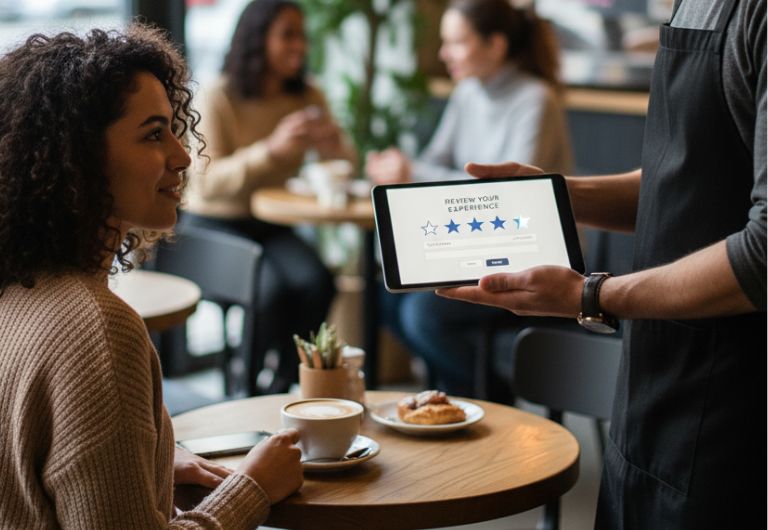
At its core, this mechanism is rooted in one powerful truth: people trust people like themselves. When your customers or community members share their experiences through testimonials, reviews, or social posts they become your most authentic advocates. Suddenly, your brand isn’t just talking about itself; others are talking for it.
Examples include:
- Online ratings and reviews on Google, social platforms, or industry portals
- User-generated social posts (UGC) that tag or feature your brand
- Case studies and client success stories
- Community forums or brand groups where users endorse and help one another
Why it matters:
Peer validation feels real and unbiased. Audiences view fellow users as credible sources, not marketers. Research on electronic word-of-mouth (eWOM) consistently shows it can significantly improve brand image and awareness within social networks (arXiv).
2. Influencer and Expert Endorsements
When credible voices whether industry experts, niche influencers, or respected commentators endorse a brand, it instantly gains borrowed trust. These voices lend two key benefits: credibility (through perceived expertise) and extended reach (through access to new audiences).
Supporting research:
Studies have shown that when followers feel a genuine parasocial connection with a trustworthy influencer, their perception of a brand’s credibility increases dramatically (Nature).
Practical applications:
- Partner with influencers whose expertise and values align with your brand’s domain
- Feature expert commentary or interviews on owned channels
- Co-create content such as webinars, podcasts, or panels with respected voices
- Collaborate with micro-influencers in Dubai or across MENA for niche, high-trust engagement
3. Media and Third-Party Certification
Press coverage, awards, and institutional recognition are among the strongest signals of authority. These forms of social validation show that credible outsiders have acknowledged your brand’s excellence or leadership.
Examples include:
- Features in leading business or trade publications
- Winning respected industry or design awards
- Earning verified certifications or partnerships from industry bodies
- Publishing white papers or thought-leadership that gets cited externally
Why it matters:
This level of validation communicates that your brand doesn’t just say it’s good it proves it through objective recognition. As one article puts it, “Third-party endorsements serve as social proof, reassuring consumers that they are making informed choices supported by the experiences and opinions of others.”
4. Community and Peer-Network Effects
Beyond individual endorsements lies a deeper, more sustained form of validation community. A brand community is a network of people who engage with, advocate for, and find value through a shared relationship with your brand.
Definition:
Academically, it’s described as “a specialized, non-geographically bound community, based on a structured set of social relations among admirers of a brand.”
In practice:
When such communities thrive whether through client advisory boards, user groups, or branded events they create continuous cycles of advocacy. Members validate one another, and the brand naturally becomes a hub of trust and influence.
For brands in Dubai, this might mean hosting interactive events, creating online member spaces, or curating local ambassador programs that sustain engagement beyond campaigns.
5. Algorithmic and Platform-Based Signals
In today’s digital ecosystem, validation isn’t just social, it’s also algorithmic. Search engines and social platforms reward brands that demonstrate trust signals from others. High engagement, backlinks from reputable sources, and a wealth of positive reviews all contribute to higher visibility and perceived authority.
Examples include:
- Accumulating authentic, high-quality online reviews
- Encouraging consistent social engagement and hashtag use
- Building backlinks from trusted domains
- Tracking influencer interactions and content reach
Turning Validation into Strategy: The VALIDATE Framework
To move from theory to impact, our agency developed the VALIDATE Framework, a practical model for building and sustaining brand authority through structured social validation. It helps ensure your efforts are not just visible, but also credible, connected, and measurable.
V – Visibility of Validation
Make sure your validation signals don’t stay hidden. Showcase them where people can see and feel them, highlight customer reviews, share influencer collaborations, feature testimonials, and display endorsements proudly across your owned platforms. Visibility turns proof into perception.
A – Alignment of Validator and Brand
Not every endorsement fits every brand. The people or platforms validating you should reflect your values, tone, and audience. Alignment ensures that the voices speaking for you sound authentic, not forced and truly resonate with your community.
L – Leveraging Network Effects
The goal isn’t one post; it’s momentum. Encourage ongoing participation through UGC programs, community spotlights, and repeat endorsements. The more people share, the more credible and self-sustaining your brand’s reputation becomes.
I – Integrity of Signal
Authenticity is everything. Real validation beats inflated or paid noise every time. Avoid overpromoting or staging endorsements; today’s audiences can spot insincerity instantly. True authority grows from genuine voices and transparent practices.
D – Diversification of Channels
Don’t rely on one source of validation. Blend peer reviews, influencer voices, media mentions, community interactions, and digital signals. This multi-channel approach builds resilience and ensures your brand remains credible across touchpoints.
A – Attribution and Tracking
Measure what matters. Track which validation mechanisms are driving tangible outcomes like trust metrics, SEO visibility, or share of voice. Data turns intuition into insight, helping refine what works best for your audience.
T – Timing and Cadence
Authority doesn’t happen overnight, it’s built steadily. Plan validation efforts as an ongoing rhythm, not a campaign spike. Consistent visibility and credibility over time build deeper, more lasting trust.
E – Evaluation and Optimisation
Keep learning. Regularly assess which validation types resonate most with your audience and which channels deliver the greatest impact. Use those insights to refine, evolve, and strengthen your brand authority strategy.
By applying the VALIDATE framework, brands move beyond ad-hoc endorsements to a coordinated, measurable system for building trust. It ensures that every validation effort contributes to a cohesive, credible story, one that elevates your brand from visible to undeniably authoritative.
Applying the VALIDATE Framework: A Real-World Example
Let’s bring the framework to life from a branding agency’s perspective. Imagine we’re working with a Dubai-based professional services firm that wants to establish itself as a trusted regional authority across the UAE and the Gulf. Here’s how we’d put each step into action.
Step 1 – Peer Validation Initiative
We begin by turning satisfied clients into credible storytellers. The firm invites top regional and international clients to record short case-study videos describing real outcomes achieved together. Each video features a client testimonial and highlights the firm’s impact within the UAE or GCC context. These stories are then shared across key channels on the firm’s website, LinkedIn, YouTube, and regional media platforms. The result? Authentic, first-hand voices validating the brand’s capabilities and showcasing tangible value.
Step 2 – Influencer & Expert Endorsement
Next, we elevate credibility through expert association. The agency curates a round-table webinar featuring a well-known Middle East industry analyst or consultant for instance, a voice respected in the GCC financial advisory sector. Together, they discuss emerging regional trends and reference the firm as a leading player. The session is then repurposed into bite-sized content for social media, downloadable gated resources for lead generation, and earned coverage through media outlets. This approach positions the brand as part of the expert conversation, not just commenting on it.
Step 3 – Media & Certification
To anchor credibility even further, the agency helps the firm pursue prestigious regional recognition. This could include awards such as the Middle East Employer Branding Award or GCC Consulting Excellence Award, along with strategic partnerships or certifications from respected organizations like CPA Australia, ACCA, or a local industry body. Once secured, these achievements are amplified through press releases, social media posts, and website visibility with award logos and partner seals proudly displayed on marketing collateral. Each recognition serves as a tangible proof point: the brand meets external standards of excellence.
Step 4 – Community & Network Building
True authority grows from community, not campaigns. The firm launches a client-advisory network “Dubai Leaders in Transformation” co-created with our agency. The group meets twice a year, bringing together C-suite clients to discuss challenges, publish an annual State of Transformation report, and co-author thought-leadership articles. Over time, this initiative evolves into a self-sustaining ecosystem where clients and partners validate each other’s expertise. The brand transitions from being a service provider to becoming a platform for insight and influence.
Step 5 – Algorithmic Signals
Behind the scenes, the agency builds a data-driven foundation. A digital dashboard tracks and optimizes validation signals across key metrics:
- Number of client testimonials on Google and regional rating portals
- Volume of UGC mentions
- Backlinks from reputable UAE media like Gulf Business, Arabian Business, or MEA Consulting
- Engagement performance on LinkedIn posts featuring influencer or expert content
By monitoring these patterns monthly, the firm gains a clear view of how its digital credibility compounds over time.
Measuring the Impact
Authority must be measurable. The agency defines clear KPIs to assess progress, such as:
- Increasing the “brand credibility” score among target audiences from 52% → 70% within 12 months
- Boosting inbound partnership or talent inquiries referencing “heard about you from…” sources
- Improving search-engine rankings for both branded and non-branded queries (signaling domain relevance and trust)
- Raising engagement rates on validation-related content compared to baseline metrics
These indicators ensure the strategy isn’t just qualitative but quantifiable showing where validation translates into tangible brand growth.
Case Example – Learning from Role Model Brands
While Dubai-specific case studies remain limited, global research provides clear analogies. A Nature study found that influencers significantly enhance brand credibility and purchase intent through parasocial relationships. Essentially, when audiences feel they “know” the influencer, their trust extends to the brand.
Together, these insights underline a core truth: building brand authority isn’t about getting validation it’s about designing for validation. When you create space for others to endorse, co-create, and share, you transform brand value from something you claim into something the market confirms.

Challenges & Mitigations
While the opportunities for building brand authority in the Gulf are immense, the landscape also comes with its own set of complexities. In our work with clients across the UAE and wider GCC, we often encounter recurring challenges and have developed practical ways to overcome them.
Challenge 1: Oversaturation and Noise
In a market where every brand calls itself an “expert,” the sheer volume of endorsements can blur credibility. Simply having social proof isn’t enough; the validation has to stand out.
Our approach:
We focus on rarefied validators voices that truly carry influence, such as regional government figures, leading market commentators, or senior industry leaders. Equally important, we ground every story in local relevance for example, framing it around themes like “Dubai’s digital transformation” or “GCC fintech leadership.” This local anchoring ensures validation doesn’t just sound impressive it feels meaningful.
Challenge 2: Authenticity Risk
Influencer marketing and third-party endorsements in the GCC are still evolving, and audiences are quick to question anything that feels transactional or staged. Paid endorsements without genuine connection can backfire, damaging trust instead of building it.
Our approach:
We prioritise authentic alignment over volume. That means collaborating with micro-influencers who have niche credibility and real community engagement. We focus on co-creating value-driven content discussions, experiences, insights rather than pushing brand messages. And above all, we’re transparent: endorsements are clearly labelled, ensuring honesty is part of the brand’s identity.
Challenge 3: Measurement and Attribution
Authority can feel abstract, and clients often ask the inevitable question: “How do we prove it’s working?”
Our approach:
We use a mixed-method evaluation model. On the quantitative side, we track hard metrics reviews, backlinks, engagement rates, sentiment analysis. On the qualitative side, we monitor perception shifts through brand trust surveys and reputation studies. Most importantly, we link these findings to tangible business outcomes: higher-quality partnerships, talent attraction, increased inbound inquiries, and the ability to command premium pricing.
Challenge 4: Cultural and Linguistic Nuance
The GCC is a beautifully diverse region multilingual, multicultural, and governed by local nuances and regulations. What resonates in Dubai may need to be adapted for Saudi Arabia, Qatar, or Oman.
Our approach:
We localise every aspect of validation. That means bilingual storytelling (Arabic and English), region-specific testimonials, and compliance with local disclosure laws for influencer content. We also collaborate with regionally trusted validators like local chambers of commerce, industry associations, or government-linked initiatives to ensure every validation feels both authentic and culturally respectful.
Building authority in the GCC isn’t about replicating global strategies; it’s about translating trust into a regional context. With the right sensitivity, alignment, and measurement, social validation becomes more than a marketing tool it becomes a bridge between global credibility and local connection.
Conclusion
In today’s environment where competition is fierce and audiences are increasingly discerning, Brand Social Validation Mechanisms have become a genuine strategic advantage. When a brand skillfully brings together the voices of its peers, the credibility of influencers, the recognition of institutions, the power of community networks, and the weight of platform-based signals, it moves beyond marketing and steps into authority.
But achieving that trust takes rigour. Every validator must be carefully aligned with your brand’s purpose, every signal must be authentic, and every channel must be diversified and measurable. Real authority isn’t built on noise; it’s built on consistency, integrity, and evidence. That’s where we come in helping brands move from being heard to being validated; from one of many voices, to the voice people believe.
When you embed social validation within your brand ecosystem, you activate a virtuous cycle:
endorsement → visibility → trust → authority → new endorsements. Each stage strengthens the next, creating long-term value that no campaign alone can deliver. Over time, this repeatable effect enhances your most valuable intangible asset brand authority which directly fuels premium pricing, preferred partnerships, talent attraction, and market resilience.
For brands in dynamic markets like Dubai and the GCC, where User & Market Branding Perception shifts rapidly, this kind of structured credibility becomes a critical differentiator. Authority is not claimed, it’s conferred. So as you plan your next phase whether expanding across the GCC, entering the Middle East, or evolving from challenger to category leader ask yourself: Who is validating our story?, Where is the public proof of our authority?, How are we turning perception into measurable impact?. The brands that can answer those questions with confidence are the ones that win in the long run.
We look forward to partnering with you to build your Validation Roadmap to design the mechanisms, amplify the signals, and elevate your brand to the level of recognised authority in both the minds of users and the marketplace.
FAQ
1. What are social validation mechanisms in branding?
Social validation mechanisms are strategies that use third-party approval to strengthen a brand’s credibility. These include customer reviews, ratings, testimonials, influencer endorsements, case studies, user-generated content, expert certifications, media mentions, and social media engagement metrics. They show potential customers that others trust and value your brand.
2. Why is social validation important for building brand authority?
People tend to trust brands that are validated by others. Social proof reduces uncertainty and reinforces perceived expertise. When customers see positive feedback, high ratings, or respected figures endorsing your brand, they’re more likely to view it as authoritative and reliable—leading to higher conversions and stronger loyalty.
3. Which social validation strategies are most effective?
Some of the most effective social validation strategies include:
- Displaying verified customer reviews and star ratings.
- Publishing detailed case studies with measurable results.
- Featuring influencer or industry expert endorsements.
- Showcasing user-generated content on social media.
- Highlighting awards, certifications, and media coverage.
The key is authenticity—real experiences build more trust than polished promotional claims.
4. How can small businesses leverage social proof effectively?
Small businesses can build authority by collecting and showcasing customer testimonials, encouraging satisfied clients to leave reviews, sharing before-and-after results, and collaborating with micro-influencers in their niche. Even a few genuine endorsements can significantly boost credibility when presented clearly and consistently.
5. How do social validation mechanisms impact long-term brand growth?
Consistent social validation builds cumulative trust over time. Positive reviews and endorsements improve search visibility, enhance brand reputation, and encourage repeat purchases. As more customers share their experiences, your brand authority strengthens organically, creating a sustainable cycle of credibility and growth.