
Creating a Brand Loyalty Loop: From First Purchase to Advocacy
Introduction: Loyalty in a Market of Infinite Choice
In the fast-moving markets of Dubai and the GCC, loyalty is no longer a happy accident, it’s an engineered outcome. Today’s consumers don’t stay with a brand because they lack alternatives; they stay because that brand consistently delivers emotional value, trust, and a sense of shared identity.
Building this Brand Loyalty Loop where every purchase naturally leads to advocacy is both one of the most strategically demanding and economically rewarding goals a brand can pursue. According to Bain & Company, even a modest 5% increase in customer retention can boost profits by 25–95%. Yet, the 2024 GCC Retail Report by PwC reveals a striking truth: only 27% of UAE consumers consider themselves “truly loyal” to any brand.
This gap signals a massive opportunity for Dubai-based marketers and brand strategists to move beyond linear funnels and build cyclical ecosystems of connection where customers don’t just return, but recruit others. By aligning strategy with authentic emotion and a deep understanding of User & Market Branding Perception, brands can transform every interaction into a moment of belonging and every customer into an advocate.
The Evolution of Loyalty: From Transactions to Emotional Reciprocity
Traditional loyalty programs were all about transactions, discounts, points, and promotions. But in 2025, the most influential brands in Dubai and beyond are building something deeper: emotional ecosystems, not loyalty cards. Effective loyalty program management dubai helps brands create personalized experiences, meaningful engagement, and lasting customer relationships beyond traditional rewards.
Modern loyalty is no longer a numbers game. It’s built on reciprocal psychology, the genuine feeling that a brand sees you, values you, and mirrors who you are. Neuroscientist Antonio Damasio’s Somatic Marker Hypothesis reminds us that 95% of purchasing decisions are emotion-driven, not rational. In other words, loyalty can’t be bought; it must be felt, nurtured, and socially validated.
Across Dubai’s retail and e-commerce landscape, this emotional reciprocity is already taking shape:
- Noon’s Yellow Friday isn’t just about discounts. It’s about creating a shared cultural moment, a shopping ritual that brings people together.
- Emirates Airline transforms frequent flying into prestige offering experiences that make travelers feel recognized and elevated, not just rewarded with miles.
- Nike Dubai Mall doesn’t just sell shoes; it curates personal fitness journeys and celebrates individual stories.
Each of these brands has built what we can call emotional feedback loops systems that continually remind customers why they belong, why they return, and why they advocate. These loops aren’t driven by algorithms alone, but by empathy, storytelling, and shared meaning.
The brands winning loyalty in 2025 are not chasing repeat purchases; they’re earning repeat emotions.
The Brand Loyalty Loop Framework
At Octopus Marketing Agency, we define the Brand Loyalty Loop as a closed system of value exchange that flows through five interconnected psychological stages:
Attract → Convert → Delight → Retain → Advocate.
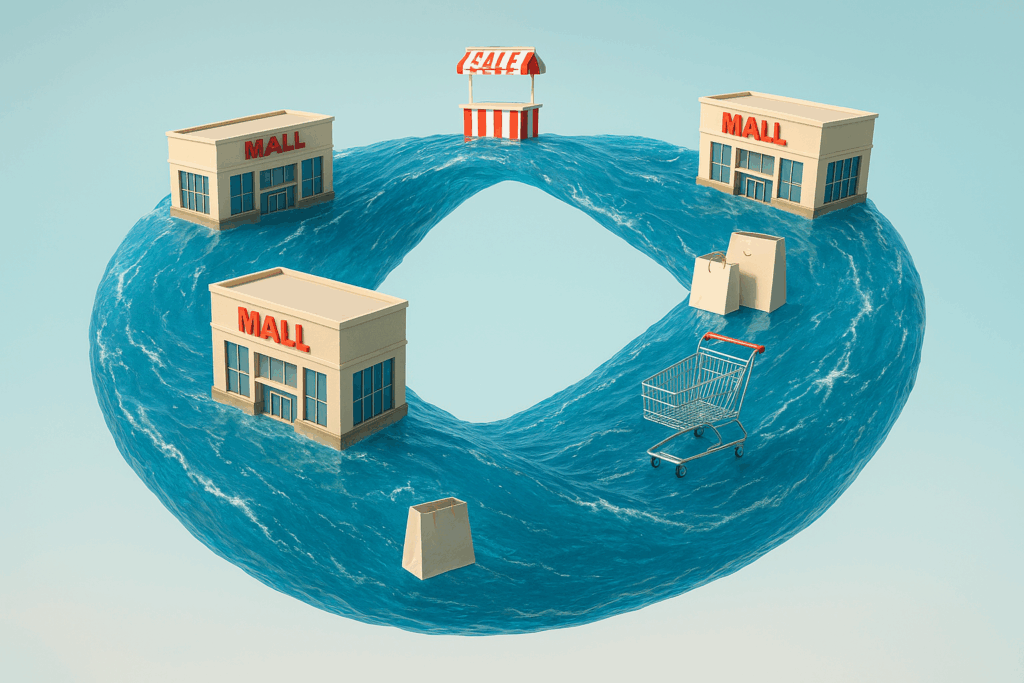
Unlike the traditional marketing funnel which stops once a sale is made the Loyalty Loop never ends. It’s circular, not linear. Every advocate you create fuels new attraction, and every emotion you evoke strengthens the system.
1. Attract: Emotionally-Primed Awareness
At this stage, it’s not about being louder, it’s about being more meaningful. In Dubai’s crowded market, visibility is everywhere, but emotional relevance the moment a customer feels “this brand gets me” is rare.
Key enablers:
- Deep audience psychographics and cultural calibration understanding not just what people buy, but why they buy.
- Emotional storytelling that reflects GCC sensibilities: community, trust, and aspiration.
- Harnessing cultural moments Ramadan, UAE National Day, or the Dubai Shopping Festival to spark collective belonging.
Example:
Luxury e-commerce platform Ounass doesn’t just advertise luxury it dramatizes personal reward. Its message, “For You. By You.”, resonates deeply with the region’s aspirational identity, turning shopping into an act of self-expression.
2. Convert: Experience as Proof of Promise
Conversion isn’t a transaction, it’s a test of truth. This stage proves whether your brand’s emotional and functional promises actually hold up in real life.
According to Salesforce’s 2025 State of the Connected Customer Report, 88% of customers say the experience a company provides is as important as its product. In Dubai where convenience meets prestige, conversion depends on trust and ease.
Success factors include:
- Mobile-first design that’s fast, visual, and bilingual.
- Instant reassurance triggers like trust seals, WhatsApp support, and authentic social proof.
- Micro-personalization that greets users by name, context, or intent.
Example:
Namshi’s checkout interface in the UAE streamlines the process into a single scroll cutting drop-offs by over 20%. Every interaction reinforces confidence and immediacy, hallmarks of Dubai’s digital-first consumer psychology
3. Delight: Building Somatic Memory Through Micro-Emotions
Delight bridges the gap between satisfaction and attachment. It’s not about grand gestures; it’s about the subtle, repeated moments that make a brand unforgettable.
In neuroscience, these are known as “somatic markers” , emotional bookmarks in the brain that connect positive feelings to experiences.
Dubai’s leading brands create these micro-moments through:
- Hyper-personalized thank-you journeys from thoughtful emails to bespoke packaging.
- Sensory cues that engage sight, scent, and touch.
- Predictive empathy anticipating needs before the customer articulates them.
Example:
Rituals Cosmetics in Dubai Mall turns routine purchases into sensory ceremonies. With ambient scents and graceful packaging rituals, every visit becomes a memory not marketing, but neuroscience in motion.
4. Retain: Data, Design, and Dialogue
Retention is where loyalty matures. It’s the art of keeping customers both emotionally and functionally invested.
A Harvard Business Review study found that acquiring a new customer costs 5–25 times more than retaining an existing one. Yet many GCC brands still pour resources into first-time acquisition instead of relationship longevity.
Effective retention blends data, design, and dialogue:
- Data: Predictive segmentation through CRM analytics to anticipate churn or opportunity.
- Design: Consistent brand experience across every touchpoint, visuals, tone, and UX.
- Dialogue: Continuous two-way engagement via personalized CRM, WhatsApp service, or community-driven loyalty programs.
Example:
Emirates NBD’s Liv App gamifies banking rewarding engagement and referrals, not just deposits. The result? A youth-led ecosystem where loyalty feels like play, not obligation.
5. Advocate: Turning Loyalty into Leverage
Advocacy is where the loop closes and begins again. At this stage, loyal customers evolve into co-creators, voluntarily amplifying the brand’s message through trust and emotion.
Nielsen’s Global Trust in Advertising Study reveals that 92% of consumers trust recommendations from friends and family over traditional ads. This is where true influence lies not in impressions, but in expressions.
Brands in Dubai drive advocacy through:
- User-generated content campaigns that inspire customers to share their experiences.
- Ambassador communities that recognize and elevate loyal fans.
- Referral ecosystems woven seamlessly into rewards programs.
Case Study:
The Giving Movement, a UAE-born sustainable fashion brand, turns every purchase into purpose. Each transaction donates to charity, transforming customers into micro-ambassadors for change. People share the brand not because they’re prompted but because it feels good to do good.
The future of loyalty isn’t about retention metrics, it’s about emotional reciprocity. Brands that listen, empathize, and mirror the aspirations of their customers won’t just build loyalty loops. They’ll build communities connected not by discounts, but by meaning.
The Emotional Economics of Loyalty
Every step in the Brand Loyalty Loop should be rooted in emotional economics and the real ROI of human connection. After all, feelings drive behavior long before logic does. Emotionally engaged customers aren’t just loyal; they’re alive with your brand. They’re 3x more likely to repurchase, 5x more likely to forgive mistakes, and 7x more likely to advocate for you, according to the 2025 Kantar BrandZ GCC Insights Report.
In the GCC region, this emotional return multiplies. Here, collectivist cultural values make trust, belonging, and reputation more valuable than pure utility. Loyalty isn’t a contract, it’s a relationship. It’s not just about “What did I get?” but “Who will help me become this brand?”
Building true loyalty loops in Dubai means speaking the region’s emotional language, one that honors pride, community, generosity, and prestige. Brands that understand these psychological codes don’t just sell products; they create meaning, connection, and identity.
Why the Funnel is Obsolete (and the Loop Wins in the GCC)
The traditional marketing funnel Awareness → Consideration → Conversion was built for a simpler time. It’s linear, transactional, and designed to close a sale, not build a relationship.
But in the GCC’s hyperconnected, socially expressive landscape, that model feels outdated. Consumers here don’t move in straight lines, they move in loops. Every purchase sparks a story, every experience fuels a post, and every post shapes someone else’s decision.
Enter the Loyalty Loop Model, a continuous cycle where post-purchase experiences create advocacy, and advocacy brings in the next wave of believers.
For Dubai-based brands, this model thrives because:
- Social virality is off the charts the UAE ranks among the top five globally for social media penetration, meaning conversations travel faster than campaigns.
- High-value industries like luxury, fintech, and travel depend on trust earned and re-earned through repeated, positive experiences.
- Influencer ecosystems here don’t just broadcast, they reinforce. Authentic voices amplify community trust more than any polished ad ever could.
When your brand becomes a conversation, not a campaign, you’ve broken free from the funnel. You’re no longer chasing conversions, you’re cultivating believers, creating an ever-turning loop of emotion, trust, and advocacy.
6-P Framework for Building the Brand Loyalty Loop
At Octopus Marketing Agency, we believe loyalty isn’t built, it’s designed. Our proprietary 6-P Framework is a strategic toolkit that helps brands create emotional ecosystems, not just marketing programs. It’s how we turn customers into communities and moments into movements.
1. Purpose
Every brand needs an emotional “why.” Without it, loyalty becomes purely transactional. In Dubai’s vibrant, competitive marketplace, people connect with meaning whether it’s sustainability, innovation, national pride, or cultural resonance.
Example: Project Chaiwala has mastered this by weaving nostalgia and authenticity into every cup, creating stories that outlast discounts.
2. Promise
A brand promise isn’t just a slogan it’s a contract of emotion. It should spark anticipation and be fulfilled flawlessly through experience. The smallest gap between what you say and what you deliver can erode trust faster than a negative review ever could.
3. Personalization
True loyalty feels personal. By blending data with psychology, brands can sense customer moods, milestones, and motivations. AI-driven CRM systems and predictive analytics make it possible to craft micro-moments that feel genuinely human.
Example: Carrefour UAE’s MyCLUB app delivers real-time, personalized rewards, turning everyday shopping into an ongoing relationship.
4. Participation
Loyalty grows stronger when people feel they’re part of the story. Invite customers to co-create through reviews, social challenges, and brand communities.
Example: Expo City Dubai’s revival campaign invited visitors to share their own stories, transforming audiences into advocates and consumers into creators.
5. Performance
Measure what truly matters emotion, not ego. Beyond sales and clicks, track Net Emotional Value (NEV), Advocacy Index, and Churn-to-Advocacy Ratio. These metrics reveal how people feel about your brand, not just what they buy. It’s marketing aligned with human behavior, not vanity metrics.
6. Propagation
Finally, close the loop. Loyalty isn’t complete until advocacy becomes contagious. Automate referrals, spotlight your community, and design shareable moments that let one happy customer inspire ten more. Because when people love your brand, they’ll do your marketing for you.
Case Study: Sephora Middle East’s Loyalty Flywheel
Few brands embody the Brand Loyalty Loop in Dubai’s retail landscape quite like Sephora Middle East. It’s not just a beauty retailer, it’s a movement that celebrates self-expression, empowerment, and belonging.
Stage 1: Attraction Sephora’s storytelling celebrates diverse definitions of beauty, empowering Arab women to define confidence on their own terms. Its content doesn’t just advertise, it validates identity.
Stage 2: Conversion A seamless omnichannel journey bridges online and in-store touchpoints. From mobile-first checkout and multilingual UX to in-app exclusives, the brand ensures every interaction feels frictionless and inclusive.
Stage 3: Delight Each delivery is a sensory experience: personalized packaging, curated samples, and surprise touches that make every order feel like a gift. These small emotional cues anchor the brand in positive memory.
Stage 4: Retention The Sephora Beauty Pass program blends data and emotion beautifully. Tiered experiences, birthday rewards, and early-access previews make customers feel seen, valued, and appreciated.
Stage 5: Advocacy Through “Sephora Squad Arabia”, micro-influencers transform loyalty into storytelling. Real voices and real experiences amplify brand trust more effectively than traditional advertising ever could.
What makes Sephora’s loop powerful is its momentum. Each emotional reinforcement of trust, joy, pride fuels the next behavioral outcome, creating a self-sustaining ecosystem of loyalty and love.
The Role of Technology in Loyalty Loop Design
Technology doesn’t create loyalty, it scales it. In the GCC’s digitally advanced landscape, three layers of innovation are reshaping how brands nurture emotional engagement at scale:
- CRM and AI Analytics: Platforms like HubSpot, Zoho, and Salesforce, powered by Arabic Natural Language Processing (NLP), can anticipate customer moods, preferences, and intent. They turn behavioral data into human insight, enabling hyper-personalized retention campaigns.
- Loyalty Platforms & Wallets: Ecosystems like SHARE by Majid Al Futtaim and Smiles by Etisalat unify experiences across retail, dining, and entertainment building convenience and connection into everyday life.
- Blockchain and Tokenized Loyalty: As Dubai accelerates its Web3 and digital identity initiatives, loyalty may evolve into decentralized ecosystems where customers own their engagement data and rewards, creating unprecedented transparency and empowerment.
Together, these technologies transform the Brand Loyalty Loop from concept into code embedding behavioral science within automated systems that keep relationships personal, even at scale.
Cultural Levers of Loyalty in Dubai and the GCC
In the GCC, loyalty isn’t just a marketing construct, it’s culturally coded. To design loyalty systems that truly resonate, brands must understand the region’s emotional DNA. Four cultural drivers shape how trust and advocacy are built here:
- Prestige & Social Status:
Luxury and exclusivity are not just desires, they’re identity markers. Brands like Emirates, Cartier, and Level Shoes embody status, aspiration, and belonging to a refined social narrative. - Community & Belonging:
Loyalty grows through shared identity familial, tribal, and social. Localized influencer ecosystems outperform global ones because people here trust people like them. - Trust & Continuity:
Consistency is currency. Frequent rebranding or tonal shifts erode confidence. Long-term brand steadiness signals reliability and earns enduring emotional equity. - Generosity & Shared Value:
Giving back is deeply valued in Gulf culture. Programs perceived as acts of generosity whether through cashback, philanthropy, or community initiatives create moral resonance that strengthens retention.
The most successful loyalty programs like Noon’s Rewards or Emirates Skywards don’t just apply these values; they design around them. That’s the secret: loyalty here isn’t engineered through incentives it’s earned through empathy.
The Loyalty Metrics That Matter
Real loyalty goes far beyond transactions; it’s both behavioral and emotional. It’s not just about how much your customers spend, but how deeply they care. To truly understand and nurture loyalty, brands must measure across three dimensions that reveal the full human story behind the data.
1. Behavioral Loyalty
Metrics like repeat purchase rate, time between purchases, and referral frequency reveal whether customers are forming habits. This is the rhythm of trust, the quiet proof that your brand has become part of their routine.
2. Emotional Loyalty
Here we measure Brand Love Index, Net Emotional Value (NEV), and Advocacy Intent. These metrics capture something less visible but far more powerful: attachment. They show how your brand makes people feel and whether those feelings inspire them to stay, share, and stand by you.
3. Social Loyalty
In today’s connected world, loyalty also lives online. Metrics like user-generated content frequency, brand mentions, and NPS amplification track how your customers amplify your message. This isn’t just to influence its community in action, where people choose to become your storytellers.
Together, these three lenses turn loyalty from a vanity goal into a growth system: a living, measurable ecosystem where emotion drives behavior, and behavior drives business.
The Future of Loyalty: Predictive, Participatory, Purposeful
By 2026, brand loyalty in the GCC won’t just evolve, it will transform. We’re entering an era where AI, psychology, and social data converge to understand people not as consumers, but as humans with intent, emotion, and belonging.
Loyalty will no longer revolve around collecting points; it will be about participation, connection, and shared identity. The brands that thrive will be those that build micro-communities of purpose, where advocacy is not bought with incentives but earned through meaning.
In Dubai, these “brand citizens” will expect more than transactions. They’ll seek:
- Seamless loyalty across ecosystems from retail to mobility, creating unified experiences that fit naturally into their lives.
- Personalized value exchange benefits that go beyond discounts to offer real emotional or functional relevance.
- Purpose-aligned engagement partnerships and initiatives that support local culture, sustainability, and innovation, reflecting the spirit of the region.
The Brand Loyalty Loop is no longer just a marketing framework, it’s a new economic engine of relationship capital. In this next chapter, brands that understand hearts as deeply as they study data will lead the future not by selling, but by belonging.
Conclusion: Designing Loyalty as an Asset Class
In an economy where attention is rented but loyalty is owned, the Brand Loyalty Loop has become the most defensible competitive advantage any brand can build. Brands that master this loop shift their energy from spending on acquisition to compounding on advocacy from marketing to customers to building meaning with them.
For Dubai-based brands, this evolution isn’t optional, it’s existential. In a market defined by rapid digital transformation and deep regional interconnectedness, sustained emotional capital is what keeps relationships alive and compounding with every interaction.
At Octopus Marketing Agency, we help brands design, automate, and scale their own loyalty loops anchoring every strategy in behavioral science, technology, and cultural fluency. By aligning User & Market Branding Perception with authentic human insight, we create systems where engagement feels natural, advocacy grows organically, and brands don’t chase customers they attract believers.
FAQ
1. What is a brand loyalty loop?
A brand loyalty loop is the ongoing cycle that moves a customer from their first purchase to repeat buying and eventually to brand advocacy. It focuses on creating positive experiences at every touchpoint so customers continue choosing and recommending your brand.
2. How can businesses turn first-time buyers into loyal customers?
Businesses can build loyalty by delivering excellent products, offering smooth customer experiences, providing personalized communication, and following up after purchases. Consistent value and great service encourage customers to return again and again.
3. What role does customer experience play in the loyalty loop?
Customer experience is the foundation of the loyalty loop. Fast support, easy purchasing processes, and meaningful engagement create emotional connections that keep customers satisfied and committed to the brand.
4. How can brands encourage customers to become advocates?
Brands can encourage advocacy by rewarding loyal customers, asking for reviews, creating referral programs, and engaging with them on social media. When customers feel appreciated and valued, they naturally share their positive experiences with others.
5. How can companies measure the success of a brand loyalty strategy?
Success can be measured through repeat purchase rates, customer lifetime value, referral numbers, online reviews, and engagement levels. Tracking these metrics helps businesses understand how effectively they are turning customers into long-term supporters.