
Designing for Urgency and Trust: Black Friday Ad Creative Frameworks in Dubai
Introduction: The Shift from Campaigns to Creative Systems
In Dubai and across the GCC, branding has moved beyond logo design and campaign bursts. The most successful companies from regional e-commerce leaders like Noon to luxury groups at Dubai Mall are treating creative branding and ad design as an integrated system that blends psychology, visual storytelling, and digital conversion science.
As global advertising spend surpasses $1 trillion by 2025 (GroupM forecast), creative differentiation is no longer optional; it is the currency of attention. A Nielsen study showed that creative quality alone drives nearly 50% of ad sales lift. In hyper-competitive retail events like Dubai’s Black Friday and White Friday campaigns, the difference between high-performing ads and mediocre ones lies in the creative design frameworks colors, typography, landing page alignment, and motion-driven storytelling.
At Octopus Marketing Agency, we position Creative Branding & Ad Design as a holistic discipline: not simply about aesthetics, but about building systems that drive cultural relevance, digital performance, and emotional resonance.
The Science of Creative Branding & Ad Design
The UAE and GCC markets have unique consumer behaviors. Shoppers are mobile-first, discount-driven, and culturally diverse, spanning Emirati nationals, Arab expats, South Asians, and Western professionals. A Meta IQ report found that 70% of GCC shoppers discover new brands through digital ads, while Bain & Company notes that UAE consumers have one of the world’s highest openness to new brands.
This creates both opportunity and pressure: brands must deliver world-class creative branding that feels premium, localized, and digitally optimized.
Framework: The Four Pillars of Creative Ad Design
Creative ad design in Dubai and the GCC is not a one-off creative exercise. It is a strategic system of meaning-making, rooted in behavioral science, cultural semiotics, and conversion-focused digital execution. To succeed in this competitive region, brands must master four interconnected pillars that elevate their creative assets from mere visuals into growth engines.
1. Visual Identity Consistency
At its core, every piece of creative must serve as a recognizable extension of the brand’s DNA. This means logos, colors, typography, and iconography must be consistent across touchpoints, from TikTok reels to small OOH displays. Inconsistency creates confusion and dilutes brand equity, especially in Dubai’s cluttered ad landscape where consumers are bombarded with thousands of impressions daily.
A consistent visual identity signals professionalism, trustworthiness, and permanence values that matter deeply in the GCC, where reputation and reliability carry cultural weight. For instance, Emirates Airline ensures that even their smallest Instagram story retains the same premium visual cues as a multimillion-dollar TVC. That seamless consistency builds trust transfer across platforms and reinforces memory structures in the consumer’s subconscious.
2. Emotional Priming
As Harvard professor Gerald Zaltman famously observed, “95% of consumer decision-making takes place in the subconscious mind.” This is where emotional priming becomes a critical lever in creative ad design. By carefully deploying colors, motion, and imagery, brands can trigger associations before rational evaluation begins.
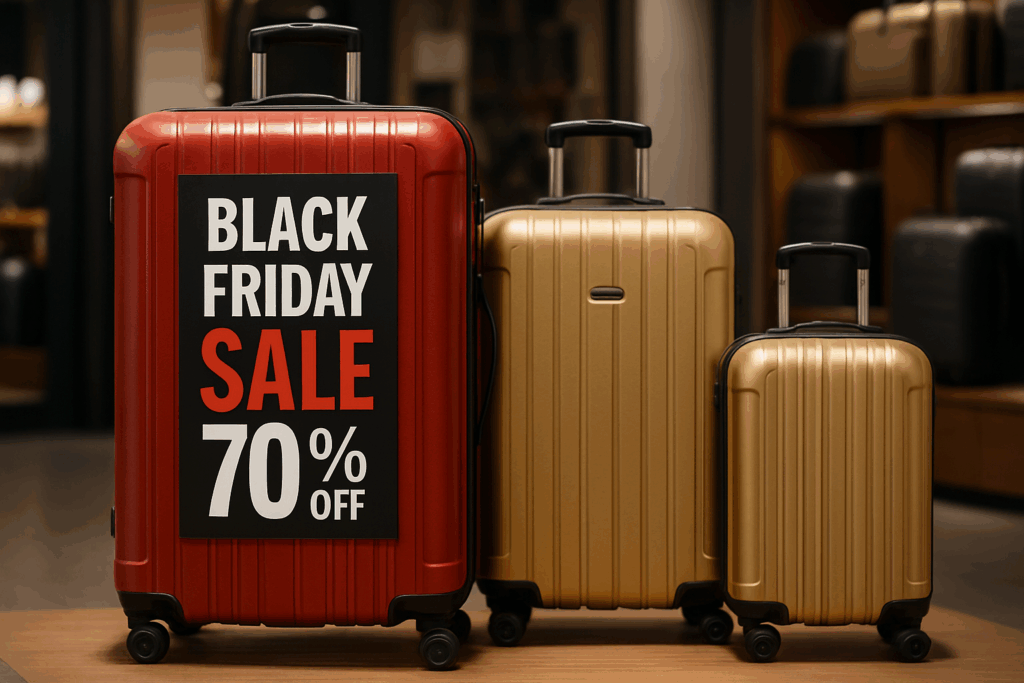
In Dubai’s Black Friday campaigns, bold reds and blacks trigger urgency and exclusivity, while Noon’s iconic yellow radiates optimism and accessibility. Motion graphics such as countdown timers or animated price drops amplify psychological urgency, pushing consumers closer to conversion. The principle is simple: creativity is not neutral; it actively shapes emotional states that influence purchase behavior.
3. Performance Alignment
In the GCC, 85% of online shopping is mobile-first (Google MENA, 2024). This means creative design cannot stop at being “beautiful” ; it must be engineered for performance outcomes. Performance alignment ensures that every creative is optimized not just for attention, but for measurable action: clicks, swipes, sign-ups, and purchases.
This includes technical considerations like aspect ratios, load speed, and thumb-stopping hooks in the first three seconds of a reel. But more importantly, it demands a conversion-centric creative mindset. For example, Carrefour UAE’s Black Friday TikTok ads used snackable video storytelling aligned with flash-sale urgency, leading directly into shoppable landing pages. The creative was not just engaging; it was engineered to convert.
4. Cultural Resonance
Dubai is a multi-ethnic consumer hub, with a population made up of Emiratis, Arabs from across the region, South Asians, Europeans, and global expatriates. This cultural complexity requires creative design that is inclusive yet aspirational.
Cultural resonance means embedding Arabic/English duality, respecting modesty cues, and aligning campaigns with cultural rhythms like Ramadan, Eid, National Day, and seasonal shopping festivals. A brand that overlooks these cultural nuances risks alienating large swaths of its audience.
Consider Ounass, the luxury retailer. Their Black Friday creatives often feature Arabic calligraphy blended with modern digital design, a fusion of heritage and modernity that resonates with both Emirati shoppers and international expatriates. This cultural duality transforms creative ads into bridges of relevance, not just visuals of persuasion.
Black Friday Visual Branding: Ad Creatives, Colors & Motion Graphics That Sell
The GCC’s Black Friday Landscape
Dubai’s Black Friday (White Friday, Yellow Friday by Noon, and National Day tie-ins) is the region’s most competitive retail period. In 2024, UAE Black Friday sales grew by 32% YoY (NielsenIQ), with malls and e-commerce platforms running hyper-saturated ad campaigns. Amid this noise, creative design is the decisive edge. Brands that fail to differentiate visually often get lost in the flood of generic promotions, leading to wasted ad spend. This is why Dubai’s top retailers now treat creative branding as the battleground for competitive advantage, investing heavily in design systems that capture both attention and trust.
The Role of Visual Cues
Color psychology is critical. Red drives urgency, black signals premium luxury, and yellow (used by Noon) conveys optimism and regional differentiation. A Kantar study shows that ads with contrasting but brand-consistent colors increase recall by 20–30%. In a GCC market where consumers switch between Arabic and English platforms daily, visual shortcuts matter more than words, helping brands communicate instantly across languages. Strategic use of these cues doesn’t just boost recall; it establishes a visual shorthand for value, exclusivity, or celebration that customers learn to associate with a brand.
Motion Graphics as Performance Multipliers
Static banners no longer suffice. GCC consumers expect dynamic, motion-based storytelling: animated price drops, countdown timers, product reveal transitions, and AR filters for social commerce. TikTok reports that motion-driven ads improve purchase intent by 25%. The psychology behind motion is rooted in human attention bias, where moving objects naturally command focus in crowded feeds. For Dubai’s millennial and Gen Z shoppers, motion-driven creatives don’t just grab attention; they build anticipation, urgency, and excitement, nudging users toward faster purchase decisions.
Case Study: Noon’s Yellow Friday
Noon’s Yellow Friday disrupted Dubai’s ad landscape by owning a color. Its motion ads combined countdown urgency with playful Arabic-English slogans, creating brand-event associations so strong that consumers equate “Yellow Friday” with Noon. By fusing a regionally distinctive identity with digital-first execution, Noon carved out a proprietary holiday in the GCC retail calendar. This demonstrates how visual branding, when executed with precision, can transcend a campaign and become cultural property that consumers anticipate year after year.
Designing Landing Pages That Match Brand Identity & Maximize Conversions
The Disconnect Problem
Many GCC brands invest heavily in ad creatives but fail at the post-click experience. A mismatch between the ad’s visual branding and the landing page causes cognitive dissonance, leading to bounce rates as high as 80% (Google MENA insights).
Alignment Strategy: Ad-to-Landing Consistency
- Color & Typography Continuity – If an ad uses bold red/black for Black Friday, the landing page must mirror this palette.
- Headline Echoing – Replicate the ad’s headline in the landing page hero banner.
- Motion Carryover – If the ad uses animated price drops, the landing page should feature countdown timers or dynamic pricing.
Local Case Example: Ounass Luxury
Ounass UAE mastered landing page continuity during the Dubai Shopping Festival. Their Instagram carousel ads drove users to a seamless landing page replicating the same gold-and-black luxury motif, reinforcing exclusivity and boosting conversion.
Framework: Conversion-Aligned Creative
A successful landing page design must balance:
- Brand Semiotics (premium look)
- Conversion Triggers (urgency banners, trust badges)
- UX Flow (mobile speed, Arabic/English toggle, simplified checkout)
When ad-to-page congruence is achieved, conversion rates lift by up to 40% (CXL benchmark).
Video & Reel Branding Strategies for Instagram, TikTok, and YouTube Ads
Why Video Dominates in Dubai
The GCC has one of the world’s highest video consumption rates. A Statista report notes that 90% of UAE internet users watch online video daily, with TikTok and Instagram Reels seeing exponential growth. For branding agencies, this makes short-form video design the centerpiece of creative ad strategies.
TikTok: Discovery Engine
TikTok has evolved from entertainment into a discovery platform. Creative branding on TikTok requires:
- Native Motion Language (vertical framing, jump cuts).
- Cultural Relevance (Ramadan traditions, mall shopping rituals).
- Sound Branding (music hooks tied to brand mnemonics).
Dubai retailers like Carrefour UAE used TikTok’s #DealsForDays campaign to blend humor with urgency, driving millions of views.
Instagram: Lifestyle Branding
Instagram remains the hub for aspirational branding. Reel ads must reflect premium lifestyle cues, luxury malls, Emirati fashion, and influencer tie-ins. A McKinsey report shows Instagram ads have 30% higher engagement in GCC luxury categories.
YouTube: Long-Form Trust Building
YouTube remains the go-to for product deep dives. In the GCC, categories like cars, tech, and financial services leverage YouTube pre-roll ads with cinematic storytelling and Arabic/English dual VO.
Case Example: Emirates Airline
Emirates’ YouTube campaigns are masterclasses in cinematic ad design. Their use of motion graphics, emotive storytelling, and global-local resonance builds trust and aspirational equity, reinforcing their brand as Dubai’s global ambassador.
Integrating Black Friday Branding into Digital Marketing Strategies
The Role of Creative in Black Friday Performance
Black Friday campaigns in Dubai are not about discounts alone. The most successful brands design full-funnel creative systems:
- Awareness Layer – TikTok teasers, Instagram Reels with visual cues (red/yellow/black).
- Engagement Layer – AR try-ons, countdown motion graphics, interactive polls.
- Conversion Layer – Landing pages optimized for Arabic/English duality, one-click payments, and mobile UX.
Example: Mall of the Emirates
During Black Friday 2024, Mall of the Emirates ran a multi-platform creative design system: Instagram stories with interactive polls (“Which store should we reveal first?”), TikTok reels showcasing shoppers unboxing, and AR-enhanced maps guiding shoppers inside the mall. This integration of creative and functional design elevated not just sales, but the mall’s brand perception as innovative.
Conclusion: Creative Branding as a Growth System
In Dubai’s hyper-competitive market, creative branding has evolved from mere decoration into a form of infrastructure that drives growth and long-term equity. The brands that consistently outperform competitors are those that treat creatives not as campaign byproducts but as strategic assets engineered to influence consumer behavior, reinforce identity, and deliver measurable business outcomes. They build visual ownership by mastering the interplay of color, motion, and landing page congruence, ensuring that every touchpoint strengthens recall and trust.
They design with cultural multiplicity at the core, speaking fluently to Dubai’s diverse demographic mix while embedding Arabic-English duality, modesty cues, and festival tie-ins that create resonance across communities. And they integrate Black Friday creative systems into broader digital strategies that span TikTok, Instagram, YouTube, and mobile-first landing pages ensuring that seasonal bursts of attention translate into long-term customer relationships.
As Richard Branson once remarked, “Business opportunities are like buses; there’s always another one coming.” In Dubai, the brands equipped with creative branding engines are the ones ready to seize those opportunities, whether they arrive as Black Friday, Ramadan, UAE National Day, or the next Expo-driven retail boom. At Octopus Marketing Agency, we do more than design ads; we architect creative systems that sell, scale, and endure. For brands in Dubai and across the GCC, creative branding and ad design are no longer simply tools of visibility; they are the blueprint for conversion, trust, and enduring cultural relevance.