
Creating Meaningful Associations for Memorable Brand Experiences
Introduction
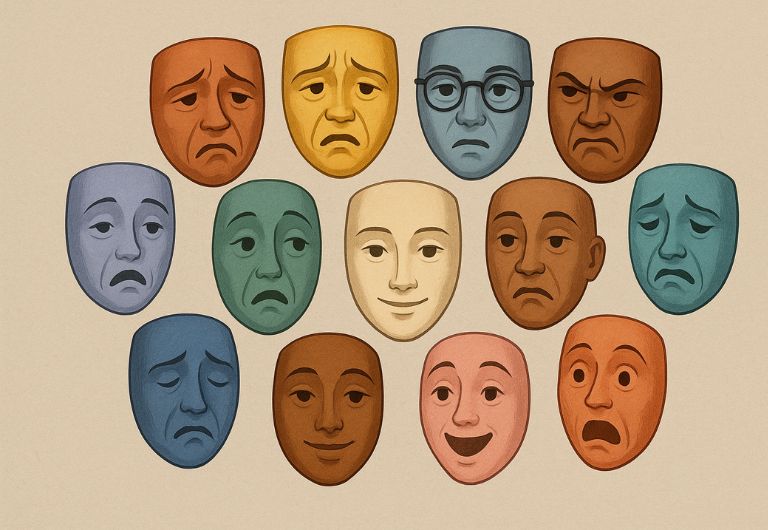
In today’s crowded marketplace, brands are constantly vying for attention. With so many options available to consumers, creating strong, lasting connections with a brand is essential for gaining loyalty and staying top of mind. One of the most powerful tools in building these connections is establishing meaningful brand associations. By creating associations that resonate emotionally, cognitively, and sensorially with their audience, brands can carve out a lasting identity. Through emotional and psychological branding, brands can connect with consumers on a deeper level, making them feel understood and valued. This emotional connection enhances brand loyalty and keeps the brand top of mind, creating a strong foundation for long-term success. In this article, we explore the concept of brand meaningful associations, how they are formed, and the strategies brands can use to build and maintain them for enduring success.
What Are Brand Meaningful Associations?
Brand meaningful associations refer to the mental and emotional connections that consumers make with a brand. These connections go beyond basic product attributes to tap into the values, experiences, and emotions that define how a consumer perceives a brand. These associations are what make a brand memorable and impactful. For example, when you think of Coca-Cola, you may think of feelings of happiness, togetherness, or nostalgia. When you think of Apple, the association may be centered around innovation and simplicity.
These associations play a crucial role in influencing consumer behavior. Research by Harvard Business Review reveals that emotionally connected customers are two times more likely to spend more with a brand and more than twice as likely to recommend it to others. As such, meaningful associations are not just about creating a positive perception; they directly influence consumer choices and brand loyalty.

The Psychological Basis of Brand Associations
Emotional Connections
The most powerful brand associations are often rooted in emotion. When a brand can connect with consumers on an emotional level, it becomes part of their identity and daily lives. Emotions like happiness, nostalgia, or excitement often shape how consumers view and engage with a brand.
Take Nike, for example. Its iconic “Just Do It” slogan has become synonymous with empowerment and overcoming challenges. The brand taps into the emotional drive that athletes and everyday consumers have to push themselves and achieve greatness. According to an Emotion Researcher study, emotionally engaged customers are 23% more loyal to brands and exhibit higher levels of spending.
Cognitive Associations
In addition to emotions, cognitive associations—the thoughts and beliefs consumers form based on their experiences—are also critical. These associations tend to be more rational but are just as important in shaping how consumers interact with a brand. For example, when you think of BMW, you likely associate the brand with high performance, luxury, and quality. These associations are the result of years of consistent messaging and product quality, and they contribute to BMW’s standing as a premium automotive brand.
How to Build Strong Brand Associations
1. Consistency in Messaging
One of the key pillars of building meaningful associations is consistency. A brand must be consistent in its messaging across all channels, from advertising to social media to customer service interactions. Inconsistent messaging can confuse consumers and dilute the brand’s impact.
For instance, Coca-Cola has maintained a consistent brand message centered around happiness, unity, and joy. Whether in its advertisements or on its social media platforms, Coca-Cola’s messaging is unified, helping to reinforce the emotional connection it has with its audience.
2. Aligning with Core Values
Today’s consumers are more socially conscious than ever before. Many people prefer to buy from brands that align with their values, whether that’s environmental sustainability, social justice, or community well-being. A Nielsen report revealed that 66% of consumers are willing to pay more for products from companies that are committed to making a positive social or environmental impact.
Take Patagonia, for example. This outdoor clothing brand has aligned itself with environmental activism and sustainability. By taking strong stances on environmental issues, such as promoting fair trade and using sustainable materials, Patagonia has built meaningful associations with both environmentalism and quality craftsmanship.
3. Creating Memorable Experiences
Beyond messaging, creating positive and memorable experiences for consumers is essential. Brands should aim to make every touchpoint—whether online or in-person—engaging and consistent with the brand’s values.
Apple has become a master of this approach. From the sleek and minimalist design of their stores to the intuitive user experience of their products, every aspect of Apple’s offerings reinforces its association with cutting-edge technology and simplicity. Consumers don’t just buy an Apple product—they buy into an experience that is memorable and reinforces the brand’s identity.
Types of Brand Meaningful Associations
Brand associations are multi-faceted, and they can be categorized into several types, each contributing to the overall brand image. These associations help consumers connect with a brand on various levels, from product characteristics to deeper emotional or social connections. Understanding the different types of brand meaningful associations is essential for companies to craft strategies that resonate with their audience, reinforce brand positioning, and create long-term loyalty.
1. Product-Related Associations
Product-related associations are the most direct form of brand connections. These associations stem primarily from a brand’s product offerings and the qualities attached to them, such as quality, functionality, durability, and design. In many cases, a brand’s identity is closely tied to its products, and consumers often base their perceptions on the performance and features of the brand’s offerings.
For instance, Tesla is a perfect example of how product-related associations can shape a brand’s identity. Tesla has positioned itself at the forefront of the electric vehicle (EV) industry by creating vehicles that are not only environmentally friendly but also technologically advanced. Consumers associate Tesla with cutting-edge innovation and sustainability. The company’s focus on eco-friendly energy solutions and electric cars has made it synonymous with clean technology and green driving. This product-related association of high-tech and sustainable innovation has placed Tesla at the intersection of the automotive industry and the environmental movement, which appeals to consumers who value both technological progress and eco-conscious living.
Moreover, the performance of Tesla vehicles, which offer features like autopilot capabilities, instant acceleration, and advanced energy efficiency, further strengthens this product-related association. As a result, Tesla has become a symbol of the future of transportation and electric mobility, representing a perfect blend of luxury, innovation, and eco-responsibility.
2. Cultural and Social Associations
Brands can also strengthen their meaningful associations by aligning themselves with cultural or social movements. This type of association allows brands to tap into the collective values, beliefs, and sentiments shared by society, fostering deeper emotional connections with consumers. By aligning with issues that matter to their target audience, brands create associations that resonate beyond the product itself, enhancing their relevance and credibility.
A prime example of this is Nike, which has masterfully used cultural and social associations to its advantage. Through its partnerships with high-profile athletes like Serena Williams and Colin Kaepernick, Nike has built strong associations with empowerment, social justice, and equality. The company’s “Just Do It” campaign has evolved into a powerful symbol of personal perseverance, breaking boundaries, and standing up for causes that matter.
Nike’s partnership with Colin Kaepernick, especially after his controversial protests during the national anthem, brought attention to the brand’s commitment to social issues, particularly racial inequality and police brutality. While the campaign sparked heated debates, it ultimately reinforced Nike’s association with boldness and social activism. Nike aligned itself with the idea that standing for justice—no matter the cost—is a virtue, and by doing so, they solidified their place as a brand that supports athletes and individuals pushing for positive social change.
Nike’s strategic alignment with various cultural movements, from supporting LGBTQ+ rights to advocating for gender equality in sports, has allowed the brand to stay relevant and build deeper emotional bonds with consumers. As a result, Nike has transformed from just a sportswear brand to a cultural symbol that represents empowerment, diversity, and advocacy.
3. Personality Associations
Another powerful way to build meaningful brand associations is through the development of a brand personality. Just like people, brands can have personalities that reflect specific traits or characteristics. Whether it’s fun, sophisticated, adventurous, or daring, the brand’s personality influences how consumers perceive and relate to it.
Chanel, for example, is a brand that embodies elegance, sophistication, and luxury. Its products, advertising campaigns, and overall brand imagery reflect a timeless and refined personality. Through its high fashion and exclusive product lines, Chanel has cultivated an association with class and prestige, making it synonymous with luxury. Consumers who purchase Chanel products often do so not just for their quality, but also because they want to be associated with the brand’s elite and opulent personality.
In contrast, M&M’s, a well-known candy brand, has shaped its personality around being playful, fun, and lighthearted. Through vibrant, humorous advertisements and quirky characters (the M&M’s “spokescandies”), M&M’s has positioned itself as a fun, family-friendly brand. It appeals to consumers with its approachable, joyful personality, making it a favorite among children and adults alike. The colorful and humorous visuals and catchy jingles used in their campaigns further reinforce this fun-loving brand personality, making it not just a candy, but a source of entertainment and enjoyment.
By creating a distinct brand personality, companies can influence how consumers emotionally connect with their products and services, fostering a sense of trust and loyalty based on the traits the brand embodies.
4. Visual and Sensory Associations
Visual elements—such as logos, colors, design, and even sounds—play an essential role in brand recognition and association. Sensory cues can be incredibly powerful in evoking immediate reactions from consumers, creating a lasting impression that strengthens brand identity. In many cases, these elements are the first things consumers associate with a brand, even before they consider the product itself.
For example, when you see the red and white colors of Coca-Cola, it’s hard not to think of warmth, togetherness, and celebration. These colors have become synonymous with positive emotions, evoking a sense of community and happiness. Coca-Cola’s use of the script font and distinctive bottle design further solidifies its brand identity, making it instantly recognizable in any setting.
Similarly, McDonald’s golden arches are one of the most powerful visual symbols in the world. The bright yellow and red colors are designed not only to catch the eye but also to evoke feelings of hunger and satisfaction, as these colors are known to stimulate appetite. This visual association, combined with the brand’s consistent messaging and family-oriented appeal, makes McDonald’s a staple in global branding.
Sensory elements can also extend to sound. Intel is another brand that has effectively used auditory cues to reinforce its identity. The Intel jingle, a simple but catchy sound, has become synonymous with the brand’s focus on cutting-edge technology and innovation. Whenever consumers hear the Intel jingle, it immediately connects them with the brand’s promise of advanced computing power.
Ultimately, these visual and sensory associations help create an overall brand experience that extends far beyond the product, shaping the way consumers engage with the brand at an emotional and subconscious level.
Real-World Case Studies of Successful Brand Associations
Apple: Innovation and Simplicity
Apple has mastered the art of brand association through its focus on innovation, simplicity, and quality. Every Apple product and every Apple store experience reinforces these core values. This consistency has helped Apple create a meaningful association with cutting-edge technology and a premium lifestyle.
Nike: Empowerment and Athleticism
Nike’s brand is all about empowering people to push their limits. With its iconic slogan, “Just Do It,” Nike has aligned itself with personal achievement and athleticism. Its partnerships with athletes like Serena Williams and Michael Jordan further cement its place as a leader in both the athletic and motivational space.
Coca-Cola: Happiness and Togetherness
For decades, Coca-Cola has been associated with happiness and shared experiences. Whether through their “Share a Coke” campaign or their holiday ads featuring the iconic red truck, Coca-Cola’s brand is consistently linked with moments of joy and connection.
Tesla: Sustainability and Innovation
Tesla’s meaningful associations are rooted in its groundbreaking work in electric vehicles and renewable energy. The brand is not just about selling cars—it’s about leading the charge for a sustainable future. Tesla’s commitment to innovation and eco-consciousness resonates with a growing base of environmentally aware consumers.
Challenges in Building and Maintaining Brand Associations
Building meaningful brand associations is a fundamental component of long-term business success, but maintaining those associations over time can be a difficult challenge. Over the years, brands must navigate several hurdles that can undermine their hard-earned identity and consumer relationships. From avoiding brand dilution to handling public relations crises, brands need to stay vigilant in order to preserve the meaningful associations they have cultivated with their audience.
Brand Dilution: A Risk of Over-Expansion
One of the primary challenges brands face is brand dilution, which can occur when a brand expands too quickly or diverges too far from its core identity. Brand dilution happens when a brand stretches its identity beyond what its customers initially associated it with. This can lead to confusion and weakened associations. A classic example is when companies introduce too many products under a brand name that no longer aligns with the original values or quality standards that built the brand’s reputation.
For instance, Coca-Cola’s attempt to introduce “New Coke” in the 1980s resulted in a backlash from consumers who were loyal to the original formula. The new version was perceived as a betrayal of the classic Coke taste, diluting the brand’s strong association with quality and tradition. This is why it’s crucial for brands to carefully consider their product line extensions and ensure that new ventures align with their core values and consumer expectations.
Inconsistent Messaging: A Key Factor in Eroding Trust
Another major challenge is inconsistent messaging. Whether through advertising, customer service, or brand communications, inconsistency can confuse consumers and erode the trust that meaningful brand associations are built upon. When a brand fails to communicate its values consistently across different touchpoints—be it through digital ads, social media posts, or even customer interactions—it risks losing credibility with its audience.
For example, if a brand known for being environmentally conscious starts to engage in greenwashing or makes public statements that contradict its established stance on sustainability, customers may start to question the authenticity of the brand’s values. This inconsistency can break the meaningful association consumers have with the brand and make it harder to rebuild that connection.
Crisis Management: Navigating Negative Events
Brands must also be prepared to handle crises that can damage their associations. A crisis can arise from a wide range of factors, including product failures, social issues, or PR disasters. These events can cause significant harm to a brand’s reputation and consumer perceptions. However, how a brand responds to a crisis can significantly affect its ability to recover and restore the positive associations it once held.
Take the example of Toyota’s 2009 recall crisis, where millions of vehicles were recalled due to safety concerns. Despite the negative impact on its reputation, Toyota took swift and transparent action to address the issue. The brand worked to improve its quality control and issued public apologies, demonstrating a commitment to consumer safety and trust. This crisis management helped Toyota rebuild its reputation and restore the meaningful associations it had built around safety and reliability.
In addition, brands that embrace transparency and take accountability for mistakes tend to be better at regaining consumer trust. The key here is communication and rebuilding the brand’s promise to its customers, showing them that the values they originally trusted are still intact.

The Role of Storytelling in Brand Associations
Storytelling has emerged as one of the most powerful tools brands can use to build and reinforce meaningful associations with their audiences. A compelling narrative is more than just a marketing tactic—it’s a way for brands to humanize themselves, connect on a deeper emotional level with consumers, and differentiate themselves from competitors.
Creating Emotional Connections Through Narrative
When brands tell stories that resonate with consumers, they can forge deeper emotional connections. Stories give a brand context and meaning, enabling customers to identify with the brand on a more personal level. By embedding emotions and values in their narratives, brands can transcend beyond mere products and services to become a symbol of something greater.
Disney is a perfect example of a brand that has masterfully used storytelling to build strong associations with consumers. Through its movies and theme parks, Disney has created timeless stories that evoke feelings of magic, nostalgia, and wonder. These stories form the core of Disney’s identity and contribute to the brand’s associations with joy and family togetherness. Whether it’s through fairy tales like Cinderella or the magic of Disney World, the narrative that Disney presents is integral to its brand associations.
What makes Disney’s storytelling so effective is its multigenerational appeal. Parents who grew up with Disney movies pass these stories and experiences down to their children, creating a sense of tradition and lasting brand loyalty. By continuously crafting stories that resonate with both children and adults, Disney ensures that its brand associations are passed down through families and generations, which significantly strengthens its position as a beloved cultural institution.
Building Relatability Through Personal Narratives
In today’s world, consumers are increasingly looking for brands that feel relatable and authentic. Brands can achieve this by telling stories that reflect their core values, struggles, and successes. These personal narratives humanize the brand, making it more approachable and trustworthy. A brand with a relatable narrative becomes someone the consumer can “root for” and invest in emotionally.
Consider Ben & Jerry’s, which has used its storytelling to build strong associations with environmentalism, social justice, and fair trade. Through its story of founders who wanted to make ice cream in a more sustainable way, Ben & Jerry’s appeals to a conscientious audience that values environmental impact. Their storytelling is not just about their products, but about the values and mission behind the company, making the brand feel deeply personal and authentic to its consumers.
The Impact of Brand Partnerships and Collaborations
Strategic brand partnerships and collaborations have become a popular way for companies to build meaningful brand associations. By joining forces with like-minded brands, celebrities, or influencers, companies can reach new audiences and further solidify their position in the market.
Tapping Into New Audiences Through Collaborations
Collaborations allow brands to tap into new markets and align themselves with others who share similar values and perceptions. By partnering with celebrities or influencers, brands can increase their visibility and relevance to specific demographics, especially those that they may not have reached otherwise.
Take Adidas, for example, which worked with celebrity designer Kanye West to launch the highly successful Yeezy line of footwear. This collaboration positioned Adidas as a leading streetwear brand, attracting younger consumers and deepening its association with pop culture and high-end fashion. The Yeezy partnership not only brought in a new audience for Adidas but also reinforced its image as a cutting-edge, trendy brand.
Collaborations also provide an opportunity for mutual benefits. Brands can share resources, gain access to new customer bases, and enhance their image by being associated with well-respected partners. For instance, when Apple collaborated with Hermès on the Apple Watch, it elevated the product’s perceived value, associating it with luxury and craftsmanship. This helped Apple expand its appeal to a wealthier, more fashion-conscious demographic, boosting its brand associations with high-end technology and style.
Aligning with Shared Values
The key to successful partnerships is aligning with brands or individuals who share your values. When a brand collaborates with another entity that resonates with its audience and upholds similar principles, the partnership strengthens the brand’s identity and deepens consumer trust. Conversely, partnering with brands that don’t align with your values can confuse consumers and dilute the brand’s associations.
Measuring the Long-Term Impact of Brand Associations
Building meaningful brand associations is one thing; measuring their effectiveness over time is another. For brands to understand whether their efforts are yielding positive results, they must regularly track and evaluate the impact of their brand-building activities.
Key Metrics to Track Brand Associations
There are several key performance indicators (KPIs) that brands can use to assess the effectiveness of their brand associations:
- Brand Recall: Measures how easily a consumer can remember a brand when prompted with a category. A strong brand association often leads to higher brand recall.
- Brand Affinity: Gauges how strongly consumers feel connected to a brand. High brand affinity often correlates with increased loyalty and repeat business.
- Net Promoter Score (NPS): This metric tracks customer satisfaction and likelihood to recommend the brand to others, which is a strong indicator of how well a brand’s associations resonate with its audience.
By tracking these metrics over time, brands can better understand the strength of their associations and make necessary adjustments. Additionally, brands should analyze consumer behavior trends and purchasing patterns to evaluate whether their associations are translating into increased sales, market share, and customer loyalty.
Conclusion: Looking to the Future
As consumers become increasingly discerning and socially conscious, building meaningful brand associations will be more important than ever. Brands that succeed in aligning their products and messaging with the values, emotions, and experiences that matter most to consumers will continue to thrive. By leveraging emotional and psychological branding, companies can craft experiences that resonate on a deeper level, creating lasting connections with their audience. Whether through consistency in messaging, alignment with social values, or creating unforgettable customer experiences, meaningful associations are the foundation upon which long-term brand success is built.
In the rapidly evolving digital landscape, the brands that succeed will be those that are adaptable, true to their values, and most importantly, able to maintain strong, positive, and meaningful associations with their customers. By focusing on emotional and psychological branding, brands can ensure that their identity remains relevant and trusted as they continue to navigate the future.
FAQ
1. What are Brand Meaningful Associations?
Brand meaningful associations refer to the emotional, cognitive, and sensory connections that consumers form with a brand. These associations are not just about the product itself, but how the brand resonates with the consumer’s values, memories, and emotions. When done effectively, these connections can foster loyalty and influence purchasing decisions, shaping a brand’s identity in the consumer’s mind.
2. Why are meaningful brand associations important?
Meaningful brand associations are crucial because they help differentiate a brand from its competitors. When consumers have a strong emotional or cognitive connection with a brand, they are more likely to remain loyal, recommend it to others, and choose it over alternatives. These associations also build a brand’s long-term reputation and can increase customer retention and lifetime value.
3. How can a brand create meaningful associations with consumers?
A brand can create meaningful associations by aligning its messaging with consumer values, delivering consistent experiences, and connecting on an emotional level. This can be achieved through storytelling, engaging marketing campaigns, and ensuring that the brand delivers on its promises. Consistency in branding and maintaining a clear identity also helps build stronger, more lasting associations.
4. What are the risks of losing meaningful brand associations?
Losing meaningful brand associations can result in a decline in consumer trust and loyalty. This often happens when brands fail to stay true to their core values or if they experience inconsistent messaging or poor customer experiences. In such cases, consumers may lose emotional or cognitive connections with the brand, leading to a drop in sales and customer engagement.
5. How can brands measure the success of their meaningful associations?
Brands can measure the success of their meaningful associations through metrics like brand recall, customer loyalty, and Net Promoter Score (NPS). Consumer perception research, such as surveys and focus groups, can also provide valuable insights into how well the brand resonates with its audience. Tracking changes in customer behavior over time, such as repeat purchases or recommendations, is another effective way to gauge the strength of brand associations.