
Exploring Brand Cultural Archetypes: Building Resonant Brand Stories
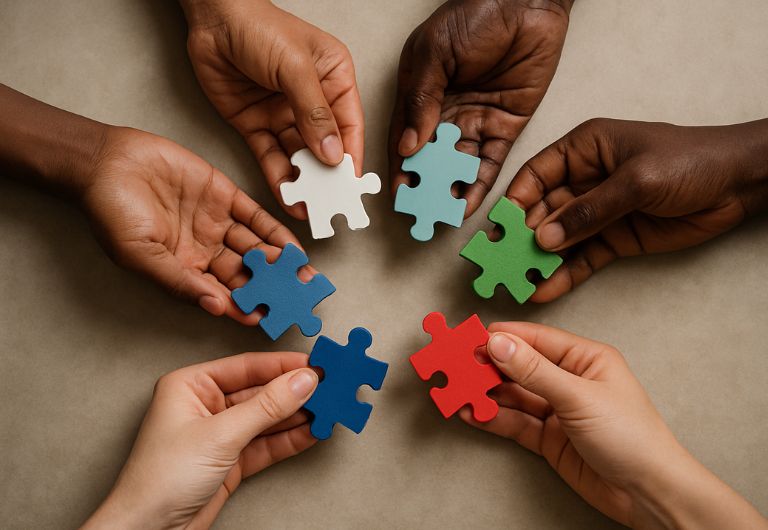
Introduction to Brand Cultural Archetypes
In the dynamic world of branding, establishing a strong and lasting emotional connection with consumers is more important than ever. As companies face growing competition and the ever-changing demands of global markets, one powerful tool for creating meaningful, relatable brands is the use of cultural archetypes. These archetypes serve as timeless, universal symbols that encapsulate core human emotions and narratives, giving brands the power to connect with their audience on a deeply emotional and psychological level.
Emotional & Psychological Branding taps into these archetypes by fostering a deeper, subconscious connection between the brand and the consumer. Archetypes have existed for centuries in myths, stories, and cultural narratives, and their relevance in branding today is undeniable. By leveraging these pre-existing cultural patterns, brands can simplify their messaging, ensure greater consistency, and foster loyalty. This article explores the role of cultural archetypes in branding, their influence on brand identity, and how they shape consumer perceptions and relationships. “People don’t buy what you do; they buy why you do it.” — Simon Sinek . In branding, the “why” is often rooted in the emotional and psychological power of archetypes, which make consumers feel connected to the story a brand is telling.
Understanding Archetypes in the Context of Brands
The Origins of Archetypes
Cultural archetypes, as conceptualized by Carl Jung, are psychological patterns or symbols that are universally understood across different cultures and societies. These archetypes transcend the individual experience and reflect deeply ingrained human instincts, experiences, and values. Jung argued that these patterns are embedded in the collective unconscious, which is a shared reservoir of knowledge, memories, and experiences that have been passed down through generations.
Archetypes and Branding
In branding, archetypes serve as a roadmap for creating a unique brand personality. They act as shorthand for conveying a brand’s values, vision, and mission. By adopting an archetype, brands can align themselves with specific emotional triggers and behavioral patterns that resonate with their target audience. This connection is more than superficial; it builds trust, fosters loyalty, and shapes how a brand is perceived in the market.
Archetypes give brands a consistent, relatable framework for storytelling, helping them communicate who they are and what they stand for without the need for complex explanations. Consumers, who are often overwhelmed by the sheer volume of marketing messages they encounter daily, are more likely to engage with brands that make them feel understood and valued. “A brand is no longer what we tell the consumer it is — it is what consumers tell each other it is.” — Scott Cook

Brand Cultural Archetypes: Unveiling the Power Behind Emotional Connections
In the fast-paced and ever-evolving world of branding, establishing a strong and emotional connection with consumers is more important than ever. With so many choices available, consumers are not simply looking for products—they are looking for brands that resonate with their values, desires, and personal identity. This is where brand cultural archetypes come into play.
Archetypes are universal symbols rooted in human culture, psychology, and storytelling. Brands that tap into these archetypes effectively can create messaging that feels authentic and relatable to their target audience, building long-lasting emotional bonds. In this article, we will explore how brand archetypes influence messaging, foster brand loyalty, and help brands navigate global markets.
How Archetypes Influence Brand Messaging
Aligning Archetypes with Target Audiences
One of the most crucial aspects of using archetypes in branding is ensuring that the selected archetype resonates with the target audience. Archetypes appeal to deep-rooted psychological drivers and emotional triggers, which vary depending on the audience’s desires and values. Understanding these drivers is essential to creating authentic messaging.
Understanding Audience Needs and Desires
For example, the Explorer archetype will naturally appeal to consumers who value freedom, adventure, and personal discovery. A brand like The North Face taps into this desire for adventure, promoting its products as the tools for exploration. On the other hand, the Regular Guy/Girl archetype resonates more with consumers who value simplicity, accessibility, and practicality. Brands like Target and Walmart focus on relatability, offering everyday products that speak to the average consumer’s lifestyle.
Psychological Behavioral Patterns
Archetypes help brands align their messaging with consumer psychology. For instance, risk-averse consumers may gravitate toward the Caregiver archetype, appreciating its nurturing and protective qualities. Meanwhile, those looking for inspiration and empowerment may connect more with the Hero archetype. Understanding these psychological patterns allows brands to tailor their messaging to engage consumers on a deeper emotional level.
Brand Voice and Tone
Once a brand aligns itself with a particular archetype, it must adopt a voice that complements that archetype. The voice of the brand should reflect the core values and personality of the archetype.
Crafting a Voice That Resonates with the Archetype
For example, a brand that embodies the Magician archetype—such as Apple—uses aspirational, transformative messaging to highlight how their products change lives. Their tone is futuristic, filled with wonder, and promises an element of magic through innovation. This voice directly mirrors the brand’s commitment to transformation and innovation.
Maintaining Consistency in Messaging Across Channels
Consistency is key to building a cohesive brand identity. A brand must maintain its chosen voice and tone across every touchpoint, from TV ads to social media interactions. This ensures that the audience engages with a brand that feels cohesive and true to its archetypal identity. A mismatch between a brand’s voice and its chosen archetype can confuse the audience and undermine the brand’s credibility.
The Impact of Archetypes on Brand Loyalty and Trust
Building Emotional Connections and Loyalty
Archetypes are powerful tools for building emotional connections with consumers. According to a study by the Harvard Business Review, emotionally connected customers are more than twice as valuable as highly satisfied customers. By tapping into archetypal storytelling, brands can forge deeper emotional ties, turning one-time buyers into loyal, repeat customers.
Tapping into Universal Human Desires
For example, Nike uses the Hero archetype to inspire customers to push their limits and strive for greatness. Their famous “Just Do It” slogan embodies the idea of overcoming challenges and achieving personal victories. When customers connect with this archetype, they feel the brand is part of their personal journey, fostering loyalty that goes beyond the product.
Brand as a Reflection of Consumer Identity
When customers identify with a brand’s archetype, it becomes more than just a product—it becomes a part of their identity. A consumer who aligns with the Hero archetype may view Nike not just as a sports brand, but as a symbol of personal strength and perseverance. This identity alignment creates a deep emotional connection that drives long-term loyalty.
Trust Through Consistency
Brand consistency is one of the most critical factors in building trust. When a brand consistently expresses itself through its chosen archetype, it creates a stable, reliable identity that customers can depend on.
Reliability in Brand Messaging
For instance, Amazon adopts the Regular Guy/Girl archetype, positioning itself as a practical, user-friendly marketplace where customers can find exactly what they need, quickly and efficiently. This reliability has helped Amazon build a loyal customer base that trusts the brand for its consistency and accessibility.
The Importance of Consistent Brand Experience
Brands that align their entire customer experience with their archetype—from product quality to customer service—are more likely to gain the trust of their audience. For example, Apple’s alignment with the Magician archetype ensures that their products, customer service, and messaging all reinforce their transformative, innovative identity. This consistency across all touchpoints strengthens customer trust and solidifies the brand’s position in the market.
Using Archetypes to Navigate Global Markets
Cultural Sensitivity
While archetypes have universal appeal, their meaning and significance can vary depending on the cultural context. Brands that want to succeed in global markets must understand these differences and adapt their messaging accordingly.
Adapting Archetypes to Different Cultural Norms
In Western cultures, the Hero archetype typically symbolizes personal achievement and self-improvement. However, in more collectivist societies such as Japan, the Hero archetype may focus more on humility, teamwork, and community involvement. Understanding these cultural nuances helps brands tailor their messaging to resonate with local values.
Adapting to Local Values
It’s not just about shifting the message, but also about shifting the core focus. For example, Harley-Davidson embodies the Outlaw archetype with its rebellious spirit, which works well in individualistic cultures. However, in more collectivist societies, this message may need to be adjusted to fit local attitudes about rebellion and authority.
Adapting Messaging for International Audiences
Successful global brands like Coca-Cola and McDonald’s have mastered the art of adapting their archetype-driven messaging for international markets while staying true to their core identity.
Leveraging Archetypes for Global Consistency
McDonald’s uses the Regular Guy/Girl archetype to emphasize familiarity, convenience, and approachability. The slogan “I’m Lovin’ It” resonates universally, conveying comfort and simplicity regardless of cultural differences. Coca-Cola, tapping into the Innocent archetype, focuses on happiness, joy, and togetherness while adapting its messaging to reflect local customs and preferences.
Maintaining Core Archetypes Across Different Markets
Both Coca-Cola and McDonald’s show how brands can maintain their core archetype while allowing for local variations in messaging. This adaptability allows brands to stay consistent in their identity while making sure they remain relevant and culturally sensitive across diverse markets.
Integrating Archetypes Into Brand Strategy
Identifying the Right Archetype
Integrating archetypes into a brand’s strategy begins with selecting the archetype that best aligns with the brand’s core values and mission. A technology company like Apple embraces the Magician archetype, focusing on innovation, transformation, and the promise of a better future through technology. Similarly, Whole Foods, with its focus on health and wellness, aligns with the Caregiver archetype, emphasizing its role in nurturing the consumer’s well-being.
Aligning Brand Values with Archetypes
The right archetype should reflect not only what the brand stands for but also what the audience needs. For example, a wellness brand like Whole Foods taps into the Caregiver archetype by focusing on nourishment, health, and the protection of the consumer’s well-being. A brand whose consumers value self-expression and creativity, such as Lego, might align with the Creator archetype.
Long-term Brand Strategy
Once the archetype is identified, it must be integrated into the brand’s long-term strategy. From product development to customer service, every aspect of the brand should reflect the values of the chosen archetype.
Consistency Over Time
For example, Nike has successfully maintained its focus on the Hero archetype for decades, consistently inspiring consumers to strive for greatness and break barriers. This consistency reinforces their brand identity and builds stronger emotional connections over time.
Adapting to Market Changes Without Losing Identity
While brand archetypes provide a stable framework, brands must also adapt to market shifts. Nike’s integration of social justice issues into its messaging, while staying true to the Hero archetype, allows it to remain relevant while continuing to motivate consumers to achieve greatness. This shows that brands can evolve within their archetype without losing their core identity.
Challenges of Using Archetypes in Branding
Misalignment with Audience Expectations
One of the biggest risks when using archetypes is the potential misalignment with audience expectations. If a brand’s chosen archetype doesn’t resonate with the audience or doesn’t authentically represent the brand’s values, it can lead to confusion and a lack of connection.
Understanding Audience Perceptions
For example, a brand trying to embody the Hero archetype by promoting strength and perseverance may fail if its product doesn’t live up to those lofty promises. The key is understanding what the audience truly values and ensuring that the archetype aligns with those expectations.
Ensuring Authenticity in Messaging
Brands need to be careful to select an archetype that genuinely reflects their product, service, and overall mission. Misunderstanding the target audience or misrepresenting the brand’s core values can result in customer disengagement and loss of credibility.
Stereotyping Risks
Archetypes, when misused or oversimplified, can perpetuate negative stereotypes that alienate audiences.
Avoiding Over-simplified Representations
For example, the Lover archetype, when misused, might come off as shallow or overly sentimental, rather than fostering a genuine emotional connection. Brands need to be cautious not to reduce complex identities into oversimplified stereotypes that fail to resonate with a diverse audience.
Cultural Sensitivity and Evolving Representations
As societal norms evolve, brands need to be aware of how their archetype-driven messaging might be perceived. For example, a brand that adopts the Outlaw archetype may need to reconsider its portrayal of rebellion to avoid perpetuating harmful or exclusionary ideas. Brands should be adaptable and evolve with the changing cultural landscape. “Branding is the process of connecting good strategy with good creativity.” — Marty Neumeier
The Role of Archetypes in Brand Differentiation
In a crowded marketplace, standing out from the competition is a constant challenge. One of the ways brands can distinguish themselves is by tapping into archetypes that convey their unique values, personality, and purpose. By aligning with a specific archetype, a brand can create a distinct and memorable identity that resonates with its target audience and sets it apart from competitors.
Creating a Unique Identity with Archetypes
Using archetypes allows brands to communicate complex ideas and values simply and effectively. For instance, a brand like Tesla, which aligns with the Magician archetype, presents itself as a transformative force in the automotive industry. Tesla’s brand identity is rooted in innovation and the promise of a better, more sustainable future, setting it apart from traditional car manufacturers.
A brand that aligns with a specific archetype can effectively carve out its niche in the market. This can be particularly important for new or emerging brands looking to establish themselves in a competitive space. Archetypes offer a shortcut to help consumers understand what the brand stands for and why it matters.
Using Archetypes to Strengthen Brand Positioning
Archetypes also play a critical role in shaping brand positioning. When a brand identifies the right archetype, it can strategically position itself in the market to appeal to a specific audience. For example, the Lover archetype appeals to consumers who value intimacy, luxury, and sensual experiences. Chanel, a luxury brand, uses the Lover archetype to position itself as the epitome of elegance and desirability, attracting an audience that seeks to express their own beauty and sophistication.
By aligning with a well-defined archetype, brands can sharpen their positioning, creating a compelling reason for consumers to choose their product over others. Positioning a brand around an archetype helps solidify its place in consumers’ minds, reinforcing the brand’s values, purpose, and role in their lives.

The Future of Brand Cultural Archetypes in the Digital Age
As the digital landscape evolves, so too does the way brands engage with their audiences. The rise of social media, influencer culture, and digital content creation has changed the way brands communicate with consumers. However, the relevance of cultural archetypes remains as strong as ever. In fact, in many ways, they have become even more integral to brand-building in the digital age.
Adapting Archetypes to New Digital Platforms
With the proliferation of digital touchpoints such as social media, blogs, and video platforms, brands must adapt their archetypes to resonate with consumers in these new environments. TikTok, for example, has allowed brands to communicate their values with a sense of immediacy, humor, and authenticity. Brands using the Jester archetype, such as Old Spice, have found new ways to engage audiences with witty, viral content that thrives in this fast-paced digital landscape.
Brands must leverage the unique characteristics of each platform while staying true to their core archetype. For example, brands embodying the Explorer archetype, like GoPro, use visually stunning content to tell compelling stories of adventure, freedom, and exploration, creating digital content that taps into the desire for new experiences.
The Role of Archetypes in Building Digital Communities
In today’s world, consumers are looking for more than just products—they want to belong to communities that align with their values and identity. Brand archetypes are a powerful way for companies to build these communities. Archetypes help brands create a sense of shared purpose, fostering deeper emotional connections that extend beyond transactional relationships.
For instance, Patagonia, which embraces the Explorer archetype, has created a digital community around environmental activism and outdoor adventure. This approach not only strengthens its brand identity but also inspires loyal customers to become part of the brand’s mission and vision. Consumers who align with the Explorer archetype are more likely to engage with brands that share their passion for adventure, nature, and sustainability.
By embracing digital platforms and building communities around their archetypes, brands can continue to foster strong connections with their audience, ensuring long-term loyalty and engagement.
Conclusion
Brand cultural archetypes are powerful tools in Emotional & Psychological Branding, helping companies connect with consumers on a deeper level. By aligning with a specific archetype, brands can communicate their values, foster trust, loyalty, and differentiate themselves in a crowded market. Archetypes create not just a brand identity but an emotional narrative that resonates with the audience, shaping their perceptions and loyalty.
As we move further into the digital age, the role of archetypes in branding will only continue to grow. Digital platforms provide new opportunities for brands to engage their audience, adapt their messaging, and build communities that align with their archetypal identity. The digital landscape allows brands to amplify the emotional and psychological connections they’ve established with consumers.
In the end, understanding and leveraging Emotional & Psychological Branding through cultural archetypes allows brands to tell compelling stories that resonate deeply with their consumers. This connection goes beyond products and services, creating lasting emotional bonds and meaningful brand experiences, whether in the physical world or in the digital realm. By tapping into these archetypes, brands ensure that their message is not only heard but felt, creating impactful connections that stand the test of time.
FAQ
1. What are brand cultural archetypes?
Brand cultural archetypes are universal symbols and patterns used in branding to represent core human emotions, behaviors, and desires. These archetypes serve as a template for shaping a brand’s personality and identity, helping it connect with consumers on a psychological and emotional level. They tap into familiar stories and symbols, making the brand feel authentic and relatable. By aligning with a specific archetype, brands can engage with their audience more deeply and build lasting relationships.
2. Why are archetypes important in branding?
Archetypes are vital in branding because they simplify complex messages and create emotional resonance. They allow brands to embody universal human themes, making them easier for consumers to relate to. Archetypes help in crafting a compelling narrative that aligns with consumer values and expectations, which builds trust and fosters loyalty. In a crowded market, archetypes differentiate brands by creating a recognizable and consistent identity.
3. How do brand archetypes influence consumer behavior?
Brand archetypes influence consumer behavior by tapping into deep psychological triggers and emotional drivers. Consumers are more likely to engage with brands that reflect their own values, desires, or aspirations, which archetypes help embody. For example, a consumer attracted to adventure may gravitate toward a brand using the Explorer archetype. Archetypes influence purchasing decisions by creating a sense of belonging or identity alignment.
4. Can brand archetypes be used in global markets?
Yes, brand archetypes are effective in global markets, but they require careful adaptation. While the emotional appeal of archetypes is universal, their cultural interpretation can vary. Brands need to consider cultural nuances and values when applying archetypes internationally. For example, the Hero archetype in the U.S. might emphasize individual achievement, but in collectivist cultures, it may focus on teamwork and humility to resonate better.
5. How do archetypes help with brand differentiation?
Archetypes help brands differentiate by providing a clear and distinct identity that resonates with consumers. By aligning with an archetype, a brand can position itself as a unique player in the market with a specific promise, voice, and purpose. This differentiation helps brands stand out, especially in competitive markets, by making them memorable and recognizable. It allows a brand to speak directly to consumer emotions and create long-lasting connections.