
Tapping into Sensory Memory to Deepen Brand Connection

Introduction
In today’s oversaturated market, brands compete not just for attention, but for memory. With consumers exposed to thousands of brand messages daily, how can one interaction be enough to leave a lasting mark? The answer lies in Emotional & Psychological Branding—a strategy that goes beyond logos and color palettes to stimulate the senses and tap into subconscious associations.
Sensory memory, though fleeting by nature, acts as the spark that ignites deeper emotional recall. A familiar scent, the rustle of premium packaging, or even a signature startup sound can elicit powerful feelings of comfort, trust, or excitement. These aren’t just marketing gimmicks—they’re neurological pathways being activated in real time.
This article explores how brands can purposefully engage the five senses to forge connections that last well beyond the point of sale. By integrating sensory touchpoints with psychological insight, brands can trigger memory, evoke emotion, and become unforgettable.
Understanding Brand Sensory Memory
Brand sensory memory refers to the multi-sensory experiences that leave lasting impressions in a consumer’s mind. These memories are formed when a brand stimulates one or more of the five senses—sight, sound, smell, taste, and touch—to create emotional and cognitive associations. Unlike episodic or semantic memory, sensory memory is deeply rooted in automatic, subconscious recall. For example, the smell of fresh coffee in a Dunkin’ Donuts shop might instantly trigger a craving or emotional comfort, even before the brand is consciously registered. This is the power of branding through sensory immersion—it bypasses rational filters and goes straight to memory systems.
Many marketers struggle to grasp the depth of this concept. They often confuse brand sensory memory with standard logo recognition or visual recall. The truth is, brands that only focus on visuals miss out on powerful emotional engagement triggered by other senses. The goal of this article is to bridge that knowledge gap by blending cognitive science with branding tactics to show how real sensory memory works in successful brand strategy.
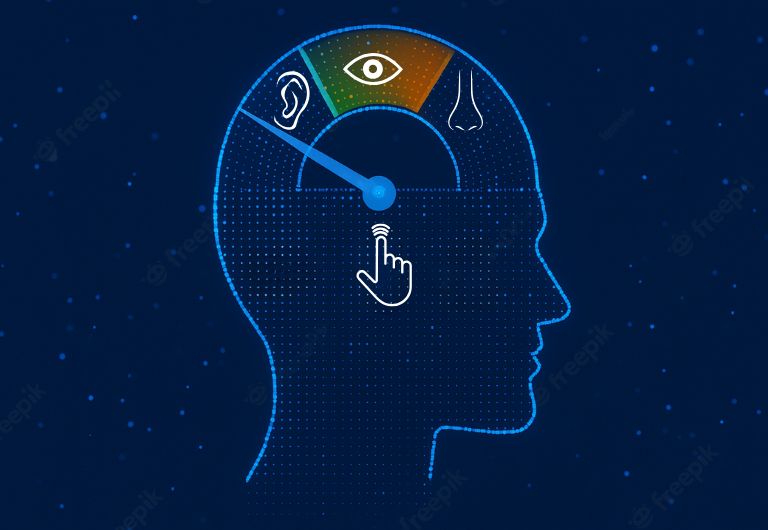
The Science Behind Sensory Branding and Memory
Each of our senses activates different areas of the brain, forming sensory impressions that are more likely to be stored as long-term memories. Visual identity is the most commonly used, but auditory, olfactory, tactile, and even gustatory (taste) cues can be just as impactful.
Take sound branding: Intel’s signature chime is instantly recognizable, and often, people can recall the brand without even seeing the logo. This is due to the brain’s ability to link tonal patterns with emotional and contextual data.
Smell, on the other hand, is linked directly to the limbic system, the part of the brain responsible for emotions and memory. According to Promodo, 63% of consumers want brands to engage them through multiple senses. Yet, only a few brands tap into olfactory cues, even though studies show smell is the strongest trigger for emotional memory.
This is where reflex associations come in—brands that create reliable, repeated sensory experiences generate faster recall and stronger trust. The feeling of unboxing a new iPhone, for instance, is not just visual but tactile and auditory, making it memorable through multi-sensory layering.
Real‑World Applications of Sensory Memory in Branding
Brands that successfully use sensory memory don’t just aim to be seen—they aim to be felt. A stellar example comes from Dunkin’ Donuts in Seoul, which released a coffee aroma in buses whenever their jingle played over the speakers. The result? A 29% increase in store visits near those bus stops. This type of multisensory engagement is not only innovative but also measurable in terms of ROI.
Singapore Airlines uses a proprietary scent called “Stefan Floridian Waters” sprayed in lounges, on hot towels, and in-flight. This scent, exclusive to their brand, creates a memory loop so strong that frequent flyers recognize the airline experience the moment they inhale it.
Apple’s retail design also epitomizes tactile memory. The cool metal surfaces, open white spaces, and precise packaging create an experience that is physically as well as visually memorable. By engaging multiple senses at once, Apple transforms a product purchase into an emotional event.
Designing a Multi‑Sensory Brand Strategy
Creating a sensory memory strategy starts with identifying your brand’s existing sensory touchpoints. Are customers hearing your jingle at the right moments? Do your packaging textures feel consistent with your luxury positioning? Sensory branding is more than adding gimmicks; it’s about creating aligned, repeatable, and emotionally-resonant experiences.
Audit Existing Sensory Touchpoints
Begin with a sensory audit. Walk through your brand experience like a first-time customer. Is your visual design consistent across platforms? Does your product packaging feel tactilely satisfying? Does your digital experience include sound or motion elements? List every possible touchpoint and evaluate it through the lens of sight, sound, smell, touch, and taste.
Align Senses with Brand Essence
The best approach is to start with one or two additional senses (beyond visual) that naturally align with your brand identity. A coffee brand might invest in olfactory cues, while a fintech startup could focus on auditory signals like intuitive click sounds or calming interface tones. The goal is consistency—ensure every sensory layer reinforces your brand’s essence, not distracts from it.
Prototype and Test Sensory Concepts
Before rolling out new sensory cues, prototype them in small, controlled environments. Create scent diffusers for test stores, embed sonic logos in user interfaces, or run focus groups on tactile packaging designs. Use A/B testing and feedback loops to measure emotional response and memory retention. Always consider sensory overload—less is often more in effective branding.
Integrate Emerging Tech Thoughtfully
Use AR and VR platforms to simulate sensory-rich brand experiences in digital spaces. A cosmetics brand might allow users to “feel” textures through haptics in virtual showrooms. A fashion label can create spatial soundscapes in the metaverse. These innovations should enhance the user experience, not exist for novelty. Always tie each tech integration back to emotional memory and brand recall.
Neuroscience Insights for Deeper Connection
The field of neuroscience provides compelling evidence that sensory memories are encoded more deeply in the brain than rational thought or simple visual recognition. The limbic system, especially the amygdala and hippocampus, are engaged when we experience strong sensory input.
This is why smell is a powerful trigger—it bypasses the thalamus and goes straight to memory centers. Similarly, visual cues like logos trigger the fusiform gyrus, an area responsible for facial recognition and branding.
Cross-modal memory formation—where a stimulus in one sensory domain (like a sound) triggers memory in another (like a taste)—means that brands can embed deeper, more complex associations. For example, hearing the McDonald’s jingle may make someone crave fries because of learned associations between sound, experience, and flavor.
According to ResearchGate, consumers retain semantic brand memories (e.g., product knowledge) and episodic brand memories (e.g., experiences) more strongly when these are tied to sensory input.
Crafting Your Unique Sensory Memory Plan
To build a compelling sensory plan, start with a sensory vocabulary. Words like “velvety,” “crisp,” “punchy,” or “melodic” can help you brainstorm how your brand should feel, sound, or even taste. Use these descriptors to map your brand’s sensory personality.
Build a Sensory Moodboard
Consider creating a sensory moodboard with textures, sounds, and scents that align with your brand. For luxury brands, this might include satin textures and low-frequency sound palettes. For energetic startups, citrus scents and bouncy rhythms may be more fitting. Moodboards help your team and stakeholders visualize the intangible aspects of brand experience. Use real swatches, scent samples, or interactive sound files in digital moodboards to make them as vivid and experiential as possible.
Use Technology for Prototyping
Use digital platforms to test responses. Spotify ads can experiment with sound memory. Instagram Reels with audio cues build rhythmic recall. Even your Zoom waiting room music can become a sensory brand asset. Consider leveraging AI-driven sound tools, ambient scent diffusers, or haptic feedback devices to create testable sensory moments.
Integrate Emotion-Rich Language
As Closely HQ suggests, using emotion-rich language improves memory retention and emotional resonance. Train your marketing teams to adopt sensory-rich descriptors across all messaging, not just in campaigns but also in UX copy, customer service language, and packaging details.
Align with Brand Values
Ensure that your sensory elements align with your core brand values. A health-conscious brand might use clean, fresh scents and soft textures to emphasize purity and care. A tech brand could choose crisp, futuristic sounds and metallic visuals to represent innovation. Every sensory decision must support the brand story you’re trying to tell.
Iterate and Document
Document your sensory strategy in a formal guide, including sensory vocab, tone descriptions, and applications across marketing channels. This ensures consistency as teams grow and campaigns evolve. Regularly revisit and iterate based on consumer feedback and market shifts.
Measuring and Iterating on Sensory Impact
One of the biggest concerns brand managers have is whether sensory branding is measurable. Fortunately, it is. Metrics like brand recall, dwell time, sales lift, and even EEG brainwave studies have been used to quantify sensory engagement.
Run Sensory A/B Testing
Brands can run A/B tests using different packaging textures, store lighting, or scent diffusions. For example, test a soft-touch matte finish vs. a smooth gloss to determine which evokes more premium perception. Or A/B scent variations in physical stores to see which increases time spent and sales.
Use Surveys and Analytics Tools
Customer feedback forms should include sensory experience ratings. Ask users questions like: “How would you describe the scent of our store?” or “Does the packaging texture align with the premium positioning?” Use tools like Compusense to quantitatively measure olfactory impact.
Benchmark and Refine Continuously
Track brand perception scores before and after sensory branding implementation. According to research cited in Promodo and Compusense, sensory alignment can improve brand loyalty by 30% and increase perceived brand value by over 20%. Regularly revisit your strategy based on data, customer insights, and evolving technologies to keep your sensory branding sharp and relevant.
Collaborate with Neuromarketing Experts
Consider working with neuroscientists or sensory marketing consultants to gain deeper insights. Neuromarketing tools like eye-tracking, galvanic skin response, or EEG scans can reveal how customers emotionally react to sensory cues. These insights provide objective data to refine and optimize brand experiences.
Advanced Tactics for Sensory Branding
Use Signature Sensory Triggers
Develop a single sensory element that becomes synonymous with your brand—like a signature scent, sound, or tactile material. These triggers can work as brand anchors, reinforcing memory every time they’re encountered. For instance, the “Intel Inside” jingle or McDonald’s golden arches are instantly recognizable due to consistent and long-term sensory exposure. Brands like Abercrombie & Fitch have famously used exclusive scents sprayed across their stores, embedding a unique olfactory memory that consumers associate with their brand identity. The key is consistency—ensuring the same trigger is experienced across various customer touchpoints, from physical stores to product packaging and digital interfaces.
Layer Senses for Emotional Impact
Combine multiple sensory inputs to create emotionally resonant experiences. For example, a retail space can integrate scent with music and soft lighting to produce calm, inviting environments that boost engagement. The psychological principle of sensory layering suggests that emotions deepen when more than one sense is activated simultaneously. Retailers like Lush combine the strong scents of handmade cosmetics with the sounds of sizzling bath bombs and colorful visuals to stimulate joy and curiosity. The deeper the emotional response, the longer the memory will last—and this ultimately improves brand recall and loyalty.
Consumer Psychology in Sensory Branding
Understand Sensory Preferences by Demographic
Different age groups, cultures, and genders may respond to stimuli differently. A scent or sound that appeals to Gen Z may not resonate with Boomers. Tailor sensory strategies based on psychographic data. Gen Z, for example, tends to favor bold, dynamic aesthetics and upbeat, experimental soundtracks, while older generations might prefer softer, more traditional sensory inputs. Additionally, geographic location plays a role. Fragrances considered relaxing in the West may be perceived as clinical in the East. Brands must perform sensory testing in local contexts to validate assumptions and avoid cultural missteps.
Avoid Negative Sensory Cues
Some smells or textures can have unintended consequences. Overly strong scents may cause irritation, while harsh lighting might lead to sensory fatigue. Always test stimuli with real users before large-scale implementation. Research from the Journal of Sensory Studies reveals that even minor elements like packaging crinkle sounds can evoke either delight or annoyance. For example, chip bags that are too loud may disturb social settings and cause consumers to avoid the brand. Sensory overexposure can also backfire, making experiences feel artificial or overwhelming. Carefully balance intensity, duration, and context to avoid these pitfalls.
Digital Sensory Branding in the Metaverse
Simulate Physical Sensations Digitally
As VR and AR platforms evolve, brands can simulate tactile and auditory sensations through haptics and spatial audio. A virtual clothing store can let users “feel” fabrics through haptic gloves while music enhances ambiance. Tech companies like Meta and Apple are already investing in wearable haptics that replicate texture and pressure. This enables digital-first brands to bridge the sensory gap traditionally exclusive to physical retail. Brands that embrace this tech early will gain a competitive edge in immersive commerce by creating emotional touchpoints even in virtual spaces.
Brand Recall in Virtual Worlds
Design your virtual spaces with distinct sensory elements. From ambient background music to lighting effects and interactive textures, digital sensory design enhances immersion and boosts retention. Just like a physical store, a virtual brand space should be carefully curated to evoke specific emotions and reinforce identity. For instance, Gucci’s immersive experiences in Roblox include branded audio and stylized visuals that replicate its fashion-forward, luxurious aura. These virtual environments, when rich in sensory cues, leave lasting impressions and form part of the consumer’s brand memory bank.
Cultural Sensitivity in Sensory Strategy
Respect Cultural Symbolism
Colors, scents, and sounds carry different meanings across cultures. White symbolizes purity in some societies, mourning in others. Understand the symbolic meanings of sensory inputs in your target markets. For instance, sandalwood is revered in many Asian cultures but may not hold the same connotation in Europe. Similarly, music played in major keys may feel joyful to Western audiences but might lack resonance in Middle Eastern tonal systems. Sensory missteps can lead to alienation or even offense, undermining the emotional trust you’re trying to build.
Localize Without Losing Consistency
Adapt sensory assets regionally without compromising brand identity. For example, tweak scent intensity, use culturally appropriate music, or change tactile packaging to fit local preferences while keeping the core consistent. Starbucks does this by incorporating regional flavors and design aesthetics while maintaining its recognizable ambiance and brand scent. Localization ensures relevance, but anchoring those changes in consistent brand values maintains coherence. Global brand managers must work closely with local creatives to strike this balance, allowing personalization without diluting the brand’s DNA.
Conclusion
Sensory memory, when strategically embedded into a brand experience, taps into deep emotional layers of customer perception. By leveraging scent, sound, texture, and sight, brands go beyond recognition into lasting connection. From subconscious triggers to cross-modal associations, the path to deeper brand engagement starts with the senses. These techniques form the cornerstone of Emotional & Psychological Branding, where human cognition, sensory stimuli, and emotional resonance converge to build brand loyalty. The best part? These strategies don’t require massive budgets—just consistency, intentionality, and empathy.
FAQ
1. What is sensory memory in psychology and how does it relate to branding?
Sensory memory briefly stores input from our senses, forming immediate impressions. In branding, it’s the subconscious layer that anchors emotional recognition. A scent, sound, or touch can instantly recall brand experiences. This is key to Emotional & Psychological Branding.
2. Can smells really trigger brand memory?
Yes, scent is strongly tied to the limbic system, which governs emotion and memory. Brands like Subway and Singapore Airlines use signature scents. These aromas trigger instant recall, creating emotional and memorable associations. It’s one of the most powerful branding tools.
3. What are examples of sensory marketing in retail?
Retailers like Starbucks use music to create relaxing atmospheres. Lush engages customers through rich scents and visuals. Abercrombie & Fitch uses lighting and fragrance to craft an immersive brand world. These tactics help embed the brand into sensory memory.
4. Why do brands use sound for recall rather than just visuals?
Sound is processed faster than visuals and links quickly to emotion. Brands like Intel and Netflix use audio logos for instant recall. These cues reinforce identity even when the brand isn’t seen. It enhances recognition and emotional connection.
5. How can I avoid sensory overload in my brand experience?
Limit your sensory inputs to one or two signature cues. Ensure they support your brand’s message and are consistent across touchpoints. Overloading confuses customers and weakens recall. Simplicity and clarity are key to sensory strategy.