
Designing Retail Fixtures that Enhance Brand Visibility & In-Store Experience
Introduction
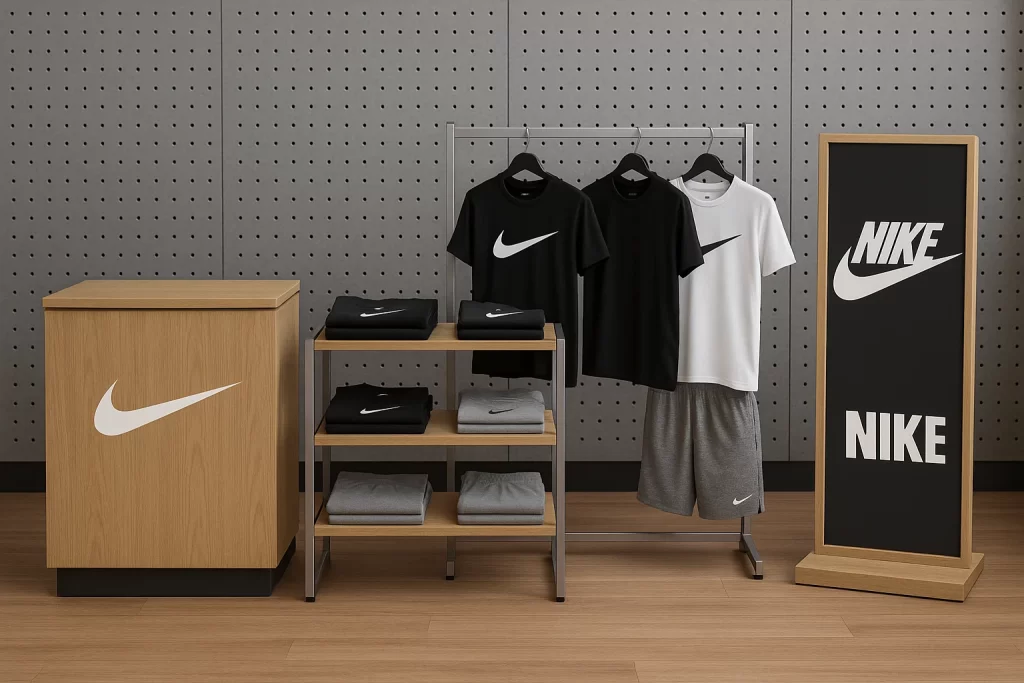
Brand Retail Fixtures serve as more than functional elements in a store—they are physical extensions of a brand’s identity, communicating tone, values, and customer promise the moment a shopper walks through the door. Retail environments today demand more than shelving—they require immersive, brand-consistent experiences that foster loyalty and drive sales.
Scientific and semantic evidence suggests that fixture design directly affects customer behavior. According to a study published in the Journal of Retailing and Consumer Services, stores with personalized and aesthetically aligned fixtures saw a 22% increase in customer dwell time, correlating with a 15–18% sales lift. This link between visual identity and business performance is central to effective retail design.
A comprehensive fixture strategy balances aesthetics, functionality, budget, and sustainability. From custom wood shelving with engraved logos in luxury fashion boutiques to modular eco-friendly units in wellness stores, every fixture tells a story. These are not mere “furnishings”—they’re strategic brand communicators.
This is where concepts from Visual Branding & Design intersect with retail architecture. When fixtures reflect a cohesive brand language—color palettes, typography, materials—they create emotional resonance with customers and reinforce trust.
In this article, we’ll explore how to design and implement retail fixtures that do more than hold products—they enhance brand value, boost customer experience, and contribute to long-term ROI. You’ll learn how to decode user pain points like “budget vs. design,” assess options like custom vs. off-the-shelf, and understand how visual merchandising fixtures can become silent salespeople.
Understanding the Role of Fixtures in Brand Identity
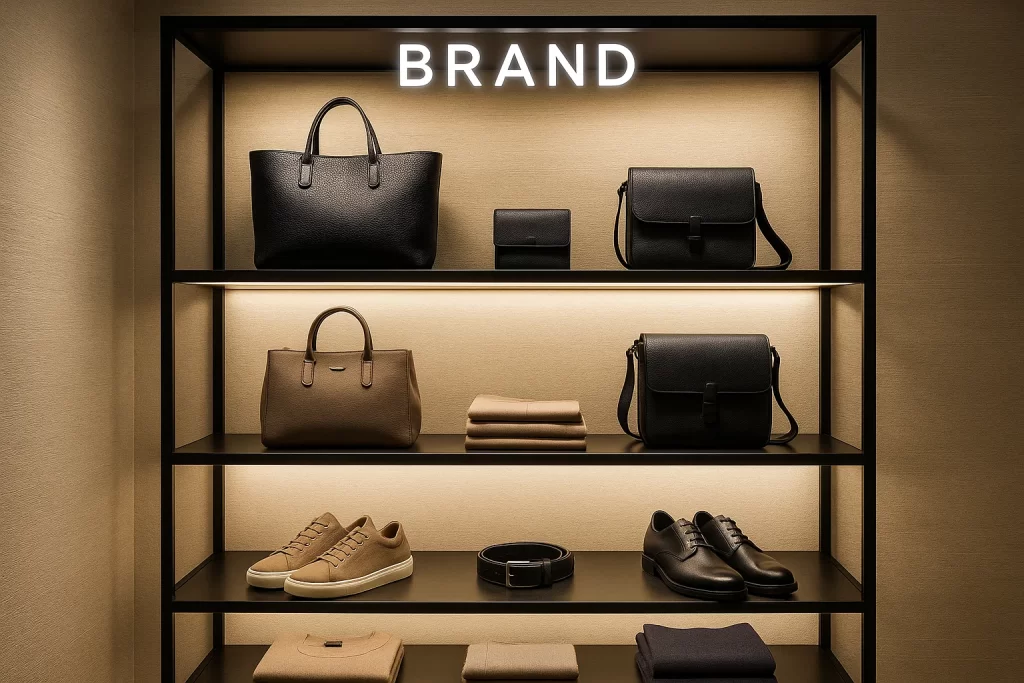
Fixtures aren’t just physical units for product placement—they’re tangible expressions of brand DNA. Every texture, curve, and finish contributes to the customer’s perception of who you are. Whether it’s an edgy fashion brand using raw steel frames or a wellness label opting for matte bamboo and soft LED lighting, fixtures reinforce story and emotion at the point of sale.
Many retailers underestimate how subconscious design elements shape experience. In a forum thread on r/retaildesign, one user wrote:
“I didn’t even notice the fixtures until someone pointed out how the brand logo was subtly carved into every shelf. It was like branding without shouting.”
This is exactly the goal—silent but powerful storytelling. High-performing retail brands ensure that store fixtures and displays are not afterthoughts, but integral components of their visual branding ecosystem.
How Fixtures Convey Brand Personality
- Material Choice: Premium brands often lean on wood, brass, or stone; tech brands may use glass and aluminum.
- Color Psychology: Fixture tones should align with brand palette (earthy tones for organic stores, black/metallics for high-end fashion).
- Typography Integration: Embedding fonts on fixture signage reinforces brand consistency.
- Lighting: Strategic lighting embedded within fixtures can influence product visibility and emotional tone.
These elements aren’t just decor—they’re tools of perception management. According to the Retail Design Institute, consistent in-store branding can improve brand recall by up to 60%, particularly when fixtures match packaging and marketing visuals.
Custom vs. Off-the-Shelf Fixtures: Making the Right Choice
Choosing between custom and off-the-shelf retail fixtures is one of the first major decisions retailers face—and one of the most misunderstood. This decision doesn’t just affect your store layout; it reflects your commitment to brand differentiation, budget efficiency, and long-term scalability.
Pros & Cons of Off-the-Shelf Fixtures
Off-the-shelf fixtures are ready-made, mass-produced shelving systems or display units available from suppliers. These can be great for:
- Speed of installation
- Lower upfront costs
- Standard sizing and compliance
However, the tradeoff is creative flexibility. While these units may serve basic functionality, they often fall short of brand alignment. A fashion label with an artisanal image will struggle to tell that story through plastic peg racks.
Reddit threads such as r/retailmanagement repeatedly echo this concern:
“We saved a bit using catalog fixtures, but everything looked sterile. Our space lacked personality.”
The Value of Bespoke Fixtures
Custom retail fixtures, on the other hand, are tailored to your brand’s specific needs. Materials, shape, logo integration, lighting, and even modularity are designed with purpose.
Why go custom?
- Create branded shelving systems that reinforce identity
- Embed interactive elements like digital displays
- Match exact brand colors, textures, and tone
- Adapt fixture shape to spatial layout (e.g., angled shelving, curved kiosks)
Though more expensive, custom fixtures pay dividends in emotional engagement and brand storytelling. A study by POPAI revealed that 70% of purchasing decisions are made in-store—custom fixtures that emotionally connect can increase conversion rates by 20–25%.
Material, Aesthetics & Sustainability: Balancing Looks & Ethics
In today’s retail landscape, materials do more than support products—they embody brand ethics and values. A fixture made of reclaimed wood versus one built with injection-molded plastic communicates entirely different messages to your customers.
Consumers, especially Millennials and Gen Z, increasingly prefer brands that are eco-conscious and authentic. In fact, a Nielsen study found that 73% of global consumers say they would “definitely or probably change their consumption habits to reduce environmental impact.”
Choosing the Right Materials
Common fixture materials include
- Wood (birch, oak, bamboo): warm, tactile, ideal for natural or wellness brands
- Metal (aluminum, steel): sleek, durable, fits high-tech or luxury brands
- Acrylic/Plastic: budget-friendly, lightweight, suitable for pop-ups or fast fashion
- Stone/Concrete: high-end, structural, used in flagship designs
- Reclaimed or recycled materials: appeal to environmentally aware consumers
These selections impact not just aesthetics but also brand perceived integrity. For example, a wellness brand using MDF (a synthetic wood substitute) may confuse customers expecting eco-alignment.
Sustainability: A Branding Multiplier
Sustainability isn’t just a box to check—it’s a strategic differentiator. Fixtures that visibly reflect green materials or production methods enhance brand trust. Examples include:
- Wood certified by the Forest Stewardship Council (FSC)
- Low-VOC finishes to improve indoor air quality
- Metal fixtures manufactured through energy-efficient processes
- Modular systems that reduce waste during redesigns or relocation
According to RetailDive, brands that advertise sustainable fixtures in their store design reports have seen up to 11% lift in loyalty program sign-ups—a direct ROI on green choices.
“Your display tables are gorgeous. Are they made from recycled teak?” — A comment overheard in a boutique clothing store
Functional Design: Enhancing Customer Experience & Merchandising
While aesthetics draw attention, functionality ensures customers engage, convert, and return. A well-designed fixture guides the shopper journey—positioning, height, accessibility, and lighting all play crucial roles in this experience.
The Science Behind Fixture Functionality
Retail research emphasizes that fixture layout should support cognitive ease—the less a shopper has to think about “how” to interact with your product, the more likely they are to buy it. Poor fixture placement can lead to confusion or frustration, especially in small spaces.
According to the Journal of Consumer Psychology, fixture positioning at eye level (110–140 cm) improves interaction rates by up to 45%. This means your best-sellers or high-margin products should not be on the bottom shelf—they should be featured where customers instinctively look.
Key Functional Elements
- Modularity: Interchangeable parts allow for reconfiguration, perfect for seasonal displays or layout experimentation
- Ergonomics: Shelving that’s too high, deep, or narrow can frustrate customers
- Integrated Signage: Signage embedded within the fixture, rather than tacked on, offers a cleaner, more branded appearance
- Lighting: Spotlights, LED strips, or under-shelf lights enhance visibility and ambiance
- Flow Support: Fixtures should subtly guide customer movement to maximize dwell time
Reddit Insight
On r/retailhell, one store manager shared:
“The new fixtures came in looking great, but they were too bulky near the checkout line. People would bottleneck, get annoyed, and just leave. We had to remove them after a month.”
That single anecdote highlights why form must serve function in retail design.
Expert Commentary
“Fixtures that match human behavior patterns—sightlines, reach, motion—can increase average transaction value,” says Francesca Lo, lead designer at StoreFlow Systems.
Budgeting & ROI: Justifying Fixture Investment
One of the most common anxieties retailers face is: “How much should I invest in fixtures?” It’s a fair question, especially when budget pressures collide with design ambitions. However, understanding the return on investment (ROI) from quality fixtures reframes this decision from cost to opportunity.
Breaking Down the Budget
A fixture strategy involves several cost categories:
- Design & Prototyping: Custom CAD design, 3D modeling, material sampling
- Materials & Fabrication: Dependent on finishes (e.g., walnut vs. laminate), hardware, lighting
- Shipping & Installation: Larger, custom pieces may require specialized handling
- Ongoing Maintenance: Durability affects long-term costs—well-made fixtures often require fewer replacements
While initial investment may be high, longer fixture lifespan and brand-enhancing impact often yield superior ROI compared to rotating cheap units.
Measuring ROI on Fixtures
Key metrics to assess performance:
- Sales per Square Foot (SPSF): Measure lift in sales post-installation
- Customer Dwell Time: Track how long customers engage with fixture areas
- Conversion Rate by Zone: Compare transactions in fixture-heavy vs. minimal areas
- Customer Feedback: Use surveys to capture impressions tied to new fixtures
According to a RetailWire report, retailers that revamped their fixture strategy reported up to 18% increase in conversion and 22% longer dwell times within 90 days of launch.
“It wasn’t just prettier. We actually sold more skincare because people lingered around the lit-up counter longer.” — Boutique skincare retailer in LA
Overcoming Budget Fear
Solving Key Challenges: Many retailers fear they’ll overspend with little impact. This concern is valid—unless the design aligns with customer psychology and brand identity.
Use a pilot test approach:
- Roll out custom fixtures in one section or store
- Compare performance against control environments
- Use real data to validate wider rollout
Real-world Case Studies: From Luxury to Everyday Retail
Theory meets impact when you step inside a store and feel the brand—before you see the products. The following two case studies illustrate how retail fixtures can either elevate or diminish a brand’s perceived value, depending on design decisions.
1.Case Study: Luxury Flagship Store
Brand: Marcellin, a high-end men’s fashion house based in New York
Challenge: Redesign the SoHo flagship to align with a recent rebrand centered around “timeless elegance”
Solution
- Custom walnut and brass fixtures with laser-etched logos
- Integrated ambient LED lighting with warmth settings
- Suspended clothing rails with embedded motion sensors
Results
- 24% increase in dwell time within the first 90 days
- 30% increase in Instagram tags from in-store photos
- Immediate customer feedback: “The store feels like walking into a private gallery.”
2. Case Study: Value Retail Chain
Brand: FreshMart, a discount grocery chain with 180+ stores
Challenge: Improve layout efficiency and product visibility across smaller locations
Solution
- Implemented modular retail fixtures with adjustable shelving
- Used consistent brand colors and materials across all stores
- Designed fixtures to double as stock displays and wayfinding tools
Results
- 12% improvement in product location recall (based on customer survey)
- 8% increase in basket size in remodeled locations
- Easier restocking thanks to fixture design feedback from staff
“Before, every store had different shelving. Now, it’s easier to stock and customers know where to go.” — Regional manager, FreshMart
Implementation Checklist
Designing brand-aligned retail fixtures doesn’t happen in a vacuum. It’s the result of thoughtful planning, research, and testing. Whether you’re a startup or an enterprise brand, use this step-by-step fixture checklist to guide execution and maximize ROI.
1. Define Your Brand Personality
Before selecting materials or configurations, answer:
- What is the core feeling you want customers to experience? (e.g., trust, exclusivity, calm)
- What adjectives describe your brand? (e.g., bold, organic, minimalist)
- Which customer personas are you designing for?
This anchors all visual decisions—including color palette, materials, and structure.
2. Audit Current Fixtures
- Are your current fixtures functional or frustrating?
- Do they reinforce or confuse your brand identity?
- Are they aligned across store locations?
Use customer feedback, staff observations, and even competitor comparisons for insight.
3. Choose Between Custom vs. Off-the-Shelf
Apply insights from earlier:
- Do you need branded fixture flexibility?
- Is there budget for prototyping and premium finishes?
- Consider phasing in custom pieces by department or zone.
4. Select Sustainable, On-Brand Materials
Balance ethics with design by choosing:
- FSC-certified wood
- Recycled aluminum or composite board
- Eco-friendly sealants
- Modular systems to extend shelf life
5. Focus on Function
Don’t sacrifice usability for aesthetics:
- Prioritize ergonomics: easy reach, proper shelf depth
- Embed signage within fixtures
- Ensure fixture size supports store traffic flow
- Install lighting where customer decision-making happens
6. Budget and Measure ROI
- Set clear KPIs: sales per square foot, customer feedback, visual consistency
- Build a fixture spend model—custom doesn’t mean uncontrolled costs
- Pilot test in one location or department before full rollout
7. Train Staff on Fixture Use
Fixtures are only as effective as those who interact with them:
- Teach proper product placement
- Explain lighting or modular adjustments
- Collect qualitative feedback after rollout
FAQ
1. How do retail fixtures impact customer experience?
Fixtures shape how customers navigate and what they notice. According to a Quora thread:
“Our foot traffic didn’t change, but sales jumped after updating our displays—people finally stopped and looked.”
Fixtures at eye level with integrated lighting and clean signage improve engagement. Poorly designed or misplaced fixtures often lead to friction, like blocked walkways or inaccessible shelves.
2. Are custom retail display ideas for premium brands worth the cost?
If your brand thrives on emotional connection and storytelling, custom retail fixtures are often worth every cent. They:
- Differentiate your space
- Create “Instagrammable” moments
- Improve conversion rates
A user on Reddit’s r/retaildesign put it simply:
“People buy the vibe before they buy the product.”
Start with a test zone and measure sales lift and customer feedback before scaling.
3. What are the best store fixtures to enhance brand image on a budget?
Even budget-conscious retailers can elevate their look with:
- Modular shelving systems in brand colors
- Pegboards with logo accents
- Repurposed natural materials (like crates or reclaimed wood)
The key is consistency—don’t mix chrome, wood, and acrylic unless it aligns with your brand story.
4. Can branded retail fixtures be sustainable?
Absolutely. In fact, eco-conscious fixtures can enhance brand reputation. Use:
- Bamboo or FSC-certified wood
- Powder-coated recycled metals
- Water-based adhesives and low-VOC finishes
Many consumers now expect sustainability. Mention it on your signage or displays to reinforce values.
5. How much should I invest in custom fixtures?
It varies, but many experts recommend 5–10% of your initial store setup budget go toward fixtures. Track metrics like:
- Sales lift
- Dwell time
- Customer satisfaction
Begin with key brand zones like entry displays, featured collections, or point-of-sale.
Conclusion
Designing effective Brand Retail Fixtures is not just a design challenge—it’s a strategic branding decision that bridges your customer’s expectations with your visual promise. Every fixture is an opportunity to extend your story, embody your values, and differentiate from the competition.
Whether you’re choosing custom wood displays for a luxury brand or modular eco-fixtures for a value-driven retail chain, the key is alignment: between brand, function, and user experience. Smart investments in fixture design pay off in the form of increased sales, improved customer satisfaction, and a more memorable in-store experience.
Don’t think of fixtures as furniture—think of them as brand ambassadors with form and function. When executed well, they make the brand tangible, tactile, and unforgettable.