
Achieving Omnichannel Consistency: Delivering a Unified Brand Experience
Introduction
Brand Omnichannel Consistency plays a critical role in shaping modern customer experiences. As digital landscapes expand across web, mobile, in-store, voice, email, and social, maintaining a cohesive brand identity across these channels is no longer a luxury—it is a necessity. Scientific literature in consumer psychology confirms that consistent brand exposure enhances trust, reinforces memory recall, and significantly influences purchase behavior. According to a Forrester study, companies with integrated marketing and communication strategies across channels see up to 23% higher customer retention. Simultaneously, McKinsey highlights that omnichannel marketing strategy alignment can increase customer lifetime value by 30%. These figures validate a powerful insight: Brand Omnichannel Consistency is not just a visual decision—it’s a strategic growth lever rooted in behavioral science, brand strategy and execution, and business impact.
To explore this, we’ll analyze the underlying semantic concepts like cross-channel branding, brand alignment, and touchpoint harmony. The focus will shift from superficial visual elements to the deep structural and experiential alignment necessary for modern brand trust. Inconsistent visual or verbal messaging creates friction in the user journey—confusing customers and reducing conversions. This article draws on data-backed frameworks, real-world brand audits, and strategic storytelling to uncover why consistency isn’t about controlling brand expression—it’s about empowering cohesive experiences that scale with authenticity and clarity.
Why Brand Omnichannel Consistency Matters Today
Imagine walking into a luxury retail store with minimalist design and high-end service, then visiting the same brand’s mobile app only to find chaotic visuals, clunky navigation, and an informal tone. The disconnect jars the customer, creating what experts call a “cognitive dissonance in brand experience.” This dissonance is the very reason Brand Omnichannel Consistency has become foundational in marketing strategy. As consumer attention stretches across multiple platforms and devices, brands must ensure that their presence remains uniform, recognizable, and trustworthy. According to a recent McKinsey report, 73% of consumers switch channels during a single transaction—and 70% expect brand messaging to remain consistent throughout that journey.
At the heart of this expectation lies trust. A unified visual language, voice, and value proposition signal reliability and attention to detail. When a user receives one tone in an email campaign but hears a radically different one via a chatbot or in-store signage, it diminishes the brand’s perceived integrity. Cross-channel branding becomes a strategic solution—not just for marketing alignment, but for safeguarding consumer loyalty. This aligns with a Forrester analysis that found consistent omnichannel experiences increase customer satisfaction scores by 35%.
Unified brand presence doesn’t merely support customer recognition—it enhances brand equity. Consistency in tone, visuals, and experience fosters long-term value, not just short-term wins. Brands that execute an omnichannel marketing strategy effectively don’t just grow—they compound. Each interaction builds on the last, creating an emotional connection that’s reinforced at every touchpoint. When every platform tells the same story with clarity, brands unlock experience-driven differentiation—a competitive edge in saturated markets.
This anecdote illustrates a common pain point: inconsistent tone or visuals lead to user drop-off. Consumers aren’t merely forgiving of fragmentation—they’re repelled by it. In a digital-first world where impressions are made in seconds, the smallest inconsistencies become brand liabilities.
Foundations: Pillars of a Cohesive Brand Identity
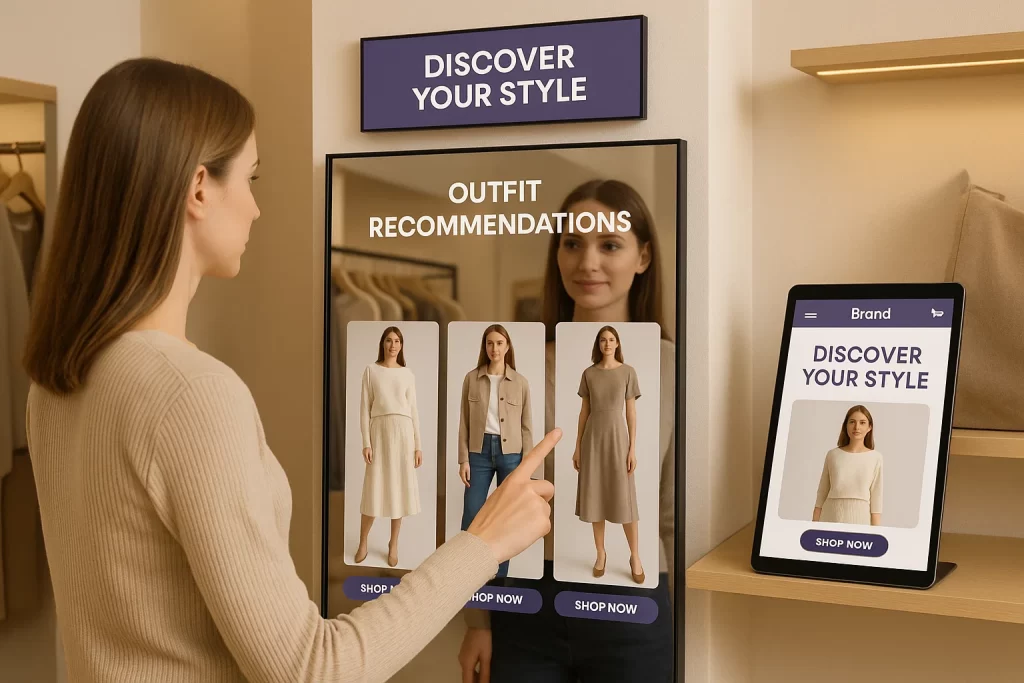
The backbone of any successful Brand Omnichannel Consistency strategy lies in its foundational identity systems. These aren’t just aesthetic guides for designers—they’re comprehensive, strategic assets that align every expression of the brand, whether it’s on Instagram or in a brick-and-mortar location. A cohesive brand identity encompasses three core pillars: visual language, verbal tone, and experiential flow. These elements must interlock across all customer interactions, ensuring no matter where or how someone engages, the brand “feels” the same. A disjointed identity—where the logo evolves on mobile but not on print, or where the tone of customer service contradicts advertising voice—signals internal misalignment and results in user confusion.
The importance of these pillars is backed by behavioral science. According to a study in the Journal of Consumer Psychology, brand consistency across multiple sensory channels significantly improves cognitive fluency, or how easily a brand is understood and remembered. This means users are not just more likely to recognize a consistent brand—they’re also more likely to trust it. Psychological effects of consistency in branding mirror neurological patterns tied to safety and trust, reinforcing why aligned brand assets deliver measurable business outcomes.
However, many organizations conflate visual branding with brand identity as a whole. While logos, fonts, and colors are essential components, they are insufficient alone. True consistency emerges when visual guidelines are married with messaging frameworks, customer-centric value propositions, and platform-aware adaptations. This holistic identity must be flexible enough to accommodate varying screen sizes, customer behaviors, and regional nuances—yet rigid enough to maintain brand alignment across ecosystems. It’s a delicate balancing act between fidelity and fluidity.
One glaring gap in competitor content is the failure to explore these deeper, structural layers of branding. They often stop at design systems without addressing internal workflows or strategic narrative development. By contrast, branding experts like those at (https://www.brandingmag.com) emphasize that consistency is not uniformity—it’s intentional coherence. That coherence must be scalable, repeatable, and guided by a single source of truth: a robust brand governance system.
Mapping the Customer Journey Across Channels
Creating a consistent brand experience begins with mapping every point of customer interaction—from the first ad impression to post-purchase follow-up. This exercise, known as customer journey mapping, enables marketers to identify where Brand Omnichannel Consistency breaks down and where opportunities for reinforcement exist. A fully aligned brand doesn’t just show up similarly across channels; it guides the user smoothly from awareness to loyalty, without making them stop to recalibrate or question the experience.
At each stage—awareness, consideration, purchase, retention—users interact with a mix of digital and physical touchpoints. A consumer might discover a product on Pinterest, research it through YouTube, compare on Amazon, buy via the brand’s mobile app, and then return it in-store. Without a clearly articulated and well-maintained cross-channel branding system, this journey can quickly become disorienting. The tone in email might feel promotional while the SMS message feels transactional. The visual experience on desktop might be sleek, yet the mobile interface might feel dated or cluttered. All of these touchpoint inconsistencies erode the user’s confidence.
This is where the long-tail keyword “how to maintain brand consistency across platforms” becomes operational. Brands must audit each customer pathway for gaps in messaging, design language, and user expectations. Use persona-based scenarios to test your journey: What does it feel like for a first-time buyer? A returning customer? Someone navigating customer support after an issue? These experiential tests surface the emotional friction caused by fragmented branding.
One powerful tool to align this journey is the experience map—a visual that plots customer actions, thoughts, and feelings across each touchpoint. By overlaying branding variables (like tone, imagery, value messaging) on this map, inconsistencies become painfully clear. As one marketer noted on a Quora thread:
“We spent so much money optimizing landing pages but totally forgot that the Facebook ad promised a different product name. Our bounce rate was insane until we fixed that one word.”
This real-world example shows how minor mismatches—often unnoticed internally—can cause major fallout externally.
Practical Strategies for Achieving Brand Alignment
Achieving true Brand Omnichannel Consistency is less about static style guides and more about living, evolving processes. The strongest brands don’t rely on marketing heroes manually checking for tone or colors—they build systematic brand alignment into every team, tool, and workflow. From startup to enterprise, achieving consistency requires structured governance and cultural buy-in, not just design harmony. This section explores key strategies that move consistency from aspiration to execution.
Start with a centralized brand playbook. Unlike a passive PDF brand guide, this playbook should be interactive, continually updated, and accessible across teams. It should outline tone of voice examples, messaging guardrails, audience personas, and visual identity applications across platforms—from mobile push to podcast intros. Embedding messaging frameworks and sample use cases helps teams apply guidance correctly, not just mimic design elements. As an example, Slack’s internal content guidelines include not just what to say, but how to adjust voice between onboarding emails and billing alerts.
Second, implement a shared asset library through platforms like Figma, Canva for Teams, or Adobe Creative Cloud. These libraries store approved templates, images, and UI components that can be reused by design, product, and marketing teams alike. When assets are pre-approved and version-controlled, the risk of divergence diminishes. This approach also empowers agility—teams can scale campaigns quickly without waiting for approvals or reinventing core visuals.
A third strategy involves cross-functional governance. Create a brand alignment committee or assign “brand stewards” across departments who are trained to audit messaging and interface consistency regularly. This proactive approach ensures that integrated marketing efforts don’t veer off-brand as campaigns localize or scale. Regular brand check-ins, cross-channel reviews, and consistent stakeholder alignment foster cohesion across fast-moving teams.
Interestingly, a common user pain point is inconsistency stemming from internal miscommunication. As one Reddit user commented:
“Our support team was using 3 different taglines in email footers until someone finally noticed during a quarterly review. No wonder customers were confused.”
This type of fragmentation isn’t solved by better design—it’s solved by better internal brand governance and communication rituals.
Lastly, invest in enablement. Train everyone—not just marketers—on how to represent the brand. Sales decks, recruiting emails, customer service scripts, even internal memos should reflect the same brand alignment principles. When your internal culture lives the brand, external consistency becomes second nature.

Overcoming Common Challenges in Omnichannel Branding
Despite having the best intentions and strategic frameworks in place, brands often face deeply rooted challenges when trying to execute Brand Omnichannel Consistency. These obstacles arise not from a lack of design talent or messaging sophistication, but from structural, cultural, and operational disconnects within the organization. To maintain a cohesive brand identity across dozens of platforms and global markets, brands must confront and resolve these challenges at their root.
One major pain point is the existence of siloed teams—where marketing, design, product, and customer service departments each operate on different interpretations of the brand. Without a single source of truth or regular cross-functional alignment, tone and visuals evolve independently. This creates fractured experiences where an ad campaign may promise delight, but customer support replies feel cold and robotic. A recent report from McKinsey highlights that companies with siloed operations are 47% more likely to deliver inconsistent customer experiences.
Another challenge involves scaling brand guidelines across regions or platforms. What looks polished on desktop may feel cramped on mobile. What sounds witty in U.S. English might lose impact or tone in a localized translation. This complexity becomes especially acute for fast-growing or global brands. The solution? Build modular design systems and messaging blocks that allow for platform-aware adaptability without compromising core identity. Brands like Airbnb and Spotify have pioneered this approach through their global design languages and voice libraries.
Then there’s the issue of legacy assets and outdated campaigns still circulating in the wild. Without regular brand audits, these artifacts undermine the brand by surfacing off-brand touchpoints in SEO pages, retargeting ads, or third-party platforms. A strategic fix includes using automated crawlers to scan for outdated visuals and CTAs, while empowering local teams with updated templates through a live, centralized brand hub.
Brand consistency is also threatened by the “creative chaos” of rapid content production. Campaign timelines are shorter, formats more fragmented, and content demands growing. This often leads to teams cutting corners on brand checks in favor of speed. The antidote lies in embedding brand governance workflows into content planning cycles, so that brand checks happen upstream—not as afterthoughts.
This shift in mindset helps teams understand that brand consistency isn’t a bureaucratic hurdle—it’s a multiplier of impact
Real-World Examples & Case Study
Theory means little without evidence. To truly grasp the value and impact of Brand Omnichannel Consistency, we must look at real brands—some that have mastered the art of alignment, and others that stumbled due to fragmented communication. These stories illustrate both the benefits of omnichannel consistency and the consequences of its absence.
Consider Apple, a brand globally renowned for its seamless experiences. Whether you’re on their website, unboxing a product, visiting a retail store, or reading an email, the tone is minimalist, confident, and unmistakably Apple. Every interaction reinforces the brand’s promise of simplicity and innovation. This isn’t accidental; it stems from rigorously documented design systems, controlled content pipelines, and cross-departmental alignment around brand storytelling. The result? According to Forrester, Apple’s Net Promoter Score (NPS) is consistently in the 70s—one of the highest in tech—largely because every channel feels like part of the same conversation.
On the flip side, let’s look at a common failure scenario. A mid-sized retail brand we’ll call “Moda Loop” launched a multi-channel holiday campaign. Their Instagram was vibrant and playful; their website remained stark and overly formal; meanwhile, email communications used outdated holiday templates from a different campaign altogether. The result was confusion. Customers clicked through Instagram expecting deals that weren’t visible on the site. Bounce rates soared. Social complaints accumulated. Within two weeks, the marketing team had to relaunch the campaign with revised visuals and updated copy. A Reddit user who experienced this firsthand commented:
“They advertised ‘Color Your Holiday’ on IG, but their site still looked like corporate winter. I thought I was on the wrong page.”
This small disconnect cost them credibility—and conversions.
To learn from this, brands should simulate cross-channel journeys themselves or use test audiences. For example, a global fashion brand like Zara employs secret shoppers and digital audits to assess alignment across web, mobile, and in-store. They check for touchpoint harmony—whether visuals, voice, and service feel consistently “Zara” at every step.
Another example of strategic excellence is Nike. From its Nike Training Club app to in-store experiences, the brand deploys consistent messaging and tone: empowering, inclusive, and performance-focused. Their CTA language, customer support replies, product descriptions, and campaign visuals are harmonized through a living brand system—honed not only by marketers but also embedded into technology stacks that surface approved language in real time.
These cases underscore a truth: consistency doesn’t happen by accident. It requires deliberate design, persistent governance, and continuous evolution. When executed well, it creates compounding trust. When neglected, it introduces dissonance that users can sense—even if they can’t immediately articulate why.
Measuring Impact: Analytics That Reflect Consistency
Many organizations invest heavily in branding, yet struggle to quantify its influence. The truth is, Brand Omnichannel Consistency can and should be measured—not just for design alignment, but for its impact on user behavior, perception, and revenue. What’s required is a shift in mindset: from subjective creative reviews to objective, data-driven performance indicators.
The most immediate sign of consistency is user behavior across touchpoints. Brands should track conversion rate variance across channels—are users completing purchases at the same rate on mobile as on desktop? Are drop-off rates lower when campaign visuals match on both social and landing pages? According to data from Adobe Experience Cloud, brands that maintain high visual and message consistency across campaigns see a 36% improvement in cross-device conversion.
Another essential metric is Net Promoter Score (NPS). While often used for product feedback, NPS is also a strong proxy for brand sentiment and perceived coherence. If customers love the product but give low NPS scores, it may be due to a fractured journey—not the product itself. Similarly, sentiment analysis across social listening tools like Brandwatch or Mention can uncover whether users perceive your brand voice as trustworthy, helpful, or scattered. Inconsistency often shows up here first—as subtle shifts in language used by customers to describe their experience.
Customer journey analytics tools like Heap, Mixpanel, or FullStory can also illuminate behavioral trends. For example, if bounce rates are high on landing pages referred from Instagram campaigns, but lower when users come from email, the issue may lie in a mismatched message or visual handoff. This connects directly with the long-tail keyword: “benefits of omnichannel consistency”—because consistency is what enables smoother transitions and lower cognitive load.
To show ROI to stakeholders, combine quantitative KPIs (bounce rate, time on site, A/B test lift) with qualitative insights (user surveys, session recordings, heatmaps). Build reports that track not just engagement, but brand recall and emotional resonance. For example, a SaaS company might run periodic surveys asking users to describe the brand in three words across email, app, and help center experiences. Consistency in those responses signals effective brand alignment.
“A consistent brand isn’t just prettier—it’s easier to remember, easier to trust, and easier to buy from.”
This ease translates into retention, loyalty, and advocacy—metrics that directly impact the bottom line.

Maintaining Consistency at Scale
Achieving Brand Omnichannel Consistency is one thing—scaling it across geographies, teams, time zones, and product lines is another. As brands grow, the risk of inconsistency compounds exponentially. What once was a small team managing a tight style guide becomes a sprawling network of marketers, developers, sales reps, and vendors—each interpreting the brand in slightly different ways. This is where many well-intentioned brands falter: they build for coherence but forget to scale for resilience.
The foundation of scalable consistency is process-driven governance. This includes brand councils, approval workflows, and role-based access to brand assets. But more importantly, it’s about shifting brand from a marketing asset to a company-wide operating system. That means every department—from product to HR—must understand and embody the brand voice. As branding author Denise Lee Yohn suggests, “brand is not what you say—it’s what you do.”
One of the most powerful tools for scale is the content calendar + asset pipeline approach. Plan campaigns months in advance across all core channels, but house them in a shared content hub where messaging, visuals, and calls-to-action are pre-approved and localized as needed. Platforms like Frontify or Brandfolder offer DAM systems (Digital Asset Management) with permission layers that prevent rogue messaging from slipping through. This structured flexibility lets teams adapt tone slightly for a TikTok audience without breaking the core identity.
Automated tools also play a role in maintaining consistency. Plugins for Figma or CMS systems can enforce brand fonts, hex codes, tone modules, or even language tone checks. AI can flag off-brand copy or visuals, and tools like Grammarly Business or Writer.com are increasingly used to manage verbal branding at scale.
But perhaps most critical is cultural reinforcement. Internally, leaders must evangelize the brand—celebrating wins when it’s done well and calling out deviations not with shame, but curiosity. “Why did this deck diverge from our tone?” becomes a learning moment, not a penalty. Training sessions, brand bootcamps, and even onboarding rituals ensure that everyone—from the CFO to the newest intern—knows what the brand means, not just how it looks.
As one CMO quipped in a LinkedIn post:
“You can spot a brand in trouble when every region has its own tagline.”
This humorous truth underscores a deeper insight: if left unchecked, localization becomes fragmentation. To counter this, create non-negotiables (like logo use and mission messaging) and negotiables (such as channel-specific tone or pacing). This balance allows global teams to resonate locally while reinforcing a unified core.
FAQ
1.How can small teams keep messaging consistent across social, email, and web?
Small teams can achieve Brand Omnichannel Consistency by focusing on scalable systems over scale itself. Start with a concise, living brand guide that outlines tone, messaging hierarchy, and approved visuals. Use free or affordable tools like Notion, Canva Pro, or Google Drive to house centralized templates. Automate parts of the process using scheduling tools like Buffer or MailerLite with saved content blocks. Consistency isn’t about volume—it’s about rhythm, clarity, and reuse.
2.What should I do if tone or visuals diverge between mobile and in-store experiences?
Start by auditing each platform. Often the divergence stems from different owners managing different touchpoints without shared frameworks. Reconnect those silos through collaborative workshops or unified design systems. Document use-case examples for in-store signage vs. mobile app popups. Then, update your brand playbook to include channel-specific tone modulation rules. For visuals, invest in responsive design assets that adapt across sizes without losing brand integrity.
3.How do I measure if my omnichannel branding is working?
Use a blend of behavioral and emotional metrics. Track bounce rates, NPS, cross-channel conversion rates, and consistency in user-reported brand associations. Run surveys asking users to describe your brand in three words—then compare responses across platforms. If answers align, you’re on the right track. Analytics tools like Mixpanel, FullStory, and Brandwatch can show where drop-offs or sentiment shifts occur. Also measure operational efficiency: are teams creating faster with fewer approvals?
4.What happens if I rebrand one channel but not others?
This is one of the most common pitfalls in multi-channel marketing. Incomplete rollouts create brand schizophrenia. Users who see your fresh tone on LinkedIn but get outdated onboarding emails lose trust. To avoid this, coordinate launches with “brand reset campaigns”—internal and external. Set a rebrand date across channels, and use checklists to ensure email headers, ads, websites, and even chatbot intros reflect the new voice and visuals.
5.Is it ever okay to be inconsistent?
Only if it’s intentional and strategic. Some brands create “sub-brands” for specific audiences or channels (e.g., a playful TikTok voice vs. a serious investor newsletter). But even these should connect to a clear parent identity. If inconsistency feels accidental or chaotic, it’s hurting you. Create a system of “core truths + local flavors” where your mission, values, and voice DNA remain the same, while surface elements adapt as needed.
Conclusion
In an era where brands span dozens of platforms and audiences interact with them in micro-moments, Brand Omnichannel Consistency is not a branding luxury—it’s a business necessity. It impacts trust, loyalty, and the bottom line. The strongest brands today aren’t just beautiful—they’re coherent. They speak the same language in every inbox, post, product page, and conversation.
From defining core identity pillars and mapping customer journeys, to implementing scalable governance and auditing real-world execution, consistency must be both a strategic commitment and a cultural habit. When done right, every touchpoint reinforces the brand’s promise. When ignored, it subtly erodes credibility and user trust—one inconsistent slogan or CTA at a time.
Let your brand become the steady voice in a noisy world. Because when everything aligns—voice, vision, and value—your brand doesn’t just exist across channels. It thrives.