
Brand Cultural Symbolism: How to Build Deep Emotional Resonance
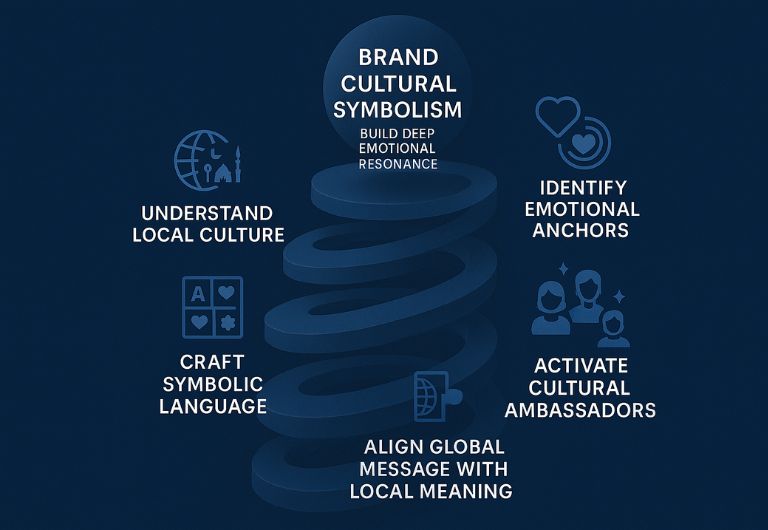
Introduction
In today’s hyper-connected world, brands aren’t just selling products—they’re competing for meaning. Having a great product or a catchy slogan used to be enough. Not anymore. The brands that truly stand out—the ones people remember, love, and live by—are the ones that tap into something deeper: culture.
Culture is that invisible thread that shapes how we think, feel, and relate to each other. When a brand aligns with cultural values, it does more than just market—it resonates. That’s the power of brand cultural symbolism.
Think about Apple. Its sleek, minimalist design speaks to Western ideals of individuality and innovation. Or Nike. With its iconic “Just Do It” mantra, the brand doesn’t just sell shoes—it champions self-empowerment around the globe. These brands have moved beyond commerce; they’ve become part of who we are.
In this article, we’ll explore how businesses—whether you’re a scrappy startup or an established legacy brand—can harness the power of brand cultural symbolism to create emotional depth, avoid cultural faux pas, and cut through the noise. Because in a crowded market, understanding culture isn’t just a nice-to-have. It might be your most important advantage.
What Is Brand Cultural Symbolism?
Defining the Concept
At its core, brand cultural symbolism is about more than just aesthetics—it’s about meaning. It’s the intentional use of cultural symbols, stories, language, values, and rituals to bring a brand’s identity to life and build real emotional connections with people. These cultural elements aren’t just surface-level decorations—they carry deep meaning that speaks to how we see ourselves and the world around us.
Take something as simple as a color. In Chinese culture, red represents luck and prosperity. In many Western contexts, it might signal passion or danger. A brand using red without understanding its cultural weight might totally miss the mark—or worse, send the wrong message. That’s why cultural symbolism isn’t just about standing out visually—it’s about resonating emotionally, and doing so in a way that honors the cultural context.
The Role of Symbols in Identity Formation
We’re wired for symbolism. From the clothes we wear to the flags we salute, the rituals we cherish to the logos we trust—we use symbols to tell the world (and ourselves) who we are. Core Branding that lean into this truth and authentically embrace cultural symbols can become more than just businesses—they can become part of people’s lives.
Think of Harley-Davidson. It’s not just a motorcycle brand; it’s a symbol of rugged freedom and American rebellion. Or Dove, which turned traditional beauty norms on their head and sparked a larger cultural conversation about self-worth. These brands didn’t just launch campaigns—they became cultural landmarks by reflecting and challenging the values of their time.

Why Culture Matters in Branding
Addressing User Pain Points
If you’re a founder or marketer, you’ve probably asked—or heard questions like—“How do we create an authentic brand culture?” or “How can we stand out without just echoing what everyone else is saying?” These aren’t just branding questions. They’re identity questions. And the answers often lie in how well you understand—and align with—the cultural pulse of your audience.
Today’s audiences are sharp. They can spot performative branding a mile away. They’re not just buying your product—they’re buying into your values. If your brand culture feels vague, disconnected, or copy-pasted, people will sense it. But when you weave in cultural references and values that genuinely matter to your audience—whether it’s through language, design, or behavior—you start to build something much stronger: trust.
The Emotional Resonance Factor
Having clear values is a great start. But let’s be real—values don’t mean much if people can’t feel them. That’s where cultural symbolism comes in. It’s the bridge between your ideals and your audience’s emotions. Whether it’s a symbol they grew up with, a ritual that feels familiar, or even the way your brand speaks—these are the touchpoints that turn brand messaging into emotional connection.
Think of brand symbolism as emotional shorthand. It helps people instantly “get” what your brand stands for—not just in their heads, but in their hearts. And in a crowded market, that emotional resonance might just be your brand’s superpower.
The Psychology Behind Symbolism
Archetypes, Myths, and Meaning
Ever wonder why some brands just click with people on a gut level? It’s not magic—it’s psychology. Brand strategist Margaret Mark and psychologist Carol Pearson found that the most iconic brands tap into archetypes—those timeless, universal characters we’ve all seen in stories, myths, and cultures. Think of Disney as the Innocent, always evoking joy and wonder. Nike? Pure Hero energy—bold, driven, unstoppable. And IKEA? The relatable, no-frills Everyman.
These archetypes aren’t just clever marketing. They tap into our shared human experiences. When a core brand symbolizes something we already understand at a deep level—like courage, belonging, or freedom—we feel it. And when we feel something, we remember it. That’s the power of symbolism: it bypasses the brain’s filter for features and benefits and goes straight to the heart.
Colors, Icons, and Language
Symbolism doesn’t stop with the story—it shows up in the little details, too. Like color. In the U.S., blue is often seen as trustworthy and calm. But in Iran, that same color might be associated with mourning. Or take fonts: a classic serif might whisper “heritage,” while a clean sans-serif feels fresh and now.
Even the words you use carry symbolic weight. A phrase like “Born to Lead” might fire up an audience in a culture that celebrates individual achievement. But in a culture that values humility and community, that same slogan might feel tone-deaf.
That’s why cross-cultural branding isn’t just a nice-to-have—it’s essential. The more you understand the cultural lenses your audience is viewing your brand through, the more thoughtful, respectful, and effective your messaging will be.

Building Your Own Brand Culture Framework
A brand’s culture isn’t just about aesthetics like logos or office layouts—it’s the unseen rhythm behind how your company lives, breathes, and bonds with people. Creating a brand culture framework means crafting a living system of values, rituals, and symbols that steer how your team behaves and how your audience feels. It’s the shift from simply existing to genuinely resonating—internally and externally.
Start With Cultural Values That Matter
The heart of your brand culture starts with deeply-rooted values—not trendy buzzwords. This means listening first: what are your audience’s emotional truths? What really moves them? Get close to the people who matter most—your customers, team members, even skeptics. Tools like Reddit, Quora, and AnswerThePublic can reveal what people are worried about, dreaming of, or demanding in your niche. If your audience is passionate about sustainability or independence, for example, those values need to show up not just in your mission statement, but in how you hire, market, and show up in the world. Values, when defined authentically, become a north star for your brand’s daily actions and future decisions.
Craft a Symbolic Language That Speaks Without Words
Your brand should speak in symbols that evoke emotions without needing to spell everything out. Think of it like building your own visual and verbal “dialect.” It’s more than a logo—it’s your color palette, typography, catchphrases, icons, sounds, and even textures that evoke a feeling. These visual cues should reflect your core values—transparency might translate into a minimalist look with lots of white space, while creativity might shine through bold, unexpected visuals. Done right, this symbolic language becomes a shortcut to trust and memory, helping people feel something before they even think about it.
Turn Culture Into Daily Rituals
Culture isn’t what you say—it’s what you repeatedly do. The strongest brands embed their values into small, everyday rituals. Maybe it’s how you welcome new employees—with storytelling, symbolic swag, or immersion sessions that make them feel the brand in action. Maybe it’s how you thank customers—with unexpected birthday messages or loyalty gifts. Even something as small as a handwritten note or a brand-specific way of celebrating milestones can become a signature ritual. These aren’t just gestures—they’re memory-makers. Over time, these practices become habits, and those habits become your cultural identity.
Empower Your Team to Be Culture Carriers
Brand culture only sticks if everyone feels like a part of it. And that starts with how you train, onboard, and empower your team. This isn’t just an HR task—it’s a brand imperative. Your engineers, support staff, and finance team aren’t just employees—they’re brand ambassadors. Equip them with easy-to-understand playbooks, workshops, and living guides that don’t just say what to do, but explain why it matters. The goal? To help everyone feel like they’re contributing to something bigger than their job title. When people understand and believe in the culture, consistency becomes instinctive—not enforced.

Cross-Cultural Challenges and Opportunities
Understanding Cultural Relativity in Branding
Here’s the tricky—and beautiful—thing about culture: it’s not one-size-fits-all. What feels empowering in one part of the world might come off as tone-deaf or even offensive somewhere else. That’s the double-edged sword of cultural symbolism. When used well, it builds powerful emotional bonds. But when misused, it can cause real disconnect.
Successful global brands know that translation isn’t just about words—it’s about meaning. They don’t just tweak the copy; they work with local experts, study cultural norms, and adapt their messaging in a way that still feels true to their brand’s soul. This kind of cultural fluency is especially important in diverse places like the UAE, where East meets West and no two audiences are exactly the same.
Take Coca-Cola, for example. During Ramadan, their campaigns in the Middle East don’t just slap a crescent moon on a label—they thoughtfully reflect Islamic values and family-centric messaging, while staying rooted in the brand’s essence of togetherness. Or look at McDonald’s in India, which respectfully swapped out beef burgers for veggie options—an act of cultural empathy that kept the golden arches relevant and respectful.
The Rise of Cultural Brand Ambassadors
In today’s world, people trust people more than polished corporate messaging. And that’s where cultural brand ambassadors come in. These aren’t just influencers—they’re bridges between cultures. In a city like Dubai, they might be Indian expats who speak fluent Arabic, Emirati women breaking barriers in tech, or African designers reshaping local fashion trends.
These individuals live the complexity your brand is trying to speak to. They carry credibility because they embody it. By partnering with ambassadors who reflect your audience’s lived experiences, your brand shows it’s not just paying attention—it’s participating. And in multicultural markets, that level of authenticity isn’t just smart. It’s essential.
Case Studies: Brand Culture Done Right
Ada Global: Where the Heart of Branding Meets Culture
When it comes to aligning strategy with soul, Ada Global doesn’t just talk the talk—they build brands from the inside out. This forward-thinking strategy consultancy places brand culture at the heart of everything it does. In their landmark report, “Brand Culture: Where the Heart of Branding Meets Strategy,” they highlight a truth that many companies overlook: if your internal team doesn’t understand your brand’s cultural symbols, your audience won’t either.
One of their standout success stories involved rebranding a regional airline—not as just a way to get from point A to B, but as a living, flying symbol of modern Arab identity. They brought the brand to life with thoughtful touches: regional patterns that told a story, Arabic typography that honored heritage, and messaging steeped in values like hospitality, curiosity, and belonging. The result? A 37% boost in favorability among Gen Z travelers in the GCC—proof that when culture is honored, it resonates.
Zalando: Challenging Fashion Norms Across Cultures
Zalando, the European fashion giant, took a bold step with its “Activists of Optimism” campaign—and it paid off. Instead of simply showing off trends, Zalando used its platform to lift up voices often left out of the fashion conversation. The campaign spotlighted underrepresented communities and wrapped their stories in cultural symbolism—from heritage fabrics and authentic dialects to casting choices that celebrated real diversity, not just token representation.
It wasn’t performative. It was purposeful. By blending high fashion with deeply human narratives, Zalando redefined what it means to be stylish in modern Europe. They didn’t just market clothing—they made a statement about identity, inclusion, and cultural respect. In doing so, they transformed a fashion campaign into a movement toward symbolic justice.
Avoiding Cultural Appropriation and Missteps
The Thin Line Between Appreciation and Appropriation
Symbolism can be powerful—but it’s also delicate. When brands tap into cultural symbols without care or context, they can easily cross the line from appreciation into appropriation. And in today’s connected world, audiences are quick to call it out. Using a culture’s language, art, or traditions without genuine understanding—or without giving credit—doesn’t just feel lazy. It feels disrespectful.
We’ve seen it too many times: tribal prints used in fashion with no mention of the communities they come from, Eastern religious symbols slapped onto beauty packaging like exotic decor, or sacred words turned into tech product names. These aren’t just marketing missteps—they’re symbolic misfires that break trust instead of building connection.
Best Practices for Ethical Cultural Branding
So how can brands get it right? It starts with humility and a willingness to listen. Here are a few essentials:
- Partner with cultural experts or respected community voices—not just for approval, but for real collaboration.
- Pay creators for their contributions, whether it’s a traditional pattern, a story, or a concept.
- Test your ideas with local focus groups to catch anything that might feel off or insensitive.
- Avoid turning rich, lived cultures into flat stereotypes just to make a visual or slogan pop.
At the heart of ethical branding is this simple truth: authenticity is earned. It comes from building real relationships and showing that you care enough to get the details right. When brands take the time to learn, involve, and respect, they don’t just avoid backlash—they create stories that are genuinely worth sharing.
Expert Insights & Research-Backed Strategies
What the Thought Leaders Say
“Your brand is not what you say it is. It’s what your culture allows it to be.” — Dr. Anna Chong, Professor of Cultural Semiotics at NYU
Dr. Chong puts it plainly: brand symbolism isn’t just a marketing tool—it’s your internal compass. Her research shows that when a company’s internal culture aligns with its external symbolism, trust skyrockets. In fact, brands with a strong cultural foundation are more than twice as likely to earn high consumer trust. Why? Because people can feel the difference between a brand that lives its values and one that just posts them on the wall.
“Symbolism creates memory traces. The stronger the symbol, the longer the recall.” — Karim Bashir, Neuroscientist & Branding Consultant, UAE
Karim Bashir has helped shape some of the most memorable brands across the MENA region—and his insights prove that branding is as much about the brain as it is about the heart. In a recent study, he found that even a single exposure to a strong symbolic brand increased recall by 43%. That’s the cognitive power of well-chosen colors, metaphors, and typefaces. They’re not just design choices—they’re memory anchors.
“Cultural fluency is the new branding currency.” — Amina Sadek, Global Director of Branding, Unilever
For Amina Sadek, the difference between good and great branding is cultural depth. Her team found that global campaigns tailored with true cultural understanding—not just translated slogans—saw engagement lift by up to 60%. That’s not just strategy. That’s relevance in action.
These aren’t just smart soundbites—they’re real-world wisdom from the people shaping branding’s future. They show that today’s most effective strategies blend symbolism and science, emotion and data, culture and cognition.
Conclusion: Why Brand Cultural Symbolism Is the Future of Resonance
In a world overflowing with content, offers, and messages, what truly makes a brand stick? It’s not your product specs. It’s not even your pricing. It’s your symbols—the deeply human cues that tell people, “This is who we are. And this is what we stand for.”
Cultural symbolism gives your brand emotional weight. It transforms abstract values into things people can see, hear, and feel. It builds connection not by shouting louder, but by speaking more meaningfully. The brands that do this well don’t just gain attention—they gain belonging. They turn users into advocates and transactions into relationships.
But here’s the truth: with this power comes responsibility. Cultures shift. Contexts evolve. And brands must be willing to evolve, too. That means tuning in—really listening to what your audiences care about, how they see the world, and how your brand fits into that bigger picture. It means being flexible, humble, and above all, human.
Branding in 2025 and beyond isn’t just about visibility. It’s about resonance. Because the brands that get remembered are the ones that get felt.
FAQ
1. What is brand cultural symbolism and why is it important?
Brand cultural symbolism refers to the use of cultural signs, visuals, and language to represent a brand’s identity. It helps create emotional bonds by aligning with values people already hold. When used correctly, it boosts brand memorability and trust. In today’s diverse global market, it’s a vital tool for standing out meaningfully.
2.How do brands use cultural symbolism in practice?
Brands integrate cultural symbolism through design, tone, rituals, and storytelling. This could be as simple as using region-specific colors or as deep as aligning with local traditions. Global brands often localize campaigns to reflect native sentiments. The goal is to feel familiar and emotionally relevant to each audience.
3. Can cultural symbolism backfire for a brand?
Yes, if not handled sensitively, it can lead to accusations of cultural appropriation or tone-deaf messaging. Misusing symbols without context or collaboration can alienate the audience. Brands must do their homework and consult cultural experts. Cultural respect and authenticity are the keys to success.
4. How does brand culture differ from corporate culture?
Brand culture is the outward-facing expression of a company’s identity—how it’s perceived by the public. Corporate culture is internal—how employees behave, interact, and live the brand’s values. Ideally, the two are aligned and reinforce one another. Strong brand symbolism bridges the internal and external worlds.