
How to Build a Brand Book: Your Blueprint for Visual & Verbal Identity
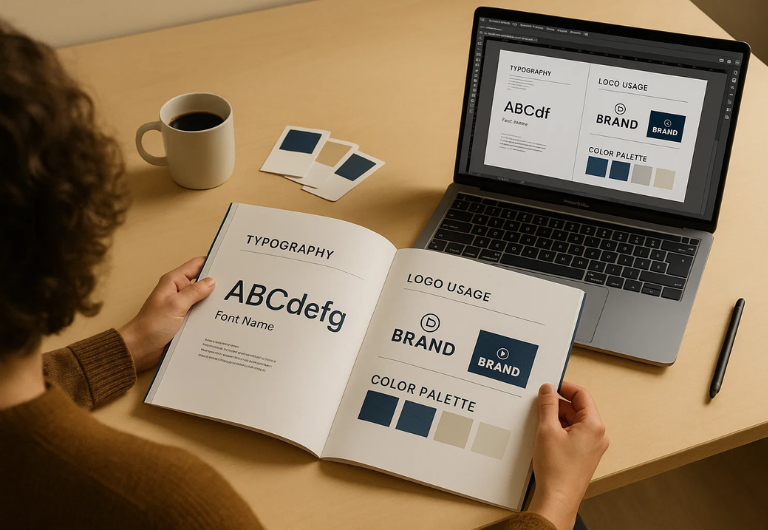
In the ever-evolving landscape of business, one thing remains constant: the power of a strong brand. A brand is more than just a logo or a catchy tagline; it’s the essence of what a company stands for and how it connects with its audience. To effectively communicate this essence, businesses need a comprehensive guide—a brand book. This guide ensures that every touchpoint reflects the brand’s identity consistently, fostering trust and recognition among consumers. But how do you go about creating a brand book? This article will serve as your blueprint for developing a compelling visual and verbal identity.
Why a Brand Book is Essential
Before we delve into the steps of creating a brand book, let’s explore why it’s an essential tool for any business. A brand book serves as a “single source of truth” for all stakeholders, providing a unified framework for brand representation. According to DesignRush, consistent branding can increase revenue by 10-20% on average. Brands with a uniform presentation are also 3-4 times more likely to enjoy strong visibility (DesignRush, Brand Book: Core Elements). Such statistics underscore the strategic value of a brand book in maintaining consistency and fostering customer loyalty.
Key Features of a Strong Brand Name
While this article focuses on building a brand book, it’s worth noting that a strong brand name is foundational to effective documentation. A strong brand name should be:
1. Definitive : The name should clearly define the brand story and mission, serving as a cornerstone for all other branding elements.
2. Visually Adaptable : The name must integrate seamlessly into the logo and other visual elements. It needs to work within strict rules for placement, size, and clear space.
3. Symbolic : It should reflect the brand’s mission and vision, aligning with its core identity.
4. Stable : The name is a fixed asset, requiring clear guidelines for its representation.
5. Meaningful : It should align with the brand values, mission, and vision, resonating with both employees and consumers.
What is a Brand Book?
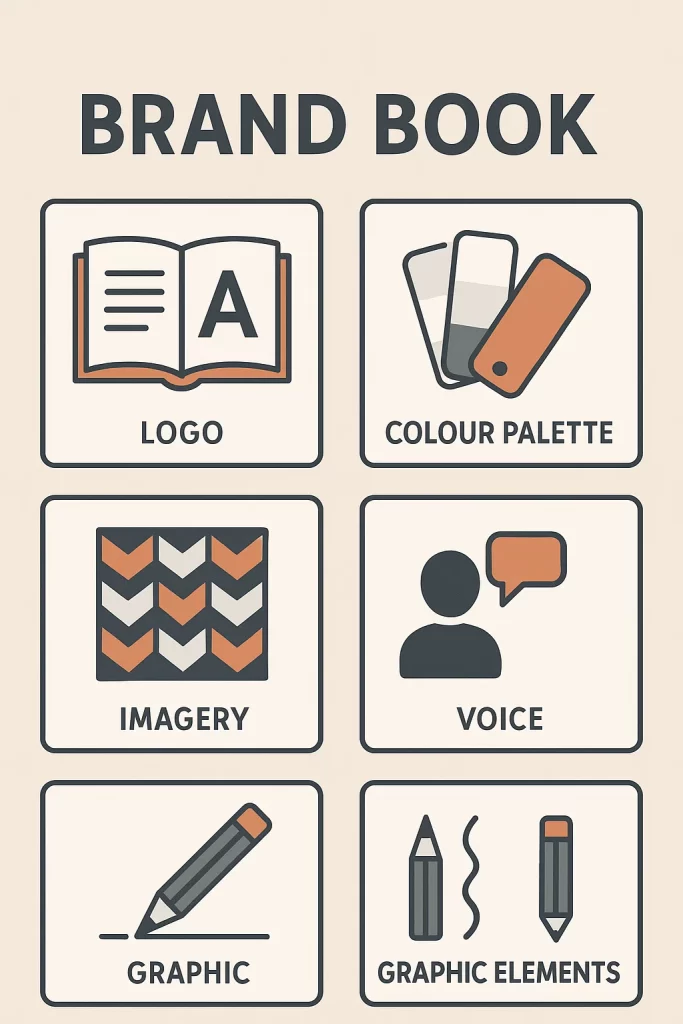
A brand book, often referred to as a brand bible or brand guidelines, is a comprehensive document that outlines the guidelines for how a company presents itself to the public. It covers both visual and verbal identity, ensuring cohesion across all channels. Here’s a breakdown of the essential components to include:
1. Brand Overview : Start with the mission statement, core values, and unique selling proposition (USP). This sets the foundation for your brand’s identity and purpose.
2. Brand Personality : Define the characteristics and values that set your brand apart. This includes elements like sincerity, excitement, and competence.
3. Brand Voice and Tone : Establish how your brand communicates in different contexts. This ensures consistency in messaging, whether it’s a social media post or a customer service interaction.
4. Target Audience : Create detailed buyer personas to understand the needs and preferences of your audience. This alignment fosters stronger customer loyalty, with 77% of consumers forming brand loyalty due to shared values (Digital Silk, Build A Brand Personality).
5. Brand Messaging : Craft messages that resonate with your audience and reflect your USP. Consistent messaging builds brand recognition and trust.
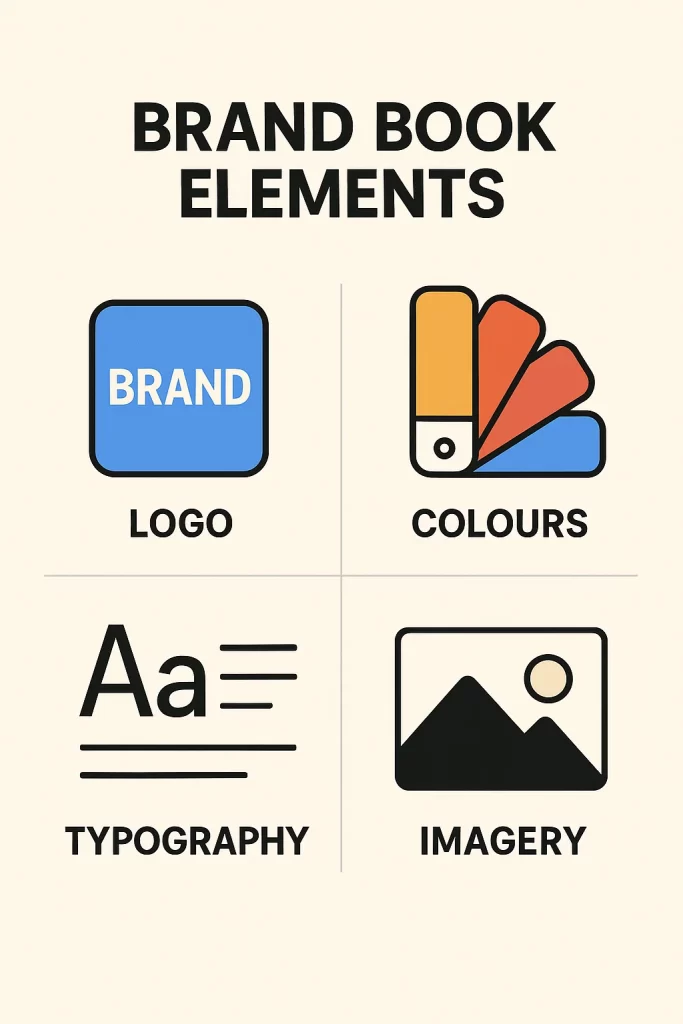
6. Visual Identity : Set guidelines for logo usage, color palette (with codes), typography, imagery, and iconography. Visually consistent brands can increase revenue by up to 30% (Digital Silk, Brand Book Design: A Detailed Guide With Brand Book Examples).
7. Application Scenarios : Show how brand elements are used in real-world contexts, such as marketing materials, websites, and business cards.
8. Documentation : Ensure the brand book is clear, organized, and easy to navigate. Use high-quality images and simple language to make it accessible to all stakeholders.
9. Implementation : Apply guidelines consistently across all channels and touchpoints, ensuring that every interaction reflects the brand’s identity.
10. Review and Update Regularly : As markets evolve, so should your brand book. Regular updates ensure that your brand remains relevant and resonant.
Imagine a digital flipbook that opens with a stunning animation of your logo forming from scattered particles. Each page elegantly reveals another layer of your brand identity, from the color palette that opens like a painter’s canvas, to typography that types itself out in real-time. This interactive experience can be shared with stakeholders, giving them an immersive understanding of your brand.
Use Cases for a Brand Book
Internal Alignment
A brand book is invaluable for internal alignment, ensuring every employee understands and embodies the brand. This is particularly crucial for recruitment and onboarding, attracting new hires who are a good fit for the company’s culture. When employees understand the brand promise, they deliver a more consistent customer experience.
Onboarding and Training
For new employees, a brand book is a roadmap to understanding the company’s ethos. It accelerates onboarding by providing a clear framework of the brand’s values, voice, and identity. This is particularly beneficial for marketers and designers who need to hit the ground running.
External Collaboration
When working with agencies, partners, or the press, a brand book ensures that all brand assets are used correctly. It serves as a reference point, providing clear guidelines for logo usage, color schemes, and messaging. This consistency is crucial for maintaining a professional and unified brand image.


Visualize your brand book in action at a bustling conference. Booths are adorned with banners and posters that perfectly match the brand guidelines. Attendees leave with brochures and business cards, each a testament to the brand’s cohesive identity. These real-world applications showcase the brand book’s practicality and impact.
How to Create a Brand Book
Step 1: Define Your Brand Core
Start with the foundation: mission, vision, and values. These elements are the heart of your brand, guiding every decision and interaction. They should be clearly articulated and easily accessible in your brand book.
Step 2: Build Your Brand Personality
Identify the characteristics that define your brand. Are you quirky and fun, or serious and professional? These traits should be reflected in both your visual and verbal identity.
Step 3: Identify Your Brand Voice and Tone
Your brand voice is how you speak to your audience. It should be consistent across all platforms, from social media to customer service. Define the tone for different scenarios—formal for business communications, casual for social media, etc.
Step 4: Define Your Target Audience
Create detailed personas to represent your ideal customers. Understand their needs, preferences, and pain points. This knowledge will guide your messaging and visual identity.
Step 5: Craft Your Brand Messaging
Your messaging should resonate with your audience while reflecting your unique selling proposition. Consistency in messaging builds trust and recognition.
Step 6: Design Your Visual Identity
Create guidelines for your logo, color palette, typography, and imagery. These elements should be visually adaptable and work seamlessly within the brand’s overall identity.
Step 7: Document Application Scenarios
Provide examples of how brand elements are used in different contexts. This could include marketing materials, digital platforms, and physical products.
Step 8: Keep It Simple and Accessible
Ensure the brand book is easy to navigate and reference. Use high-quality images and clear, concise language.
Step 9: Implement Consistently
Apply the guidelines across all channels and touchpoints. Consistency is key to building a strong, recognizable brand.
Step 10: Review and Update Regularly
As your brand evolves, so should your brand book. Regular updates ensure that your brand remains relevant and resonates with your audience.
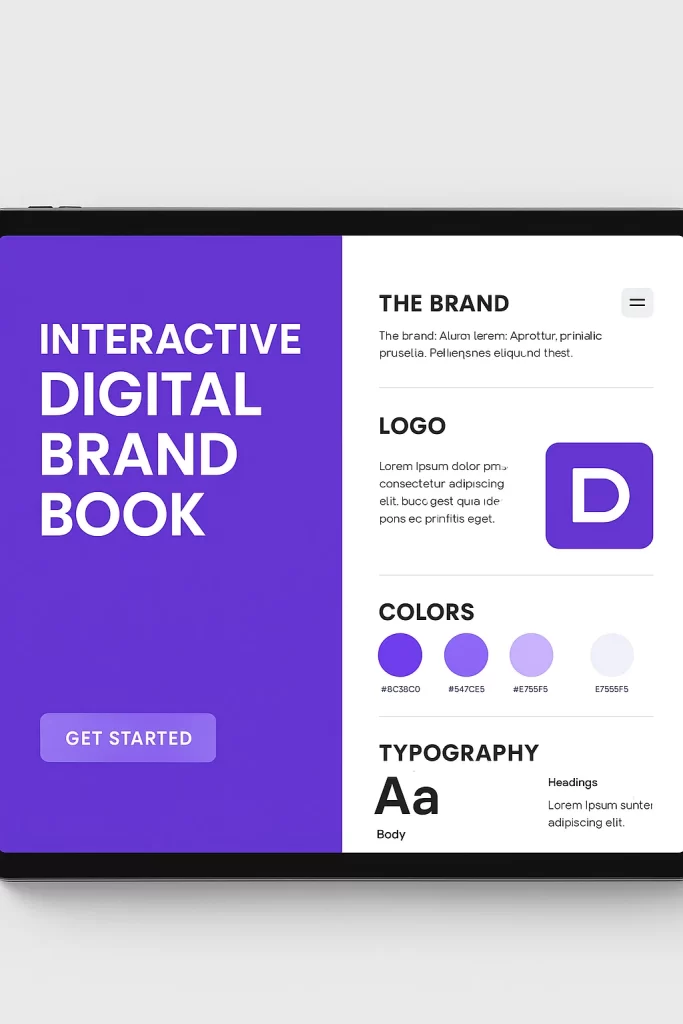
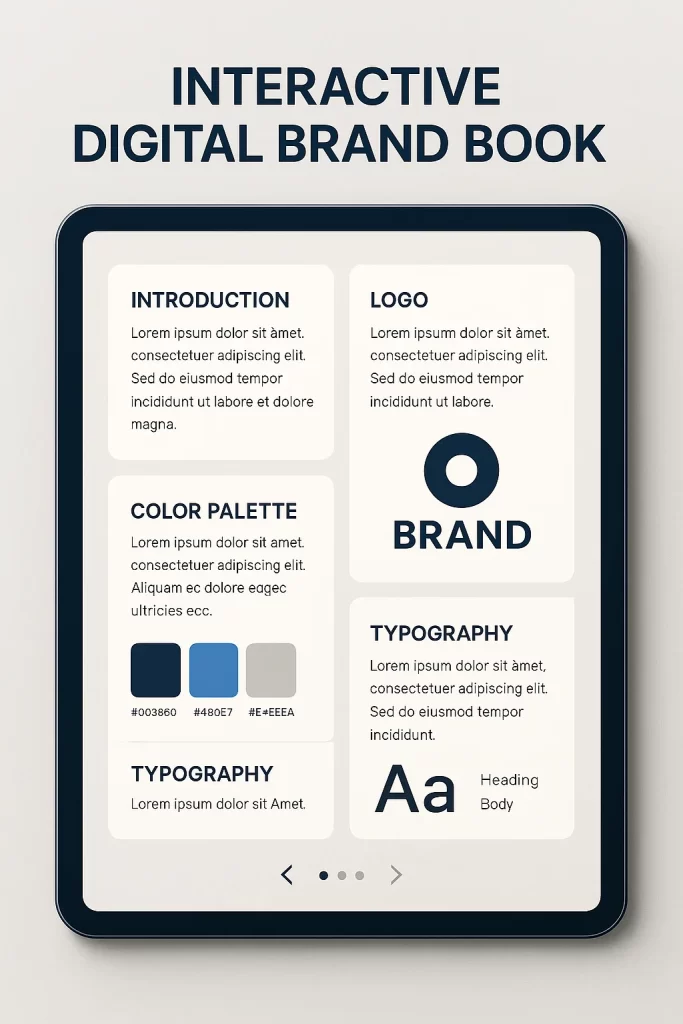
Imagine a sleek, interactive digital brand book that users can navigate like a website. Each section is a clickable module, complete with animated visuals and embedded videos that bring the brand to life. This dynamic format not only engages viewers but also makes it easy to share updates and revisions.
Conclusion
As brands continue to evolve in an increasingly digital world, the importance of a robust brand book cannot be overstated. A well-crafted brand book not only ensures consistency and cohesion but also empowers businesses to adapt and grow. By aligning your brand’s identity with your audience’s values and expectations, you lay the groundwork for lasting success. As you embark on the journey of creating or updating your brand book, think of it as a living document—a dynamic blueprint that guides your brand’s narrative in a constantly changing landscape.
FAQs About Brand Books
1.What is the difference between a brand book and a style guide?
A brand book is broader, covering both visual and messaging components of a brand’s identity. A style guide typically focuses on visual elements like logo usage, typography, and color palette.
2. How can defining your brand’s personality and voice foster stronger customer loyalty?
A defined personality and voice make your brand relatable and trustworthy. Consumers are more likely to connect with brands that have a clear, consistent identity, leading to increased loyalty.
3. Why is aligning your target audience with your brand values crucial for recognition?
Alignment between your brand values and your target audience’s values creates a sense of connection and trust. This emotional bond fosters brand loyalty and recognition, encouraging consumers to engage with and support your brand.