
Mastering Brand Tone for Consistent & Engaging Communication

In a crowded marketplace where countless brands vie for the consumer’s attention, mastering the art of brand tone of voice is not just beneficial—it’s essential. The tone of voice of your brand is akin to its fingerprint; it’s unique, recognizable, and can make or break the way your audience perceives your brand. This comprehensive guide is designed to help marketers, content creators, and business strategists harness the power of brand tone to foster trust, loyalty, and engagement.
The Importance of Brand Tone of Voice
Why Does Tone of Voice Matter?
The tone of voice is not merely an embellishment to your brand’s communication; it’s a critical component of your brand identity. A distinct tone of voice builds trust, fosters loyalty, and ensures your brand is both recognizable and relatable. If your brand sounds like everyone else, why should anyone care? In a world where consumers are bombarded with messages, a unique and consistent tone of voice can be your competitive edge.
Differentiating Brand Voice and Tone
To effectively leverage your brand tone, it’s crucial to distinguish between brand voice and tone.
Brand Voice : This is the overarching personality of your brand—its consistent character and values that remain stable across all communications.
Brand Tone : This is the emotional inflection applied to the brand voice. It adapts based on context, audience, and platform—much like how your speaking tone shifts depending on the situation.
Developing Your Brand Tone of Voice
Step 1: Audit Your Existing Content
Start by examining your current communications. Identify patterns in language, style, and emotional undertones. This audit will highlight inconsistencies and areas for improvement.
Step 2: Define Your Brand in Three Words
Describe your brand as if it were a person. Choose three adjectives that encapsulate your brand’s core identity. These words will guide the emotional tone and help maintain consistency.
Step 3: Understand Your Audience
Survey your audience to gain insight into how they perceive your brand. Understanding their preferences and expectations will enable you to tailor your tone effectively.
Step 4: Develop a Brand Voice and Tone Chart
Create a comprehensive guide that outlines your brand voice and tone. This document should include:
– Core voice descriptors
– Different tones for various contexts
– Examples of language and style for each tone
This chart will serve as a reference for all team members, ensuring consistency across all communications.
Real-World Examples of Brand Tone
Let’s consider some successful brands and how they exemplify the effective use of tone:
– Dove : Utilizes an empowering and inspiring tone that aligns with its brand message of real beauty.
– Old Spice : Leverages humorous and masculine tones, creating memorable and engaging ads.
– Nike : Exudes a motivational and determined tone, resonating with athletes and aspirants alike.
These brands effectively use their tone to differentiate themselves, connect emotionally with their audience, and reinforce their brand identity.
- Adapting Tone Across Channels
- Dynamic Tone in Social Media
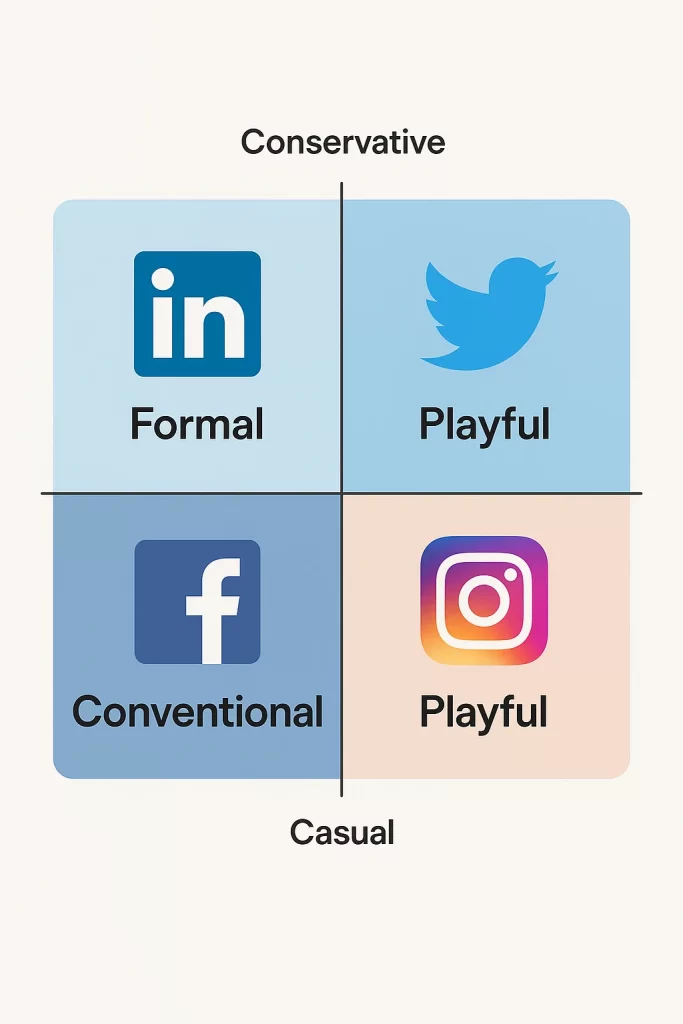
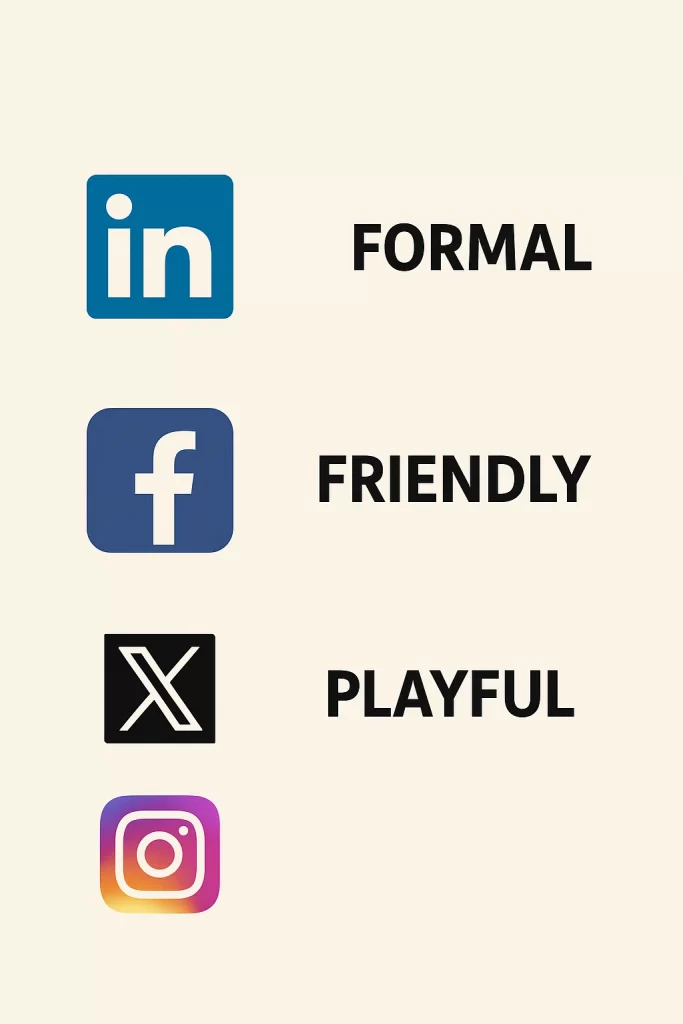
Social media platforms require a dynamic approach to tone. For instance, a brand may adopt a playful and conversational tone on Instagram while maintaining a more professional and informative tone on LinkedIn. Adapting your tone ensures relevance and engagement with the intended audience without losing the core voice.
Consistent Brand Tone in Customer Service
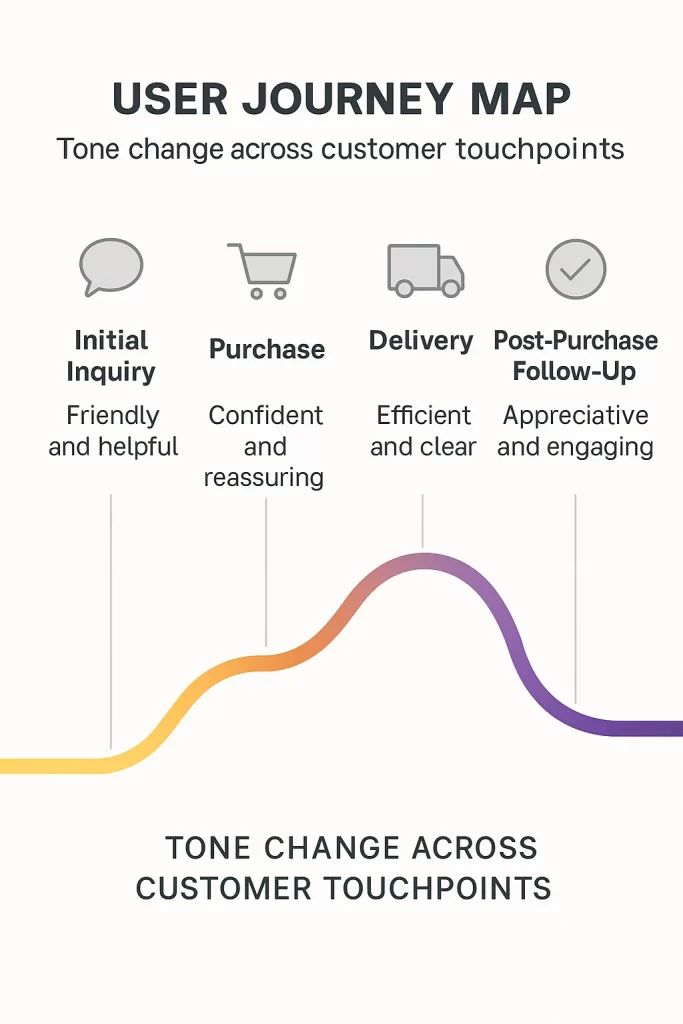
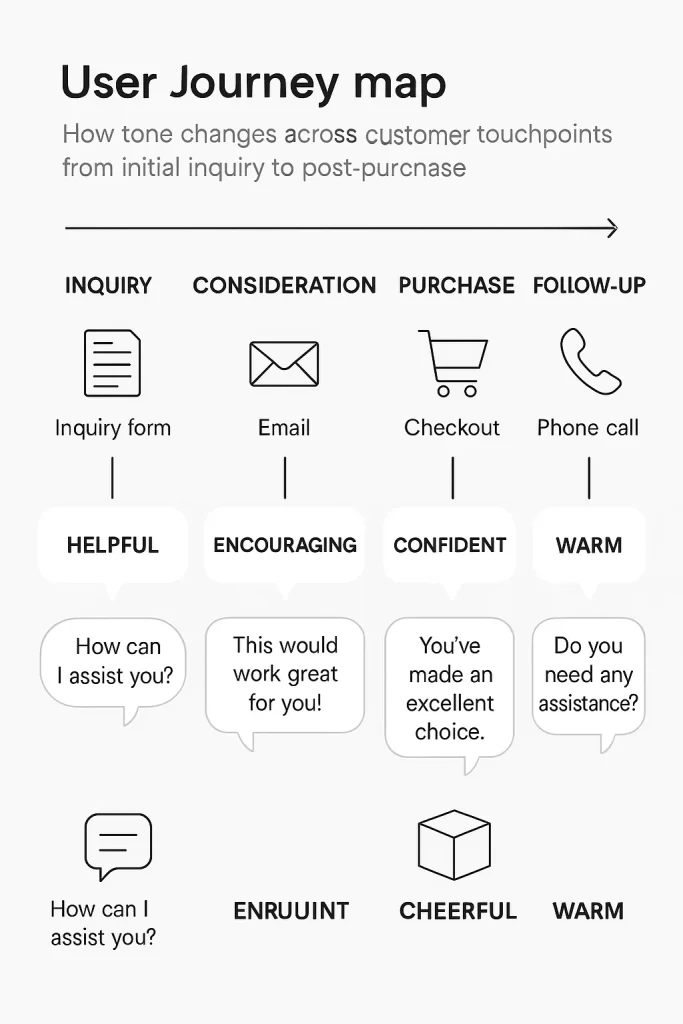
A consistent tone in customer service interactions builds trust and reinforces brand identity. Whether dealing with complaints or providing support, the tone should reflect the brand’s character—be it empathetic, helpful, or authoritative.
Expert Insights on Brand Tone
According to a guide by FasterCapital, “Maintaining a consistent brand tone across all communication channels helps establish brand identity and builds trust with the audience.” This consistency is crucial for creating a cohesive brand experience and ensuring that your messaging resonates with your audience across various platforms.
Additionally, the guide emphasizes the importance of authenticity: “A genuine and authentic brand tone resonates with the audience and builds credibility. It is important to avoid sounding overly promotional or insincere.”
Avoiding Common Pitfalls
Inconsistency
One of the most common mistakes in brand communication is inconsistency. An inconsistent tone can confuse your audience and dilute your brand message. Ensure all team members are aligned with the brand tone guidelines to maintain uniformity.
Misinterpreting the Audience
Failing to understand your audience’s preferences and values can lead to a tone that feels disconnected or out of touch. Regularly update your audience insights to keep your tone relevant and aligned with their expectations.
Overcomplicating the Message
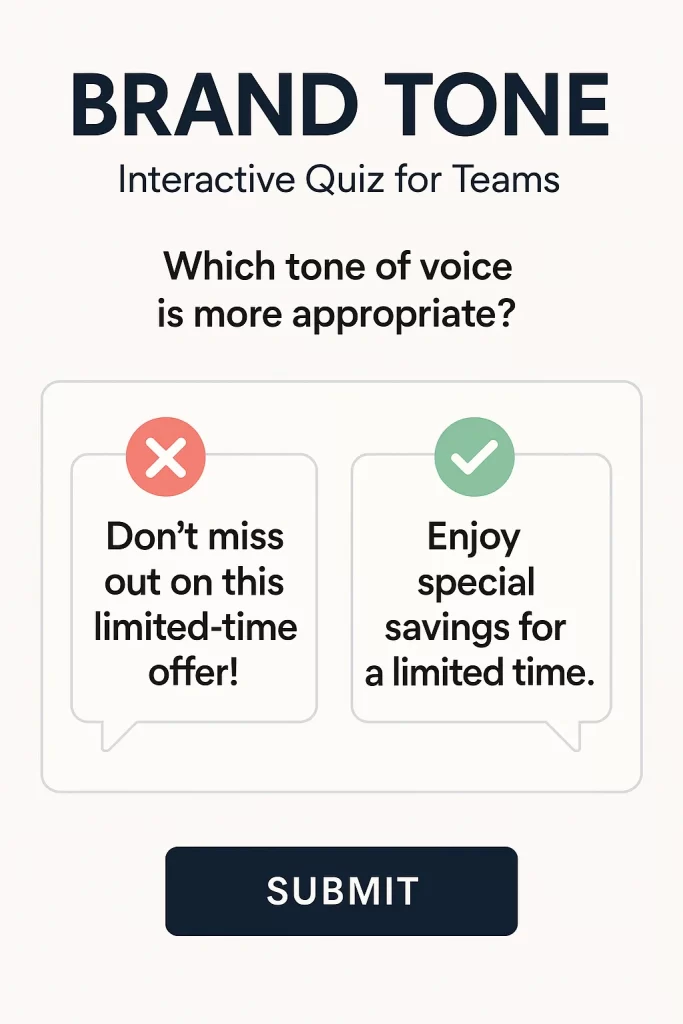
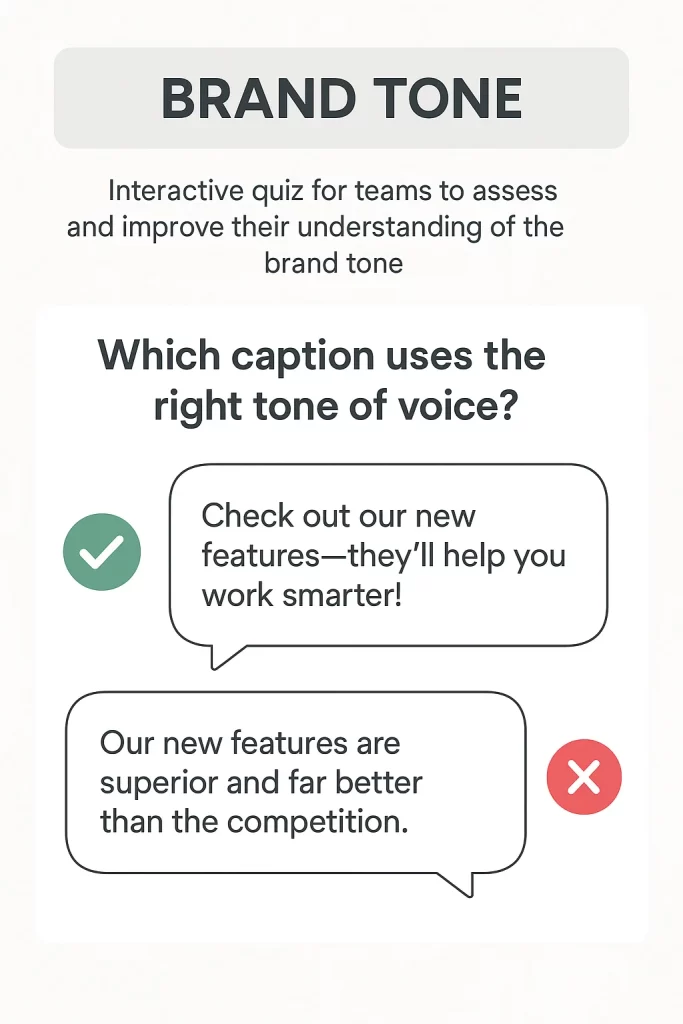
Avoid using jargon or overly complex language that may alienate or confuse your audience. Instead, use clear and straightforward language that aligns with your brand personality.
Embracing Adaptability
In a rapidly changing market, adaptability is key. Brands must be willing to evolve their tone in response to shifting consumer preferences and market trends. This involves balancing consistency with flexibility and leveraging data-driven insights to refine communication strategies.
Measuring the Effectiveness of Your Brand Tone
To ensure your tone is effective, monitor audience feedback and engagement. Use surveys, social media listening, and direct customer interactions to gather insights. This data will help you refine your tone and ensure it continues to resonate with your audience.
FAQs on Brand Tone of Voice
1.What is the difference between brand voice and tone?
Brand voice is the consistent personality of your brand, while brand tone is the emotional inflection applied to that voice, adapting to different situations and contexts.
2.How do I define my brand’s tone of voice?
Start by auditing existing content, describing your brand with three core adjectives, understanding your audience, and creating a comprehensive brand voice and tone chart.
3. Why is a consistent brand tone important?
Consistency in brand tone builds trust, reinforces brand identity, and ensures your messaging is recognizable and relatable, fostering stronger connections with your audience.
4. How can I ensure my team uses the brand tone consistently?
Provide a detailed brand tone guide and conduct regular training sessions to ensure all team members understand and apply the brand tone effectively.
In an era where brands must navigate a multitude of platforms and audience expectations, mastering the brand tone of voice is crucial for standing out and building lasting relationships. By crafting a consistent, authentic, and adaptable tone, your brand can resonate more deeply with its audience, fostering trust and loyalty that endure beyond individual interactions.