
How to Develop a Brand Personality That Resonates with Audiences
Introduction: Why Brand Personality Matters in a Digital World
In an age of automation, infinite content, and ever-shrinking attention spans, brands must do more than just exist, they must resonate. This is where brand personality becomes a strategic differentiator. Much like a human, your brand must express a distinct voice, embody consistent values, and spark genuine emotional connections to stand out. Whether you’re a global brand or a local startup, a well-crafted personality turns cold transactions into loyal relationships.
But building a personality that feels authentic and keeping it consistent across ads, chatbots, landing pages, and press is no small feat. Today’s marketers must balance creative storytelling with AI-driven scalability, ensure tone consistency across platforms, and avoid the common pitfalls of sounding robotic or disjointed. This guide breaks down every layer of what makes a strong brand personality from foundational traits and tone of voice to real-time sentiment tracking, automation tools, and actual user frustrations. Whether you’re refining your identity or starting from scratch, you’ll learn how to shape a brand that not only speaks, but speaks like a human.
Understanding Brand Personality in Marketing
Brand personality in marketing refers to the set of human characteristics and emotional qualities that are intentionally attributed to a brand. It’s the process of giving your brand a relatable, human-like identity as if it were a person with a specific attitude, tone, and behavior. This helps consumers perceive the brand not just as a product or service provider, but as a familiar presence with a distinctive personality they can connect with. Whether your core branding is perceived as fun and youthful, serious and professional, or luxurious and refined, this personality shapes the emotional connection people build with it.
Why Brand Personality Matters
In today’s saturated market, having a recognizable logo or catchy slogan is not enough. What truly sets successful brands apart is their ability to humanize branding and form emotional bonds with consumers. Brand personality serves as the emotional bridge that links your offerings to the values and lifestyle of your audience. It influences consumer perception, fosters trust, and plays a critical role in shaping brand loyalty. When people feel emotionally aligned with a brand’s personality, they are more likely to become repeat customers, recommend it to others, and even defend it publicly during times of criticism. This is the power of emotional branding: it turns brands into trusted companions in the consumer’s life journey.
The Psychology Behind Personality
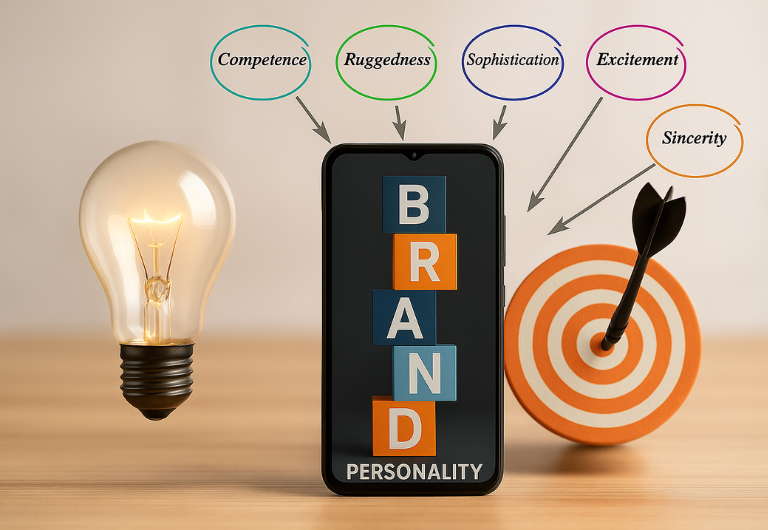
The development of a brand personality is deeply rooted in marketing psychology. Brands often draw on psychological archetypes or personality dimensions such as sincerity, excitement, competence, sophistication, or ruggedness to build a clear identity. These brand traits help make the brand memorable and distinct, which is especially important in crowded or competitive industries. By aligning personality with consumer expectations and cultural nuances, brands can craft an identity that feels genuine, aspirational, or relatable depending on the strategic intent. These psychological anchors aren’t just theoretical. They help simplify how people process and remember your brand, making the emotional appeal both subconscious and sticky.

Real-Time Brand Personality Insights
Let’s face it in today’s always-on world, brand perception changes at the speed of a tweet. That’s why having real-time insight into how your brand is emotionally resonating with audiences isn’t just helpful, it’s critical. By tapping into the power of APIs from platforms like Brandwatch, Google NLP, or IBM Watson Tone Analyzer, marketers can go beyond assumptions and actually see how people feel about their brand. These tools comb through massive data sets social media chatter, reviews, even support tickets to give a pulse check on public sentiment. What you get is not just data, but emotional clarity: a window into how your audience experiences your brand voice.
Going Beyond Keyword Monitoring
We’re past the point where tracking keywords alone cuts it. Today’s AI-driven tools analyze tone, not just words. Are customers expressing joy, irritation, or trust when they mention your brand? This matters. Tone analysis reveals the emotional subtext in real time, highlighting when your brand might be coming across too harsh, too bland, or just right. Imagine you’re a bold, empowering brand if your tone starts tipping into “aggressive” or “cold,” you need to catch that before it chips away at brand loyalty. This is your emotional compass for keeping the brand voice aligned with your values.
Preventing Reputational Damage Through Early Signals
Think of tone analytics like smoke detectors for your brand. They alert you to subtle changes in public sentiment before things get out of hand. You don’t have to wait for engagement to drop or sales to dip. The early emotional signals are there, whispering changes in perception that, if caught in time, can be reframed. This kind of proactive insight isn’t just smart; it’s a reputational safety net that helps preserve trust and consistency in your messaging before damage is done.
Using NLP and Behavioral Analytics to Strengthen Brand Strategy
Marrying NLP with behavioral analytics is like putting your brand strategy under a microscope in a good way. These tools let you see how your audience is really feeling, spot trends in how they perceive tone, and even see where competitors are striking a different emotional chord. That’s gold for differentiation. You can enrich your customer personas with more than just demographic or behavioral data now, you can infuse them with emotional intelligence. It’s the kind of strategic depth that transforms guesswork into connection.
Custom Dashboards for Brand Tone Governance
Consistency in tone across teams and channels is a challenge but it’s solvable. With customizable brand tone dashboards, you can provide teams with live feedback loops on how the brand is being emotionally received. These dashboards don’t just track performance; they align everyone from marketing to customer service around a unified emotional voice. The result? Stronger, clearer communication that scales with your brand’s growth.
Evolving Brand Personality with Real-Time Feedback
Here’s the truth: brand personality isn’t static, it’s alive. AI tools don’t just help monitor your brand voice; they help evolve it. By staying in tune with your audience’s emotional response in real time, you’re no longer reacting; you’re co-creating a brand personality that resonates. It’s about speaking the right language, with the right tone, at the right time and building lasting emotional connections that fuel loyalty and trust.

Key Features of a Strong Brand Personality
Think of brand personality as more than just a branding buzzword; it’s the heartbeat of how your brand shows up in the world. It’s the unique character your audience recognizes, trusts, and builds a relationship with. From the way your brand speaks to the values it upholds, a strong personality influences every experience a customer has with you consciously or not.
Consistency Across All Brand Touchpoints
Consistency is the secret sauce behind trust. Whether someone’s engaging with your Instagram, scrolling through your website, unboxing your product, or chatting with customer service your brand should feel like the same person in every interaction. That’s what makes customers feel secure. It’s like talking to an old friend you know what to expect, and that familiarity keeps you coming back.
Brand Archetype Alignment for Emotional Clarity
Behind every strong brand is a clear sense of character and that’s where archetypes shine. Maybe your brand is a rebellious game-changer, a nurturing guide, or a fearless explorer. Whatever role you choose, aligning your messaging with a clear archetype helps audiences “get” your vibe instantly. It’s what gives your stories emotional depth and helps people connect not just to what you do, but why you do it.
Authentic Brand Voice and Human Tone
A strong brand voice is like a friend’s distinct laugh or way of telling a story instantly recognizable, and impossible to fake. Whether your tone is witty, warm, bold, or wise, it needs to feel real. That authenticity fosters emotional connection. A well-documented tone guide helps ensure everyone from your social media team to your sales reps speaks in harmony, building a brand that feels human at every turn.
Purpose-Driven Mission and Vision
Brands with soul do better and that soul comes through in your mission and vision. Your mission tells the world what you stand for right now, and your vision lays out the future you’re working toward. When these aren’t just words on a website, but beliefs you live by, your team gets aligned and your audience gets inspired. People want to buy from brands that stand for something bigger than profit.
Culturally Sensitive Brand Positioning
If your brand wants to connect across cultures especially in diverse markets like Dubai cultural sensitivity isn’t optional. It’s essential. That means listening more than assuming, adapting without losing your essence, and showing genuine respect for local values. Getting this right deepens relevance. Getting it wrong? It risks alienating the very people you’re trying to reach.
From Personality to Connection
When your brand is clear in its purpose, consistent in its voice, emotionally in tune, and culturally aware that’s when the magic happens. You stop being just another brand and start feeling like a personality your audience knows. You become familiar, trustworthy, and most importantly human. And in a world overflowing with noise, that human connection is what truly stands out.
The Voice of Experience: Embedding Brand Personality Across Every Customer Touchpoint
Brand personality isn’t something that lives in strategy decks; it breathes through every moment a customer interacts with your brand. Whether they’re scrolling your feed, chatting with a support rep, or watching your latest video, your brand’s tone, energy, and attitude shape their emotional experience. When done right, this personality becomes a trusted companion, one that’s consistent, human, and emotionally in sync with your audience’s needs and expectations.
Bringing Brand Voice to Customer Support
Customer support is often where your brand personality is put to the test. It’s one thing to craft a clever tagline, it’s another to remain calm, helpful, or uplifting when someone’s upset about a failed order. That’s where tone training comes in. A wellness brand, for instance, might instruct its agents to speak with empathy and reassurance, while a fintech brand might lean into clarity and composure. These nuances in voice aren’t just about tone, they’re about creating experiences that feel like your brand is listening.
Adapting Brand Personality to Social Media Contexts
Social media is its own universe, fast, informal, and emotionally charged. To truly resonate, your brand personality needs to flex depending on the platform. What feels bold and cheeky on Instagram might need a more thoughtful or topical twist on LinkedIn or Threads. It’s not about being everything to everyone, it’s about meeting your audience where they are, speaking their language, and still sounding unmistakably you. Localization here goes beyond geography; it’s about emotional and cultural fluency.
Infusing Personality into Ad Copywriting
Ad copy isn’t just about driving clicks, it’s your personality showing up under pressure. The best campaigns don’t just sell a product; they invite people into a feeling, a moment, a mindset. That’s why brand tone matters in everything from your headline to your CTA. A brand like Nike doesn’t just say “Buy Now.” It says “Just Do It” a call to action that feels like a belief. That emotional hook sticks because it’s rooted in identity, not just a sales funnel.
Expressing Brand Identity Through Story Videos
Video storytelling is where brand personality comes alive in full color. It’s not just what you say, but how you say it through visuals, voiceover, soundtrack, pacing. Whether your brand vibe is bold and cinematic or minimalist and calm, story videos are your chance to speak to the heart. A well-crafted video lets your audience feel your brand before they ever read a line of copy. That’s what makes video such a powerful medium for building emotional resonance and visual identity.
Using Microcopy and Tone in Landing Page Design
Landing pages may be transactional, but they’re also opportunities to charm, comfort, or motivate your users often in just a few words. Microcopy like button text, error messages, or form instructions can quietly reflect who you are as a brand. A playful “Let’s Go!” can create excitement; a straightforward “Get Started” builds confidence. When your voice is woven into even the smallest elements, you create a seamless, branded experience that feels personal and thoughtfully designed.
Building Authenticity Through Consistent Brand Voice
At the end of the day, it’s the little moments, the consistent tone in a tweet, the warm phrasing in an email, the friendly nudge in a button label that build trust. Brand personality isn’t just expressed in big campaigns; it lives in the everyday. When your voice is consistent across touchpoints, your brand becomes more than just recognizable it becomes reliable. And that kind of emotional consistency is what builds lasting loyalty and turns customers into advocates.

Modern Brand Personality Development
Building a brand personality today isn’t just a creative exercise, it’s a smart, tech-enabled process. We’ve moved beyond sticky notes and mood boards. Now, AI and automation are reshaping how we define and scale brand identity. With these tools, brands can respond to audience shifts in real time, stay emotionally consistent, and craft messaging that feels both personal and powerful. This is where core branding meets intelligence: fast, scalable, and deeply intuitive.
AI Templates for Scalable Personality Frameworks
Imagine being able to plug your brand values and audience traits into a system and getting back a fully formed personality blueprint. That’s exactly what AI personality templates offer. These frameworks take the guesswork out of tone and emotional identity, aligning your messaging with real-world data and psychology. The best part? They’re flexible enough to feel authentic and structured enough to scale. It’s like giving your brand a well-fitting voice right out of the box but with room to grow.
Competitor Personality Mapping for Strategic Positioning
It’s not enough to sound good, you also need to sound different. With competitor personality mapping, brands can see exactly how others in their space are showing up emotionally. These AI-driven maps give a bird’s-eye view of industry tone trends, helping you spot emotional white space where your brand can stand out. It’s like surveying the conversation and finding your own unique way to join in more strategically and more memorably.
Dynamic Tone of Voice Generators for Multi-Channel Alignment
Keeping a consistent tone across channels email, web, social, support is tough. That’s where dynamic tone generators come in. These tools don’t just automate writing; they adapt your brand’s tone to fit the platform, the moment, and the message. Whether you’re offering reassurance in a support message or excitement in a campaign ad, the tone stays true. This tech helps teams scale content without losing the emotional thread that makes a brand feel real.
Emotionally Intelligent Chatbots as Brand Ambassadors
Today’s chatbots do more than answer questions; they carry your brand’s emotional DNA. With scripts built to match your voice, AI-powered bots can speak in tones that feel friendly, firm, warm, or witty depending on the context. They’re not just reactive tools anymore. They’re emotional translators, helping your brand show empathy, clarity, or confidence right when people need it most. That’s not just support, that’s connection.
Adaptive Archetype Scoring for Consistency and Evolution
Even the strongest brand voices can drift over time. Adaptive archetype scoring helps keep things on track. These systems analyze content and flag when your tone starts to veer off-brand. Maybe your rebel brand is starting to sound too corporate, or your nurturer tone is losing warmth. With smart alerts and improvement tips, these tools help you stay emotionally aligned all while growing with your audience and the market.
The Era of Responsive Brand Messaging
This is the new age of brand voice responsive, real-time, and emotionally intelligent. Gone are the days of static tone guides that gather dust. Today, brands can listen, adapt, and refine their voice continuously, powered by AI and human insight. It’s not just about sounding good anymore. It’s about feeling right to the people you serve. And that’s what modern branding is truly about being present, personal, and emotionally tuned in at every step of the journey.
Authenticity vs. Automation: What Real Users Reveal About Brand Personality Pitfalls
When it comes to brand personality, especially in the age of automation and omnichannel presence, real users often express both curiosity and frustration. These unfiltered sentiments offer deep insight into the challenges brands face as they try to balance authenticity with scalability and personality with professionalism.
On one hand, many are asking thoughtful questions like: “How do I ensure my brand doesn’t sound robotic with AI-generated content?” or “Can a small brand still develop a strong personality without a big budget?” These reflect a growing authenticity concern among marketers, where the use of automated tools raises fears of personality conflict or losing the unique human touch that emotionally engages audiences.
On the other hand, the complaints speak volumes about where brands often fall short. Phrases like “Our tone sounds inconsistent across platforms” or “Our brand feels generic no emotional pull” highlight the painful symptoms of message inconsistency and brand dilution. These issues point to an emotional gap between what the brand intends to communicate and what the audience actually experiences. It’s not uncommon for businesses to struggle with tone mismatch, where their communication style feels out of sync with their identity, especially when multiple teams or agencies are involved in content production.
Other common frustrations include “Design and copy don’t match our brand identity”, signaling deeper voice fragmentation and identity erosion. When visual and verbal elements aren’t harmonized, it leads to audience disconnect, causing confusion or indifference among potential customers. These issues are often exacerbated by rapid scaling, lack of internal alignment, or poorly defined brand guidelines and increasingly, by the rise of templated AI content that isn’t properly calibrated to the brand’s tone.
Even the most forward-thinking brands face these AI branding issues when personality becomes an afterthought rather than a foundation. Recognizing and addressing these concerns especially through better training, more refined tone frameworks, and smarter personalization is key to overcoming them. By listening closely to what teams and audiences are really saying, brands can refine their voice, close emotional gaps, and reestablish a personality that feels whole, human, and genuinely compelling.
Conclusion: Crafting a Brand Personality That Connects and Converts
Brand personality is no longer a branding “extra” it’s your frontline identity. It drives your consumer perception, fuels emotional storytelling, and ensures every campaign, conversation, or click feels aligned with who your brand is. From defining your archetype and tone, to applying it through AI-enhanced tools and resolving real-world complaints like voice fragmentation or emotional disconnect, building personality is as much about precision as it is about authenticity.
In a noisy, hyper-personalized digital ecosystem, the brands that win are the ones that feel alive, the ones that audiences trust, relate to, and remember. By applying the principles and tools outlined in this guide, you can move from fragmented messaging to a cohesive, compelling personality that scales effortlessly across platforms and technologies. Because in the end, people don’t buy what you sell, they buy who you are.
FAQ
1. What is the brand personality?
Brand personality refers to the set of human traits and characteristics associated with a brand. It shapes how the brand communicates and connects emotionally with its audience. A well-defined brand personality influences tone of voice, visual style, and customer experience. It helps customers relate to the brand as they would to a person.
2. How do you test brand personality?
You can test brand personality through customer surveys, focus groups, and brand perception studies. Ask audiences how they would describe your brand using human traits. Analyze tone of voice consistency across channels. Social listening and sentiment analysis also reveal how customers perceive and emotionally connect with your brand over time.
3. What is brand personality brand value?
Brand personality enhances brand value by deepening emotional connections with customers. A relatable and consistent personality fosters trust, loyalty, and differentiation in the market. It helps build brand equity by making the brand memorable and meaningful. Strong brand personality can drive customer preference and long-term business growth.
4. What are the benefits of brand personality?
A defined brand personality humanizes your brand, fostering stronger emotional engagement with customers. It enhances brand recall, differentiation, and loyalty. It guides consistent communication and helps shape customer experiences. Ultimately, a compelling brand personality drives brand equity, influencing customer choice and advocacy in competitive markets.
5. What are the 5 main brand personalities?
The five main brand personalities are:
- Ruggedness – tough, strong, and outdoorsy.Each personality type appeals to different audience emotions and market positions
- Sincerity – honest, wholesome, and cheerful
- Excitement – daring, spirited, imaginative
- Competence – reliable, intelligent, and successful
- Sophistication – elegant, prestigious, and charming