
Exploring Core Branding Concepts: Building the Foundation of a Powerful Brand
Introduction
Branding is more than just a logo or a catchy tagline—it’s the soul of your business, expressed through your mission, values, visuals, and the promises you make to your customers. Think of it as an ongoing, unspoken conversation between you and your audience. Every color you choose, every word you write, and the tone you set plays a role in shaping how people perceive your brand. In fact, research from Templafy shows that companies who stick closely to their core branding principles can outperform competitors by 33% in both market share and customer loyalty. That’s not just impressive—it’s strategic.
Today, where consumers are bombarded with choices, strong branding is no longer a luxury. It’s a necessity. Scientific studies in consumer psychology reveal that people form subconscious associations with brand elements like colors, slogans, and even fonts. These seemingly small details act as semantic shortcuts, helping people make decisions in just milliseconds. From a semantic SEO standpoint, a solid brand not only enhances recognition but also reinforces entity relationships, weaving keyword clusters around your business name, niche, and expertise.
Unfortunately, many entrepreneurs and marketers still confuse branding with marketing or just visual design. But branding is more foundational than that—it’s the architecture behind perception. It defines who you are before your marketing, content, or campaigns even hit the public. Without it, even the most brilliant marketing efforts can fall flat because there’s no coherent story or emotional anchor holding everything together.
In this article, we’re diving into the building blocks of branding—things like Brand Identity, Brand Personality, and Brand Positioning. Along the way, we’ll clear up some common misconceptions, explore how trust is built through branding, and examine what it takes to stay relevant in a future shaped by AI and consumer activism. Whether you’re starting from scratch or revamping an established identity, these insights will help you craft a brand that truly resonates.
We’ll also walk through core components such as Brand Voice, Brand Mission, Brand Vision, Brand Promise, and Brand Storytelling. And we won’t stop there. More nuanced concepts—like Brand Archetype, Brand Essence, Brand Tone, Brand Definition, Branding Identity, Brand Naming, Brand Portfolio, Brand Purpose, Brand Values, Brand Tone & Voice, and Brand Attributes—will help paint a complete picture of modern branding strategies.
As we go deeper, we’ll touch on Branding Culture, Brand Guidelines, and the Brand Book, plus tools like Brand Audits and Competitive Branding Audits. These are key for everything from preserving Brand Guardianship to crafting a clear Brand Architecture and translating intangible brand elements into compelling narratives.
Expect to explore deeper layers such as Brand Manifestation, the Brand Personality Spectrum, Brand Distinction, and the Brand Reputation Lifecycle. We’ll look at how great branding taps into emotional and cultural truths through techniques like Brand Emotional Narrative, Brand Purposeful Impact, Brand Authentic Narrative, Brand Heritage Story, and Brand Ideals. Brand intangibles like trust, perception, and loyalty form the foundation of every emotional brand asset. These unseen elements connect with audiences on a deeper level, beyond just visuals or products. When nurtured, they elevate a brand’s value and long-term resonance.
Finally, we’ll cover frameworks and practical tools like the Brand Evolution Curve, Brand Value Chain, Brand Consistency Playbook, and Brand Cultural Symbolism. We’ll also help you shape assets like a Brand Essence Statement, Brand Unique Signature, Brand Cohesion Principles, Brand Sentiment Drivers, a Brand Identity Playbook, and solid Brand Equity Foundations—all leading to a unified Brand Messaging Framework and Brand Consistency Blueprint.
What Is Branding and Why Does It Matter?
At its heart, branding isn’t just about designing a sleek logo or crafting a catchy slogan—it’s about making a promise to your audience and showing up consistently to deliver on it. Yet, a lot of people still confuse branding with marketing. As HubSpot puts it, “branding is what people say about you when you’re not in the room,” while marketing is how you spread that message to the world. Harvard Business Review takes it a step further, describing branding as the art of shaping perception to match your strategic goals. And that perception? It’s powerful—it shapes how people find you, how much they trust you, and whether they stick around.
A weak or inconsistent brand sends mixed messages, breaks trust, and creates confusion—both inside and outside your organization. But when you define your brand with intention, you give everyone—from customers to team members—a clear sense of who you are and what you stand for. According to Templafy, successful brands anchor their strategy in three key pillars: brand identity, brand personality, and brand positioning. These aren’t just abstract concepts—they’re the foundation of your story, your voice, and your place in the market. Without them, marketing can feel scattershot, customer experiences can feel disjointed, and your team might feel like they’re rowing in different directions.

Breaking Down Core Branding Elements
Understanding Brand Identity
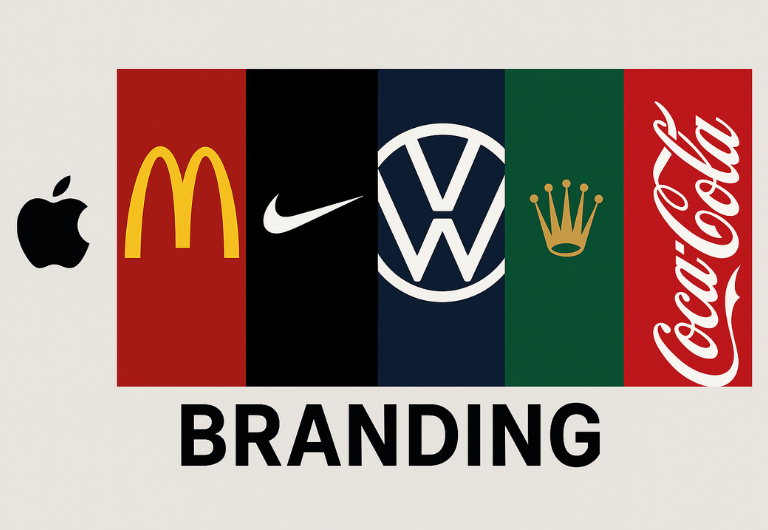
Your brand identity is the face you show to the world—but it’s more than just a pretty logo. It’s the full suite of visual and verbal elements that make your brand recognizable and memorable. Think logos, color palettes, typography, brand voice, and even the writing style you use. According to Nielsen Norman Group, keeping these elements consistent can boost brand recognition by up to 80%. That’s why brands like Coca-Cola or Apple are instantly recognizable—they’ve mastered the art of identity.
But identity runs deeper than visuals. It’s in the way you speak, the tone you use, and the values that shine through your messaging. A thoughtfully designed brand identity isn’t just aesthetic—it’s strategic. It communicates what you stand for, who you serve, and how you want to be remembered. For instance, luxury brands often lean on serif fonts and subdued hues to suggest elegance and exclusivity. Meanwhile, brands geared toward younger, trend-savvy audiences might go bold and vibrant. Every design choice tells a story—and your audience is always listening.
Crafting Your Visual Signature
Think of your visual identity as your brand’s fingerprint—distinctive, consistent, and recognizable at a glance. This includes your logo, typography, color schemes, iconography, and the kind of imagery you use. These design decisions should be closely aligned with your brand personality and crafted to resonate with your target audience. A financial services brand might use cool tones and precise fonts to communicate trust and professionalism. In contrast, a creative agency might choose bold colors and dynamic layouts to show off its innovation and flair.
And here’s something important: visual identity isn’t set in stone. As your business evolves—whether you’re entering new markets, launching new products, or shifting your positioning—your visuals should evolve too. Look at how Airbnb reimagined its visual identity with the “Bélo” symbol to reflect inclusivity and global community. A well-executed visual rebrand can breathe new life into your brand story, while still keeping it rooted in recognition.
Building a Cohesive Brand Voice
Just like people, brands have voices—and they need to sound like themselves no matter where or how they speak. Your brand voice is the personality that comes through in your communication. It should feel authentic, consistent, and aligned with your values. Whether you’re writing a tweet, an email, or a product description, your voice needs to reflect your brand’s character. Playful, polished, bold, empathetic—whatever it is, own it.
A good practice? Create a voice chart that outlines your tone, preferred vocabulary, and examples of how to say (and not say) things. This ensures consistency across teams and channels. For example, Slack’s approachable, witty tone made tech communication feel less sterile and more human. On the flip side, IBM’s formal, informed voice reinforces its credibility and authority. The best brands don’t just use their voice in marketing—they infuse it into customer support, UX writing, internal docs, and beyond.
Defining Brand Personality: Humanizing Your Brand
At the end of the day, people don’t fall in love with features—they connect with personalities. That’s where brand personality comes in. Drawing from Jennifer Aaker’s framework, brands tend to fall into one (or more) of five key personality traits: sincerity, excitement, competence, sophistication, and ruggedness. Think Harley-Davidson with its gritty, adventurous vibe or Tiffany & Co. with its timeless sophistication. These personalities aren’t just vibes—they influence how customers feel every time they interact with your brand.
Great brands feel like people. They’re relatable, memorable, and often become cultural touchpoints. Red Bull embodies thrill-seeking adrenaline; IKEA is friendly, functional, and a little quirky—just like its Scandinavian roots. When your brand personality is clear and aligned with your audience’s values and aspirations, you don’t just sell—you build emotional equity.
Emotional Branding: Creating Deep Connections
We remember how brands make us feel, not just what they say. Emotional branding taps into that truth. It’s about building real connections through storytelling, empathy, and shared values. Brands that succeed here go beyond product—they represent something bigger. Patagonia doesn’t just sell outdoor gear; it invites you into an environmental mission. Dove’s “Real Beauty” campaign wasn’t about soap—it was about self-worth and confidence.
This kind of branding resonates because it meets people on a human level. It reflects their worldview, their struggles, their dreams. It says, “We see you.” And when people feel seen and understood, trust follows. Loyalty deepens. Advocacy grows. That’s the magic of emotional branding done right.
Strategic Brand Positioning: Your Unique Place in the Market
So here’s the million-dollar question: why should someone choose you over everyone else? That’s what brand positioning answers. It’s the process of carving out your unique space in the market—and in your customer’s mind. As branding expert Marty Neumeier puts it, positioning is about owning a single, compelling idea. Volvo owns “safety.” FedEx owns “overnight delivery.” When done well, positioning becomes shorthand for your value.
Effective brand positioning doesn’t happen by accident. It requires deep competitor analysis, customer insight, and clarity about your core differentiators. A great positioning statement is simple, emotionally resonant, and focused on value. Just look at Dollar Shave Club: “A great shave for a few bucks a month.” It’s not just clever—it’s sharp, memorable, and crystal clear on what makes them different.

Why Brand Consistency Drives Trust
Trust doesn’t just happen—it’s something you earn, over time, through consistency. When your brand shows up the same way across every touchpoint—whether it’s your website, social media, packaging, or customer service—it sends a clear message: “You can count on us.” In fact, Lucidpress found that consistent branding can boost revenue by as much as 23%. That’s not a small bump—it’s a signal that consistency isn’t just nice to have; it’s a growth strategy.
But when your messaging, tone, or visuals vary from platform to platform, it creates confusion. As Templafy points out, inconsistent branding doesn’t just disorient customers—it can also cause internal misalignment. Imagine following a brand on Instagram for its playful, cheeky tone, only to land on its website and find stiff, formal language. That disconnect may seem subtle, but it chips away at trust. Over time, those mixed signals can make people question your credibility.
When a brand is consistent, it doesn’t just feel more trustworthy—it actually becomes more valuable. This is what we call brand equity: the emotional and financial value that grows when customers have strong, positive perceptions of your brand. It’s why brands like Nike or Google feel rock-solid. Their visuals, voice, and messaging have stayed true over the years, reinforcing their authority and reliability in a crowded marketplace. And it’s not just about external perception—consistency also empowers your internal teams to collaborate more smoothly and represent the brand with confidence.
Internal Consistency: Aligning Teams and Culture
When your team lives and breathes the brand, everything clicks. That’s where internal brand consistency comes in. It’s about making sure everyone—from leadership to front-line staff—understands and reflects the brand’s core values. This alignment starts with clear brand guidelines, ongoing training, and strong leadership. When your internal culture reflects what you’re saying to the world, you’re not just preaching—you’re practicing. And that authenticity? Customers can feel it. Tools like brand books, onboarding materials, and intranet portals help create a unified voice and vision. When your people believe in the brand, they naturally become its best advocates.
Cross-Channel Consistency: From Web to Packaging
Today’s consumers interact with your brand in a hundred different ways—from scrolling your Instagram feed to holding your product in their hands. That’s why cross-channel consistency matters so much. Your voice, style, and experience should feel seamless whether someone’s using your app, browsing your website, or walking into a store. Starbucks nails this. No matter how you engage—through the mobile app, in the café, or at the drive-thru—the design, tone, and experience feel unmistakably Starbucks. That level of familiarity creates comfort. And comfort breeds trust.
Common Branding Mistakes and How to Avoid Them
Even the most well-intentioned brands can stumble—and some of the most common branding missteps are surprisingly easy to make. One major pitfall? Rebranding too often. It might seem like a fresh start, but frequent changes can leave customers confused and erode the hard-earned trust you’ve built. Visual missteps are another issue—think fonts that are tough to read or color palettes that send the wrong emotional signals. Then there’s the messaging trap: trying to appeal to everyone at once. That kind of watered-down message rarely sticks.
A candid post on r/startups summed it up perfectly: “My startup changed its logo 4 times in 2 years. Customers didn’t take us seriously anymore.”
Stories like this aren’t uncommon. Rapid, unanchored changes create a sense of instability. That’s where brand guidelines come in. They’re not about stifling creativity—they’re about setting smart, strategic boundaries so that every expression of your brand feels coherent. Regular brand audits are equally valuable. They help you catch inconsistencies before they grow into brand confusion or disconnect.
Overcomplicating the Brand Message
Here’s the truth: if people have to work hard to understand what your brand stands for, you’ve already lost them. A clear, focused message cuts through the noise, while complexity only adds friction. Think about the impact of “Just Do It” or “Belong Anywhere.” These taglines are short, but they carry big meaning. They work because they’re simple, not simplistic. It’s easy to over-explain your brand in an effort to impress, but clarity always wins over complexity.
Failing to Adapt While Staying Consistent
Consistency is important—but so is adaptability. Brands that stay stuck in their old ways risk becoming irrelevant. The key is evolution, not reinvention. You’ve got to grow with your audience and the culture around you, all while holding onto your core identity. Kodak’s decline serves as a cautionary tale—it clung to the past while the world went digital. Meanwhile, Netflix transformed from DVD rentals to global streaming powerhouse without losing its brand DNA. Evolution should feel natural, not forced. The best brands stay rooted in their values, even as they shift how those values show up in the world.

How to Build a Brand from Scratch (or Refresh It Right)
Building a brand is more than a design project—it’s a thoughtful, strategic journey. It starts with discovery, where you dig deep into your mission, your vision, and who your audience truly is. Next is persona mapping: who are you speaking to, and what do they care about? From there, you move into value articulation—getting clear on the problems you solve and why it matters.
Only after that foundation is set do you move into the visual side: crafting your visual identity with colors, logos, and typography that bring your message to life. Then it’s time for the rollout—applying your brand across all touchpoints, from your website and social media to your packaging and email marketing. Tools like Canva or Looka make this process more accessible for small businesses, while larger brands often bring in full-service agencies to get it right.
But don’t stop there—testing and iteration are key. Use soft launches, A/B tests, and social listening to gather feedback and fine-tune your approach. Branding isn’t a one-and-done effort; it’s a living, evolving system. That’s why it’s smart to create a living brand document—something that outlines your principles while leaving space for growth.
Step-by-Step Brand Creation Process
- Discovery: Start by looking inward—conduct internal audits, gather input from stakeholders, and analyze your market to uncover your true strengths and values.
- Strategy: Define your brand’s core: mission, vision, values, brand essence, and positioning. This is the foundation that everything else will stand on.
- Design: Bring your brand to life visually. Design a logo system, pick typefaces and color palettes, and develop iconography and image styles that match your tone.
- Execution: Make sure your branding is applied consistently—from your website and social media to physical materials like packaging and print assets.
- Governance: Maintain momentum with brand guidelines, training for team members, and performance metrics. Regular audits will help you stay on course and adapt as needed.
Here’s your final section humanized for warmth, clarity, and relatability—while keeping all the original branding terms and examples intact:
Branding vs. Marketing: Clearing Up the Confusion
If you’ve ever asked yourself, “Wait, aren’t branding and marketing the same thing?”—you’re not alone. It’s one of the most common questions in the business world. But here’s the deal: branding is who you are, and marketing is how you tell people about it. Branding defines your mission, your values, your tone, and your visual identity. Marketing takes those elements and shares them with the world through strategies like SEO, paid ads, social media, and content campaigns.
As HubSpot puts it, branding is the promise you make; marketing is how you keep it. Strip away branding, and your marketing lacks depth. Skip marketing, and your branding never gets the spotlight it deserves. To really resonate with your audience, the two need to work hand in hand.
Take Apple as a case study. Its brand is built around simplicity, innovation, and user-centric design. That’s the core. Then, through bold marketing—like the iconic “Think Different” campaign or meticulously choreographed product launches—it communicates that brand to the world. Branding shapes the strategy; marketing delivers it. And when they’re aligned, the result is a customer experience that feels seamless and convincing.

The Future of Branding: Trends to Watch
Branding isn’t standing still—it’s adapting and evolving in real-time. We’re seeing an exciting shift, where AI and automation are playing a bigger role in how brands are shaped and scaled. From generating logo options to analyzing tone of voice across channels, smart tools are speeding things up without compromising creativity. Hyper-personalization is another growing trend, as people come to expect brand experiences tailored just for them. And let’s not forget brand activism—today’s consumers want brands to stand for something.
A study by MIT Sloan found that 64% of consumers choose brand relationships based on shared values. That’s a powerful reminder that the brands of the future need more than consistency—they need courage, clarity, and heart.
AI and Automation in Brand Development
AI is becoming a powerful co-pilot in branding. Tools like Midjourney, Looka, and Brand Mark make it easier to generate branding assets—think logos, palettes, and layout systems—faster than ever. Automation is also helping brands scale messaging across channels, maintain consistency, and even track sentiment in real-time so they can pivot quickly when needed.
But here’s the key: technology alone isn’t enough. Behind every successful AI-enhanced brand is a strategist who knows how to interpret data, understand nuance, and make ethical calls. Machines can assist, but they can’t replace the human instinct for storytelling, empathy, and cultural relevance. The future of branding belongs to those who can blend smart tools with human creativity.
Purpose-Driven Branding: Leading with Values
Today’s consumers, especially younger ones like Millennials and Gen Z, want more than just a good product—they want a brand they can believe in. Purpose-driven branding isn’t just a trend anymore—it’s a necessity. Brands that take authentic stands on social, environmental, and political issues tend to build stronger emotional bonds. On the flip side, brands that stay silent—or worse, fake it—risk backlash.
Look at Ben & Jerry’s. They don’t just sell ice cream; they stand up for racial justice, climate action, and more. And they’ve been doing it for years, not just when it’s trendy. That’s what real purpose looks like—it’s baked into the business. For brands today, the challenge isn’t just talking the talk, but walking it—consistently and transparently.
Conclusion
Branding isn’t just a design task you check off a to-do list—it’s the heart of your business strategy. When it’s done well, branding sets you apart in a crowded marketplace, builds real trust with your audience, and keeps people coming back—not just for what you offer, but for who you are. From defining your identity and personality to staying consistent and adapting to future trends, branding is a journey of clarity and intention. It’s about deeply knowing your audience, aligning your team around a shared culture, and expressing what makes you truly unique in a way that feels human and memorable.
The most impactful brands aren’t necessarily the ones with the flashiest campaigns—they’re the ones that make a clear, unwavering promise and deliver on it. They form relationships, not just impressions. In a world that moves fast and floods us with information, your brand becomes your anchor—the steady voice that cuts through the chaos and makes people feel something real.
Looking ahead, branding will only grow more personalized, automated, and values-led. But no matter how the tools evolve, the heart of branding stays the same: clarity, consistency, and connection. Whether you’re building something new or refining what already exists, investing in your brand is investing in your future. Because at the end of the day, your brand isn’t just how your business looks—it’s how it lives in the minds and hearts of your customers. So take your time, stay true to your purpose, and build a brand that people don’t just notice—but believe in.
FAQ
1.Is branding more important than marketing?
Branding lays the foundation for all your marketing efforts. It defines your identity, values, and promise to customers. Without strong branding, marketing lacks direction and consistency. So while marketing drives traffic, branding builds trust and loyalty.
2.How do I measure branding success?
Branding success is measured through brand awareness, customer loyalty, and perception. Metrics like Net Promoter Score (NPS), direct traffic, and social mentions offer valuable insight. Consistent customer engagement and recognition indicate strong brand equity. Surveys and feedback also help track emotional connection.
3. Can small businesses afford branding?
Yes, small businesses can build a brand even on a budget. Start with a clear logo, voice, and consistent messaging. Focus on creating memorable customer experiences and storytelling. Strategic branding builds long-term value without needing huge investments.
4.How long does it take to build a brand ?
Building a brand is a long-term process that evolves over time. It can take months to establish and years to strengthen. Consistency, customer feedback, and market trust play key roles. Strong brands are built through ongoing refinement and alignment.
5.What makes a brand memorable?
A memorable brand stands out with clarity, emotion, and consistency. Unique visuals, authentic messaging, and meaningful purpose leave a lasting impression. When people feel connected to your values, they remember you. Memorable brands spark recognition and loyalty.