
How Neuromarketing Shapes Emotional Brand Strategies
Introduction
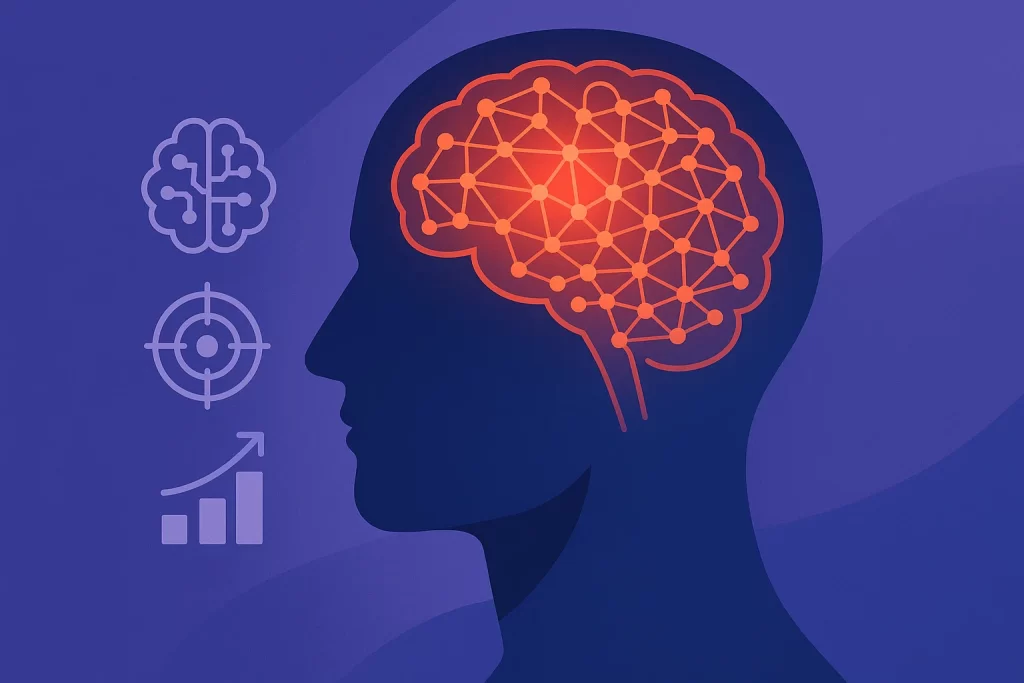
Neuromarketing is a specialized field that blends marketing strategies with insights derived from neuroscience and psychology. Its goal is to understand how consumers’ brains respond to marketing stimuli—such as advertisements, products, and branding efforts—by studying the neurological and psychological processes behind their decisions. By understanding the brain’s reactions, neuromarketing provides a deeper and more scientifically grounded approach to influence consumer behavior. Instead of relying solely on traditional market research, which often asks consumers directly about their preferences and perceptions, neuromarketing seeks to observe and measure subconscious responses. These can be captured using various neuroimaging tools, such as fMRI (functional Magnetic Resonance Imaging), which shows areas of the brain that activate during exposure to stimuli, and EEG (Electroencephalography), which measures electrical activity in the brain. Through these technologies, neuromarketing can give marketers valuable insights into what drives consumer attention, emotional engagement, and ultimately, purchasing decisions. In essence, neuromarketing provides a new level of precision and effectiveness in understanding consumer behavior.
Core Neuromarketing Techniques and Tools

Eye Tracking
Eye tracking technology provides valuable insights into where consumers focus their attention when exposed to advertisements, websites, or product displays. By tracking the movement of the eyes, marketers can determine which elements of a page or ad are most captivating, helping them optimize design and content. For example, when testing an advertisement, eye tracking can reveal if the consumer is focusing on the brand logo, product image, or message. This information is crucial because it allows marketers to ensure that the most important aspects of an advertisement or website—those that contribute to the brand’s message and call to action—are getting the attention they deserve. Eye tracking also helps refine layouts and visual strategies by identifying areas of a webpage that might be overlooked or ignored, allowing brands to make adjustments to increase engagement and conversion rates.
Facial Coding and Emotional Measurement
Facial coding involves analyzing facial expressions to assess emotional reactions to stimuli. This technique allows neuromarketers to understand how consumers feel during interactions with a brand, whether they are viewing an ad, using a product, or navigating a website. Using facial coding, marketers can identify micro-expressions that reflect emotions such as joy, surprise, anger, or confusion. This helps gauge the emotional effectiveness of a campaign. For example, a brand may discover that its advertisement evokes feelings of happiness in consumers, which is typically a positive emotional response, or it may find that certain elements trigger frustration, which could indicate a need for revision. Combining facial coding with other emotional measurement tools—such as EEG or Galvanic Skin Response (GSR)—enables marketers to create a complete emotional profile of how their brand and products are perceived, allowing for more refined and emotionally resonant campaigns.
EEG and fMRI: Brain Activity Monitoring
EEG (Electroencephalography) and fMRI (functional Magnetic Resonance Imaging) are two powerful tools for measuring brain activity in response to marketing stimuli. EEG measures electrical activity in the brain, revealing which regions are active when a person is exposed to certain stimuli. This is particularly useful for understanding the levels of attention and emotional engagement that consumers experience when interacting with an ad or product. On the other hand, fMRI measures blood flow in the brain and can identify which areas of the brain are activated when consumers make decisions or experience emotions related to a brand or product. Both technologies provide neuromarketers with real-time insights into consumer responses, helping them refine their marketing messages to align more closely with consumers’ neural reactions. This ability to measure brain activity allows brands to test and optimize campaigns more effectively, ensuring they connect with consumers on a deeper level.
Implicit Association Tests (IAT)
Implicit Association Tests (IAT) are designed to uncover subconscious associations that consumers may have with different brands, attributes, or concepts. Unlike explicit surveys, where consumers provide conscious responses, IAT measures how quickly individuals associate one concept with another, revealing their implicit attitudes or biases. For example, IAT can show how consumers unconsciously associate a brand with concepts like “quality,” “luxury,” or “trust,” even if they are not explicitly aware of these associations. This technique provides valuable insights for neuromarketers to understand how consumers perceive their brand on a deeper level and adjust marketing efforts accordingly. By identifying and addressing unconscious biases, brands can craft more effective messages that align with how consumers truly feel about their products.
The Role of Artificial Intelligence (AI) and Machine Learning in Neuromarketing
As neuromarketing continues to evolve, the integration of artificial intelligence (AI) and machine learning is becoming increasingly significant. AI and machine learning have the potential to revolutionize the way marketers analyze consumer behavior and design campaigns. These technologies can help brands predict and influence consumer decisions in real-time, creating more personalized and impactful marketing experiences.
Predictive Analytics and Personalized Marketing
One of the most powerful applications of AI in neuromarketing is predictive analytics, which uses historical data to predict future consumer behavior. By analyzing vast amounts of data from multiple sources—such as social media interactions, browsing behavior, and past purchase history—AI can forecast how a particular consumer or group of consumers will respond to a specific marketing message. For example, AI can identify patterns in brain responses from previous consumer data to predict which products are likely to resonate with an individual, ensuring that marketing campaigns are tailored to the specific needs and preferences of the audience.
Additionally, machine learning algorithms can enable hyper-personalization of marketing messages. AI systems can dynamically adjust content, offers, and recommendations based on real-time consumer behavior, improving engagement and conversion rates. For example, an e-commerce website might use machine learning to offer personalized product recommendations based on past browsing behavior, emotional responses to previous ads, and even facial expressions or emotional reactions to the current site’s visuals. The result is a more immersive and relevant shopping experience, which not only increases the likelihood of a purchase but also strengthens the emotional connection between the brand and the consumer.
Real-Time Consumer Feedback and Dynamic Campaigns
AI allows for the collection of real-time consumer feedback, enabling brands to adapt marketing campaigns on the fly. This means that marketers can adjust messaging, imagery, and content based on consumer reactions during an ongoing campaign. Using AI tools like real-time facial recognition and eye tracking, marketers can continuously analyze emotional and attentional responses to ads, adjusting them for maximum effectiveness.
For example, if a video ad isn’t generating the desired level of emotional engagement or attention from the target audience, AI can automatically adjust key elements such as the ad’s visuals, sound, or narrative. This dynamic feedback loop ensures that the brand’s marketing materials remain relevant and engaging, even as they are being delivered. This ability to adapt marketing campaigns in real-time enhances the consumer experience, ensuring that brands are always in tune with their audience’s preferences and emotional states.
Ethical Considerations of AI in Neuromarketing
While AI and machine learning offer immense potential to improve the precision and effectiveness of neuromarketing, they also raise several ethical considerations. The use of AI to predict and influence consumer behavior can lead to concerns about privacy, data security, and manipulation. For instance, predictive analytics powered by AI often relies on vast amounts of personal data, including sensitive behavioral, demographic, and psychographic information. This raises questions about the extent to which consumers should be aware of how their data is being used and whether they have control over the AI-driven decisions that affect their consumer experience.
Furthermore, the use of AI in neuromarketing to make real-time adjustments to campaigns based on emotional responses could lead to the exploitation of vulnerable consumers. AI could be used to trigger specific emotional reactions in consumers, increasing the chances of making a sale but potentially compromising consumer autonomy. It is crucial that brands establish ethical guidelines for AI and neuromarketing, ensuring that AI technologies are used transparently and responsibly to respect consumer privacy and autonomy.
The Future of AI and Neuromarketing
Looking ahead, the integration of AI and neuromarketing will likely become even more seamless and sophisticated. Deep learning algorithms will allow for deeper analysis of consumer behavior, including the processing of more complex datasets like voice tone, facial expressions, and physiological responses. As AI becomes more advanced, it will enable predictive neuromarketing, where brands can anticipate and influence consumer behavior even before the consumer consciously realizes it. However, as AI continues to advance, ethical concerns surrounding data usage, consumer autonomy, and privacy will need to be addressed to ensure that these technologies are used for the benefit of both brands and consumers.
In summary, AI and machine learning are poised to play a transformative role in the future of neuromarketing, enabling brands to create more personalized, effective, and engaging consumer experiences. However, it is essential that the use of AI in neuromarketing is done responsibly, with a focus on transparency, ethical guidelines, and respect for consumer rights.
Case Studies: Successful Neuromarketing Applications
Neuromarketing has been effectively applied by several major brands to create deeper emotional connections with consumers, enhance their experiences, and drive purchasing behavior. These case studies illustrate how brands have successfully used neuromarketing techniques to understand consumer preferences, measure emotional responses, and optimize their marketing strategies. Below are examples of how some well-known brands have used neuromarketing to their advantage.
Coca-Cola
Coca-Cola has long been a leader in emotional branding, tapping into consumer feelings of happiness, nostalgia, and togetherness. The company’s campaigns often revolve around shared moments of joy, and neuromarketing plays a critical role in understanding the emotional impact of these advertisements. In particular, Coca-Cola’s “Share a Coke” campaign is a perfect example of how emotional connections can drive consumer engagement. By personalizing bottles with popular names, Coca-Cola created a feeling of connection between the consumer and the brand, transforming a simple purchase into a more personal experience. Neuromarketing techniques like facial coding and EEG helped the company understand the emotional reactions of consumers to the campaign, ensuring that the personalization aspect triggered positive emotions like happiness and excitement. Coca-Cola’s focus on creating an emotional bond with its audience rather than just selling a product is a key component of its ongoing success. The company’s ability to tap into universal feelings, such as friendship and joy, through neuromarketing techniques has solidified its position as a global brand.
Apple
Apple is another company that has mastered the art of neuromarketing, using consumer neuroscience to create products and experiences that resonate deeply with its audience. Apple’s brand is built on minimalist design, innovative technology, and a sleek, high-end image, all of which are enhanced by a well-executed neuromarketing strategy. One of the key aspects of Apple’s marketing is the creation of an experience that is emotionally engaging for the consumer, not just a product purchase. The design of its retail stores, for example, reflects an understanding of how physical spaces influence consumer behavior. The open floor plan, clean lines, and the ability to interact with products on display all create a sensory experience that builds an emotional connection with the brand. Neuromarketing techniques such as eye tracking and EEG are used in product testing and advertising to ensure that Apple’s designs and messages elicit the intended emotional response—usually feelings of empowerment, innovation, and exclusivity. Through these efforts, Apple doesn’t just sell a product; it sells an experience, and neuromarketing helps ensure that experience aligns perfectly with consumer expectations and desires.
Nike
Nike is known for its ability to motivate and inspire its audience through emotional appeals, and neuromarketing has helped the company refine its marketing messages to better resonate with consumers. The company’s “Just Do It” campaign is a perfect example of how neuromarketing techniques can be applied to inspire action and build brand loyalty. Nike uses emotional storytelling in its advertisements, often featuring athletes overcoming obstacles or pushing themselves to their limits. These ads are designed to tap into the emotional centers of the brain, triggering feelings of motivation, strength, and determination. By understanding the emotional responses that these messages elicit, Nike has been able to create a strong brand association with perseverance and self-improvement. Neuromarketing techniques such as facial coding and emotional measurement through EEG help Nike fine-tune its messaging to ensure that it effectively resonates with consumers. The use of motivational narratives has been shown to activate brain regions associated with positive emotional responses, which not only increases engagement with the ad but also influences purchasing behavior by associating the brand with personal empowerment.
Old Spice
Old Spice is a great example of how neuromarketing can be used to dramatically reposition a brand and make it relevant to a new audience. Historically, Old Spice was seen as an old-fashioned brand, but with the introduction of the “The Man Your Man Could Smell Like” campaign, the brand underwent a significant transformation. The campaign used humor, surprise, and a fast-paced, absurd narrative to appeal to younger consumers, particularly men who might not have previously considered Old Spice as a relevant product. Neuromarketing played a key role in understanding how humor and unexpected elements could create a memorable, shareable experience. The campaign’s success was due in part to the emotional response it triggered, with consumers feeling amusement and surprise at the unexpected, humorous elements. By using neuromarketing tools such as emotional response measurement through EEG and facial coding, Old Spice was able to confirm that the campaign evoked positive emotional reactions. This allowed the brand to fine-tune the ad to maximize engagement and virality, effectively rejuvenating its image and increasing sales among a younger, more dynamic audience.
Starbucks
Starbucks has utilized neuromarketing to turn its coffee shops into more than just places to grab a quick cup of coffee—they have become a destination for consumers seeking an experience. Neuromarketing techniques help Starbucks design its stores, products, and marketing materials to enhance the customer experience and foster emotional connections. For example, the company uses scent marketing by infusing its stores with the smell of freshly brewed coffee to trigger positive emotions and create a welcoming atmosphere. This sensory approach encourages consumers to linger longer in the store, which increases the likelihood of additional purchases. Neuromarketing tools like eye tracking and facial coding have also been used in store design and product packaging to ensure that visual elements draw consumer attention in the right way. By understanding the emotional and unconscious responses of consumers to its store layout, music, product displays, and overall atmosphere, Starbucks has successfully created a brand that feels personal and inviting. The combination of sensory marketing and emotional engagement has helped Starbucks build a loyal customer base, making it not just a coffee brand, but an experience that consumers return to time and time again.
Ethical Considerations in Neuromarketing
Neuromarketing, while powerful and effective in shaping consumer behavior, brings with it a number of ethical concerns that must be carefully considered. The ability to influence consumers’ emotions, decisions, and perceptions at a subconscious level raises important questions about manipulation, privacy, and consumer autonomy. As brands increasingly turn to neuromarketing tools, such as brain imaging, eye tracking, and emotional response measurement, it becomes crucial to establish ethical guidelines that balance the potential benefits of these techniques with respect for consumer rights and well-being. Here, we explore the key ethical issues associated with neuromarketing and how brands can use these techniques responsibly.
1. Manipulation vs. Persuasion
One of the most significant ethical challenges in neuromarketing is the line between manipulation and persuasion. Neuromarketing techniques allow marketers to influence consumer behavior on a deeper, often subconscious level. While persuasion involves guiding consumers toward decisions that align with their interests or needs, manipulation crosses an ethical line by exploiting unconscious vulnerabilities for profit. Manipulation can be seen as unethical if it exploits consumers’ weaknesses or deceives them into making choices they might not otherwise make if they were fully aware of the influence.
For instance, using neuromarketing to create artificial scarcity or excessive urgency may pressure consumers into making purchases out of fear of missing out, even if they don’t need the product. This approach might lead to short-term sales but can harm the brand’s reputation and erode trust over time. Ethical neuromarketing, on the other hand, aims to persuade consumers by enhancing their decision-making process, offering them value, and aligning marketing strategies with their genuine needs and desires. Brands that use neuromarketing ethically ensure they are transparent in their intentions and do not manipulate their audience into making decisions that could lead to regret or dissatisfaction.
2. Data Privacy and Consumer Consent
Another crucial ethical issue in neuromarketing is the collection of biometric data and the associated privacy concerns. Neuromarketing often involves gathering sensitive data, such as eye movements, brain activity, and emotional responses, which can provide deep insights into consumer preferences and behaviors. While these insights can be invaluable for improving marketing strategies, they also raise significant privacy issues. For example, EEG and fMRI technologies can provide highly personal data regarding a consumer’s brain activity, emotional state, and decision-making processes.
Consumers must be made fully aware of the data being collected and how it will be used. Informed consent is essential. Neuromarketing practices should comply with privacy laws, such as the General Data Protection Regulation (GDPR) in the EU, and ensure that consumers have the option to opt-out or withdraw consent at any time. Furthermore, this data should be anonymized and stored securely to prevent misuse. Brands must also be transparent about their data collection methods, ensuring that consumers understand exactly what information is being gathered and how it will influence the marketing they are exposed to. Ethical neuromarketing practices prioritize consumer privacy and consent, giving individuals control over their personal data.
3. Consumer Autonomy and Informed Choice
Neuromarketing’s power to influence consumer behavior raises concerns about consumer autonomy. If neuromarketing techniques are used irresponsibly, they could undermine the ability of consumers to make free, informed choices. For example, if a marketing campaign triggers powerful emotional responses or subconscious biases, it might cause consumers to make decisions based more on emotional influence than on rational thinking. This could potentially lead consumers to make purchases they don’t truly need or want.
An ethical approach to neuromarketing involves ensuring that consumers retain control over their decisions. While it is natural for brands to aim to influence consumer behavior, it is important that these efforts do not interfere with the consumer’s ability to make informed, independent choices. Marketers should provide clear, honest information about their products and marketing messages, allowing consumers to make purchasing decisions based on their true needs, preferences, and values. Neuromarketing should not create an environment where consumers feel tricked or manipulated into buying something they do not fully understand or need.
4. Vulnerable Populations
Neuromarketing techniques may have a more significant impact on vulnerable populations, such as children, the elderly, or individuals with psychological conditions, whose decision-making abilities may be more easily influenced. For example, children are particularly susceptible to emotional appeals in advertising, and their understanding of marketing tactics is often limited. Using neuromarketing to target these groups with ads that exploit their lack of maturity or emotional vulnerability raises significant ethical concerns.
For this reason, brands need to be cautious about the types of neuromarketing strategies they employ when targeting vulnerable populations. Ethical guidelines should be established to ensure that these groups are not exploited or manipulated, particularly when it comes to products like unhealthy foods, gambling, or financial services. Marketers should ensure that any campaigns aimed at vulnerable populations are not only appropriate but also socially responsible and aligned with the well-being of the target audience.
5. Transparency and Accountability
Transparency and accountability are central to the ethical use of neuromarketing. Consumers should be made aware of how neuromarketing is being used to influence their behavior. Brands must be upfront about their use of neuromarketing techniques and ensure that consumers have access to clear information about their products, marketing campaigns, and any data being collected. This transparency helps maintain trust and strengthens the consumer-brand relationship.
Moreover, accountability is crucial for ensuring that neuromarketing practices remain ethical. Brands should be held accountable for any marketing strategies that manipulate or deceive consumers, particularly if they cross ethical boundaries. Independent audits, industry standards, and consumer advocacy groups can play a role in ensuring that neuromarketing practices are used responsibly. Brands that prioritize transparency and accountability demonstrate their commitment to ethical marketing and their respect for consumer rights.
6. Impact on Society and Social Responsibility
Lastly, neuromarketing techniques can have broader social implications. For example, the widespread use of emotional manipulation in marketing could contribute to societal issues such as overconsumption, materialism, or unhealthy lifestyle choices. It is essential for brands to consider the social impact of their marketing practices and ensure that their strategies align with ethical standards and contribute positively to society.
Brands should focus on using neuromarketing techniques to create meaningful, socially responsible campaigns that improve the consumer experience rather than exploit vulnerable emotions or encourage harmful behaviors. Ethical neuromarketing encourages brands to use their influence to promote positive societal values, such as sustainability, diversity, and social justice. It’s important for marketers to strike a balance between driving sales and contributing to the well-being of society as a whole.
The Future of Neuromarketing
Integration of AI and Machine Learning
The future of neuromarketing is closely tied to advances in artificial intelligence (AI) and machine learning. These technologies allow for the real-time analysis of vast amounts of consumer data, enabling brands to quickly adapt their strategies based on consumer preferences and brain responses. AI can predict which marketing strategies will be most effective for different consumer segments, optimizing campaigns before they are launched. This shift to more intelligent and responsive marketing will allow brands to deliver highly personalized and targeted experiences.

Predictive Analytics in Neuromarketing
Predictive analytics is set to play a key role in the future of neuromarketing. By using data from past consumer behavior, neuromarketing technologies can forecast how consumers are likely to respond to future campaigns. This allows brands to fine-tune their strategies, ensuring they meet consumer expectations and drive higher engagement rates. Predictive analytics will also enable brands to anticipate trends and adapt to changes in consumer behavior more quickly, keeping them ahead of the competition.
FAQ
1. Is neuromarketing just a way to manipulate consumers?
This question highlights concerns about the ethical boundaries of neuromarketing practices and whether they cross into manipulation, rather than persuasion.
2. What are some examples of companies successfully using neuromarketing?
Users are interested in real-world case studies that demonstrate the effectiveness of neuromarketing techniques in influencing consumer behavior.
3. How can neuromarketing impact the design of advertisements?
This question looks at how neuromarketing insights can shape the visual and emotional elements of advertisements to better engage viewers.
4. Are there any drawbacks to using neuromarketing in branding?
This question seeks to explore potential downsides, such as consumer backlash, privacy concerns, or the risk of creating over-reliant strategies on emotional triggers.
5. How does neuromarketing apply to consumer psychology?
This question delves into how neuromarketing intersects with psychological theories and how those principles are used in brand strategy and consumer research.
Conclusion
Neuromarketing is revolutionizing the way brands interact with consumers. By using advanced neurotechnologies and insights into consumer psychology, brands can optimize their strategies to create deeper emotional connections and more effective marketing campaigns. However, it is essential that neuromarketing practices remain ethical, transparent, and consumer-focused. Moving forward, the integration of AI and predictive analytics will allow brands to personalize their marketing efforts to an unprecedented degree, further enhancing consumer loyalty and engagement.