
Activating Cultural Memory to Deepen Brand Connection

Introduction
Brand cultural memory activation is the deliberate strategy of connecting a brand to the shared cultural experiences, symbols, and emotions that are embedded in a community’s collective consciousness. In the era of brand sameness — where every product seems interchangeable, and features are easily copied — the ability to resonate emotionally and culturally has emerged as one of the most potent differentiators.
A growing body of research affirms this. According to a 2024 study published in Sustainability, a peer-reviewed journal, brand experience and cultural memory significantly influence brand image, and in turn, brand loyalty. The study, which examined agricultural heritage tourism, revealed that activating cultural memory—especially through visuals and rituals—enhanced emotional engagement and made people more loyal to the brand destination. Similarly, findings in the Asia Pacific Journal of Marketing and Logistics confirm that brand nostalgia has a strong, positive impact on brand attachment, especially when mediated through shared cultural values
But while the benefits are increasingly clear, the methods remain elusive for many. Brand managers and marketers often ask:
- How can we use cultural symbols in branding without being accused of cultural appropriation?
- What makes a story “authentic” in the context of a brand?
- How do you find the right cultural memory to activate for a specific audience?
- Is nostalgia always a good thing — or can it make a brand feel outdated?
These questions underscore the pain points brands face: fear of backlash, difficulty creating resonance, and a tendency to default to either shallow tokenism or inauthentic storytelling. This article aims to answer those questions through both theory and practice.
We’ll explore
- The psychology and sociology of cultural memory.
- The four strategic frameworks brands can use to unlock memory-based marketing.
- Real-world brand case studies — what worked, and what failed.
- Tactical step-by-step methods for activating memory ethically and effectively.
- And finally, how to measure the emotional and business outcomes of cultural memory branding.
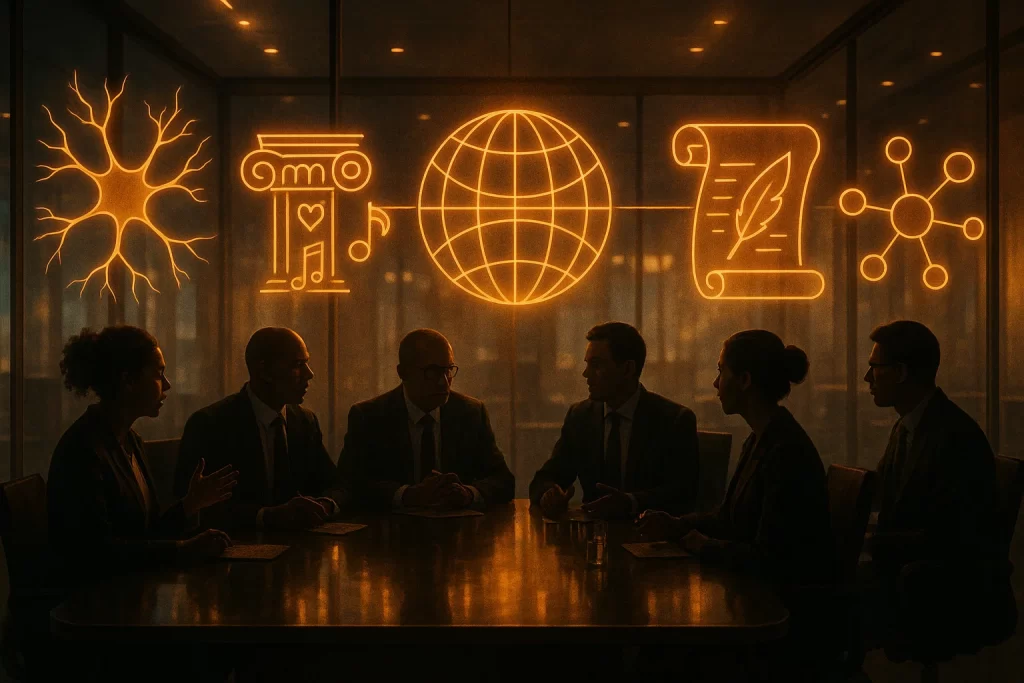
What Is Cultural Memory & Why It Matters for Brands
Brand Cultural Memory
Cultural memory refers to the shared pool of memories, symbols, stories, and emotional associations that a group of people carry — often unconsciously — about their past. These memories are not always historically accurate, but they hold deep emotional truth. They’re transmitted through rituals, language, images, songs, and narratives, often across generations.
Jan Assmann, one of the leading scholars on the subject, defines cultural memory as:
“A form of collective memory preserved through cultural formation and institutional communication. It is always bound to groups, and maintained through symbolic forms like texts, rites, monuments, and practices.”
(Assmann, 1995 – Cultural Memory and Early Civilization)
In the context of branding, cultural memory becomes a powerful tool because it allows a brand to embed itself within the emotional identity of its audience. Instead of being an external message pushed onto people, the brand becomes a familiar echo of something they already value.
Here are examples of cultural memory in action:
- The Coca-Cola Santa Claus wasn’t invented by Coca-Cola, but it amplified and standardized the image of Santa Claus as a red-suited, joyful figure in Western culture. Today, that image is deeply linked to Christmas cultural memory — and Coke.
- Nike’s “You Can’t Stop Us” ad during the pandemic activated cultural resilience, shared struggle, and hope — tying its brand to global collective memory of endurance.
- Indigenous-owned brands like B.Yellowtail activate cultural memory around traditional crafts, patterns, and storytelling — recontextualized through modern fashion — while also serving cultural reclamation.
Why Brands Benefit from Activating Cultural Memory
1. Deeper Emotional Resonance
According to neuroscientist Antonio Damasio, “We are not thinking machines that feel; we are feeling machines that think.” Brands that successfully tap into cultural memory access emotionally charged neural pathways, which influence preference, perception, and decision-making.
By referencing shared stories — from childhood tales to historical moments to family rituals — brands can immediately evoke trust, joy, nostalgia, or even pride. These emotional responses are stickier than facts or features.
“Memory is the residue of thought. Brands that stick are brands that activate emotional and cultural memory.”
– Dr. Carmen Simon, neuroscientist and author of “Impossible to Ignore”
2. Meaningful Differentiation
While many brands focus on innovation, cultural memory offers timelessness. It allows even new or small brands to occupy emotionally significant space in the consumer’s life. Think of:
- A local bakery referencing grandma’s bread recipe.
- A skincare brand rooted in ancestral herbal traditions.
- A sports brand celebrating “old-school grit” rather than high-tech features.
These stories aren’t just marketing — they become identity cues for the consumer.
3. Authenticity Through Alignment
In the age of performative branding, authenticity has become the most scarce brand resource. Cultural memory, when activated with consent, respect, and transparency, allows brands to align themselves with values larger than profit — whether that’s cultural heritage, resistance, or community.
But brands must be cautious: misusing cultural symbols (without understanding or context) can result in backlash, boycotts, and damage. This is particularly true in multicultural or post-colonial contexts where memory is political.
4. Increased Loyalty Through Identity Bonding
Social identity theory suggests people seek alignment with groups that reinforce their self-image. When a brand validates or celebrates someone’s cultural identity — through design, language, rituals — it creates identity congruence.
Example: Spotify’s Ramadan campaign personalized playlists and visuals for Muslim users, respecting the rhythm and emotional depth of the season — not just pushing ads. This small but respectful nod to cultural timing made Muslim audiences feel seen and included.
5. Better Long-Term Retention and Recall
Cultural memory is episodic, not just semantic. That means it’s tied to events, senses, emotions — all of which aid recall.
Smells: A soap brand using a scent tied to cultural rituals (like jasmine during weddings in India) has higher recall than a generic fragrance.
Music: Old jingles or culturally significant songs reinforce both familiarity and nostalgia.
This “multi-sensory memory layering” makes branding efforts more memorable, even years later.
Core Frameworks for Brand Cultural Memory Activation
To move from theory to execution, brands need a strategic approach. Drawing on anthropology, semiotics, memory studies, and brand strategy, we propose four core frameworks that help brands activate cultural memory ethically, creatively, and effectively.

Each framework addresses a different layer of cultural resonance — from the symbolic to the sensory — giving brands multiple ways to connect with audiences on a deeper-than-conscious level.
Framework 1: Symbolic Anchors & Shared Archetypes
Symbols are the DNA of culture — visual, verbal, or behavioral codes that carry dense meaning across time and space. Think of the lotus in Buddhism, the eagle in American nationalism, the raised fist in protest movements.
In branding, symbolic anchors offer a powerful entry point into cultural memory. Used wisely, they immediately evoke emotions and stories without explanation. Used carelessly, they risk appropriation, cliché, or irrelevance.
How Brands Can Use Symbolic Anchors
Audit cultural symbols: What symbols are already resonant within your audience’s culture or subculture? (e.g., patterns, food, rituals, myths, songs)
Find archetypal matches: Use Jungian brand archetypes (e.g., The Hero, The Caregiver, The Rebel) to find thematic resonance between your brand and cultural stories.
Localize meaning: Avoid universalizing symbols. A color or symbol may mean purity in one culture and mourning in another.
“Symbols are not just decorative — they are narrative devices. Every brand symbol should tell a story.”
— Dr. Margaret Mark, co-author of The Hero and the Outlaw
Example
- Patagonia uses mountains not just as a setting, but as a symbolic anchor of challenge, awe, nature’s endurance. These symbols tap into Western ideals of adventure and frontier spirit — but without exploiting indigenous symbolism.
- Chobani’s packaging uses Eastern Mediterranean motifs to subtly reference ancestral food culture without exoticizing it.
Framework 2: Narrative & Storytelling Rooted in Heritage
Storytelling is the most powerful cognitive technology humans have ever invented. And cultural memory is made of stories: creation myths, family tales, historical legends, origin journeys. Brands can tap into this matrix not by inventing new stories, but by joining existing ones — as allies, not heroes.
How Brands Can Use Narrative Frameworks
- Map the shared narrative structure: Identify the “master story” your audience already lives within (e.g., migration, rebuilding, resistance, redemption).
- Embed the brand as a guide or mirror: Brands shouldn’t center themselves. Instead, become a tool for the consumer’s cultural journey.
- Use cultural tension: Every good story needs conflict. Brands can amplify generational change, cultural revival, or loss-and-hope narratives.
“Brands that tell stories rooted in cultural memory don’t just get attention — they become part of people’s identity.”
— Douglas Holt, former Harvard professor and author of How Brands Become Icons
Caution
Avoid “museumification” — treating culture as a dead relic. Your storytelling should revitalize cultural memory, not just preserve it. Include living voices and contemporary reinterpretations.
Case Example
- Ben & Jerry’s “Justice ReMix’d” campaign used storytelling to align with the long American civil rights narrative — not by co-opting, but by partnering with activists and educators.
- Airbnb’s “Belong Anywhere” series spotlighted host stories that activated migration and homeland memories, appealing deeply to diasporic and global audiences.
Framework 3: Sensory & Experiential Triggers
Memory is not just linguistic or visual — it is sensorial. Smells, sounds, tastes, and textures are direct routes to the limbic brain, where emotion and memory live. Brands that use multi-sensory cultural triggers create immersive experiences that can feel deeply personal, even spiritual.
Tactics
- Smell & Taste: Create or revive traditional scents/flavors (e.g., cinnamon, sandalwood, turmeric, jasmine).
- Music & Sound: Use folk melodies, instruments, or rhythms that evoke cultural environments.
- Visual Aesthetics: Fonts, color palettes, and textiles rooted in specific cultural codes.
- Ritual Experience: Event formats that echo cultural ceremonies — tea rituals, coming-of-age transitions, communal feasts.
“We don’t remember days, we remember moments. Sensory triggers help brands create moments.”
— Cesare Garlati, experience strategist
Example
- Lush cosmetics stores use smell as memory activator — herbal, earthy scents that evoke handmade rituals.
- Apple’s “Designed in California” subtly references minimalist mid-century American tech aesthetic — evoking the cultural memory of innovation and frontier optimism.
Framework 4: Co-Creation & Community Activation
Cultural memory isn’t top-down. It lives in people, in community practices, in stories passed from mouth to mouth. Brands that truly succeed in activating memory don’t just broadcast it — they co-create it.
This means
- Involving cultural custodians and community members in the storytelling process.
- Hosting platforms for audience-generated memory-sharing.
- Funding preservation, revival, or reinterpretation of cultural practices (beyond PR).
Co-Creation Ideas
- Memory Walls: Let users share their first memory with the brand.
- Heritage Capsules: Invite communities to preserve traditions via brand-sponsored documentation.
- Cultural Incubators: Support artists, creators, or rituals endangered by modernity.
“If you’re telling someone else’s story, hand them the mic.”
— Reddit comment on r/MarketingEthics
Case Example
- Google Arts & Culture partnered with hundreds of museums worldwide to digitally preserve cultural memory — creating co-owned spaces for memory, rather than branded exhibits.
- Nike’s N7 initiative collaborates with Native American communities to design products and reinvest profits into Indigenous health and education — a model of ethical co-creation.
Case Studies: Brands That Use Collective Memory Strongly
Real-world case studies help us move from abstract strategy to concrete action. The following brands have used collective memory branding, storytelling in cultural branding, and cultural symbolism in branding to create emotional resonance, loyalty, and differentiation. We’ll also include a counter-example — where cultural memory activation backfired.
Case Study 1: Guinness – “Made of More” and Irish Cultural Memory
Guinness is a prime example of a brand that uses cultural storytelling rooted in national memory — and does so consistently across generations. Its iconic black-and-white ads, use of Irish music, and heritage-focused language (e.g., “pint of plain,” “Arthur’s Day”) activate Irish national identity, pride, and resilience.
Breakdown
Symbolic Anchors: The harp (national symbol of Ireland), traditional music, stout glass.
Narrative Memory: Evokes stories of working-class pride, familial bonds, and storytelling in pubs — all central to Irish cultural life.
Tactile Triggers: The creamy pour of Guinness is a ritualized act — a memory experience in itself.
Emotional Hook: Belonging and pride in a shared national identity, especially potent for the Irish diaspora.
“The Guinness ad makes me feel homesick and proud at the same time.” — Reddit user on r/Ireland
Results
Guinness has consistently ranked among the top 3 brands in terms of emotional attachment in both Ireland and UK markets — despite being a traditional product in a modern world.
Case Study 2: Levi’s – Nostalgia & American Dream Memory
Levi’s doesn’t just sell denim — it sells an idea of freedom, rebellion, and the American dream. Through decades, Levi’s ads have leveraged cultural nostalgia, particularly the 1960s–1990s — periods associated with youth, civil rights, and music culture.
Breakdown
Narrative Anchors: “Live in Levi’s” campaign evoked memories of coming of age, first kisses, protest marches, garage bands.
Visual Memory Triggers: Sepia tones, vinyl records, VHS textures evoke multi-sensory nostalgia.
User Stories: Real customer stories used as ads — co-creating brand memory with audience.
Cultural Relevance: Celebrates timeless rebellion and reinvention — core parts of American identity.
“Every time I see a Levi’s ad, it takes me back to when I was 17 and thought I could change the world.” — Redditor, r/nostalgia
Results
- Levi’s “Live in Levi’s” campaign helped reverse a 5-year sales decline.
- Drove 9% sales lift in key youth segments across US and UK.
- Brand is now the most cited “cultural icon” in Gen Z brand surveys (2023).
Case Study 3: Spotify – Personalizing Cultural Rituals Globally
Spotify has become a master of cultural memory micro-targeting. Through data storytelling, it celebrates both global and hyper-local cultural rituals — from Ramadan to K-pop anniversaries, from “Your 90s Summer” to Diwali playlists.
Strategy
Algorithm meets anthropology: Spotify mines listening data to identify cultural rituals and create memory playlists.
Localized Visuals: During Ramadan, Spotify in Indonesia used deep purple tones and calligraphy aesthetics to match local cultural symbols.
Platform as Archive: Users build playlists for weddings, funerals, reunions — creating user-generated cultural memory.
Example
In 2022, Spotify launched “Sounds of Ramadan” in collaboration with Middle Eastern artists, combining traditional instruments with modern beats. The campaign was respectful, nostalgic, and innovative.
Results
- 70% engagement rate increase during cultural campaign periods.
- Became #1 music platform in India, Indonesia, and Brazil after launching culturally adaptive campaigns.
Case Study 4: Dolce & Gabbana – When Cultural Memory Use Goes Wrong
While many brands succeed by tapping cultural memory, others face backlash when they misuse or stereotype it.
In 2018, Dolce & Gabbana launched a campaign in China that showed a Chinese woman eating pizza with chopsticks, narrated by a patronizing voiceover. Meant to be humorous, it was seen as insensitive, reductive, and racist.
What went wrong
- Outsider perspective: The campaign treated Chinese culture as exotic rather than integral.
- Stereotyped symbols: The ad used a pastiche of symbols without meaningful narrative or respect.
- Lack of co-creation: No input from local creators or cultural consultants.
Fallout
- Massive online backlash.
- D&G products removed from Chinese e-commerce sites.
- Sales dropped nearly 20% in Asia-Pacific the following quarter.
“It’s like they saw our culture as a costume.” — Weibo user on the controversy
Steps to Activate Cultural Memory in Your Brand
Activating cultural memory is not a one-off campaign. It’s a strategic and iterative process that combines anthropology, community engagement, design, and branding expertise. Done well, it results in a brand narrative that resonates deeply, transcending trends and features. Done poorly, it risks tokenism, misrepresentation, or irrelevance.
Below are five actionable steps any brand can follow to ethically and effectively embed brand cultural memory activation into their strategy:
Step 1: Audit Cultural Memory Assets Relevant to Your Audience
Begin by understanding what cultural memories already live within your audience. This is about uncovering the emotional DNA — stories, rituals, images, symbols, music, and myths — that shape how they perceive identity, belonging, and legacy.
Key Actions
Conduct Ethnographic Research: Use interviews, community immersion, and participant observation to discover culturally relevant memories. Don’t rely only on surveys — memory is emotional, not always rational.
Mine Online Cultural Memory: Reddit threads, YouTube comments, TikTok videos, and Facebook Groups are treasure troves for emergent cultural memory fragments. Pay attention to stories that keep resurfacing.
Map Generational Memory Differences: Millennials may recall cassette tapes; Gen Z remembers Vine; Boomers associate music with vinyl. Segment your memory map by cohort.
Tools to Use
- Cultural Insight Platforms (e.g., Semiotic AI, Pattern, Canvas8)
- Reddit Mining (use queries like “what do you remember about ___” or “nostalgia for ___”)
- Sentiment Analysis Software to identify emotional peaks in memory narratives
“Before we tell a story, we have to listen to the stories people already tell themselves.” — Cultural branding strategist on r/marketing
Step 2: Map Cultural Touchpoints and Triggers
Once you’ve uncovered emotional memory themes, identify how and where they can manifest across your brand.
Consider
- Which senses activate this memory?
E.g., Smell of jasmine for South Indian weddings; drum rhythms for West African festivals. - What historical periods or collective events are recalled?
E.g., 80s urban rebellion, 90s pop culture, post-war rebuilding. - What symbols represent that memory?
E.g., Traditional textiles, foods, gestures, clothing styles, rituals, architecture.
Create a brand memory map that links
- Memory Theme → Sensory Cue → Brand Expression
Example
If your memory theme is diaspora longing, sensory cues might include:
- Old suitcase sounds (audio branding)
- Postcard textures (packaging)
- Handwritten labels (product design)
Step 3: Co-Create with Cultural Stakeholders
Brands should never extract memory like a resource. Instead, memory activation should be a co-creative act, with those who hold the cultural capital invited to the table as equal partners.
Who to Co-Create With
- Cultural Custodians: Community elders, local historians, oral storytellers
- Contemporary Creators: Artists, chefs, designers who reinterpret culture
- Audience Participants: Invite real users to contribute stories, songs, visuals
Activation Ideas
- Host “memory salons” or story-gathering workshops with communities
- Commission artists to reinterpret memory symbols in modern ways
- Create digital spaces for user-submitted rituals, playlists, or family stories
“Culture is not a costume. Invite the people, not just their symbols.” — Reddit user on r/marketingfailures
This creates memory authenticity and also builds community trust, ensuring your brand becomes a memory partner, not a memory thief.
Step 4: Integrate into Brand Strategy, Story, and Design
Once your cultural memory assets are mapped and validated, begin weaving them into every touchpoint — not just your ad campaign.
Design & Packaging
- Use materials, textures, colors that echo cultural environments
- Refer to ancestral aesthetics while keeping contemporary form
Messaging & Copy
- Use cultural idioms, poetic cadence, or ancestral language forms
- Mirror the emotional arc of remembered stories in your content
Product Experience
- Add ritual moments in unboxing or purchase flow
- Use music, scent, or textures in physical/digital experience
Platforms
- Use hyper-local targeting: Run memory-based micro-campaigns tied to cultural dates or festivals
- Archive your brand’s evolution so it becomes a memory keeper itself (e.g., Levi’s timeline of style)
Step 5: Measure Memory Resonance and Iterate
Memory activation must be tracked, not assumed. Because it operates at an emotional and symbolic level, standard KPIs aren’t enough.
Metrics to Track
Emotional Engagement: Track sentiment shifts using social listening + emotional AI tools
Narrative Echo: Are users referencing your brand in their own stories? (“This reminded me of my grandmother…”)
Memory Shareability: Are people reposting or tagging family/friends saying “this is us”?
Cultural Relevance Index: Are you being included in memory-driven trends?
Tools
- Brandwatch, Talkwalker, NetBase for sentiment + narrative resonance
- Ethnographic follow-up interviews to track longitudinal shifts in perception
- Visual AI for tracking cultural motif usage across Instagram/Pinterest
Risks, Ethical Considerations, and Pitfalls
While brand cultural memory activation can unlock emotional resonance and long-term loyalty, it also carries significant risks. Memory is personal, political, and often contested. When brands activate it without care or cultural competency, the backlash can be swift and severe.
This section addresses the ethical landmines, common missteps, and best practices to ensure your strategy is not just effective — but respectful, accurate, and trusted.
Risk 1: Cultural Appropriation
Perhaps the most common (and most damaging) mistake is treating culture as a commodity, not a community. Appropriation occurs when a brand:
- Uses sacred symbols or rituals out of context
- Imitates or reinterprets without permission or attribution
- Profits off cultural memory without giving back to its originators
“Culture isn’t your costume. It’s someone else’s soul.” — Reddit user on r/marketingfailures
Example
Urban Outfitters faced lawsuits and boycotts for selling Navajo-patterned underwear and flasks — items that were deeply inappropriate given the sacredness of the patterns. Worse, the Navajo Nation had trademarked the term, and the brand used it anyway.
What to Do Instead
- Always consult cultural custodians or local experts
- License or collaborate, don’t extract
- Embed benefit-sharing mechanisms — donations, co-ownership, platforming artists
Risk 2: Stereotyping and Flattening Cultures
Many brands default to flattened, outdated, or oversimplified portrayals of culture — e.g., assuming all Asian branding must use cherry blossoms or dragons.
These portrayals reduce rich, dynamic cultures into visual clichés, perpetuating ignorance and often reinforcing colonial or exoticizing perspectives.
Example
Countless Western ads depict Africa as a monolith: sunset landscapes, tribal dancing, children in need — ignoring urban life, tech innovation, or diverse subcultures.
What to Do Instead
- Reflect cultural complexity and evolution, not static tropes
- Hire insiders as storytellers, not just consultants
- Use contemporary cultural producers — artists, musicians, designers — to avoid dated imagery
Risk 3: Nostalgia Overload or Misplaced Memory
Nostalgia is powerful — but dangerous when brands overuse it or activate the wrong memory.
Too much nostalgia can make a brand seem:
- Outdated
- Resistant to progress
- Blind to current social realities
Worse, activating painful or divisive memories (e.g., war, colonialism, trauma) without care can retraumatize or polarize audiences.
Example
A fast-food chain in the U.S. tried to evoke 1950s nostalgia in a multicultural campaign. But for many viewers, the 1950s also meant segregation and systemic exclusion — creating emotional dissonance rather than connection.
What to Do Instead
- Use “forward nostalgia”: blending comforting past with hopeful future
- Activate shared, joyful, or healing memories, not divisive ones
- Include multiple perspectives in storytelling — not just the dominant narrative
Risk 4: Memory as Marketing Gimmick
Some brands jump on memory activation trends — heritage fonts, retro ads, archive digs — without real connection to culture or audience.
This leads to
- Shallow campaigns
- Consumer cynicism (“They’re just trying to be deep”)
- Viral criticism from younger, media-literate audiences
“It’s like someone found a 90s moodboard on Pinterest and thought that counts as storytelling.” — Comment from r/DesignPorn
What to Do Instead
- Ensure internal cultural alignment — your values, staff, operations must match your message
- Think of memory as relationship work, not just storytelling
- Be transparent about your process, collaborators, and intent
FAQ
1.How do I know if I’m honoring a culture or just borrowing from it?
This question surfaces frequently on forums like Reddit’s r/marketingethics, where users debate the thin line between cultural appreciation and cultural appropriation. A popular comment summed it up well: “You’re not honoring a culture if the only person making money is you.” To truly honor cultural memory, brands must engage with it responsibly. That means involving cultural stakeholders in the creative process, sharing profits or visibility with the communities whose stories or symbols are used, and ensuring context is respected. The litmus test? Ask: Who benefits? Who is represented? Who approved this narrative? Without consent, collaboration, or reciprocity, branding risks becoming exploitative. Ethical cultural storytelling is built on dialogue, not extraction.
2. What’s the best way to include cultural memory in a startup with no history?
New brands often worry they lack the legacy to engage with memory-based branding. But as one Reddit user on r/BrandIdentity shared: “We didn’t invent the memories, we just helped people re-feel them.” Startups can tap into shared rituals and generational experiences — think Y2K nostalgia, local slang, or cultural coming-of-age stories — to build emotional resonance. It’s less about having brand history and more about becoming a mirror for your audience’s memory. Even without heritage, a brand can foster familiarity through the language, textures, and visuals of collective memory.
3. Isn’t nostalgia risky? Doesn’t it make a brand feel dated?
Nostalgia, when overused, can indeed make a brand feel stuck in the past. But smart brands use it as a bridge to modernity. On r/nostalgia, one Redditor described a vintage cereal ad reboot as “hitting me right in the childhood, but with 2020s polish.” This balance is key. Brands like Spotify and Levi’s activate emotional memory while wrapping it in contemporary design and UX. The goal isn’t to recreate the past — it’s to reinterpret it in ways that feel comforting yet fresh. Use nostalgia as a starting point, not the final destination.
4. How can I measure if my cultural branding is working?
Success in cultural memory branding isn’t just about clicks or conversions — it’s about emotional resonance. Metrics like sentiment analysis, narrative echo, and user-generated storytelling provide a clearer picture. If people are saying things like “This reminds me of my grandmother,” or resharing your campaign with captions like “This is us,” you’re creating memory touchpoints. On Reddit, comments often surface on nostalgia threads where users organically reference brands that bring back forgotten moments. These memory reactions — not just impressions — are the true KPIs of brand resonance.
5. What if my audience has multiple cultures and memories?
It’s common to wonder how to activate cultural memory across multicultural audiences. The key is not to homogenize, but to segment with depth and respect. As a brand manager shared on r/AdvertisingOps: “We ran a ‘Home Memories’ campaign during Eid and Diwali. Two markets. Two stories. One human emotion: belonging.” Micro-campaigns for specific cultural moments, platform personalization (like Spotify’s regional playlists), and community co-creation are powerful tools. You don’t have to speak to everyone at once — just speak authentically to someone. Segmented storytelling, when done right, can become universal.
Conclusion
In a world where attention spans shrink and products are easily copied, the most powerful way for a brand to stand out is to stand inside memory. Cultural memory activation isn’t a trend — it’s a strategic imperative rooted in how humans form identity, meaning, and trust.
When a brand aligns itself with ancestral narratives, shared rituals, and emotional symbols, it stops being a product — it becomes a cultural companion. But this strategy requires more than design tweaks or nostalgic callbacks. It demands ethical co-creation, deep listening, and a willingness to cede the spotlight to the communities whose memory you wish to amplify.
The brands that succeed are those who treat memory not as a marketing gimmick but as a form of respect — honoring the past, engaging the present, and helping shape the stories future generations will tell.
So whether you’re a legacy brand trying to reclaim emotional relevance or a startup seeking to root itself in meaning, ask yourself:
- What memory do we want to live in?
- Who remembers us?
- And how can we remember with them — not just for them?
Because in the end, branding is memory work. And cultural memory is the most enduring brand equity you can build.