
Inventory Optimization & Replenishment
AI Services > Pricing, Forecasting & Inventory > Inventory Optimization & Replenishment
Inventory Optimization & Replenishment
Optimize inventory levels across your network. Balance stock, prevent stockouts, and automate replenishment using real-time demand and intelligent supply chain insights
Balanced Inventory Levels
Avoid overstock and stockouts with AI that tunes inventory by product, location, and lead time
Automated Replenishment
Trigger smart reorder points and restocks automatically using real-time inventory and forecast data
Network-Wide Optimization
Unify stock planning across stores, warehouses, and vendors in one real-time replenishment system
Why Choose Us
Inventory That Moves Right
We help you carry just enough inventory—never too much, never too little. Replenish with precision, automate actions, and make every SKU and shelf count
“ We slashed holding costs and improved fill rates within months. Octopus gave us the stock control we were missing”
Carlos Lee
― Supply Chain Manager
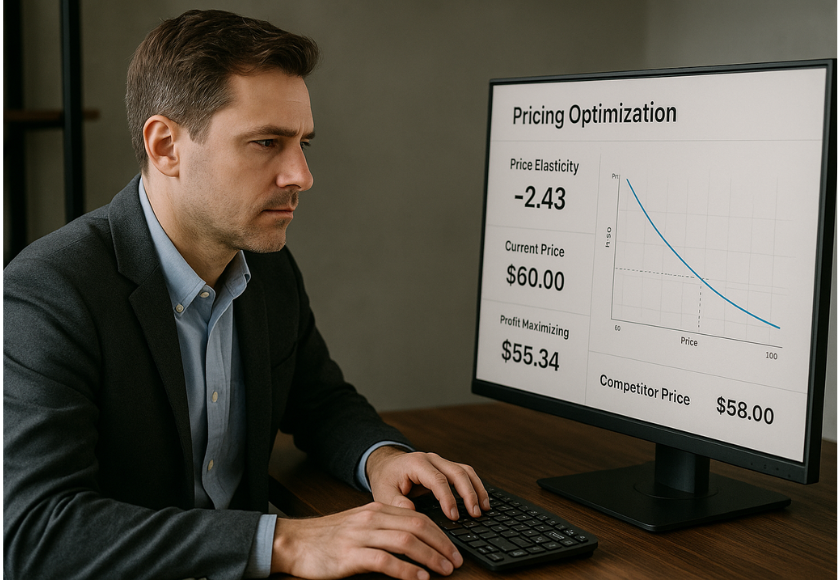
AI-Powered Inventory Optimizer
Optimize stock by product, region, and sales velocity. Reduce excess and unlock working capital while ensuring customer-ready availability—right when and where it matters
- Dynamic stock targets
- Turn rate tuning
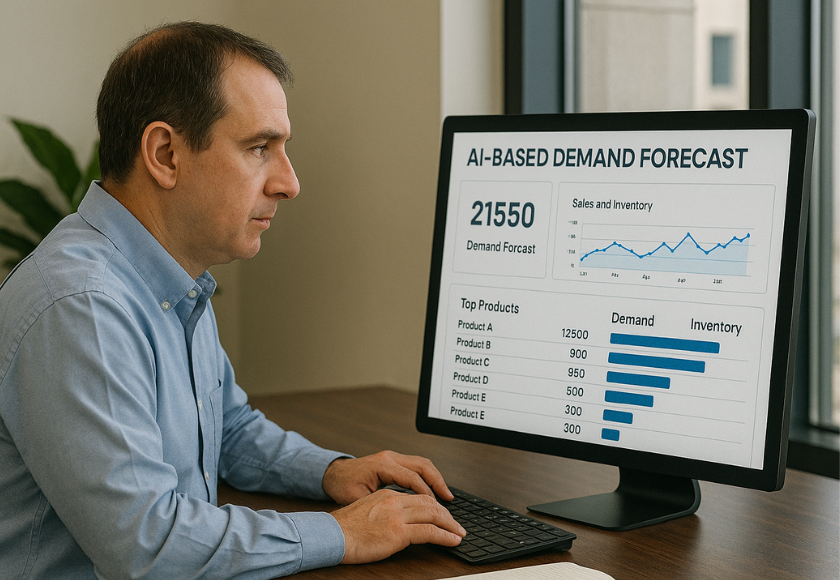
Smart Replenishment Engine
Automate restocking with AI-driven reorder points, safety stock buffers, and supplier sync. Replenish just in time to maximize shelf life and minimize waste
- Auto PO triggers
- Lead time aware
Our Services
Real-Time Inventory & Replenishment Intelligence
Explore our tools for optimizing inventory flow and automating replenishment—built for fast-moving, multi-location retail, distribution, and supply chain networks

SKU-Level Stock Optimization
Optimize stock targets by product, location, demand, and shelf velocity
Dynamic Reorder Point Logic
Auto-adjust reorder levels based on forecast volatility and lead time variability
Multi-Node Inventory Balancing
Redistribute stock across stores, DCs, or zones for optimal availability and efficiency

Safety Stock Recommendations
Set dynamic safety stock based on service level targets and supplier performance
Auto Purchase Order Triggers
Generate supplier orders automatically when reorder logic hits thresholds

Vendor Lead Time Calibration
Adjust replenishment plans using real-world vendor lead time tracking and trends
Inventory Optimization & Replenishment
Inventory is your largest cost—and your biggest opportunity. Hold too much, and you tie up capital in unsold stock. Hold too little, and you lose sales to stockouts. The real challenge? Achieving balance in a dynamic, multi-location supply chain. That’s where Octopus steps in.
We build intelligent inventory systems that optimize stock by SKU, location, and demand profile. Our AI-driven replenishment engine doesn’t just suggest when to restock—it ensures you do so with precision, speed, and cost-efficiency. Whether you’re running warehouses, stores, or hybrid networks, Octopus turns inventory from a risk into a strategic advantage.
Why Traditional Inventory Planning Falls Short
Most inventory planning systems are static. They rely on outdated forecasts, rigid safety stock formulas, and manual reorder rules. These systems fail to adapt to:
- Demand volatility
- Seasonal spikes
- Vendor delays
- Promotional impacts
- Multi-location complexity
The result? Overstock in some places. Stockouts in others. And no clear view of what’s working.
Octopus solves this with real-time, AI-powered optimization that continuously recalibrates your inventory strategy.
AI Inventory Optimization Engine
Our platform continuously analyzes inventory levels across your entire network. It uses:
- Sales velocity by SKU and location
- Demand forecasts and seasonality patterns
- Replenishment lead times and vendor performance
- Holding costs and service level targets
With this data, we calculate:
- Optimal stock levels per SKU per location
- Dynamic reorder points
- Safety stock thresholds
- Transfer suggestions between locations
You’ll carry the right inventory—not just more inventory.
Smart Replenishment Triggers & Automation
Our replenishment engine translates insights into action. When stock hits a threshold, it triggers:
- Auto-generated purchase orders
- Internal transfers from surplus locations
- Vendor alerts for advance planning
You control which actions are automated, which require approval, and which get escalated. The result is a leaner supply chain with fewer gaps and less guesswork.
Multi-Node, Multi-Channel Inventory Sync
Inventory planning often breaks down across nodes. Stores don’t talk to DCs. Online channels aren’t synced with in-store availability. Octopus creates a unified inventory layer that includes:
- Real-time views across all stock locations
- Shared inventory pools for omnichannel selling
- Smart allocation across locations based on demand forecasts
We break down silos, helping you operate as one intelligent network.
Vendor-Aware & Lead Time Calibrated
No two vendors are the same. Our system tracks supplier performance over time and adjusts reorder plans to reflect:
- Historical lead time variance
- On-time fulfillment rates
- Minimum order quantities
- In-transit lag patterns
We flag risky suppliers early and help you buffer accordingly—without bloating inventory across the board.
Shelf Availability and Service Level Guardrails
Availability drives revenue. We monitor shelf status and stock depth continuously. Our models:
- Predict stockouts before they happen
- Recommend safety stock based on service level targets
- Prioritize replenishment for high-margin or fast movers
This ensures your best sellers are always available—and your customers never walk away empty-handed.
Perishables and Expiry-Sensitive Optimization
For food, pharma, and other dated goods, we implement:
- Shorter replenishment cycles
- Batch and lot tracking
- Expiry-aware ordering and transfer rules
- Automated clearance or markdown recommendations
We balance freshness with availability—minimizing both waste and risk.
Overstock Detection and Recovery Routing
When inventory does build up, our platform helps you act fast. We:
- Flag slow-moving or overstocked items
- Identify high-demand stores for reallocation
- Recommend bundled or clearance strategies
- Prevent reorders for low-velocity SKUs
The goal: reduce aging stock and recover value without compromising future availability.
Forecast-Driven Inventory Planning
Inventory decisions are only as good as the forecast behind them. Octopus integrates:
- Real-time demand forecasts
- Campaign uplift models
- Store-level sales patterns
Replenishment plans reflect projected reality—not just past behavior.
Inventory Flow Simulation & What-If Modeling
Curious how a major promo, supply disruption, or new product launch will affect inventory? Our simulator lets you:
- Test what-if scenarios
- Preview inventory flow over time
- Evaluate safety stock impacts
- Assess operational readiness
Planners can visualize risk and plan proactively—before making a move.
Centralized Control with Local Flexibility
Octopus supports global planning with local execution. HQ teams set rules and thresholds. Store and warehouse managers get:
- Local replenishment suggestions
- Override tools with guardrails
- Real-time performance feedback
Everyone stays aligned—but decisions stay agile.
Visibility, Alerts & Dashboards
Our dashboards give you full command of your inventory:
- On-hand, in-transit, and reserved stock views
- Stock aging and turn rate indicators
- Stockout and overstock heatmaps
- Replenishment backlog and execution rate
You can filter by product, region, vendor, or urgency—and act instantly.
Why Octopus for Inventory Optimization?
Because we help you think beyond stock counts. Octopus turns your inventory into a smart, self-adjusting system that responds to demand, reacts to risk, and rebalances dynamically.
We don’t just track inventory—we optimize it. We don’t just reorder—we anticipate. We don’t just provide data—we provide clarity.
With Octopus, you:
- Increase availability with less inventory
- Reduce holding costs and markdowns
- Automate replenishment with confidence
- Align stock flow with business goals
Inventory isn’t just a function—it’s a differentiator. Let’s make yours intelligent.
Inventory Optimization & Replenishment: Balancing Availability and Efficiency
The Problem: Overstocking, Stockouts & Manual Replenishment
Inventory sits at the heart of retail, wholesale, and manufacturing operations, but many companies still manage it with manual rules or outdated spreadsheets. This creates several recurring challenges:
- Stockouts → customers face empty shelves or “out of stock” notices, leading to lost sales and churn.
- Overstocking → slow-moving SKUs pile up, locking working capital and increasing storage costs.
- Inefficient replenishment cycles → fixed-order schedules ignore real demand fluctuations.
- Siloed systems → disconnected procurement, warehouse, and sales data result in poor visibility.
The result is wasted capital, lower margins, and inconsistent customer experiences.
The Solution: AI-Driven Inventory Optimization & Automated Replenishment
Modern supply chains use AI and predictive analytics to continuously balance inventory across SKUs, stores, and warehouses.
Key capabilities include:
- Smart inventory policies → dynamically set safety stock and reorder points based on demand variability.
- Automated replenishment → trigger purchase orders or inter-store transfers when stock dips below thresholds.
- Demand-driven planning → align replenishment with sales velocity, promotions, and seasonality.
- Multi-echelon optimization → balance stock across central warehouses, regional hubs, and stores.
- Supplier integration → connect forecasts to supplier lead times for smoother procurement cycles.
- Scenario modeling → simulate the impact of promotions, price changes, or supply disruptions on stock.
Instead of firefighting shortages or excess, businesses gain real-time visibility and automated control.
The Impact: Leaner, More Profitable Supply Chains
Organizations implementing inventory optimization and replenishment typically see:
- 15–30% lower excess inventory, releasing tied-up working capital.
- 20–40% reduction in stockouts, driving higher customer satisfaction and retention.
- 10–20% improvement in forecast accuracy, aligning supply with actual demand.
- Shorter replenishment cycles, cutting lead times and improving responsiveness.
- Higher profitability, with fewer markdowns and more consistent product availability.
For retailers, distributors, and manufacturers, optimized inventory and replenishment turn supply chains into agile growth enablers, instead of cost-heavy liabilities.
Conclusion: Right Inventory, Right Time
Inventory optimization is more than counting SKUs—it’s about orchestrating movement, timing, and precision across your entire supply chain. Octopus empowers you to manage stock like a strategist: lean, responsive, and aligned to demand.
With AI-powered replenishment and real-time intelligence, your teams can avoid guesswork, reduce waste, and stay ahead of customer needs. Inventory becomes a growth enabler—not a constraint.
Let’s make your inventory work smarter, every day, at every location.
Let's get started
Be part of the future
Outpace your rivals with Octopus Marketing Agency – be the brand that leads, not follows

Ask Us Anything We’re Ready To Help
Looking for answers? Browse our quick FAQs. Need more details? Explore our comprehensive guide
01. Does AI actually work for small businesses, or is it just for large corporations like Walmart?
While large companies like Walmart and Amazon have extensive, custom-built AI systems, many smaller businesses find success with affordable AI-powered inventory tools. Products are available that help with forecasting and planning for businesses that have “outgrown a spreadsheet but don’t quite need a full-on ERP yet”.
02. What are the biggest challenges when implementing AI inventory systems?
Poor data quality: Many companies lack the clean, structured data necessary to train and operate AI models effectively.
Legacy systems: Getting buy-in for new technology is difficult when a company is heavily invested in its existing legacy systems and manual processes.
The “black box” problem: Some leaders are hesitant to trust a system if they can’t fully explain how the AI arrived at its decisions.
High upfront costs: The cost of implementing advanced AI, including the expense of replacing existing infrastructure and training staff, can be prohibitive.
Supply chain disruptions: AI is trained on past performance. While sophisticated models can account for some variability, unpredictable events like strikes or natural disasters can still throw off forecasts.
03. Are AI inventory systems fully automated?
Not usually. While AI automates much of the process, human oversight remains critical. A common setup involves AI handling about 90% of the work, with humans making final adjustments based on current marketing campaigns, promotions, or other unique factors.
04.What do you need before implementing AI-driven inventory optimization?
High-quality data: The system’s effectiveness depends on the quality of the data. Ensure sales history, supplier lead times, and other data are accurate and well-organized.
An established tech stack: Combining existing tools like QuickBooks with more advanced inventory planning software is successful for many smaller businesses, rather than immediately implementing a full ERP system.
05. What improvements can you realistically expect?
- Improved forecasting accuracy.
- More effective stock control.
- Reduced shrinkage (loss due to damage or theft).
- Less time spent by buyers on routine ordering tasks.