
Dynamic Pricing for Retail & Wholesale
AI Services > Pricing, Forecasting & Inventory > Dynamic Pricing for Retail & Wholesale
Dynamic Pricing for Retail & Wholesale
Maximize revenue and stay competitive with AI-driven dynamic pricing for retail and wholesale. Adapt to demand, market changes, and margins in real time
Real-Time Price Adjustments
React instantly to demand, inventory, and competitor pricing shifts using AI-backed pricing logic
Margin-Driven Strategy
Set rules and thresholds to protect margins and pricing integrity while automating your pricing flows
Retail & B2B Smart Pricing
From store tags to volume contracts, we adapt dynamic pricing models across retail and wholesale contexts
Why Choose Us
Price Smart, Win Markets
We help you implement dynamic pricing that responds to market signals, customer behavior, and margin goals—without losing control or brand value
“ Octopus helped us move from static pricing to real-time dynamic strategy—and profits followed fast. It just works”
Michael DuPont
― Head of Revenue
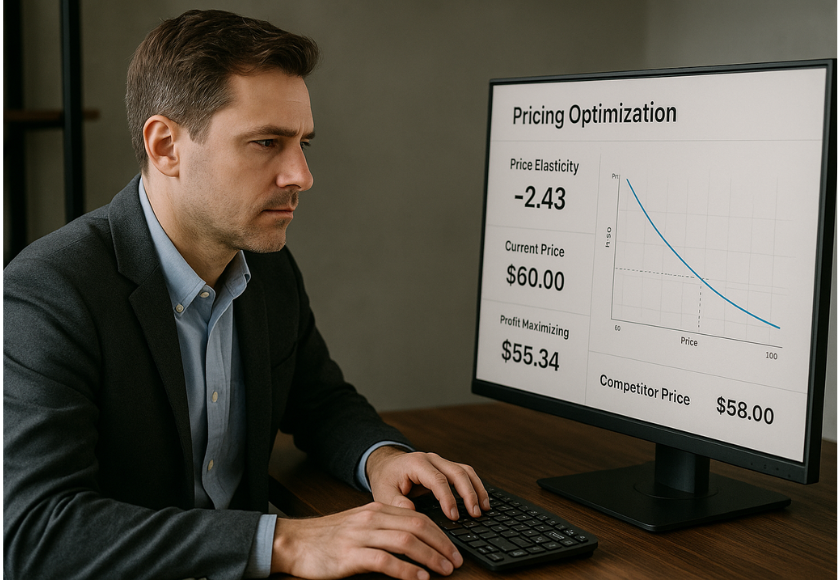
AI Dynamic Pricing Engine
Train pricing models to adjust rates based on demand, competitor pricing, time, and inventory. Push price changes across e-comm, POS, and wholesale portals in real time
- Elasticity-aware pricing
- Rule-based overrides
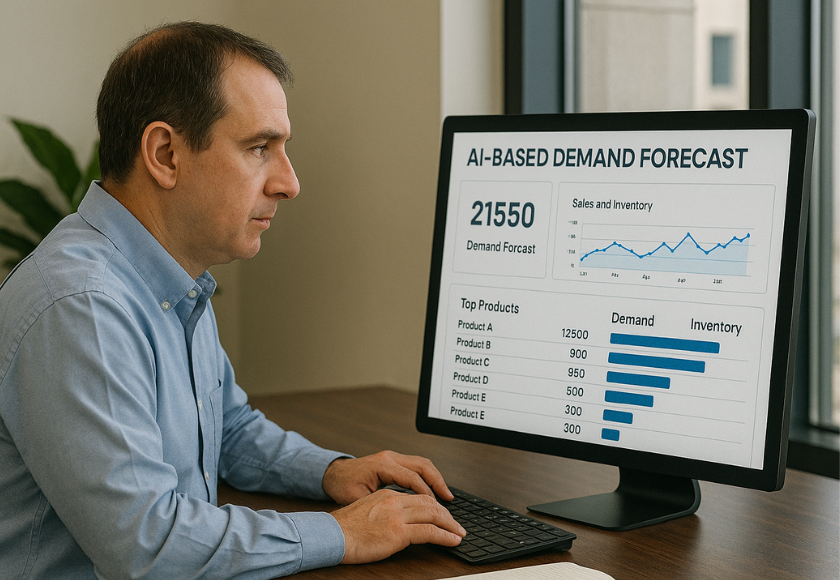
Price Rule & Approval System
Set pricing rules, discount limits, and markup thresholds by category or channel. Maintain governance while scaling automated price changes across product groups
- Role-based controls
- Rule version history
Our Services
AI-Powered Dynamic Pricing Solutions
Explore our full-service dynamic pricing toolkit—built for retailers, distributors, and marketplaces needing real-time price agility and revenue maximization

Real-Time Price Adjustments
Update prices across platforms instantly in response to demand, competition, or cost changes

Price Elasticity Modeling
Predict how price changes impact volume and optimize accordingly using AI demand curves

Channel-Specific Pricing
Set and manage different price strategies across in-store, online, wholesale, and B2B portals

Geo-Based Price Variants
Adjust pricing by region or location to reflect market-specific cost and competition
Rule-Based Pricing Engine
Control how and when prices change with if-then logic and threshold configurations

Promotional Pricing Sync
Automate promotional rollouts and markdown reversals with scheduled logic and campaign calendars
Dynamic Pricing for Retail & Wholesale
Price is no longer a fixed number. It’s a signal, a lever, and a competitive tool. In fast-moving retail and evolving B2B environments, static pricing models are too slow to respond to demand shifts, competitor moves, and margin pressures. At Octopus, we deliver dynamic pricing systems that empower retailers and wholesalers to act in real time—without sacrificing control or profitability.
Our AI-powered dynamic pricing platform enables brands to set intelligent rules, adjust prices across channels, and test strategies continuously. Whether you’re managing a physical store chain, a wholesale network, or a global marketplace presence, our system adapts to your structure, products, and pricing philosophy.
Why Dynamic Pricing Matters Now
Dynamic pricing is about more than just chasing competitors or boosting margins. It’s about:
- Responding to real-time demand signals
- Aligning pricing with stock availability
- Matching price to customer willingness to pay
- Protecting margins while staying competitive
- Differentiating across channels, customers, and geographies
Our clients see results like increased sell-through, reduced stock aging, improved promotional ROI, and higher revenue per SKU. All by letting pricing become responsive and intelligent.
AI-Driven Pricing Engine Built for Speed
At the heart of our solution is an AI-powered engine that ingests multiple data sources:
- Historical and real-time sales data
- Demand forecasts
- Competitor price scraping
- Inventory levels and stock risk
- Cost of goods and margin goals
- External signals (events, seasonality, weather)
Our models continuously learn how price changes impact sales and margin across different contexts. The system then recommends optimal price points for each SKU, store, or customer group based on:
- Demand elasticity
- Promotion timing
- Inventory risk
- Competitive positioning
You can automate price changes fully, set approvals for sensitive categories, or run price tests in sandbox mode.
Rule-Based Pricing Governance
Dynamic doesn’t mean chaotic. We embed robust rule engines that ensure control, transparency, and compliance.
You can:
- Set floor and ceiling prices by category or SKU
- Define margin protection rules
- Schedule pricing changes based on time, date, or event
- Create exceptions for specific customer tiers or contracts
- Require manager approval for high-impact changes
Rules can be layered by region, channel, role, or product group. Every change is logged and auditable.
Channel-Specific Price Strategy
Retail and wholesale don’t work the same. Our system allows for channel-aware pricing strategies:
- Online marketplace pricing driven by competition and conversion rates
- In-store pricing adapted for local competition and customer behavior
- Wholesale pricing tiers based on volume, contracts, or negotiated terms
This ensures your pricing reflects not just what you sell—but who you’re selling to and where.
Competitor Price Intelligence
Our platform integrates competitive pricing feeds and web scraping tools to track rival prices in real time. Alerts notify you when:
- Competitors undercut by a certain margin
- Key SKUs show pricing volatility
- Rivals launch aggressive promotions
You can respond instantly—or pre-emptively—based on business rules or AI triggers.
Elasticity Modeling and Price Testing
Not every product responds to price changes the same way. Our elasticity models predict how a price change will impact volume, margin, and revenue for each SKU.
This helps you:
- Avoid margin-killing markdowns
- Identify high-sensitivity categories
- Test price changes in isolated regions or groups
- Optimize promotional pricing for maximum lift
Our system supports A/B pricing, time-based price windows, and automated reversion based on thresholds.
Geo-Based & Time-Based Pricing Variants
Customer behavior varies by region, and pricing should too. We allow:
- Location-specific pricing
- Time-of-day or day-of-week price variants
- Seasonal pricing adjustments
- Surge pricing during demand spikes
Whether you’re launching a weekend sale or adjusting prices in high-traffic zones, our platform manages it all in one place.
B2B & Wholesale Tiered Pricing
For wholesale and distribution businesses, we support volume-based, contract-driven pricing strategies. Set:
- Tiered discount levels by unit volume
- Customer-specific pricing agreements
- Bundled product pricing
- Rebate or loyalty-linked pricing logic
Sales teams can view and negotiate within pre-approved pricing bands via mobile apps or portals.
Multi-Platform Sync: POS, E-Comm & ERP
Dynamic pricing only works if it syncs everywhere. Our platform integrates with:
- POS systems for in-store pricing
- E-commerce platforms (Shopify, Magento, etc.)
- Marketplaces (Amazon, Noon, etc.)
- ERP systems for cost, inventory, and margin data
We ensure pricing changes are pushed live instantly, minimizing lag and pricing mismatches.
Approval Workflows & Compliance Logs
Not all prices can change freely. Our system includes built-in approval workflows:
- Notify managers of high-value or risky changes
- Require finance signoff for margin-impacting shifts
- Log every change by user, time, rule, and rationale
This ensures full transparency and accountability—even in large, decentralized pricing teams.
Real-Time Dashboards & Impact Tracking
Every pricing decision should be measurable. Our dashboards show:
- Revenue, margin, and volume impact from each change
- Performance of pricing rules and models
- Promotional ROI
- Top-performing dynamic SKUs
- Price change frequency and duration
These insights help refine strategy, coach pricing teams, and prove value to leadership.
Mobile Access for Field Pricing Teams
For retail and wholesale teams on the move, we offer mobile access to pricing tools. Sales reps, category managers, and pricing leads can:
- Review recommended changes
- Approve or adjust prices
- See real-time competitor data
- Sync updates with central systems
This creates an agile pricing culture—without losing control.
Why Octopus for Dynamic Pricing?
Because we combine AI intelligence with practical control. Octopus empowers your teams to move faster, act smarter, and price more profitably across every channel. We don’t just optimize numbers—we help you build a dynamic pricing culture.
With Octopus, you:
- Gain pricing agility without losing governance
- Drive margins up, not just sales
- Align pricing with market realities
- Serve every customer segment with confidence
Dynamic pricing isn’t risky—it’s required. Let’s make your pricing work harder for your growth.
Dynamic Pricing (Retail & Wholesale): Maximizing Margins While Staying Competitive
The Problem: Static Prices in a Dynamic Market
Retailers and wholesalers often set prices manually or update them on fixed schedules. In fast-moving markets, this creates several challenges:
- Missed opportunities → prices don’t adjust quickly to demand spikes, competitor changes, or seasonal trends.
- Margin erosion → excessive discounting to clear inventory without considering real demand signals.
- Customer churn → inconsistent or uncompetitive pricing compared to online marketplaces.
- Complex product catalogs → thousands of SKUs make manual updates impractical.
For sectors like fashion, consumer goods, electronics, and wholesale distribution, static pricing leads to lost revenue, poor sell-through, and reduced competitiveness.
The Solution: AI-Driven Dynamic Pricing Engines
Dynamic pricing systems use AI and real-time data to continuously optimize prices across channels—balancing competitiveness, demand, and profitability.
Key capabilities include:
- Real-time competitor monitoring → adjusting prices based on rivals’ moves across online and offline channels.
- Demand-based pricing → raising or lowering prices depending on sales velocity, seasonality, or time of day.
- Customer segmentation → personalized offers for retail shoppers (e.g., loyalty discounts) and negotiated pricing tiers for wholesale buyers.
- Inventory-aware pricing → markdowns for slow movers, margin protection for high-demand items.
- Omnichannel synchronization → ensuring consistency across e-commerce, retail stores, and wholesale catalogs.
- Rule-based safeguards → minimum margin thresholds and compliance checks to prevent “race-to-the-bottom” pricing.
This transforms pricing from a static process into a living strategy that adapts to the market.
The Impact: Smarter Pricing, Stronger Results
Organizations adopting dynamic pricing typically achieve:
- 5–15% revenue uplift, as prices adjust in real time to capture demand.
- 10–20% margin improvement, from optimized discounts and price floors.
- Faster inventory turnover, reducing stockouts and overstocks.
- Improved competitiveness, with pricing aligned to market shifts.
- Better customer perception, as pricing feels fair, consistent, and personalized.
For both retailers (where speed and personalization drive loyalty) and wholesalers (where volume, margins, and relationships matter), dynamic pricing ensures every transaction is optimized for profit and competitiveness
Conclusion: Stay Competitive, Price Intelligently
In today’s fast-moving markets, pricing must evolve from fixed to fluid. Octopus helps you master this shift with AI-powered dynamic pricing that adapts in real time—across products, channels, and customer types. You gain the flexibility to respond, the control to protect margins, and the intelligence to outpace your competition.
From store shelves to wholesale contracts, we build pricing systems that think, learn, and deliver results. Let’s move your pricing from static to strategic—faster, smarter, and built for scale
Let's get started
Be part of the future
Outpace your rivals with Octopus Marketing Agency – be the brand that leads, not follows

Ask Us Anything We’re Ready To Help
Looking for answers? Browse our quick FAQs. Need more details? Explore our comprehensive guide
01. How can a retailer introduce dynamic pricing without alienating loyal customers who might notice price fluctuations?
Reddit users suggest alternative strategies to avoid direct “surge pricing” that can feel punitive. Instead of simply raising prices during peak demand, a better approach is to use the AI for targeted promotions or a rewards program. For example, AI can identify loyal customers and offer them consistent pricing or special discounts, even while dynamic pricing is active for new or casual shoppers. For new customers, prices might be adjusted based on demand or referral source, as has been observed in some e-commerce businesses.
02. Is it ethical to use a customer's personal data (e.g., browsing history, income proxies) to create a personalized, dynamic price?
This is a highly debated topic on Reddit. Many believe that this type of “personalized pricing” is unfair and a potential form of digital discrimination. While some economic arguments suggest it is just another form of price discovery, the practice can erode customer trust. A more ethical approach is to use AI to find a dynamic price that is consistent across all customers in a segment, based on broader factors like market demand and inventory levels, rather than individual profiles.
03. What are the primary technical challenges of implementing a robust AI dynamic pricing system for a large retailer or wholesaler?
Data Integration: AI models require real-time data from multiple, often siloed sources, including sales history, competitor prices, inventory levels, and macroeconomic indicators. Integrating these systems is a complex technical challenge.
Model Interpretability: Some of the most powerful AI models, like deep learning or reinforcement learning, can act as “black boxes.” For a pricing strategy, it can be difficult to explain to stakeholders why a particular price was chosen, making it hard to build internal trust and refine the system.
System Scalability: The API for a dynamic pricing system must handle high request volumes and deliver results efficiently, especially during peak seasons
04. How does dynamic pricing in wholesale differ from retail?
On Reddit, discussions point out that wholesale dynamic pricing is typically less about real-time customer psychology and more about supply chain economics.
- Data inputs: Wholesale models focus on logistics data, bulk order sizes, shipping costs, and long-term supply chain forecasts.
- Implementation: Wholesale prices are often adjusted less frequently than in retail, but they still need to be responsive to cost fluctuations or changes in supplier tariffs.
- Platform: Implementing wholesale pricing can be more complex, often requiring custom-built sites or third-party apps to manage different prices for tagged customer accounts.
05. What is the risk of consumer backlash, and how can businesses mitigate it?
Public outcry over dynamic pricing is a real risk, as seen with companies like Uber and Ticketmaster. Reddit users express deep frustration when they feel they are being unfairly charged. To mitigate this, businesses should:
- Add value, don’t just extract it. Explain the value behind the fluctuating price (e.g., “fast-track service” or “peak-time capacity”).
- Focus on transparency. Clearly explain what’s driving the price changes, rather than making it feel like a “raw deal”.
- Use promotions instead of surcharges. Frame “off-peak” price reductions as a reward for shopping at less busy times, rather than framing “peak” pricing as a penalty.
06. Some people suggest dynamic pricing is "a way to impoverish customers." Is this a valid concern?
This is a strong sentiment voiced on Reddit, arguing that AI is designed to find the maximum possible price a person is willing to pay. Economists might argue that prices are “found,” not “set,” and reflect market equilibrium. However, from a consumer psychology standpoint, the fear is real. The answer lies somewhere in the middle: an AI can be trained to optimize for profit, but it can also be designed with constraints to ensure fairness. The key is how the AI is implemented—greedily or ethically—and whether its pricing is based on individual psychology or broader market trends.
07.How are AI agents and generative AI being used to advance dynamic pricing?
AI agents can be seen as “digital teammates” that autonomously execute dynamic pricing strategies, reacting instantly to changing conditions without human intervention. Generative AI adds another layer of insight by processing unstructured and unconventional data sources, such as social media sentiment or news trends, to inform pricing decisions more holistically.
08. With the rise of AI, what is the role of the human pricing manager?
The human role is shifting from manual price adjustments to strategic oversight. AI pricing tools, especially with opaque models, need human experts to provide context, validate results, and explain decisions to stakeholders. A human pricing manager ensures the AI adheres to ethical guidelines, manages customer perception, and makes adjustments based on long-term strategy rather than just short-term profit maximization