
The Power of Subconscious Brand Imprinting: Techniques & Best Practices
Introduction
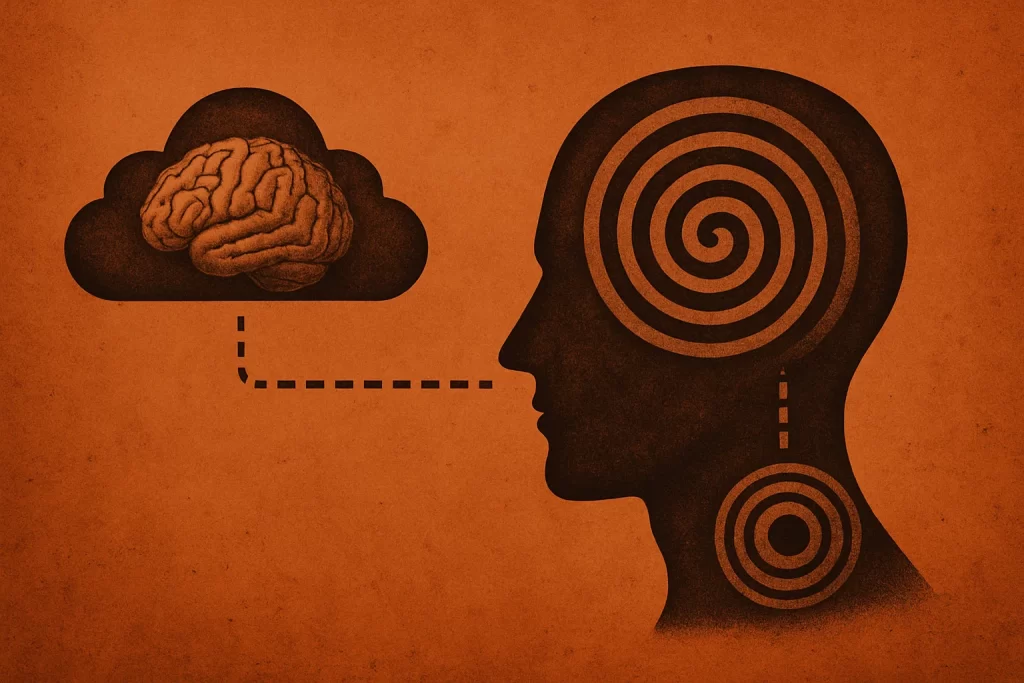
Subconscious brand imprinting is a powerful psychological concept that refers to the subtle influence a brand has on a consumer’s decision-making process, operating at an unconscious level. It occurs when consumers repeatedly encounter a brand’s messaging, visuals, or emotional triggers, which over time, become deeply ingrained in their subconscious. This imprinting shapes their perceptions, preferences, and purchasing behavior, often without them realizing it. Through consistent exposure to specific brand elements—such as logos, colors, or emotional associations—consumers develop automatic responses to these cues, which guide their decisions. A perfect example is how a brand like Coca-Cola is associated with feelings of happiness, warmth, and community. These emotional connections are not overtly communicated but are subtly instilled through years of advertising and experiences.
The importance of subconscious brand imprinting in branding cannot be overstated. In a world where consumers are bombarded with endless choices, it has become increasingly difficult for brands to capture attention and build trust. However, subconscious brand imprinting allows brands to stand out by creating lasting, memorable impressions in the minds of consumers. This approach not only affects short-term decisions—such as what product to purchase—but also influences long-term brand loyalty, ensuring that consumers continuously return to that brand, often out of habit or emotional attachment. In a marketplace flooded with options, subconscious brand imprinting acts as a powerful tool for brands to embed themselves into the decision-making process of consumers, turning them into loyal advocates who associate the brand with positive feelings or experiences.

The Psychology Behind Subconscious Brand Imprinting
Subconscious brand imprinting relies heavily on understanding how the subconscious mind influences consumer decisions. The subconscious is constantly absorbing information and forming associations, often without the individual’s awareness. These associations are powerful and can drive behavior in ways that the conscious mind cannot easily control. When it comes to branding, this means that repeated exposure to a brand’s elements—whether it be a logo, color scheme, or tone of messaging—becomes ingrained in the consumer’s psyche. Over time, these subtle cues create strong, automatic connections between a consumer and the brand, triggering emotions, memories, or biases when a consumer encounters the brand again.
One key aspect of subconscious influence in branding is cognitive bias, a mental shortcut the brain uses to simplify decision-making. Cognitive biases, such as familiarity bias (where people prefer things they have seen before) or affinity bias (where people feel drawn to things that align with their values or past experiences), play a significant role in subconscious brand imprinting. Brands that are consistently presented in a way that resonates with consumers’ preferences or emotional triggers—like the colors, sounds, or messages they associate with the brand—are more likely to be preferred over unfamiliar brands, even if the consumer cannot articulate why they feel that way.
Another critical factor is emotional triggers. Branding that taps into deep-rooted emotional needs or desires—whether it’s the sense of safety, status, or excitement—can establish powerful subconscious connections. Brands that consistently evoke these emotions can cultivate long-term loyalty by creating an emotional bond with their consumers. For instance, a luxury brand may consistently evoke feelings of status and exclusivity, embedding itself into the consumer’s mind as the go-to brand for an elite experience. This emotional connection, while subtle and often unnoticed by the consumer, plays a pivotal role in influencing purchasing decisions, making the consumer more likely to choose that brand without fully understanding why.

In essence, subconscious brand imprinting capitalizes on the brain’s natural tendencies to form patterns and connections, turning branding into an almost invisible force that shapes consumer behavior and loyalty. By understanding and leveraging these psychological mechanisms, brands can position themselves in the consumer’s mind in a way that is both powerful and lasting, often influencing decisions at a level beyond conscious awareness.
Key Elements of Subconscious Brand Imprinting
The success of subconscious brand imprinting is built on several key elements that shape how consumers perceive and connect with a brand. These elements include visual identity, brand messaging, and even subtle subliminal cues—all of which work together to create lasting, subconscious associations with the brand. The first and perhaps most visible aspect of subconscious imprinting is a brand’s visual identity. A brand’s logo, color scheme, typography, and overall design are often the first point of contact with consumers, and they leave an immediate impact on their perception. Consistency in visual identity helps reinforce a brand’s message and creates a sense of familiarity, making it easier for consumers to recognize and recall the brand later. This familiarity plays into the familiarity bias, where people tend to favor things they recognize, often choosing them over unfamiliar alternatives. For example, the color red is often associated with excitement and urgency, and many brands in retail and food use it to trigger these emotions in consumers subconsciously.
Equally important is brand messaging, which includes the language, tone, and emotional appeal conveyed in advertisements, packaging, or marketing materials. Effective messaging doesn’t just inform; it connects with the consumer on a deeper, emotional level. When a brand uses compelling storytelling, it taps into the human need for narrative and meaning. Whether it’s telling a story of how the brand started, its mission, or the impact it aims to have on consumers’ lives, messaging can solidify a brand’s place in the consumer’s subconscious by aligning with their emotions and values. A well-crafted message can lead consumers to associate the brand with positive feelings such as security, excitement, or a sense of belonging. Brands like Apple or Nike, for instance, consistently communicate empowerment, innovation, and personal achievement, creating a mental link between their products and these aspirational feelings.
In addition to explicit messaging and visuals, subliminal messaging plays a powerful role in subconscious brand imprinting. Subliminal messages are subtle cues—such as hidden symbols, sounds, or images—that consumers may not consciously recognize, but their subconscious minds pick up on and form associations. While the ethical use of subliminal messaging is often debated, it remains a technique used in some advertising. Even without overt subliminal cues, brands often use carefully selected images or sounds in their ads to invoke certain subconscious reactions. For example, luxury brands often use images of serene, elegant lifestyles to create an association with exclusivity, even if the product itself doesn’t directly communicate that message. Over time, these underlying cues work together to reinforce a brand’s identity, strengthening its presence in the consumer’s mind.
Together, these elements—visual identity, messaging, and subliminal cues—work in tandem to create deep, lasting subconscious impressions. The more consistently these elements are applied across all consumer touchpoints, the stronger the imprint becomes. By strategically combining these elements, brands can create a powerful, subconscious influence on consumers that lasts long after they have encountered the brand, shaping their perceptions, preferences, and ultimately their purchasing decisions.
Subconscious Branding in the Real Estate Industry
Subconscious brand imprinting plays a significant role in the real estate industry, where consumer decisions are often deeply emotional and influenced by long-term investments. Building trust through subconscious branding techniques is crucial for real estate companies, as buying a home or commercial property is one of the most significant financial decisions a person will make. Real estate companies use subconscious imprinting to build a sense of trust, safety, and reliability—key factors that guide consumers when choosing where to invest. For example, many real estate companies use calming colors like blue and green in their branding, which are subconsciously associated with trust, security, and peace. These visual cues help create an emotional connection with consumers before they even begin their interactions with a real estate agent.
Emotional connection is at the core of real estate branding, as many buyers and sellers are making life-changing decisions that come with a wide range of feelings—ranging from excitement to fear and anxiety. Successful real estate brands understand that they are not just selling properties, but also dreams and aspirations. Through subconscious branding, real estate companies can craft an image of a lifestyle that resonates with their target audience. For instance, a luxury property brand might use high-end imagery and a sophisticated tone of voice to evoke feelings of exclusivity and success, while a family-oriented real estate firm might use imagery of happy families in warm, inviting homes to appeal to the desire for comfort and security. These emotional appeals tap directly into the consumer’s subconscious desires, influencing their choices without overt persuasion.
One of the most effective ways real estate brands implement subconscious brand imprinting is through the use of visual assets like property photos, virtual tours, and videos. These assets are not just about showcasing a property; they are designed to evoke feelings. High-quality images that capture the beauty of a property can trigger feelings of aspiration and desire. Virtual tours allow potential buyers to envision themselves living in a space, making the experience more personal and engaging. The more immersive the visual experience, the deeper the imprint in the consumer’s subconscious. For instance, real estate websites that feature videos of homes for sale might include background music that subconsciously associates the property with feelings of warmth and comfort, further reinforcing the emotional connection.
Additionally, real estate companies often rely on storytelling in their branding efforts to make an emotional connection with potential buyers. Whether it’s through testimonials from happy clients or stories about the history of a neighborhood, real estate brands that use storytelling tap into the consumer’s subconscious need for connection and meaning. Buyers often don’t just want to know the details about the property—they want to feel that they are making the right decision for their future. By weaving emotional stories into their branding, real estate firms can reinforce the idea that purchasing a property is not just a financial transaction, but a step toward a new life, whether that life is filled with family, success, or personal fulfillment.
Through these subconscious branding techniques, real estate brands can ensure that their properties are not only recognized but are also deeply embedded in the minds of their potential clients, influencing their choices even when they are not consciously aware of it. This long-term emotional connection can lead to repeat business, referrals, and a strong brand reputation that keeps the company top-of-mind when a consumer is ready to make their next real estate decision.
The Role of Consumer Behavior and Perception
Consumer behavior is heavily influenced by subconscious brand imprinting, as it directly impacts how people perceive and relate to brands. Perception is everything when it comes to brand loyalty and purchasing decisions. A consumer’s perception of a brand can be shaped by their experiences, emotions, and subconscious associations, even if they are unaware of the influence. For instance, a person might consistently choose a particular brand of cereal over others, not because it is the best option in terms of quality or price, but because of subconscious associations formed through years of branding. The bright, cheerful packaging, the positive messaging, or even the jingles associated with that brand have been embedded in their subconscious, shaping how they view it. This is why brand perception often has little to do with the reality of the product itself. Consumers are guided by how the brand makes them feel, which can differ from its tangible benefits.
The subconscious mind, in its ability to form these perceptions, plays a vital role in shaping behavior. People tend to rely on their cognitive biases—mental shortcuts that help them make quick decisions—when making purchasing choices. One of these biases is familiarity bias, where consumers prefer things that feel familiar to them, even if they don’t consciously recognize why. A brand that has consistently appeared in a consumer’s environment, whether through TV ads, social media, or even word of mouth, becomes a more trusted and reliable option in their subconscious. This sense of familiarity can lead to habitual buying behavior, where consumers repeatedly choose the same brand without thinking too much about alternatives. This is why brand consistency and visibility are so important; even in a crowded market, a brand that has established itself in the consumer’s mind can continue to dominate.
Equally important is the concept of consumer trust and loyalty, which is built through subconscious brand imprinting. The stronger the emotional connection a brand creates, the more likely consumers are to stay loyal over time. Trust is formed when a brand consistently meets or exceeds consumer expectations. This can be reinforced by positive experiences, but more importantly, by aligning the brand with the consumer’s core values and emotional needs. A brand that subconsciously associates itself with positive experiences—such as comfort, security, or prestige—becomes ingrained as a trustworthy entity in the consumer’s mind. For example, many people have a strong brand loyalty to companies like Apple, not just because of their products’ features but because of the emotional appeal and sense of community the brand fosters. Apple’s branding subconsciously associates its products with innovation, exclusivity, and simplicity, making consumers feel like they are part of something larger, something aspirational.
The interplay between perception vs. reality is also a key driver of consumer behavior. Consumers often perceive brands through a lens shaped by past experiences, emotional triggers, and societal influences. However, what they perceive might not always be the reality of the product’s quality or effectiveness. This means that even if a product is objectively superior, a brand that has successfully imprinted itself into the consumer’s subconscious through consistent branding may still be chosen over a more technically advanced but less familiar competitor. This is why brand positioning and the way a brand is perceived can be more important than the intrinsic value of the product itself in influencing purchase decisions.
Ultimately, subconscious brand imprinting enables brands to shape consumer perceptions and influence behavior on a deep, emotional level. By understanding the factors that drive perception—like familiarity, emotional connections, and cognitive biases—brands can better align their messaging, design, and experiences to foster stronger relationships with consumers, which translates into long-term loyalty and sustained market dominance.
Subconscious Branding Techniques
Subconscious branding techniques are integral to shaping consumer perceptions and guiding their decision-making without overt persuasion. These techniques rely on subtle, often unnoticed cues that influence the way consumers feel about a brand, its products, and its values. One of the most effective subconscious branding strategies is repetition and consistency. Repetition plays a crucial role in embedding brand elements into the consumer’s subconscious mind. The more frequently a consumer encounters a brand’s visual identity, messaging, and tone, the more likely they are to form an automatic preference for it. Consistency is key here—when a brand consistently presents the same colors, fonts, messaging, and even emotional tone across all touchpoints, it reinforces familiarity and trust. Over time, these consistent exposures make the brand more recognizable and reliable in the eyes of the consumer, creating an almost automatic mental response when the brand is encountered again. This is why companies that have built strong brands, such as Coca-Cola or McDonald’s, continue to use familiar logos, taglines, and even specific colors in their marketing to maintain their connection with consumers.
Another important subconscious branding technique is color psychology. Colors have a profound impact on the subconscious mind, influencing emotions and behaviors in subtle yet powerful ways. For example, blue is often associated with trust, calm, and professionalism, which is why many financial institutions and tech companies use this color in their branding. Red, on the other hand, evokes excitement, energy, and urgency, which is why it is frequently used in fast food chains and retail advertisements to stimulate action. Similarly, green is linked with health, relaxation, and eco-consciousness, making it a popular choice for wellness or environmentally focused brands. By strategically selecting colors that evoke the desired emotional response, brands can connect with consumers at a deeper, subconscious level, influencing not only their perception of the brand but also their purchasing behavior.
Creating memorable experiences is another powerful subconscious branding technique. This involves not just offering a product or service, but creating an immersive, unforgettable experience that engages the consumer on multiple sensory levels. For example, Apple stores are known for their sleek, minimalist design and interactive product displays. This creates a sense of luxury and innovation, elevating the consumer’s experience with the brand. Additionally, brands can engage consumers through experiential marketing, which involves creating events or experiences that align with the brand’s values and personality. These experiences, while enjoyable in the moment, often leave a lasting emotional imprint on the consumer, making them more likely to form a positive, subconscious association with the brand. For instance, a luxury car company might offer test drives on scenic routes, evoking a sense of adventure and exclusivity, which stays with the consumer long after the event is over.
One of the most widely discussed techniques in subconscious branding is the use of subliminal messaging. Subliminal messaging refers to subtle, hidden cues that are presented below the threshold of conscious awareness. These could be visual elements embedded within advertisements, such as a shape or symbol, or auditory elements, like background sounds that influence mood. While the ethical use of subliminal messaging is often debated, it is clear that these hidden cues can influence consumer behavior. For example, a brand might subtly insert a smiling face or a symbol of a house into a commercial to unconsciously evoke feelings of happiness or comfort. Though the consumer may not consciously register the symbol, their subconscious mind picks up on the association, influencing their feelings about the brand in a positive direction. It is important for brands to approach subliminal messaging with caution and transparency, as overt manipulation could damage consumer trust.
By combining techniques such as repetition, color psychology, memorable experiences, and subliminal messaging, brands can create a multi-layered imprint in the consumer’s subconscious mind. These techniques not only help brands stand out in a crowded marketplace but also form deeper emotional connections with consumers. As a result, consumers are more likely to engage with, remember, and trust a brand that has successfully imprinted itself into their subconscious, leading to sustained loyalty and increased long-term value.
Ethical Considerations in Subconscious Branding
While subconscious branding techniques can be highly effective, they also raise important ethical questions regarding the manipulation of consumer behavior. At its core, ethical branding is about ensuring transparency, respect for consumer autonomy, and fostering trust. As brands increasingly employ psychological techniques to influence purchasing decisions, they must be mindful of the line between persuasion and manipulation. Persuasion, in a marketing context, is the art of presenting a brand’s message in a way that resonates with the consumer’s desires and needs, while still allowing the consumer to make an informed decision. Manipulation, however, refers to using covert, potentially deceptive methods to influence a consumer’s behavior without their knowledge or consent, often bypassing rational thought in favor of subconscious triggers.
One of the most controversial aspects of subconscious branding is the use of subliminal messaging. As discussed in the previous section, subliminal cues are designed to influence consumers without their conscious awareness. While these cues are subtle and not immediately recognizable, they can have a profound impact on a consumer’s feelings and actions. However, ethical concerns arise when subliminal messages are used in a way that exploits the consumer’s subconscious vulnerabilities or overrides their free will. For instance, using subliminal images or sounds to evoke feelings of fear, greed, or insecurity could lead to unhealthy consumer behavior, pushing individuals to make decisions that may not be in their best interest. As a result, brands must use such techniques responsibly and in a way that respects the consumer’s autonomy. It is essential that brands avoid exploiting subconscious triggers in ways that might harm consumers or encourage them to make decisions that are not aligned with their true desires or needs.
Another ethical concern revolves around the use of emotional manipulation. Brands often use emotional appeals to form deep connections with their audiences, but these appeals must be handled with care. For example, real estate brands often tap into the emotional desire for security, comfort, and family, which can be incredibly powerful. However, when these emotions are exploited for the sole purpose of driving sales, without regard for the long-term well-being of the consumer, the brand risks crossing an ethical line. Emotional manipulation can be especially problematic when brands prey on vulnerable individuals, such as those going through life changes, financial struggles, or personal crises. Ethical branding means aligning emotional appeals with the consumer’s authentic needs and desires, not preying on their insecurities.
Moreover, there are privacy concerns surrounding subconscious branding, especially with the increasing use of data-driven marketing strategies. Brands today can gather a wealth of information about individual consumers through their browsing behavior, social media activity, and past purchases. This data can be used to create highly personalized marketing campaigns that target consumers at a subconscious level. While personalized marketing can enhance the consumer experience by offering relevant products or services, it also raises privacy concerns. Consumers may not always be aware of how much data is being collected or how it is being used. Ethical brands must be transparent about their data collection practices and give consumers control over their personal information. This includes clear communication about how data is collected, stored, and utilized for marketing purposes, and providing consumers with the option to opt out of data collection if they choose.
Lastly, transparency and authenticity are essential in subconscious branding. Consumers today are more savvy and informed than ever, and they value brands that are honest and authentic. Brands that deceive consumers through manipulative or dishonest tactics, such as creating false emotional associations or hiding the true intentions behind their branding strategies, risk damaging their reputation and eroding consumer trust. Authenticity in branding means being open about the brand’s values, goals, and practices. Ethical brands are those that prioritize long-term relationships with consumers over short-term profits, ensuring that their marketing efforts are aligned with the values they promote.
In conclusion, while subconscious branding techniques can be incredibly effective, brands must approach them with a sense of responsibility and ethics. By using persuasion rather than manipulation, respecting consumer autonomy, ensuring transparency, and fostering authenticity, brands can build trust with their audiences and create lasting, positive relationships that benefit both the consumer and the brand. Ethical branding is not just a moral choice; it is also a strategic one, as consumers are increasingly drawn to brands that align with their values and act in their best interest.
Analyzing Competitors: How They Use Subconscious Branding
Analyzing competitors is a critical component of any branding strategy, especially when it comes to understanding how they leverage subconscious branding techniques. By observing how competitors embed themselves into the consumer’s subconscious, a brand can identify both opportunities to differentiate itself and areas where it can enhance its own branding efforts. Competitors in every industry, from tech to fashion to real estate, use subconscious branding to build recognition, foster emotional connections, and influence consumer behavior. By analyzing their strategies, a brand can gain insights into the psychological triggers that are most effective within their market and learn how to implement similar techniques—ethically and strategically—to enhance their own brand.
A useful approach to competitor analysis in subconscious branding is to look at their visual branding elements—such as logos, colors, and design choices—and assess how they are used to shape consumer perceptions. For example, a competitor in the luxury market may use sleek, minimalist design paired with a color palette of black, white, or gold, which subconsciously communicates exclusivity and high-end status. On the other hand, a competitor targeting a more accessible market might use bright, warm colors and friendly, approachable fonts, evoking feelings of warmth, trust, and familiarity. By understanding how these visual elements are being used by competitors, a brand can identify what works in the market and how to stand out visually in a way that resonates with their target audience.
In addition to visual elements, it is important to analyze how competitors use messaging and tone to influence consumer emotions. For instance, many brands use storytelling in their marketing to subconsciously associate their product with a narrative that consumers can relate to. A real estate company, for example, might tell stories about families finding their dream homes, thereby linking the brand with feelings of happiness, security, and fulfillment. By understanding how competitors use emotional appeals, a brand can tailor its messaging to evoke similar feelings, while also differentiating itself by offering a unique angle or perspective that better meets the needs of its target market.
Competitor digital presence is also an important area to analyze when considering subconscious branding. Many brands today use social media and digital advertising as primary channels for reaching consumers. A competitor’s social media strategy may reveal how they are subtly embedding their brand in the subconscious minds of followers through consistent engagement, emotionally driven content, and frequent interactions. For example, an apparel brand might regularly post images of people wearing their clothes in aspirational settings, subtly imbuing the brand with an association of style, confidence, and belonging. By analyzing this approach, a brand can decide how best to use its own digital channels to imprint its messaging in the consumer’s mind, whether by posting lifestyle content, using influencer marketing, or creating interactive experiences.
Another aspect to consider is the use of subliminal messaging and psychological triggers by competitors. While the use of subliminal messages remains controversial, it’s possible that some competitors are employing subtle techniques to influence consumer behavior without overtly advertising their intentions. For example, a competitor might incorporate hidden symbols or cues that trigger a positive emotional response, like an image of a family or a peaceful landscape, that aligns with the subconscious desires of their target audience. These subliminal strategies may not be immediately obvious but can significantly impact consumer perception over time. By identifying these techniques in competitors’ branding, a brand can decide whether to incorporate similar approaches in their own campaigns—or avoid them in favor of more transparent, ethical methods.
Finally, a SWOT analysis (Strengths, Weaknesses, Opportunities, Threats) can be incredibly useful in competitor analysis, particularly when assessing how subconscious branding contributes to their market position. A competitor’s strengths might lie in their ability to consistently evoke emotional responses or create strong brand recall through repeated exposure to their brand elements. However, their weaknesses might involve an over-reliance on subliminal techniques or a disconnect between their branding and the actual consumer experience. Identifying these gaps provides opportunities for your brand to step in and offer something more authentic or aligned with consumer expectations, making your own subconscious branding efforts even more powerful.
By conducting a thorough competitor analysis, brands can identify how their rivals are using subconscious branding to influence consumer behavior. This knowledge enables a brand to strategically position itself in the market, using similar techniques where effective, while also ensuring its branding stands out with a unique, compelling message that resonates deeply with its target audience.
Long-Term Benefits of Subconscious Branding
The long-term benefits of subconscious branding are profound, shaping not only consumer perceptions but also driving sustained brand loyalty and growth over time. One of the most significant long-term advantages is the creation of a lasting impression in the consumer’s mind. Subconscious branding techniques, when applied consistently, ensure that a brand is always top-of-mind when a consumer makes a decision. This constant mental presence leads to brand recall, where the brand is quickly recognized and associated with specific values or emotions, even if the consumer is not actively thinking about it. A well-imprinted brand becomes a mental shortcut for the consumer, meaning they’re more likely to choose it over competing brands, often without even realizing why. For example, a consumer may consistently choose a well-known soft drink because it’s subconsciously tied to feelings of comfort and enjoyment, even if they haven’t made a conscious decision to do so.
Subconscious branding also plays a key role in building brand loyalty. When consumers feel a deep, emotional connection with a brand, they are more likely to remain loyal to it over time, even when other options are available. This loyalty is nurtured by the subconscious associations that have been formed through consistent, positive experiences with the brand. A consumer who associates a particular luxury car brand with success, prestige, and personal achievement is not just purchasing a product—they are investing in a lifestyle and a sense of identity. These subconscious ties are powerful motivators, leading consumers to continue purchasing from the brand, refer it to others, and even overlook potential flaws in the product or service. Over time, as the brand continues to reinforce these emotional connections, the consumer becomes more deeply embedded in the brand’s ecosystem, increasing the brand’s customer lifetime value.
Additionally, subconscious branding contributes to creating a strong brand legacy. The more effectively a brand imprints itself in the consumer’s subconscious, the more it can influence future generations of consumers. A brand that consistently evokes positive emotions, communicates its values clearly, and establishes trust becomes an iconic symbol within its market. Think of brands like Coca-Cola or Apple—they transcend mere products and become cultural symbols. Coca-Cola isn’t just a beverage; it’s a symbol of happiness, tradition, and nostalgia. Apple isn’t just a tech company; it represents innovation, creativity, and premium quality. These associations become so deeply ingrained that they persist over time, even as products and markets evolve. By effectively embedding itself into the subconscious minds of its audience, a brand ensures that it will continue to be relevant and respected, even decades after its inception.
Moreover, the impact of subconscious branding extends beyond consumer behavior to influence brand advocacy. Consumers who have developed strong subconscious associations with a brand are more likely to become vocal advocates, recommending the brand to friends, family, and colleagues. These recommendations are often based on subconscious impressions and feelings of satisfaction, trust, or pride in their association with the brand. In the long term, this leads to word-of-mouth marketing, which is one of the most powerful and cost-effective forms of advertising. People trust the recommendations of those they know, and when a brand is embedded in the consumer’s subconscious in a positive way, it naturally spreads through social circles, creating a ripple effect of brand exposure and potential new customers.
Finally, sustained subconscious branding efforts create resilience against market fluctuations. In industries that experience rapid changes in trends or consumer behavior, a brand with a solid subconscious imprint can weather these fluctuations more effectively. Since consumer decisions are driven in part by emotion and subconscious association, a brand that has established deep-rooted connections with its audience can maintain customer loyalty and preference, even during times when competitors are vying for attention or when market conditions change. A brand that has successfully imprinted itself as synonymous with a particular value or feeling becomes a trusted option in the eyes of consumers, even in uncertain times.
Measuring the Effectiveness of Subconscious Brand Imprinting
Measuring the effectiveness of subconscious brand imprinting is essential for determining whether the brand’s efforts are truly resonating with consumers and influencing their behavior in the desired way. Unlike direct marketing campaigns where success can be measured through immediate sales or engagement, subconscious branding effects are more subtle and long-term. However, there are several strategies and metrics that brands can use to track how well their subconscious imprinting efforts are performing and how deeply the brand is embedded in the consumer’s mind.
One of the most straightforward methods for measuring subconscious brand imprinting is through brand perception surveys. These surveys can include questions that assess how consumers feel about a brand, even if they are not consciously aware of the reasons behind their feelings. For example, a brand can ask questions like, “When you think of this brand, what emotions come to mind?” or “What values do you associate with this brand?” The goal of such surveys is to uncover the underlying emotional and subconscious associations consumers have with the brand. These insights can reveal the success of branding efforts to establish trust, loyalty, or specific emotional triggers, even if the consumer is unaware of them.
Another important metric for measuring subconscious brand imprinting is brand recall and recognition. Brand recall refers to the consumer’s ability to remember a brand when prompted with a category or product type (e.g., “What brand comes to mind when you think of smartphones?”). Brand recognition measures how easily a consumer can identify a brand when presented with its logo, name, or other visual cues (e.g., “Can you recognize this brand from this logo?”). High levels of brand recall and recognition are strong indicators of successful subconscious branding, as they show that the brand has made a lasting impression on the consumer’s subconscious. Companies can track these metrics through market research, brand audits, and consumer feedback to assess how consistently their branding elements are resonating with their audience.
In addition to brand recall, measuring consumer sentiment is another valuable way to gauge the effectiveness of subconscious brand imprinting. Consumer sentiment analysis involves examining social media conversations, online reviews, and customer feedback to understand how people feel about the brand. Advanced tools can analyze the tone and emotional content of mentions, helping brands to understand not only how frequently they are discussed but also whether the conversations are positive, neutral, or negative. A positive sentiment that aligns with the brand’s intended emotional appeals (such as trust, excitement, or reliability) is a strong sign that subconscious imprinting is working well. Conversely, negative sentiment might indicate that the brand’s subconscious associations need to be recalibrated.
Customer loyalty metrics are also a critical indicator of subconscious branding success. Brand loyalty is often driven by emotional connections formed at the subconscious level. To measure this, brands can track repeat purchase rates, customer retention, and the likelihood of customers recommending the brand to others (Net Promoter Score). Loyal customers who repeatedly return to a brand are often subconsciously influenced by the brand’s emotional appeal and the associations they have developed over time. Brands can also track the customer lifetime value (CLV), which estimates the total revenue a customer will bring to the brand over the course of their relationship. A high CLV indicates strong brand loyalty, suggesting that subconscious branding efforts have successfully created long-term relationships.
Another useful approach to measuring subconscious brand imprinting is through A/B testing and neuromarketing techniques. A/B testing can help brands assess the effectiveness of different visual elements, messaging, or emotional appeals by comparing consumer responses to different versions of an advertisement, website, or product packaging. By analyzing which variations lead to higher engagement or conversion rates, brands can fine-tune their subconscious branding strategies. Neuromarketing, on the other hand, uses neuroscience techniques, such as eye-tracking, facial expression analysis, or brain wave measurement, to understand how consumers respond to various brand stimuli at a subconscious level. These advanced techniques provide deeper insights into how consumers are emotionally reacting to branding elements, even when they are unaware of the influence.
Lastly, tracking external metrics, such as brand equity or market share, can offer a broader view of the effectiveness of subconscious brand imprinting. Brand equity is the value that a brand adds to its product or service, often reflected in consumer preference and willingness to pay a premium. A strong brand equity, which is often driven by subconscious impressions, can indicate that the brand has effectively imprinted itself in the minds of consumers. Likewise, an increase in market share, especially in a competitive industry, can signal that subconscious branding has successfully differentiated the brand and made it the preferred choice for consumers.
FAQ
1. How do subconscious brand imprinting techniques affect consumer behavior?
This question reflects concerns about the impact of subconscious techniques on consumer decisions without them being fully aware of it.
2. What are the ethical concerns surrounding subconscious brand imprinting?
Many are concerned with whether using subconscious tactics to influence consumers crosses ethical lines, especially when consumers are not consciously aware of these influences.
3. Can subconscious branding lead to consumer manipulation?
There are concerns about whether subconscious branding manipulates consumer choices, leading to questions about its ethical boundaries.
4. What subconscious techniques do brands use to create emotional connections with consumers?
This question addresses the psychological tactics used by brands to form lasting emotional ties, such as color psychology, subliminal cues, and emotional storytelling.
5. How can brands avoid crossing the line into unethical subconscious branding?
A common concern is how brands can maintain ethical practices while using subconscious branding techniques, ensuring that they do not exploit or harm consumers.
Conclusion
Subconscious brand imprinting is a powerful tool for influencing consumer behavior and building long-term brand loyalty. By using subtle techniques—like visual identity, emotional appeals, and subliminal cues—brands can connect with consumers on a deeper, emotional level, shaping their perceptions and decisions. This connection creates lasting impressions, helping brands stand out in a crowded market and fostering loyalty.
However, ethical considerations are crucial. Brands must ensure that their subconscious branding strategies are transparent and respectful of consumer autonomy. Manipulation should never replace genuine persuasion, and authenticity is key to maintaining consumer trust.
In the end, subconscious brand imprinting is not just about marketing; it’s about creating lasting relationships with consumers. Brands that master this approach can build stronger connections, enhance consumer loyalty, and succeed over the long term.