
Creating Multisensory Resonance: Blending Touchpoints for Richer Brand Stories

Introduction
Brand Multisensory Resonance refers to the strategic use of multiple sensory cues—such as touch, sound, and scent—to create deeper emotional connections with consumers, ultimately enhancing brand experiences. In an increasingly cluttered marketplace, where traditional marketing techniques are often ignored, sensory marketing offers a powerful way to break through the noise. By engaging the senses, brands can trigger emotional responses that drive consumer behavior, creating a lasting impact. Through sensory cues, brands can evoke specific emotions, memories, and perceptions that influence purchasing decisions and reinforce brand loyalty.
Sensory resonance is more than just a trend—it’s a science-backed strategy rooted in psychology and neuroscience. When we experience sensory stimuli, our brains process them in ways that deeply influence our emotions and memories. For instance, the distinct scent of Abercrombie & Fitch stores, the tactile smoothness of an Apple product, or the familiar jingle of McDonald’s instantly bring their respective brands to mind. These sensory elements evoke feelings of comfort, luxury, excitement, or nostalgia, establishing a profound emotional connection between the consumer and the brand.
In today’s competitive environment, multisensory resonance offers brands a unique opportunity to differentiate themselves. Sensory cues not only create a memorable brand experience but also foster strong emotional bonds that increase customer loyalty and encourage repeat purchases. A study by Harvard Business Review revealed that emotionally connected customers are twice as valuable as those merely satisfied with a brand. Sensory branding creates these emotional connections by leveraging the brain’s natural tendency to integrate sensory information, making the experience more engaging and memorable.

As markets become more saturated and consumer attention spans grow shorter, the ability to stand out and engage consumers on a deeper level becomes essential. Brands that successfully integrate touch, sound, and scent into their branding efforts can build stronger brand recall and loyalty, creating an experience that goes beyond the visual. This article will explore the science behind multisensory branding, how leading brands are using sensory cues to engage consumers, and how businesses can implement these strategies to enhance their own brand experiences. By the end, you’ll have a clearer understanding of how multisensory resonance can elevate your brand and drive meaningful consumer connections.
The Science Behind Sensory Branding
Neuroscience of Sensory Perception
The foundation of Brand Multisensory Resonance lies in the science of how we process sensory stimuli and how these experiences influence our emotions, memories, and decision-making. The human brain is highly adept at processing sensory information, but not all senses are created equal when it comes to branding.
When sensory stimuli like sound, scent, or touch are experienced, they are processed through different regions of the brain. For example, olfactory stimuli (scent) bypass the thalamus and go directly to the olfactory bulb, which is linked to the limbic system, the area responsible for emotions and memory. This direct connection is why scent has such a powerful impact on memory recall and emotional responses. The somatosensory cortex processes touch, giving us feelings of texture, weight, and temperature, which can enhance perceptions of product quality or comfort. Meanwhile, auditory stimuli are processed in the auditory cortex, which plays a role in associating sound with emotions, memories, and meanings.
This connection between sensory perception and memory is significant in brand recall. Sensory stimuli trigger emotional and cognitive responses that are often more visceral than purely visual cues. For instance, studies have shown that people are more likely to remember a brand or a product if they’ve had a multisensory experience (e.g., hearing the brand’s sound and touching the product). The stronger the sensory experience, the stronger the emotional connection to the brand. Sensory elements therefore serve as tools for brands to directly influence consumer perception, guiding them toward the emotions they want to evoke.
Cross‑Modal Correspondences & Semantic Congruency
One of the most fascinating concepts in multisensory branding is the idea of cross-modal correspondences—the ability of certain senses to trigger associations in other senses. For example, research has shown that people tend to associate round shapes with sweet tastes and sharp angles with sour tastes. Similarly, high-pitched sounds are often associated with light, fast-moving objects, while low-pitched sounds may evoke a sense of heaviness or slowness. These associations help brands build deeper, more consistent experiences.
This is where semantic congruency comes into play. Semantic congruency refers to the alignment of sensory cues with the brand’s intended message. If a brand is trying to project luxury, its sensory cues should match that image: soft textures, serene soundscapes, and subtle scents like lavender or sandalwood are often used. On the other hand, a sporting brand might use rugged textures, upbeat music, and fresh, energizing scents like citrus or peppermint. When sensory elements are congruent with a brand’s message, consumers are more likely to feel a deeper, emotional resonance with the brand.
Example: Consider the experience of walking into a high-end boutique. The soft lighting, the luxurious feel of the fabrics, and the calming music all work together to create an immersive experience that aligns with the store’s brand message of elegance and exclusivity. If the store suddenly played loud, fast-paced music, the experience would feel jarring, and the brand’s identity would seem less authentic. Thus, maintaining semantic congruency ensures that each sensory element complements the others, creating a coherent and harmonious brand experience.
How Sensory Branding Impacts Memory and Emotional Connections
One of the most profound ways sensory branding works is by making a brand more memorable and emotionally resonant. As mentioned earlier, sensory cues like scent and sound can be directly linked to the limbic system, which is responsible for processing emotions and forming memories. When a consumer encounters a brand experience that engages multiple senses, their brain makes stronger associations and emotional connections with that brand.
Consider the example of ambient scent in a retail store. Studies show that when a customer enters a store with a familiar, pleasant scent, it creates an immediate emotional connection to the brand. That scent becomes a marker in their brain for comfort, trust, and quality, and every subsequent interaction with that scent will evoke those feelings again. Similarly, the sound of a brand’s jingle or sonic logo (like Intel’s iconic chime or McDonald’s “I’m Lovin’ It” tune) becomes deeply associated with the emotional core of the brand. Consumers often recall these sounds when thinking about the brand, reinforcing the memory and their emotional attachment to it.
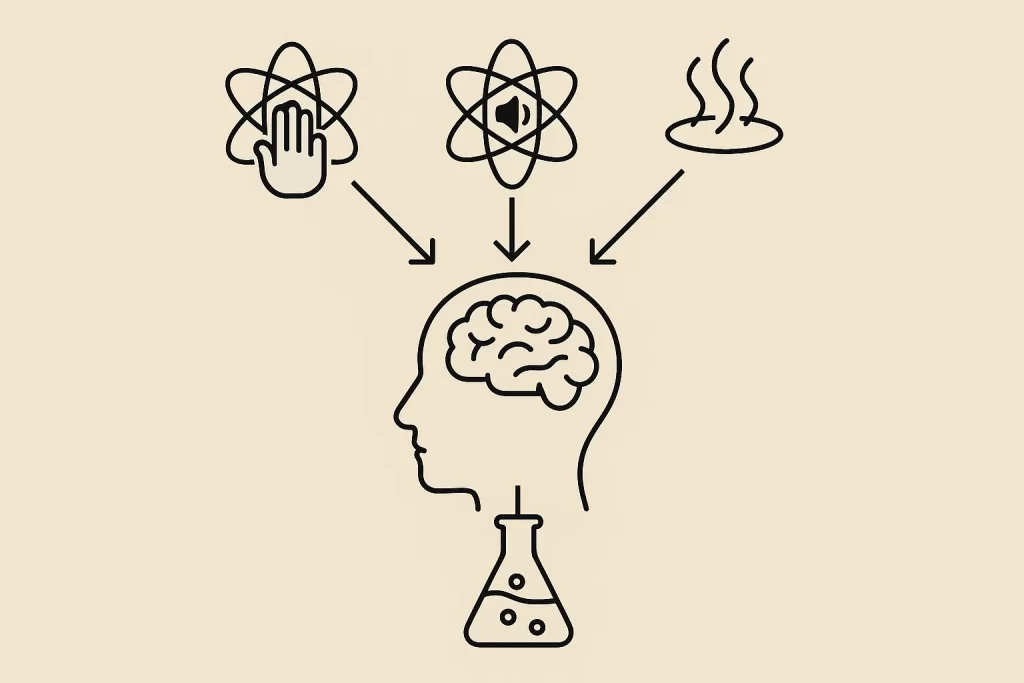
In fact, research by Herz & Engen (1996) demonstrated that scent can trigger emotions faster and with greater intensity than both visual and auditory stimuli. This makes it one of the most powerful tools in multisensory branding, especially for creating a deep emotional resonance with the audience.
The Role of Touch, Sound, and Scent in Branding
In multisensory branding, each sense plays a distinct but interconnected role in creating a comprehensive brand experience. By strategically combining touch, sound, and scent, brands can craft a more immersive and impactful connection with consumers. Below, we’ll delve into each sensory element, exploring how they contribute to shaping the consumer’s perception, emotions, and memory of the brand.
Touch / Haptic Branding
Touch is one of the most tangible and memorable sensory experiences, yet it’s often underestimated in branding strategies. The act of physically handling a product or engaging with a brand experience in a tactile way significantly influences how consumers perceive a brand. Haptic branding refers to the strategic use of texture, weight, and material in product design, packaging, and even digital interfaces to evoke specific emotional responses.
Creating Perceptions of Quality and Luxury
One of the primary ways touch is used in branding is by influencing perceptions of product quality. For example, luxury brands such as Apple, Chanel, and Gucci carefully design their products to feel high-quality in the consumer’s hands. Apple’s iPhone and MacBook devices, with their smooth aluminum casings and responsive touchscreens, are designed to evoke a sense of premium craftsmanship. The smooth touch of the device gives the user a feeling of luxury and effortless performance.
Similarly, high-end packaging for products like perfume, jewelry, or cosmetics often uses materials like velvet, silk, and smooth glass to create an immediate perception of elegance and exclusivity. The tactile feedback consumers experience when holding these products makes them feel special, reinforcing the brand’s identity as high-end and luxurious.
Tactile Feedback in Digital Experiences
Haptic technology is also increasingly being incorporated into digital interfaces, adding a layer of sensory engagement to the otherwise visual and auditory experience of using a device. Smartphones, gaming consoles, and wearables all use vibration feedback to make the experience more immersive. A phone vibrating during a call or a gaming controller providing feedback during gameplay heightens emotional engagement, making the digital experience feel more real and interactive.
For instance, smartwatches use tactile feedback to alert users of notifications or to provide reminders, making the interaction feel personal and integrated into their physical environment. This enhances the emotional connection with the brand, as the user feels physically connected to their device in a way that purely visual or auditory cues alone cannot replicate.
Emotional Connections through Touch
Beyond just product design and technology, touch can also be employed in retail environments. The materials used in store design, such as flooring, furniture, and signage, all influence how customers feel when interacting with the brand. Soft textures, like plush carpets or velvet chairs, can evoke feelings of comfort and warmth, while sleek, hard surfaces like metal or marble communicate modernity and efficiency.
Sound / Auditory Branding
Sound plays a pivotal role in creating a sonic identity for brands, allowing them to distinguish themselves through auditory cues that evoke specific emotions or traits. Auditory branding includes everything from sonic logos (short, recognizable sound sequences) to background music and even the tone of voice used in ads or on websites. When sound aligns with a brand’s message, it can significantly enhance emotional connections and brand recall.
Sonic Logos and Audio Cues
A sonic logo, like Intel’s chime or NBC’s three-note theme, is a short sound or musical sequence that instantly identifies the brand. These auditory symbols serve the same purpose as a visual logo but rely on sound to create an immediate emotional response. The benefit of a sonic logo is that it’s universal: it can be experienced on television, radio, digital platforms, or even in-store, giving the brand a consistent, recognisable presence across multiple touchpoints.
Research has shown that auditory cues can evoke specific emotions. For example, fast-tempo music with a higher pitch can induce feelings of excitement and urgency, making it effective for brands associated with energy or action, such as in the fitness industry. Conversely, slower, more calming music with lower tones can evoke feelings of relaxation and trust, as seen in luxury hotels or wellness brands.
Creating Atmospheres with Sound
Soundscapes are another powerful tool for auditory branding. A soundscape is a carefully curated combination of sounds that enhances the customer experience by creating a consistent auditory environment. Retail stores, for example, use soundscapes to enhance the mood they wish to evoke in customers. High-end retail stores might play soft instrumental music to create an ambiance of luxury, while coffee shops may use soft jazz or ambient sounds to evoke a comfortable, cozy atmosphere.
Brands that get the right soundscape will notice that their customers spend more time in their environments and often feel more emotionally connected to the space. The music or sounds they hear become intertwined with their perception of the brand, enhancing customer loyalty and creating a stronger emotional bond.
Tone of Voice
Tone of voice isn’t just important for written communication—it’s just as crucial in verbal interactions with consumers. The pitch, speed, and emotion behind a brand’s voice can evoke specific responses from customers. Brands like Nike or Coca-Cola use confident, energetic tones to elicit feelings of empowerment, while brands in healthcare or wellness might use a calm, soothing voice to evoke feelings of care and trust.
The tone of voice becomes part of the overall sensory experience, adding depth to the customer’s interaction with the brand, whether through customer service calls, commercials, or on social media platforms.
Scent / Olfactory Branding
Scent is one of the most powerful and emotionally evocative senses. It has a direct connection to the limbic system, the part of the brain that governs emotions and memory. As a result, olfactory cues can trigger memories and emotions more powerfully than other sensory inputs, making scent one of the most effective tools for creating emotional connections with consumers.
The Power of Scent in Brand Identity
Brands that integrate signature scents into their environments or products can create an immediate and lasting connection with consumers. For example, luxury hotels like Westin or Ritz-Carlton use distinctive fragrances in their lobbies and rooms to enhance the guest experience, evoking feelings of comfort, calm, and luxury. This signature scent becomes a mental trigger for the brand, instantly reminding customers of their experience.
In retail, companies like Abercrombie & Fitch and The Body Shop use fragrance to reinforce brand identity. When customers walk into the store, they are enveloped by a familiar, pleasant scent that makes the store feel welcoming, increasing the likelihood that they will stay longer and make a purchase.
Scent and Memory
Because scent is so closely linked to memory and emotion, it’s one of the most effective ways to create brand recall. Research has shown that people can remember a scent for longer and with greater clarity than a visual image. This is why retailers, airlines, and luxury brands often use signature scents to create a lasting impression in consumers’ minds.
For example, Singapore Airlines uses a signature scent in their cabins and lounges to provide a memorable experience that customers associate with comfort and excellence. Over time, this scent becomes linked with the positive emotions of travel, relaxation, and quality, further strengthening brand loyalty.
Scent in Product Packaging
Scent can also be incorporated into product packaging to enhance the consumer experience. For instance, a perfume bottle is not just about the fragrance it holds, but also the sensory experience of holding it, smelling it, and feeling the smooth glass or metal. Companies that incorporate scent into packaging design can elevate the perception of quality and craftsmanship.
Key Principles for Crafting Brand Multisensory Resonance
To effectively leverage multisensory resonance in branding, it’s important to follow key principles that ensure alignment, moderation, and coherence across all sensory touchpoints. This section will outline the core principles that will help you create a seamless and impactful multisensory brand experience.
Sensory Consistency and Congruence
One of the most important principles in multisensory branding is ensuring sensory consistency. Sensory elements should align with one another and reinforce the brand’s core message and identity. When sensory cues (touch, sound, scent) are congruent with the brand’s visual identity and values, they strengthen the overall brand experience. On the other hand, sensory misalignment or incongruence can confuse customers and dilute the brand message.
- Why Consistency Matters
Consistent sensory experiences help create a coherent and cohesive brand identity. For example, a luxury brand like Rolex will use high-quality, polished materials for the product, slow classical music in its stores, and subtle, sophisticated scents like sandalwood or cedarwood. These sensory cues work together to reinforce the message of exclusivity and premium craftsmanship. When consumers experience a brand with consistent sensory cues across multiple touchpoints, they form a stronger emotional connection with the brand and are more likely to trust and engage with it. - Sensory Mismatch: Risks and Consequences
A sensory mismatch occurs when the sensory cues of a brand contradict each other, creating a sense of cognitive dissonance. For example, a high-end brand that uses loud, chaotic music or cheap materials in its packaging would send a mixed message to consumers. This mismatch can cause confusion and may even harm the brand’s perceived value. If the sensory experience feels inconsistent, consumers may question the brand’s authenticity and quality, which undermines the effectiveness of the branding strategy.
Designing for Multisensory Engagement
Effective multisensory engagement requires careful planning and strategic design. It’s important to consider how each sensory element contributes to the overall customer experience and how these elements can be integrated to evoke specific emotional responses.
- Integrating Sensory Cues Across Touchpoints
The first step in designing for multisensory engagement is to identify the key brand touchpoints where sensory cues can be introduced. These touchpoints include product packaging, advertising, physical retail spaces, websites, and even customer service interactions. Once these touchpoints are identified, brands should consider how to integrate consistent sensory cues into each of them.
For instance, IKEA uses the tactile experience of handling their products (easy-to-assemble furniture), the bright and spacious store layout, and the ambient sound of soft background music to create a welcoming, easy-to-navigate environment. This integration of sensory cues across different touchpoints ensures that the consumer’s experience is consistent from the moment they encounter the brand.
- Creating Emotional Connections Through Sensory Integration
Sensory integration is about using sensory cues to create a unified experience that resonates with the consumer on an emotional level. For example, a hotel brand may use warm lighting, soft music, and calming scents like lavender or citrus in its rooms. Together, these cues work to create a relaxing and rejuvenating atmosphere that aligns with the hotel’s brand promise of comfort and luxury. When all the sensory elements are working together, they form a holistic experience that is far more impactful than any single sensory cue on its own.
Timing, Moderation, and Sensory Overload
While engaging multiple senses is powerful, it’s equally important to manage timing and moderation to avoid overwhelming the consumer. Too much sensory input at once can cause sensory overload, leading to frustration or detachment from the brand.
- Timing the Introduction of Sensory Cues
Timing is crucial when using sensory cues to engage customers. For example, introducing sensory cues too early in the customer journey, such as during the awareness phase, may feel forced or inauthentic. Instead, sensory cues should be introduced at the right moments in the customer experience—when the consumer is ready to engage more deeply with the brand. For example, a store might introduce scent or sound only after the customer has entered the space and is ready to experience the brand more fully. Similarly, for a product launch, sound and touch elements may be used to enhance the unboxing experience, engaging the customer right at the moment of interaction. - Moderation and Avoiding Sensory Overload
The goal of multisensory branding is to enhance the consumer experience without overwhelming their senses. Moderation is key. Too much sensory input can cause fatigue, leading to negative feelings about the brand. For example, overpowering scents in a retail store, loud background music, and overly textured packaging can result in a jarring and unpleasant experience. Instead, brands should aim to strike a balance by subtly integrating sensory elements that feel natural and support the brand’s narrative. - Sensory Overload and Brand Fatigue
Brands should be cautious of sensory overload, which occurs when too many sensory cues are presented at once, creating a cluttered and chaotic experience. Sensory overload can lead to fatigue and disengagement, reducing the effectiveness of the branding effort. Example: A fast-food chain playing loud music, combined with bright colors, intense aromas, and flashing lights, might create an atmosphere of overstimulation, causing consumers to feel rushed and stressed. In contrast, a relaxed, well-paced experience with a calm atmosphere will be more enjoyable and memorable for consumers.
Emotional Impact: The Power of Brand Multisensory Resonance
The emotional impact of multisensory branding is what makes it one of the most powerful tools in a brand’s marketing arsenal. By engaging multiple senses, brands can create an emotional connection that goes far beyond the surface level of product or service satisfaction. This section will explore how touch, sound, and scent can be used to forge deeper emotional bonds with consumers, resulting in greater brand loyalty, recall, and engagement.
Enhancing Emotional Connections
At its core, multisensory branding is about creating a connection that resonates with consumers emotionally. The ability to make consumers feel something positive and authentic is a key driver of brand loyalty and advocacy. Sensory experiences allow brands to tap into the emotional centers of the brain, triggering feelings that are often more intense and long-lasting than cognitive reasoning alone.
How Sensory Branding Elicits Emotions
The human brain processes sensory inputs not just rationally, but also emotionally. Sensory cues, such as sound and scent, have been shown to trigger immediate emotional reactions that are often linked to memory. For example, hearing a specific song or smelling a particular scent may evoke a sense of nostalgia or comfort, emotions that are tied to the brand experience.
Example: Think of a perfume brand. The scent of a perfume doesn’t just represent the fragrance itself; it evokes memories of special moments or experiences. A luxury brand that incorporates a unique, signature fragrance instantly evokes feelings of sophistication and exclusivity. As the scent lingers, it creates an emotional connection, reinforcing the brand’s identity and establishing an attachment in the consumer’s mind.
How Emotional Connections Drive Brand Loyalty
Emotional connections with a brand lead to stronger loyalty. Studies have shown that consumers who are emotionally connected to a brand are more likely to recommend it, stay loyal to it, and purchase from it more frequently. Brands that engage customers emotionally through personalized and consistent sensory experiences increase the chances of these consumers returning and becoming brand advocates.
Example: Apple is a prime example of a brand that has created deep emotional connections through sensory branding. The feel of an Apple product’s smooth texture, the distinct sound of the startup chime, and even the minimalist design all contribute to an emotional connection that extends beyond the product itself. Consumers don’t just buy Apple products for their functionality; they buy them because they resonate emotionally with the simplicity, quality, and innovative spirit that the brand evokes.
Memory and Nostalgia in Branding
Memory is another powerful emotional tool for brands. Sensory experiences, especially scent and sound, have a unique ability to evoke powerful memories, often tied to nostalgia or happy emotions. Because sensory experiences are processed in the limbic system, which is also responsible for emotion and memory, they are particularly effective in triggering long-term brand recall.
Scent and Memory
Scent is one of the most potent sensory triggers for memory. The connection between scent and memory is biological: the olfactory bulb, responsible for processing smells, is located very close to the part of the brain that governs emotion and long-term memory. This makes scents incredibly effective at creating lasting associations with positive experiences.
Example: Consider the scent of freshly baked cookies. Many brands use this scent in their stores or products to evoke feelings of comfort and nostalgia. Think of brands like Cinnabon or Auntie Anne’s, where the scent of cinnamon rolls or pretzels draws customers in, triggering memories of home and warmth. This sensory cue becomes strongly linked with the brand, increasing its likelihood of recall and emotional appeal.
Sound and Emotional Memory
Similarly, sound has the ability to create emotional memory associations. The sound of a familiar jingle or a sonic logo can instantly bring back memories of the brand, creating a sense of familiarity and trust. Consumers are more likely to engage with a brand that feels familiar and emotionally relevant to their personal experiences.
Example: McDonald’s iconic “I’m Lovin’ It” jingle is an auditory cue that triggers not only memories of the brand but also positive emotions tied to the experience of enjoying McDonald’s food. It’s not just the taste; it’s the sound of the jingle, combined with the experience of eating the food, that creates a lasting emotional bond.
How Sensory Branding Reinforces Brand Values
Sensory branding is also a way for brands to reinforce their core values and promise. Each sensory cue can be deliberately chosen to reflect the brand’s positioning in the market, further cementing its identity in the consumer’s mind.
Aligning Sensory Cues with Brand Identity
The sensory experience must align with the brand’s values, message, and overall brand identity. A luxury brand will use subtle and elegant sensory cues to reinforce exclusivity, while a fun and youthful brand may opt for bright colors, upbeat music, and playful scents.
Example: Tesla is a great example of a brand that uses sensory branding to reinforce its core values of innovation and sustainability. The clean, sleek design of its cars, the silent hum of the electric engines, and the futuristic interior all align with Tesla’s brand promise of cutting-edge technology and eco-friendly luxury.
Scent, Sound, and the Brand’s Storytelling
The integration of sound and scent can also play a role in brand storytelling. A brand’s sensory cues help reinforce the narrative it wants to tell about its origin, values, and vision. By connecting sensory experiences to the brand’s history, mission, and ethos, brands can create a more immersive and authentic story.
Example: Patagonia uses natural textures, earthy scents, and subtle sounds of nature in its retail spaces to reinforce its commitment to environmental sustainability. These sensory cues remind consumers of the outdoors, linking the brand’s environmental initiatives with the actual experience of being in nature.
Practical Applications and Best Practices in Brand Multisensory Resonance
Case Studies of Successful Brand Multisensory Resonance
1.Luxury Brands: Chanel
Chanel uses touch, sound, and scent in-store to reinforce exclusivity. Their signature fragrance evokes feelings of luxury, while elegant materials and classical music support the brand’s premium positioning.
2. Retail Brands: IKEA
IKEA creates a tactile and interactive in-store experience. Background music and fresh bakery scents enhance a comfortable, homey atmosphere, reinforcing the brand’s affordable and welcoming identity.
3. Hospitality: Westin Hotels
Westin uses a signature scent (White Tea) and calming background music to create an atmosphere of comfort and luxury, aligning with its promise of a relaxing experience.
4. Tech Brands: Apple
Apple integrates premium materials, smooth textures, distinct sounds, and a minimalist design to reinforce its identity as a high-tech, innovative brand.
How to Implement Multisensory Branding
- Identify Brand Values and Positioning
- Understand your brand’s identity—whether luxury, fun, or innovative—and select sensory cues accordingly.
- Map Customer Touchpoints
- Identify key moments (e.g., in-store, online, or during product use) where sensory cues can create a memorable experience.
- Select Appropriate Sensory Cues
- Choose scent, sound, and touch elements that align with your brand’s positioning and consumer expectations.
- Test and Refine
- Collect feedback through surveys or focus groups to assess if the sensory experience resonates as intended.
- Monitor and Evolve
- Continuously track the effectiveness of your sensory branding and make adjustments based on consumer feedback.
Best Practices for Multisensory Branding
- Consistency
- Ensure sensory cues are consistent across all brand touchpoints for stronger recall.
- Subtlety
- Avoid overwhelming customers with too many sensory elements. Moderation is key.
- Personalization
- Customize sensory experiences using data for deeper consumer engagement.
- Cultural Sensitivity
- Be aware of cultural differences in sensory perceptions when expanding globally.
Challenges and How to Overcome Them in Brand Multisensory Resonance
While multisensory branding can be incredibly effective, there are several challenges brands may encounter when implementing sensory elements. These challenges include sensory overload, inconsistent sensory cues, cultural differences, and difficulties in measuring effectiveness. Below are the common challenges and strategies to overcome them.
Sensory Overload and Customer Fatigue
Challenge: Too many sensory cues can overwhelm customers, leading to disengagement or negative associations with the brand.
Solution
- Moderation is key. Introduce sensory elements gradually and ensure they complement one another rather than compete. For example, avoid overly strong scents or loud music that may overpower the customer experience.
- Focus on quality, not quantity. Select key sensory cues that align with your brand’s identity and use them consistently across touchpoints.
Sensory Mismatch and Cognitive Dissonance
Challenge: Sensory cues that are not aligned with the brand’s message can create confusion and weaken brand perception.
Solution
- Ensure consistency between sensory cues and brand values. For example, a luxury brand should avoid using cheap materials or harsh sounds that contradict the image of elegance and premium quality.
- Conduct brand audits to check for consistency in tone, textures, sounds, and scents across all customer touchpoints.
Cultural Differences in Sensory Perception
Challenge: Sensory preferences vary widely across cultures. What is pleasant in one culture might be off-putting in another.
Solution
- Conduct market research to understand how different cultures perceive sensory stimuli like smell, sound, and texture. For example, the scent of lavender might be calming in the West but could have different connotations in other regions.
- Tailor your sensory cues to each market while maintaining overall brand consistency. Localize the sensory experience to align with cultural preferences.
Measuring Effectiveness of Sensory Branding
Challenge: It can be difficult to measure the impact of sensory cues on consumer behavior, sales, and overall brand perception.
Solution
- Use customer surveys, focus groups, and A/B testing to gauge consumer responses to sensory experiences. Ask customers about how the sensory experience made them feel and whether it enhanced their connection with the brand.
- Track key performance metrics such as brand recall, purchase intent, and customer loyalty to assess the effectiveness of multisensory branding efforts.
Budget and Resource Constraints
Challenge: Implementing a multisensory branding strategy can be costly, especially for smaller brands with limited budgets.
Solution
- Start small and test sensory elements in a few key areas (e.g., product packaging or in-store displays) before rolling them out across the entire brand experience.
- Leverage technology such as digital soundscapes or virtual reality experiences to create sensory-rich brand experiences without the high costs of physical installations.
- Focus on high-impact sensory cues that will have the most noticeable impact on the consumer experience and align with the brand’s core identity.
Future Trends in Brand Multisensory Resonance
As technology and consumer preferences continue to evolve, so too will the way brands use multisensory resonance to engage consumers. The future of sensory branding is shaped by emerging technologies, personalization, and increasingly immersive experiences. In this section, we will explore the key trends that are likely to shape the future of multisensory branding.
Emerging Technologies and Sensory Integration
Trend: The integration of advanced technologies such as virtual reality (VR), augmented reality (AR), and haptic feedback is transforming how brands create immersive sensory experiences.
Virtual and Augmented Reality
VR and AR technologies allow brands to create fully immersive environments that engage all five senses, including sight, sound, and touch. Consumers can experience a brand in a virtual world where they interact with products, test out features, and experience the brand’s essence in ways that were previously impossible.
Example: IKEA’s AR app allows customers to see how furniture will look in their homes before purchasing, integrating visual cues with an interactive and immersive experience. In the future, VR stores could also offer users the ability to feel and smell products, creating an even more comprehensive brand experience.
Haptic Feedback
Haptic technology, which provides physical feedback (such as vibrations or texture changes), is becoming more common in consumer devices and experiences. It allows users to feel digital objects, enhancing virtual interactions.
Example: Smartwatches and gaming consoles already use haptic feedback to provide a more immersive user experience, and as the technology evolves, it will play a significant role in multisensory branding.
Personalization of Sensory Branding
Trend: With the help of data analytics, AI, and machine learning, brands will be able to personalize sensory experiences for individual consumers, making the branding experience more relevant and emotionally engaging.
Customized Sensory Experiences
Brands can use data from customer interactions to tailor sensory cues to individual preferences. For example, brands might adapt their soundscapes, scent profiles, and even haptic feedback based on user behavior, location, or previous interactions.
Example: Spotify already uses personalized playlists based on user preferences. In the future, brands may offer customized sensory experiences, like music and scents that reflect a person’s mood or preferences at that moment.
Emotion-Driven Sensory Marketing
Brands could use emotion AI to detect a customer’s emotional state through facial recognition or voice analysis, adjusting the sensory experience accordingly. For instance, if a customer appears stressed, the environment could change to include soothing sounds, calming scents, and soft lighting to create a sense of comfort.
The Rise of Sensory-Driven Storytelling
Trend: Storytelling will increasingly be driven by sensory experiences, as brands seek to create narratives that engage not just the mind but the emotions and senses of consumers.
Immersive Brand Narratives
The future of sensory storytelling will focus on creating full-sensory brand stories that are experienced across multiple platforms, including physical environments, digital interfaces, and even products. Brands will use sound, touch, scent, and visuals to weave cohesive and engaging stories that resonate emotionally with consumers.
Example: Imagine walking into a movie theater where the sound of the soundtrack surrounds you, the seat vibrations mirror the action on-screen, and the air is infused with scents that match the scenes—creating an immersive sensory journey.
Experiential Marketing
Experiential marketing will blend physical and digital experiences, allowing consumers to engage with a brand across multiple sensory touchpoints. Pop-up events, brand activations, and immersive experiences will increasingly incorporate sensory elements to reinforce the brand’s story and message.
Sustainability and Eco-Friendly Sensory Experiences
Trend: As sustainability becomes more important to consumers, brands will need to adapt their sensory experiences to align with eco-friendly values, creating sustainable and environmentally conscious multisensory experiences.
Sustainable Materials in Sensory Branding
Brands will focus on using eco-friendly materials for product packaging, textures, and in-store design to appeal to environmentally conscious consumers. Recyclable or biodegradable packaging and the use of natural scents will be more common as part of the eco-conscious movement.
Example: Companies like Lush Cosmetics are already ahead in this trend, using natural ingredients and recyclable packaging to align their scent-based branding with sustainable values.
Energy-Efficient Sensory Technologies
As brands integrate more digital sensory experiences, the focus will be on energy-efficient technologies that don’t compromise the quality of the experience. For example, LED lighting and low-energy sound systems can create immersive experiences without contributing to environmental harm.
The Integration of Multi-Sensory Experiences in Everyday Life
Trend: As technology becomes more embedded in our daily lives, consumers will interact with brands in more ubiquitous and continuous ways through connected devices and environments.
Smart Environments and IoT
The Internet of Things (IoT) will enable smart environments where sensory experiences adapt automatically based on consumer preferences and context. For instance, your home, car, or office could adjust the lighting, sound, and even scent based on your preferences or current activity.
Example: A smart home system could diffuse a calming scent when you return home from a stressful day, play your favorite relaxing music, and adjust the lighting to your desired mood.
Wearables and Ambient Experiences
Wearable devices will become more integrated into sensory branding by offering personalized experiences that engage multiple senses. Brands could use wearables to send vibrations, sound notifications, and even scent cues to consumers, deepening their connection with the brand throughout their day.
FAQ
1. Why do some brands use strong scents that make me feel uncomfortable?
While sensory branding is designed to enhance the consumer experience, it’s important for brands to strike the right balance. Overly strong scents can lead to sensory overload, causing discomfort and even driving customers away. A strong scent may inadvertently evoke negative emotions or memories, particularly if it’s too overwhelming. It’s crucial for brands to consider the intensity and timing of sensory cues, ensuring they are subtle and align with the overall brand experience. A scent should enhance, not detract from, the brand’s identity, and brands must be mindful of the customer experience to avoid alienating potential customers.
2. How can brands ensure consistency in sensory branding across multiple touchpoints?
Consistency is key to a successful multisensory brand experience. Brands must ensure that sensory cues—such as sound, touch, and scent—are aligned across both physical and digital touchpoints. For instance, a store environment that uses calming music and a relaxing scent should have similar cues on the website or app to create a seamless experience for the consumer. Brand guidelines should extend to sensory elements, ensuring that everything from product packaging to customer service calls reinforces the same emotional connection. Brands that are inconsistent risk confusing customers, which can undermine trust and loyalty.
3. Can certain scents trigger negative memories or feelings in customers?
Yes, scents are closely tied to memory and emotion. The olfactory system in the brain is directly connected to the limbic system, which controls emotions and memory. Because of this connection, certain scents can evoke both positive and negative memories. For example, a scent that reminds someone of a stressful event could make them feel uneasy when they encounter it in a store. While scents are powerful tools for creating emotional connections, they must be carefully chosen to avoid triggering unpleasant associations. Brands should test scents with a range of consumers to ensure they elicit the intended positive emotional response.
4. Why don’t brands offer customizable sensory experiences for consumers?
Many brands still rely on a one-size-fits-all approach to sensory branding, but customization is an increasingly popular trend in customer experiences. As consumers seek more personalized products and services, brands should explore the potential for offering customized sensory cues. For example, allowing customers to select their preferred scent, sound, or even tactile experience in-store could make their interactions with the brand feel more personal and connected. The technology to support this, such as smart scent dispensers or dynamic soundscapes, is available, and offering such options could help brands create deeper emotional bonds with their customers.
5. Can sensory branding feel inauthentic or forced?
Yes, if not carefully implemented, sensory branding can feel artificial and disconnected from the brand’s identity. For example, a brand that focuses on natural ingredients may appear disingenuous if it uses synthetic scents that do not align with its core values. When sensory branding feels forced or out of place, consumers can sense it, and it can create a disconnect. Authenticity is critical; the sensory experience should align with the brand’s narrative and ethos. It’s important that the sensory elements are used to reinforce the brand message rather than simply jumping on the sensory marketing bandwagon.
Conclusion
Brand Multisensory Resonance enables brands to build strong emotional connections by using touch, sound, and scent to create memorable experiences. By aligning sensory cues with the brand’s identity, brands can enhance brand recall, foster loyalty, and differentiate themselves in a crowded market.
Key Insights
- Consistency and congruence are essential for a cohesive brand experience.
- Personalization of sensory cues leads to more relevant and emotionally engaging connections.
- Emerging technologies (e.g., VR, AI) will enable even more immersive and customized sensory branding.
In the future, brands that embrace multisensory engagement will create deeper, more meaningful connections with consumers, turning ordinary interactions into lasting memories.