
Crafting a Persuasive Touchpoint Strategy that Drives Emotional Engagement

Introduction
A persuasive touchpoint is any moment when a potential or current customer interacts with a brand. These touchpoints can occur both online and offline, such as through advertisements, websites, customer service calls, social media interactions, or in-store experiences. The importance of persuasive touchpoints lies in their ability to influence a customer’s perception, behavior, and ultimately their decision-making process. In the digital age, where customers are constantly bombarded with messages and advertisements, it is not enough for a brand to simply have a presence at various touchpoints. Instead, the brand must craft persuasive messages that resonate with the customer and inspire action.
A persuasive touchpoint goes beyond just providing information—it actively engages the customer in a meaningful way, encouraging them to feel a connection with the brand. This strategy is essential for building long-term customer loyalty and brand equity. Every touchpoint serves as an opportunity for the brand to build trust, reinforce its value, and demonstrate that it understands the customer’s needs and desires. The goal is not just to drive sales, but to create a lasting relationship with customers that fosters loyalty, satisfaction, and advocacy. Therefore, crafting an effective persuasive touchpoint strategy is crucial to maximizing a brand’s impact and ensuring each interaction is optimized for conversion and brand loyalty.
Core Elements of a Persuasive Touchpoint Strategy
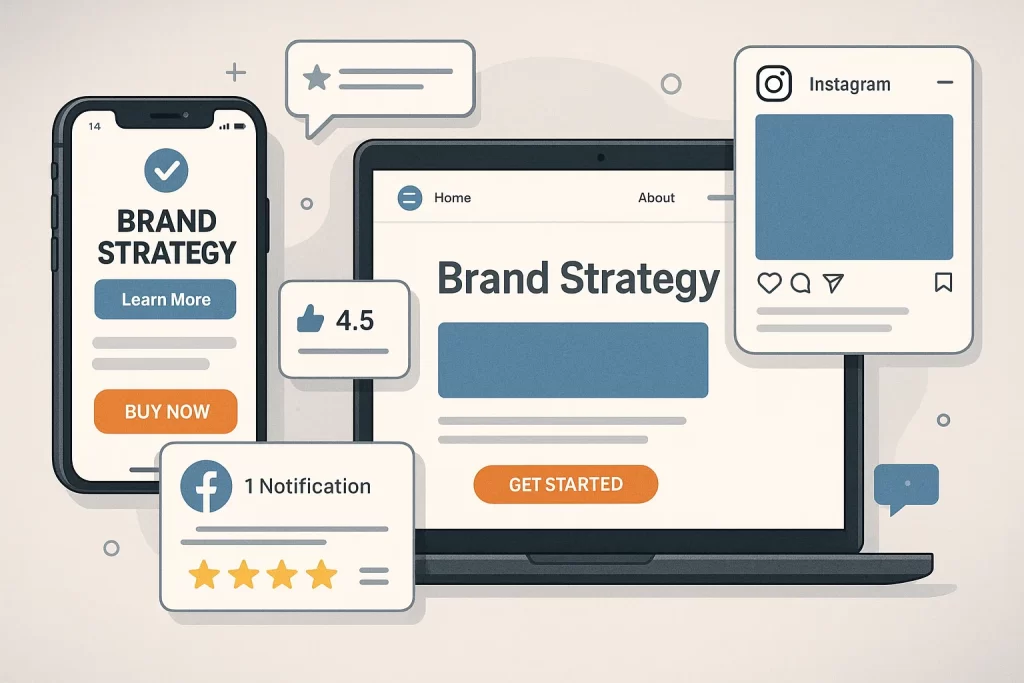
A successful persuasive touchpoint strategy hinges on a few key elements: brand messaging consistency, personalization, and emotional engagement. First and foremost, consistency is paramount across all touchpoints. Consistent messaging ensures that customers have the same experience no matter which touchpoint they engage with. Whether interacting with a brand via a social media ad, a website, or in-store, the message should reflect the same values, tone, and core offerings. This reinforces the brand’s identity and builds customer trust. If a customer receives conflicting messages across different channels, it can create confusion and distrust, ultimately hurting the brand’s credibility.
Personalization takes consistency to the next level by tailoring content, offers, and messaging based on the individual customer’s preferences, behaviors, and interactions with the brand. Today’s customers expect personalized experiences that speak to their unique needs. With advances in data analytics and customer relationship management (CRM) systems, brands can gather insightful data and use it to deliver personalized messages and recommendations. For instance, an e-commerce site might show personalized product suggestions based on previous browsing or purchasing history. By tailoring each touchpoint to the individual, brands can enhance the customer experience, increase engagement, and improve conversion rates.
Lastly, emotional engagement is critical in persuading customers to act. While logic plays a role in decision-making, emotions are often what drive purchases. Brands can tap into emotions by aligning their messaging with customer values, pain points, and aspirations. Whether it’s a message of empathy, excitement, or joy, emotional connections humanize the brand and foster a deeper bond with customers. For example, a brand that promotes sustainability may appeal to environmentally conscious consumers by emphasizing the positive impact of purchasing their products. By weaving emotional resonance into every touchpoint, brands can create lasting impressions that go beyond the transactional and leave customers feeling valued and connected.
Identifying Key Brand Touchpoints
Brand touchpoints can be categorized into pre-purchase, purchase, and post-purchase interactions. Pre-purchase touchpoints are crucial in creating awareness and consideration among potential customers. These touchpoints include advertisements (both digital and traditional), social media interactions, search engine results, and content marketing such as blog posts or videos. At this stage, customers may not yet be familiar with the brand or its offerings, so the goal is to create awareness, generate interest, and provide relevant information. For example, through targeted online ads, a brand can attract customers who are searching for products similar to theirs, or through engaging social media content, a brand can spark interest and draw in followers.
Once a customer is considering a purchase, purchase touchpoints come into play. These include the brand’s website, in-store experience, and customer service. This stage is crucial for converting leads into actual buyers. On the website, the user experience (UX) must be seamless—easy navigation, clear calls to action (CTAs), detailed product descriptions, and reviews. For brick-and-mortar stores, persuasive in-store displays and knowledgeable staff can influence buying decisions. Additionally, customer support plays a vital role, answering questions, addressing concerns, and building trust. For instance, live chat options or a well-designed FAQ section on the website can reassure customers during their decision-making process.

After a purchase, post-purchase touchpoints ensure that the brand maintains its relationship with the customer. These include follow-up emails, satisfaction surveys, customer support, and loyalty programs. Follow-up communications like “Thank you” emails or requests for reviews can keep the customer engaged. Loyalty programs further encourage repeat purchases, offering rewards or discounts for continued patronage. Also, post-purchase touchpoints help in transforming customers into advocates—encouraging them to leave reviews, share their experiences on social media, or refer friends and family to the brand.
Crafting Persuasive Content at Every Touchpoint
Creating persuasive content is essential at each stage of the customer journey. For pre-purchase touchpoints, content should focus on educating and nurturing potential customers. Informative content such as blog posts, videos, and social media updates should highlight the problem the brand solves and provide value to the audience. For example, a skincare brand might offer content around skin care routines or tips on maintaining healthy skin, positioning itself as an authority in the space. The goal here is to engage the customer with helpful, relevant information, which can build trust and spark interest in the product.
During the purchase phase, content should drive customers toward making the final decision to buy. Persuasive calls to action (CTAs) like “Add to Cart” or “Buy Now” should be compelling and visible. Along with clear CTAs, brands should provide trust signals—such as secure checkout badges, customer reviews, and satisfaction guarantees—to reassure customers. Social proof in the form of testimonials, case studies, and user-generated content also works well to persuade customers at this stage. By sharing real-world examples and positive experiences from other customers, brands can reduce hesitation and build confidence in the product.
After the purchase, post-purchase content shifts focus to maintaining customer satisfaction and loyalty. Brands should thank customers for their purchase and ask for feedback to improve future interactions. Providing customers with relevant product recommendations or offering them loyalty rewards for repeat purchases helps to continue the relationship beyond the transaction. Additionally, requesting feedback through surveys or encouraging customers to leave reviews helps the brand improve its offerings while simultaneously showing customers that their opinions are valued.
Emotional Engagement Through Touchpoints
In an increasingly competitive marketplace, emotional engagement can be the deciding factor in whether a customer chooses one brand over another. Trust is a key component of emotional engagement, and building trust is essential for persuading customers to make a purchase. Brands must ensure that their touchpoints communicate reliability and security. For instance, a secure payment system on an e-commerce site, along with visible customer reviews and ratings, can make customers feel more confident in their decision to purchase. Transparent policies, such as clear return and refund procedures, also build trust by reassuring customers that they will be taken care of after the purchase.
In addition to trust, emotional appeal can also drive customer action. By crafting messages that speak to customers’ values, desires, and pain points, brands can create a deeper emotional connection. For example, a fitness brand might use empowering language that motivates customers to feel strong and confident, aligning with their personal health and fitness goals. Similarly, a luxury brand may appeal to customers’ desire for prestige and exclusivity, enhancing their emotional connection with the brand. These emotional triggers not only encourage a purchase but also create lasting relationships and brand loyalty.
Leveraging Technology to Enhance Touchpoints
In today’s fast-paced and digitally driven world, technology plays a crucial role in enhancing brand touchpoints and improving the customer experience at every stage of the journey. Brands that leverage the right technologies can create a seamless, personalized, and efficient interaction at each touchpoint, ultimately increasing engagement, satisfaction, and conversion rates. The use of advanced technologies allows brands to anticipate customer needs, automate processes, and deliver tailored experiences that resonate with individuals on a deeper level.
Automation is one of the most impactful technologies that can enhance brand touchpoints. With automation tools, brands can create highly personalized experiences for customers without overwhelming their teams. For instance, email automation can trigger tailored messages based on customer behavior. If a customer abandons their shopping cart, the brand can automatically send a reminder email with a special offer or product recommendations. Similarly, automated workflows can ensure that new subscribers receive a welcome series that introduces them to the brand, offering special promotions and content that help build a relationship from the start. By automating repetitive tasks, brands free up time for more strategic initiatives while ensuring that customers receive relevant and timely communications.
Another powerful technology is artificial intelligence (AI), which can significantly enhance the personalization of customer interactions. AI-powered recommendation engines are widely used across e-commerce platforms to suggest products based on a customer’s previous purchases, browsing history, or even preferences. This not only helps customers discover new products that match their needs but also drives sales by presenting options that customers are more likely to purchase. For example, streaming services like Netflix and Spotify use AI to recommend movies, shows, and music based on users’ past viewing or listening habits. AI can also power dynamic pricing strategies, where prices adjust based on factors like demand, time, or customer profile, offering a more customized shopping experience.
Chatbots and live chat technologies are transforming customer support by offering instant, real-time assistance. Chatbots can answer frequently asked questions, guide customers through the buying process, provide product recommendations, and even complete transactions. For more complex queries, live chat options connect customers with customer service representatives in a timely and efficient manner. Both technologies improve customer satisfaction by reducing wait times and providing immediate responses, which is especially important in an era of instant gratification. Brands can also use these tools to collect valuable data about customer queries and concerns, helping them improve their products and services.
In addition to chatbots, voice assistants (e.g., Amazon Alexa, Google Assistant) are emerging as valuable touchpoints in customer service and e-commerce. Voice search is becoming increasingly popular, especially as more consumers use smart devices. Brands that optimize their touchpoints for voice search, such as by creating content that answers common voice queries or offering voice-activated purchasing, can better meet customer expectations. A user may ask their voice assistant to reorder a product, check on the status of an order, or search for a product, and brands that facilitate these interactions can create a more frictionless, efficient experience.
Another key technology for enhancing touchpoints is augmented reality (AR). Brands, particularly in the retail industry, are using AR to allow customers to interact with products in a virtual space before making a purchase. For instance, furniture retailers like IKEA use AR technology in their mobile apps to enable customers to see how a piece of furniture would look in their living room. Beauty brands use AR to let customers virtually “try on” makeup products. This immersive experience makes the shopping journey more engaging and helps customers make informed purchasing decisions, thereby reducing the likelihood of returns.
Customer Relationship Management (CRM) systems also play a critical role in integrating all customer interactions across touchpoints. CRMs help brands track and manage every customer interaction, providing a unified view of the customer journey. This ensures that all departments—sales, marketing, and customer service—have access to the same customer data, allowing for more personalized interactions. For example, a CRM system can track a customer’s previous interactions with customer service, enabling the sales team to tailor their pitch to address specific concerns. Similarly, marketers can use CRM data to create personalized campaigns that reflect the customer’s preferences, driving higher engagement and loyalty.
Finally, analytics tools are essential for measuring the performance of touchpoints and making data-driven decisions. By using web analytics, social media monitoring tools, and customer feedback platforms, brands can track how customers interact with each touchpoint. This data reveals insights into customer behavior, such as which touchpoints drive the most engagement, which ones lead to conversions, and where there might be friction in the customer journey. Brands can then use this information to optimize touchpoints, test new strategies, and continuously improve the customer experience.
In summary, leveraging technology at brand touchpoints allows companies to create a personalized, efficient, and responsive experience for customers, ultimately leading to greater customer satisfaction and loyalty. By utilizing automation, AI, chatbots, voice assistants, AR, CRM systems, and analytics, brands can not only improve the customer experience but also streamline operations and drive business growth.
Measuring and Optimizing Touchpoint Effectiveness
Once a brand has implemented a persuasive touchpoint strategy, it is crucial to measure its effectiveness to ensure that the strategy is delivering the desired outcomes. Measuring touchpoint effectiveness provides the insights needed to refine and optimize the customer journey, ensuring that the brand maximizes its impact and meets customer expectations. Without data-driven insights, brands risk missing opportunities to enhance customer engagement, improve conversion rates, and boost customer satisfaction.
Key Performance Indicators (KPIs) are the foundation of touchpoint effectiveness measurement. These metrics help brands evaluate the performance of their touchpoints at various stages of the customer journey. For example, during the pre-purchase phase, KPIs might include metrics such as website traffic, click-through rate (CTR) on ads, and engagement rates on social media. These metrics help measure the effectiveness of content marketing, SEO, paid media, and social media strategies in attracting and educating potential customers.
As customers move through the consideration and purchase phases, other KPIs come into play. Conversion rate is one of the most important metrics to track during this phase, as it measures how well a brand’s touchpoints drive desired actions, such as completing a purchase or signing up for a newsletter. Average order value (AOV) and cart abandonment rate also provide valuable insights into customer purchasing behavior. For example, a high cart abandonment rate might signal issues with the website’s checkout process, such as complicated forms, unclear pricing, or lack of trust signals.
Once the customer has made a purchase, it’s essential to measure post-purchase engagement, which is a strong indicator of the long-term effectiveness of touchpoints. KPIs like customer satisfaction score (CSAT), Net Promoter Score (NPS), and customer retention rate help brands assess how well their post-purchase touchpoints are nurturing loyalty. For instance, a brand with a high NPS is likely doing an excellent job of creating positive post-purchase experiences, encouraging repeat purchases and advocacy. Tracking the number of repeat customers and referral rates can also provide insights into how well the brand is turning one-time buyers into long-term brand advocates.
To measure and optimize touchpoint effectiveness, brands need to use a combination of qualitative and quantitative data. Quantitative data, such as website analytics, CRM data, and conversion metrics, gives brands clear, measurable insights into performance. Tools like Google Analytics provide valuable data on how customers move through the brand’s website, what actions they take, and where they drop off in the customer journey. Social media platforms offer insights into engagement metrics, such as likes, shares, and comments, which can help evaluate how well content resonates with the audience.
However, quantitative data alone isn’t enough to understand the full customer experience. Qualitative data—such as customer feedback, surveys, reviews, and sentiment analysis—provides a deeper understanding of how customers feel about the brand and their touchpoint experiences. For instance, customer satisfaction surveys can reveal pain points in the user experience that quantitative data might not capture. Understanding the emotions behind customer actions helps brands optimize touchpoints to not only increase engagement but also foster stronger emotional connections with customers.
A/B testing is a powerful tool for optimizing touchpoints. By testing different variations of content, design, messaging, and offers, brands can determine what works best for their audience. A/B testing allows brands to experiment with different versions of emails, landing pages, ads, and even product pages to see which variations lead to higher conversion rates, engagement, and customer satisfaction. Testing small elements, such as CTA button colors or headline copy, can make a significant difference in the effectiveness of touchpoints.
Another method of optimizing touchpoints is through customer journey mapping. By mapping the entire customer journey across all touchpoints, brands can identify where customers are encountering friction or experiencing delays. A detailed customer journey map helps visualize the flow of interactions, from initial awareness to post-purchase, and pinpoints areas where touchpoints can be improved. For example, if a customer is abandoning their cart during the checkout process, brands can analyze the journey map to identify whether the problem lies in the form fields, shipping options, or payment gateways. By continuously refining touchpoints based on insights from journey mapping, brands can enhance the customer experience and reduce friction at critical stages.
Segmentation plays a crucial role in measuring and optimizing touchpoint effectiveness. Not all customers are the same, and different customer segments may have different expectations, behaviors, and needs. By segmenting customers based on demographics, behavior, or purchase history, brands can tailor touchpoints to meet the specific needs of each group. For example, a first-time visitor to a website may respond differently to a welcome offer than a returning customer, who might be more interested in loyalty rewards. By segmenting customers and analyzing the effectiveness of touchpoints for each segment, brands can optimize their strategy for better results.
Lastly, continuous improvement is key to maintaining touchpoint effectiveness. The customer journey is dynamic, and customer expectations evolve over time. Brands need to stay agile, regularly assessing touchpoint performance, testing new strategies, and adjusting based on customer feedback and data. Optimizing touchpoints is an ongoing process that requires brands to remain proactive, staying up to date with new trends, technologies, and customer insights.
In conclusion, measuring and optimizing touchpoint effectiveness is crucial for ensuring that the brand’s strategy delivers value to customers and drives business results. By tracking relevant KPIs, gathering both qualitative and quantitative data, using A/B testing, mapping the customer journey, and segmenting customers for personalized experiences, brands can continuously improve their touchpoints and create a more persuasive and engaging experience at every stage of the customer journey.
Competitor Analysis and Differentiation
In an increasingly crowded marketplace, competitor analysis is essential for identifying opportunities, challenges, and areas for improvement in your brand’s touchpoint strategy. By studying competitors, brands can uncover insights into how other businesses engage their customers, what strategies they use, and where there might be gaps or unmet needs in the market. Competitor analysis provides a strategic advantage by helping a brand differentiate itself from others, allowing it to stand out and attract more loyal customers.
Understanding the Importance of Competitor Analysis
Competitor analysis is the process of examining and evaluating the strategies, tactics, and performance of brands that offer similar products or services. This analysis allows a brand to benchmark its own touchpoints against others in the industry, highlighting strengths and weaknesses in customer engagement. It also provides insights into competitor strategies, such as content approaches, promotional tactics, customer support practices, and technological innovations. By gaining a deeper understanding of the competition, a brand can refine its own approach to ensure that it meets or exceeds industry standards.
For example, a brand might analyze how competitors interact with their audience on social media, how they respond to customer inquiries, and what types of content resonate most with their audience. It can then use these insights to inform its own strategies, improving customer engagement and optimizing touchpoints. Competitor analysis also helps identify emerging trends in the market, such as shifts in customer preferences, new technologies, or innovative marketing tactics, enabling the brand to stay competitive and ahead of the curve.
Key Areas to Analyze
- Customer Touchpoints and Engagement Channels
Competitors often provide a variety of touchpoints through which customers can engage with their brand—websites, social media, in-store experiences, mobile apps, and customer support channels. By evaluating these touchpoints, a brand can gain insights into which channels are most effective for engaging its target audience. For instance, if a competitor has a strong presence on Instagram and uses it to drive sales through influencer partnerships, this could be an opportunity for your brand to explore a similar strategy. - Brand Messaging and Content Strategy
Examining how competitors communicate their value proposition and messaging is a key part of competitive analysis. This includes looking at their tone of voice, brand personality, and content types (e.g., blogs, videos, ads). It’s important to assess whether competitors use persuasive storytelling, customer-centric messaging, or emphasize unique selling points (USPs). For example, if a competitor is focusing heavily on sustainability and has positioned itself as an eco-friendly brand, your brand might choose to differentiate by focusing on other key USPs, such as superior quality or customer service. - Customer Experience and Service
Analyzing how competitors handle customer experience (CX) across various touchpoints is essential. Are they providing an exceptional in-store experience or offering fast and efficient customer service online? Look at their response times, the quality of interactions, and how they resolve issues. Customer service can be a major differentiator, and providing superior service compared to competitors can be an excellent way to stand out. For example, if a competitor is slow to respond to customer complaints, your brand could differentiate by offering quicker, more personalized customer support, either through live chat or phone support. - Technology and Tools
Competitors often use technology to enhance customer experience at touchpoints. This might include AI-powered chatbots, personalization tools, or mobile apps that improve the buying process. By analyzing what technologies competitors are using, your brand can identify areas where it could improve or innovate. For example, if a competitor’s website is mobile-optimized and easy to navigate, your brand should ensure its website offers an equally seamless experience or provide additional features, like a mobile app with loyalty rewards, to further differentiate. - Pricing and Promotions
Price sensitivity can be a major factor in customer decision-making. By understanding how competitors price their products or services and what types of promotions they offer (e.g., discounts, loyalty programs, free shipping), your brand can identify ways to create more compelling offers. For instance, if a competitor offers a standard 10% discount to first-time buyers, you could stand out by offering a higher discount, bundle deals, or exclusive membership benefits. The pricing structure and promotional strategy should also reflect your brand’s positioning—whether it’s premium or value-driven.
Differentiation: Standing Out in the Market
Differentiation is the process of making your brand distinct and recognizable compared to competitors. After conducting competitor analysis, brands should focus on identifying their unique selling proposition (USP), which is the factor that sets them apart from others in the market. A clear USP not only helps a brand stand out but also aids in communicating why customers should choose that brand over its competitors.
To differentiate effectively, it’s important to highlight aspects of your brand that competitors may not emphasize or execute as well. For example, a brand might choose to emphasize its quality over competitors’ cheaper but lower-quality alternatives, or it might focus on customer experience if competitors are lacking in this area. Here are some common ways to differentiate a brand:
- Unique Product Features: If your product has unique features or superior quality that competitors lack, highlight this in your messaging. For instance, a tech company might differentiate by offering a longer battery life or exclusive software features not found in competitor products.
- Customer-Centric Approach: Many customers prefer brands that are responsive and customer-oriented. Offering personalized experiences, a hassle-free return policy, or dedicated customer support can differentiate your brand. Brands that make customers feel heard and valued are more likely to cultivate loyalty.
- Brand Storytelling: A powerful narrative can be a key differentiator. Sharing the origin story of your brand, the challenges it faced, or its commitment to specific values (e.g., sustainability, local sourcing) can help connect with customers on an emotional level. While competitors may focus on product features, your brand can emphasize the passion and mission behind its offerings.
- Superior Service and Convenience: Offering superior service can be a significant point of differentiation. If competitors focus primarily on price, your brand might emphasize added value through better service, such as more personalized recommendations, fast shipping, or easy returns. You could also offer convenience features like a streamlined checkout process or 24/7 customer support.
- Innovation: Constant innovation can set a brand apart in a competitive market. Whether through new technologies, creative marketing campaigns, or unique customer experiences, staying ahead of the curve helps reinforce the brand’s position as an industry leader. For example, offering an augmented reality (AR) experience for online shopping might be a differentiator if competitors are not yet using such technology.
Using Competitor Analysis to Refine Touchpoints
After conducting a thorough competitor analysis, brands should use the insights gathered to optimize their touchpoints. This can involve enhancing customer engagement at every stage of the journey. For instance, if competitor analysis reveals that customers appreciate the personalization of a competitor’s email campaigns, your brand could create more targeted and personalized email content, leveraging customer data and behavior. Similarly, if a competitor has a strong presence on social media, but their engagement rates are low, your brand could focus on building a more engaging and interactive social media community, offering value through informative posts, contests, or live Q&A sessions.
By identifying what works for competitors and recognizing where your brand can excel, competitor analysis not only helps in benchmarking performance but also gives you actionable insights into how to differentiate your touchpoint strategy and create more value for your customers.
Keyword Strategy for Persuasive Touchpoints
In the digital age, search engine optimization (SEO) is a critical component of any brand’s persuasive touchpoint strategy. Keywords play a central role in helping brands be discoverable across search engines, guiding potential customers to their touchpoints at the moment when they need them most. A robust keyword strategy ensures that content is optimized to align with customer search behaviors and intent, making it easier for users to find and engage with the brand across multiple touchpoints, such as websites, blogs, and social media platforms.
Identifying Relevant Keywords
The first step in a successful keyword strategy is identifying relevant keywords that align with the brand’s target audience’s search behavior.
Using tools like Google Keyword Planner, Ahrefs, or SEMrush, brands can research and identify keywords that not only have search volume but also align with the intent of their target audience. This process ensures that content touches on the pain points and queries that potential customers are actively searching for.
Incorporating Keywords Across Touchpoints
Once relevant keywords have been identified, they should be strategically incorporated into various brand touchpoints, including:
- Website: Optimizing product pages, blog posts, and landing pages to target high-priority keywords. It’s important to include keywords naturally within headings, meta descriptions, alt text, and content.
- Content Marketing: Whether it’s blogs, videos, or downloadable resources, integrating targeted keywords into content helps to ensure visibility on search engines. For example, a blog post on “The Importance of Persuasive Touchpoints in Marketing” can drive traffic by targeting long-tail keywords related to the brand’s core offerings.
- Social Media: While social media posts may not directly impact search engine rankings, they can drive engagement and help with brand awareness. By including branded hashtags or keyword-optimized captions, brands can expand their reach and increase visibility on platforms like Instagram, Twitter, and LinkedIn.
Content Optimization and Tracking
SEO is a long-term game, but measuring and optimizing touchpoint performance is critical. After implementing keywords, brands should track their performance through analytics tools, evaluating metrics like organic traffic, bounce rate, and conversion rates. If certain keywords are underperforming, adjustments can be made to ensure better alignment with customer intent. A/B testing headlines, meta descriptions, and calls to action (CTAs) with keywords can help improve click-through rates (CTR) and engagement.
By aligning content with the right keywords and customer intent, brands can increase their visibility across various touchpoints, ensuring that they are found at the right moments in the customer journey.
FAQ
1. What is a Brand Persuasive Touchpoint Strategy?
A Brand Persuasive Touchpoint Strategy is a planned approach to designing every interaction a customer has with your brand in a way that influences their emotions, perceptions, and decisions. By strategically managing touchpoints—such as social media, website experiences, in-store interactions, and advertising—a brand can persuade customers to engage, trust, and remain loyal.
2. Why is it important for brands?
This strategy is important because customers interact with brands across multiple channels, and inconsistent experiences can weaken emotional connections. A persuasive touchpoint strategy ensures that every engagement reinforces the brand’s message, builds trust, and drives actions that contribute to long-term loyalty and advocacy.
3. How can brands implement a persuasive touchpoint strategy?
Brands can implement this strategy by mapping all customer touchpoints, understanding the emotions they want to evoke, and tailoring content, visuals, and messaging accordingly. Regular monitoring, testing, and optimization of these touchpoints help maintain consistency, relevance, and persuasiveness across all customer journeys.
4. What are the benefits of using this strategy?
The benefits include stronger emotional engagement, higher brand recall, increased customer loyalty, and improved conversion rates. By thoughtfully designing persuasive touchpoints, brands create meaningful experiences that resonate emotionally, encouraging repeat interactions and advocacy.
Conclusion
Integrating an effective keyword strategy and ensuring channel integration are both essential to executing a successful Brand Persuasive Touchpoint Strategy. A keyword strategy ensures that the brand is discoverable at the right moments, engaging customers with relevant, optimized content. Meanwhile, channel integration ensures a cohesive and seamless experience across all touchpoints, improving brand visibility, engagement, and ultimately driving conversions. Together, these elements help build a more persuasive and consistent brand presence, enabling brands to meet customers wherever they are in their journey, on whichever platform or device they choose.